

TABOR retention question for new police academy heads to Colorado Springs ballot

Colorado Springs voters will choose whether to let the city keep nearly $5 million in excess tax revenues to help fund a new police training facility, the City Council decided Tuesday.
The council voted 7-1 to refer to the ballot the Taxpayer’s Bill of Rights question backed by Mayor Yemi Mobolade and Police Chief Adrian Vasquez. If approved, voters would authorize the city to retain $4.75 million in excess tax revenues for a new police academy proponents said is critical for public safety and will improve the Police Department’s ability to recruit new officers and retain current officers.
Colorado Springs City Council supportive of new police academy, disagree on TABOR retention
Colorado’s Taxpayer’s Bill of Rights, or TABOR, caps the amount of tax revenues local governments can keep each year, using a formula based on population growth and inflation. Governments can only keep revenues over that cap with voter approval; otherwise, taxpayers would receive a refund.
If the question fails, the city will refund the excess revenues to Colorado Springs Utilities electric customers, about $21.50 per electric account, Chief of Staff Jamie Fabos said.
Officials have decided not to also ask voters, in the same question, to allow the city to increase its revenue and spending caps for the years 2024 and beyond, based on any voter-approved changes to the 2022 fiscal year revenue.
“Due to the inflationary factor, we did not feel that was necessary in this particular year,” Fabos told the council.
Councilman Dave Donelson, who has supported the need for a new facility but has vocally opposed using excess tax revenues to help build it, was the sole vote Tuesday against placing the question on the Nov. 7 ballot. Councilman Mike O’Malley was absent.
The excess tax revenues would only pay for a sliver of the estimated cost to either refurbish an existing building or build a wholly new police academy, Donelson has said.
The city’s Chief Financial Officer Charae McDaniel previously estimated the project could cost between $12.5 million and $45 million.
She has said the city plans to pay for it with a combination of excess tax revenues, approximately $1.8 million currently available in public safety sales tax revenues and a one-time use of between $500,000 and $1 million in public safety sales tax reserves and/or between $2 million and $4 million in general fund reserves. After that money is allocated, financing could pay for the remainder of the project, McDaniel said.
Some Colorado Springs residents oppose possible $5M TABOR retention for police academy
“Why is a TABOR retention taking people’s tax refund, which they should receive, and then the city going further into debt to pay for the rest of it … the best way to go about doing this?” Donelson said Tuesday.
Councilmembers in favor of referring the question to the ballot this fall said they wanted to give residents the chance to decide if or how the money is spent.
“I believe in the wisdom of many. In this case, it’s not up to the council to deny you all the right to vote, to say what you want to happen in terms of the TABOR retention,” Councilwoman Yolanda Avila said. “… Use your voice and vote in the way you see fit.”
Vasquez and other proponents repeated claims the current police training facility is inadequate for current and future needs.
Possible TABOR vote could mean $5 million for Colorado Springs police training facility
The building on North Murray Boulevard that the department uses to train new recruits, current officers and for regional training is too small. For example, the department must rearrange spaces such as locker rooms and lunch rooms to allow for adequate required training space, Vasquez said.
Other constraints include lack of shower space, where recruits can clean up after physical training and space for new technology, such as upgraded and expanded training simulators, he said.
In October the department will begin running concurrent academies under its 15-week continuous hiring model. Vasquez said he expects between 42 and 48 recruits per academy and the current building’s space won’t be enough to meet future training requirements, he said.
The current facility is also at the end of its life, he said. The building needs about $4 million in repairs to its heating and air system and must be brought into compliance with the Americans with Disabilities Act.
Seven people who spoke in favor of the ballot question said a new state-of-the-art police academy is the best way to keep the community safe and better recruit and retain officers who can address rising crime levels.
“Public safety is the No. 1 priority of government. … I know that ($4.75) million is not going to completely solve the need for an expanded police academy, but is it a start in the right direction? The longer we wait, the more dire the situation becomes,” said Bernie Herpin, a former Colorado Springs councilman and Colorado senator.
About 13 others on Tuesday spoke against using TABOR revenues to fund a new police academy.
Samantha Christiansen, who co-founded Colorado Springs’ nonprofit activist group the Chinook Center, said proponents have not offered up “peer-reviewed research to demonstrate” their claims that increasing police funding and the number of officers reduces crime.
The Chinook Center is one of two plaintiffs suing the city, the Colorado Springs Police Department and several Colorado Springs police officers, alleging the officers violated the First and Fourth amendments of the U.S. Constitution when officers obtained search warrants for activists who participated in a housing rights march in Colorado Springs in the summer of 2021.
“We are being asked to pay for a portion … for something that there’s no evidence is going to make any difference in our community,” Christiansen said.
Opponents said they preferred the city focus on solving the housing crisis and fund more mental and behavioral health programs to prevent crime before it occurs.
Jacki Othon, co-chair of the Colorado Springs Democratic Socialists of America who is earning her master’s degree in social work from the University of Colorado at Colorado Springs, said she had endured domestic violence previously and Colorado Springs police saved her life.
But her abuser’s life should have been saved by a behavioral health specialist before he could hurt her, she said.
Waiting for the police: Data show CSPD response times have worsened since 2019
“There is mounting evidence this is how you solve public safety: by preventing crime before it ever starts. Police cannot prevent or deter crime; they can only react to it,” she said.
The council on Tuesday also approved an intergovernmental agreement with the El Paso County clerk and recorder to conduct and administer the city’s special election on Nov. 7. The council voted 7-1 to approve the agreement, with Donelson opposed and O’Malley absent.
The estimated cost of the election is just over $402,887, according to the draft agreement.



Legal war over Trump’s immigration detention policy far from over despite key win
Jack Birle, Washington Examiner
jack.birle.washington.examiner@gazetteedit.wpenginepowered.com
Updated 4 hours ago
The Trump administration won a key victory at a federal appeals court late last week, when its mandatory detention policy for illegal immigrants was upheld, but it still faces skepticism in various other federal courts. The administration’s mandatory detention policy...

Laura Clellan named sole finalist for Colorado Parks and Wildlife director
Marianne Goodland
marianne.goodland@coloradopolitics.com
Updated 4 hours ago
The Department of Natural Resources announced Monday that Laura Clellan, who is currently serving as acting director of Colorado Parks and Wildlife, is the only finalist for the job. Clellan has been acting director of CPW since Nov. 25, when...

Colorado budget writers put Medicaid caregiver pay cuts on hold
Marissa Ventrelli
marissa.ventrelli@coloradopolitics.com
Updated 2 hours ago
The Colorado General Assembly’s budget decision-makers have put proposed pay cuts on hold for people who care for a family member with a disability who receives Medicaid. The Joint Budget Committee made the decision after hours of testimony from family...
Colorado lawmakers seek faster warrant response from social media firms
Sage Kelley
sage.kelley@denvergazette.com
Updated 2 hours ago
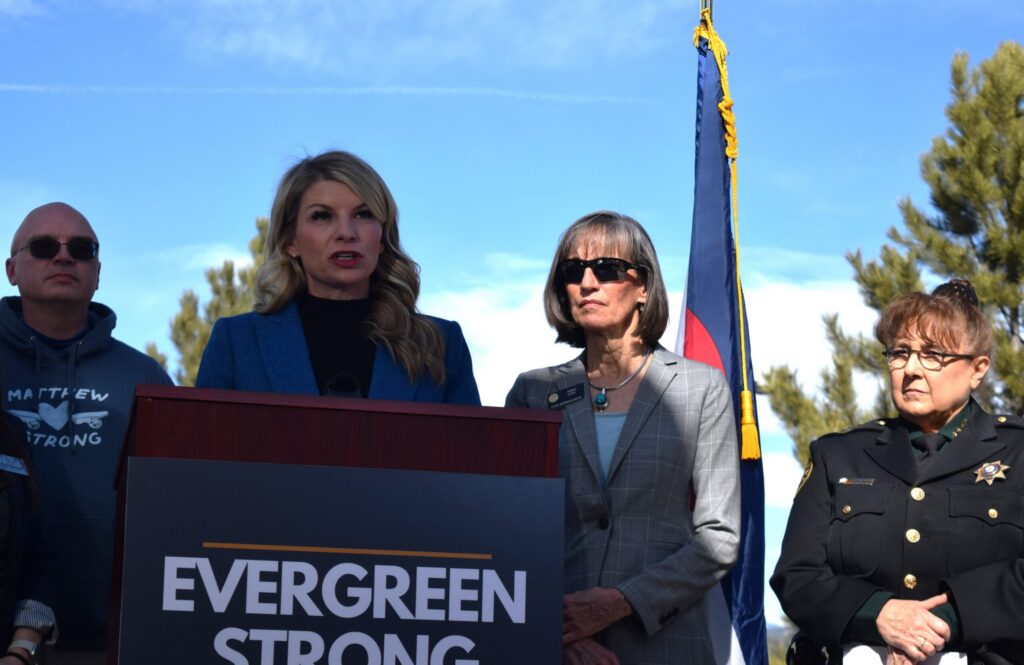
Proponents argue legislation would prevent school shootings Colorado officials on Monday claimed that the Evergreen High School shooting could have been prevented if social media companies had been required to respond faster to warrants — and they are pushing legislation...
10th Circuit orders lawyer to pay $1,000 for faulty AI citations
Michael Karlik
michael.karlik@coloradopolitics.com
Updated 2 hours ago
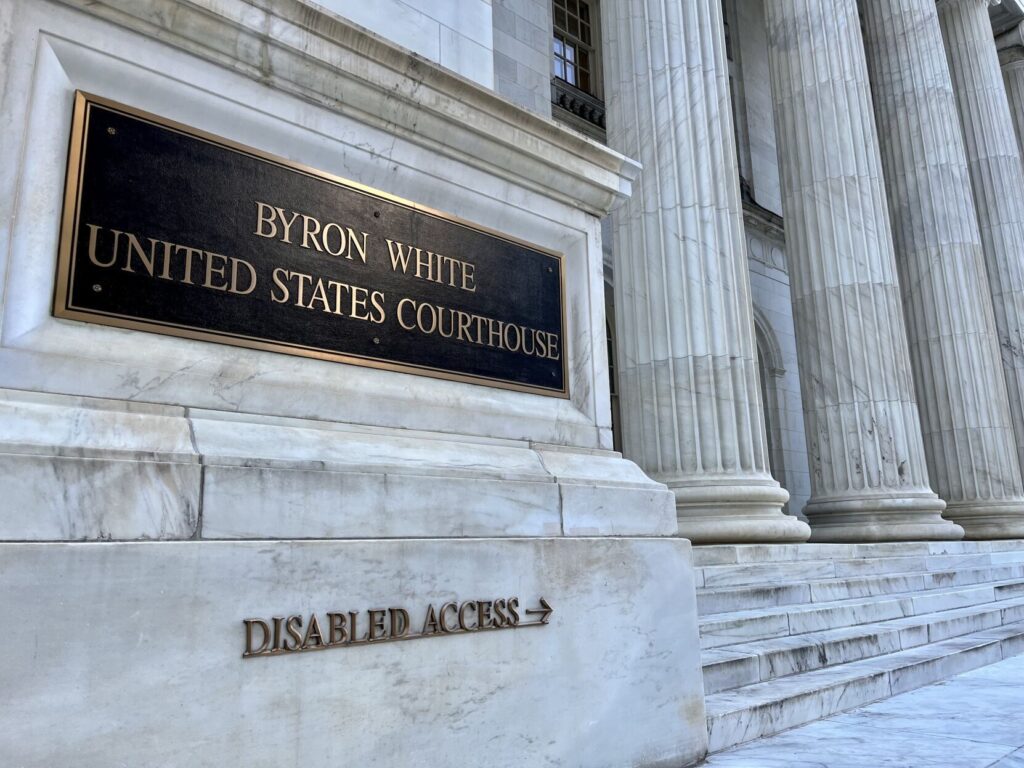
The Denver-based federal appeals court ordered a lawyer on Monday to pay $1,000 to the opposing side for submitting a legal filing with fake case citations generated by artificial intelligence. A three-judge panel of the U.S. Court of Appeals for...

A fight over seeds and bees: Colorado Democrats target neonicotinoid pesticides
Marianne Goodland
marianne.goodland@coloradopolitics.com
Updated 3 hours ago
Colorado lawmakers are weighing new restrictions on a class of pesticides after Gov. Jared Polis signaled support for a Democratic-backed bill aimed at protecting pollinators — a proposal that has raised sharp worries from farmers who rely on treated seeds...

Supreme Court finalists selected, federal judges slash backlogs | COURT CRAWL
Michael Karlik
michael.karlik@coloradopolitics.com
Updated 9 hours ago
Welcome to Court Crawl, Colorado Politics’ roundup of news from the third branch of government. Coloradans learned who the three finalists are for a state Supreme Court vacancy, and new data show that Colorado’s federal trial judges reduced their backlog...
Colorado Democrats propose changes to juvenile corrections, jail searches, municipal courts | Bills in brief
Marissa Ventrelli
marissa.ventrelli@coloradopolitics.com
Updated 7 hours ago
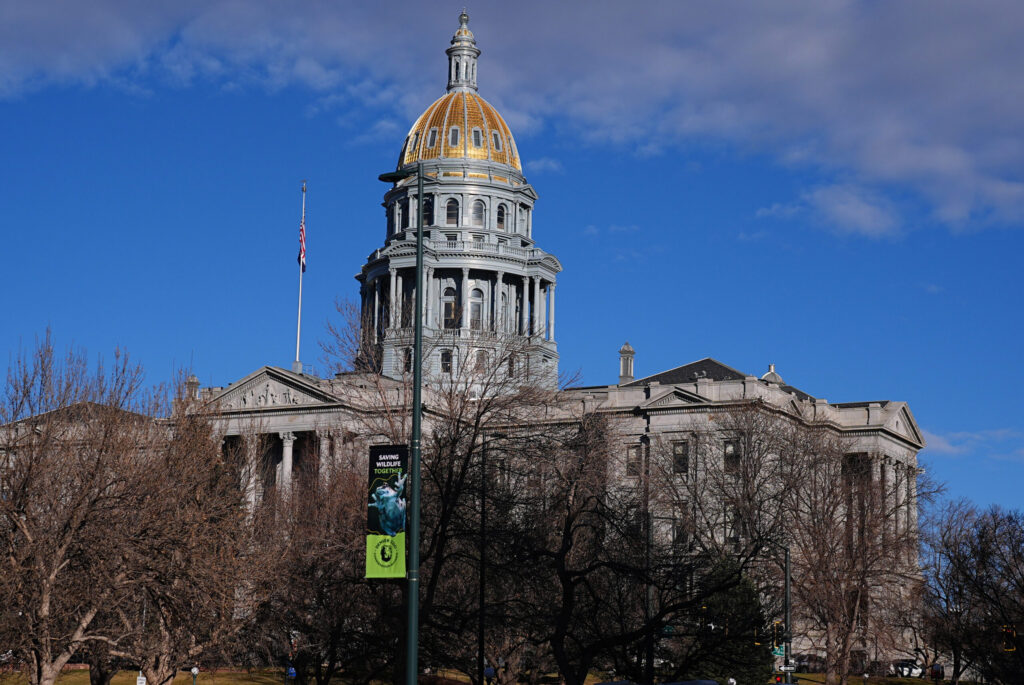
Colorado lawmakers introduce hundreds of bills each year. Bills in brief cuts through the noise by explaining which proposals matter, what’s at stake, and how decisions at the Capitol could affect everyday life across the state. Colorado lawmakers are advancing a slate...

Colorado’s legislative activity has increased 56% since 2012, report finds
Marissa Ventrelli
marissa.ventrelli@coloradopolitics.com
Updated 2 hours ago
The Colorado General Assembly has adopted increasingly more bills in the last several years, even as the proposals have also become more complex. The legislature passed 487 bills during the 2025 legislative session, representing a 56% growth in legislative output...

Ghislaine Maxwell declined to answer questions from a House committee, citing 5th Amendment rights
Stephen Groves
stephen.groves@associatedpress.com
Updated 11 hours ago
WASHINGTON (AP) — Lawmakers tried Monday to interview Ghislaine Maxwell, but the former girlfriend and confidante of Jeffrey Epstein invoked her 5th Amendment rights to avoid answering questions that would be incriminating. Maxwell was to be questioned during a video...