

Charge ‘er up — and bill Colorado ratepayers | Colorado Springs Gazette
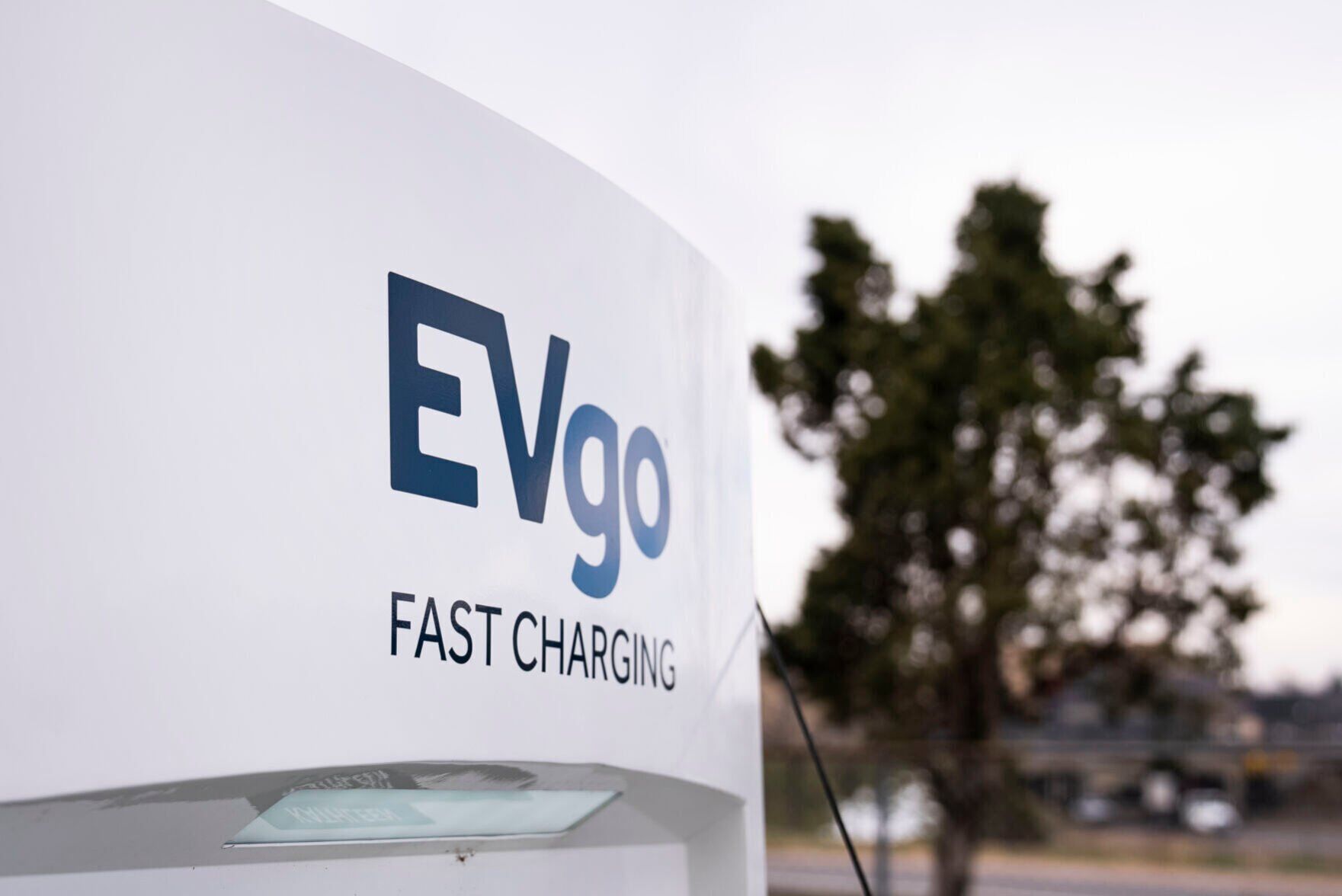
Hard-pressed Colorado ratepayers won’t be the only ones who get the shaft under a proposal by the state’s largest utility to stick them with the $140 million tab for a new network of electric-vehicle charging stations. The EVs’ owners will get shortchanged, too.
As reported this week by The Gazette, a national coalition of consumers and businesses contends utility-run charging stations like those planned by Xcel Energy in Colorado are unfair to prospective competitors as well as EV motorists looking to charge up.
That’s because the 460 charging stations Xcel aims to open by 2030 will be subsidized by the investor-owned, publicly regulated monopoly’s 1.7 million Colorado electrical ratepayers. They’ll have to fork over that subsidy through a rate hike in their monthly power bills assuming the Colorado Public Utilities Commission agrees to Xcel’s request.
The arrangement would let Xcel use ratepayer revenue to fund startup costs for its charging stations, undercutting other private-sector providers that must risk their own capital to serve the EV market. It also could limit the locations at which EV drivers could recharge – once private providers have been elbowed out of the market.
“EV drivers will have fewer options, as very few EV charging operators will open up shop in Colorado if a state-backed monopoly is allowed to unfairly compete by using ratepayer funds to build an EV charging business,” Charge Ahead Partnership Executive Director Jay Smith said in a press statement.
Stay up to speed: Sign-up for daily opinion in your inbox Monday-Friday
And that’s not to mention the fundamental unfairness of requiring Colorado household ratepayers to foot the bill for Xcel’s new venture in the first place. Families of modest means, seniors on a fixed income and even households below the poverty level – i.e., Coloradans who are the least likely even to have set foot in a $60,000 electric car – would be forced to fund the charging fees for EVs’ disproportionately upscale owners.
“This proposal hurts Coloradans. Everyone, including people who don’t own an EV, will pay higher power bills,” Smith said.
Gov. Jared Polis’ Greenhouse Gas Reduction Roadmap calls for hitting a target of 940,000 EVs on the road statewide by 2030. That may be an overly ambitious goal, according to experts who talked to The Gazette’s news staff. It assumes a boom in electric vehicle sales amounting to roughly half of all new cars and trucks purchased annually in Colorado.
Arguably, the sticker shock accompanying most EVs remains a hurdle to expanded sales; so is prospective buyers’ fear of running out of juice while on the road.
Despite that uncertainty, entrepreneurs are seeking to tap into the market for charging up the vehicles. It’s a market that appears underserved right now, and the most effective, and fairest, way to anticipate future demand is to leave it to private-sector investors risking their own capital. They can proceed most efficiently – and without leaving others on the hook.
Xcel’s attempt to front-load the EV-charging market on the backs and meager budgets of its customers is unjustifiable, and the Public Utilities Commission should just say no. The Polis administration’s efforts to fast-track electric cars shouldn’t be used as an excuse to railroad Xcel’s ratepayers.
Colorado Springs Gazette Editorial Board

Mum on his own replacement, Bennet disrespects voters | Dick Wadhams
Dick Wadhams
dick-wadhams@coloradopolitics.com
Updated 2 days ago
U.S. Sen. Michael Bennet is playing an arrogant game of hide-and-seek with Colorado voters as he seeks to abandon his Senate seat to become governor. Bennet insists that if he is elected governor in November, he will wait until he...

What kind of energy independence did we pay for? | Miller Hudson
Miller Hudson
miller-hudson@coloradopolitics.com
Updated 2 days ago
It was during the summer of 1972 AT&T published an internal solicitation for installation and repair supervisors with “inner-city” experience to transfer to Mountain Bell. The catch was an applicant’s readiness to work 10 hours a day, six days a...

Those who cannot live without wild things | Rachel Gabel
Rachel Gabel
rachel-gabel@coloradopolitics.com
Updated 2 days ago
Aldo Leopold wrote in his Sand County Almanac, “There are some who can live without wild things and some who cannot.” The collection of essays first published in 1949 was accepted by a publishing house after a steady stream of...

Thank God for Wyoming — the un-Colorado | Jon Caldara
Jon Caldara
jon-caldara@coloradopolitics.com
Updated 2 days ago
Years ago, I interviewed a Canadian health-care broker whose job was helping his countrymen escape their own failing system. When their “free” health care turned into “free to wait until you die,” he’d save his clients by routing them to...
It’s time to let unaffiliated voters caucus | Vince Bzdek
Vince Bzdek
vince.bzdek@gazette.com
Updated 2 days ago
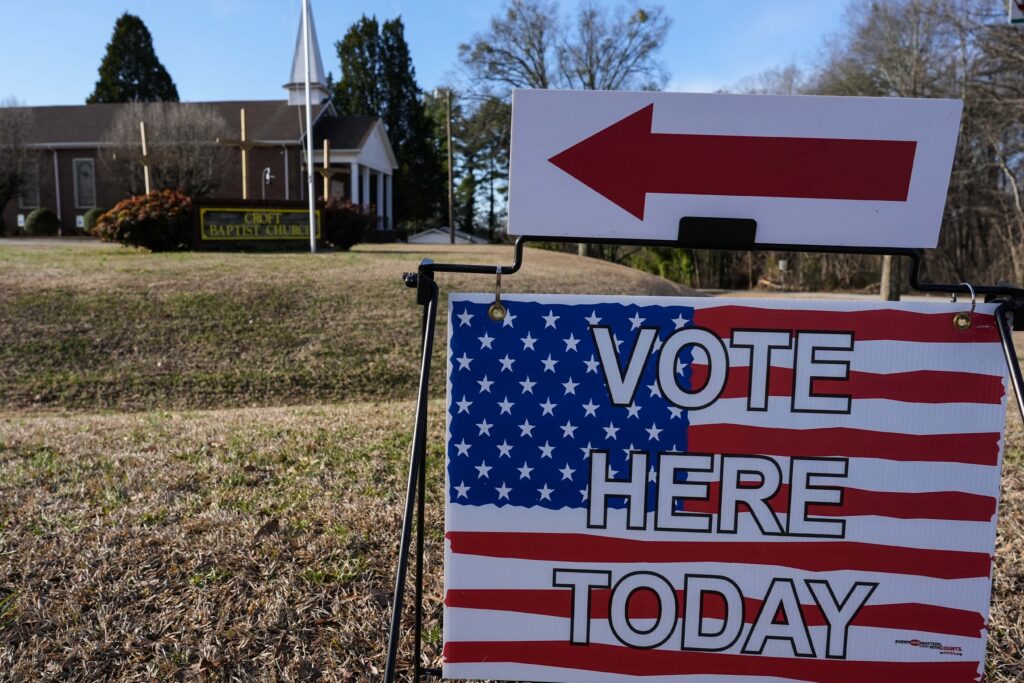
There’s no getting around it: Colorado’s 3,000 county caucuses, which just wrapped up recently, left half the electorate out in the cold. Since unaffiliated voters now make up 51% of all Colorado voters, a majority of Colorado electors are barred...
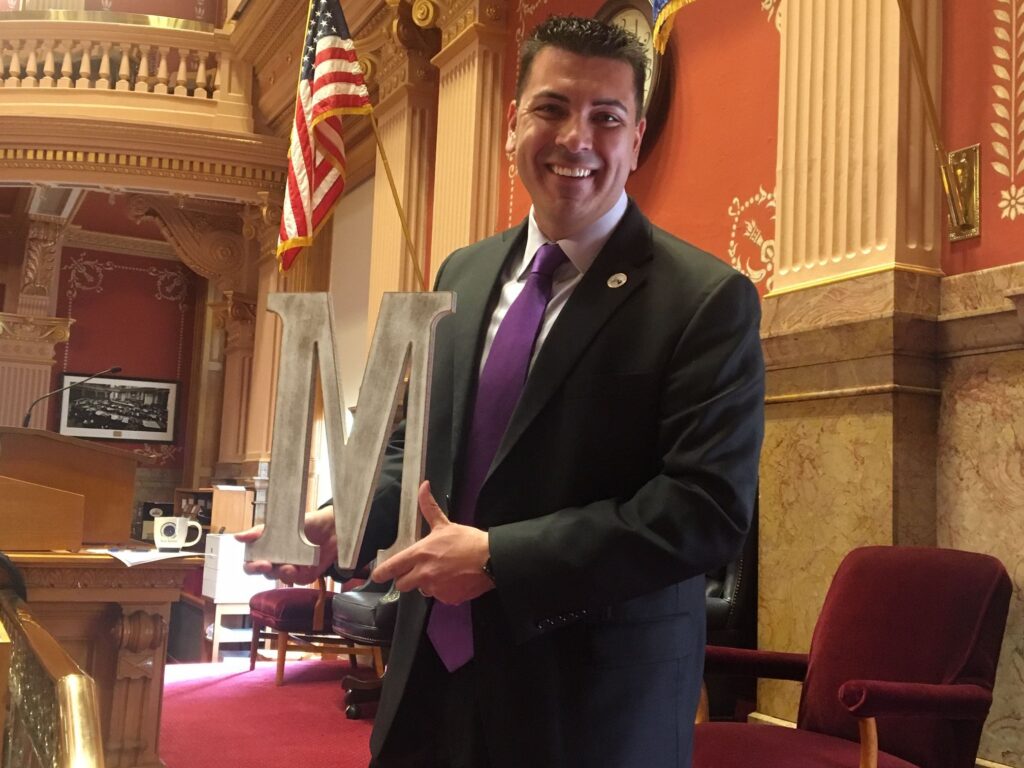
A Mile High, again: Capitol M | Week of March 21, 2026
Marianne Goodland
marianne.goodland@coloradopolitics.com
Updated 5 days ago
The lighter side of the Capitol, usually…. Local Journalism Day, except they forgot their very own local journalists. The state Senate on Thursday, March 19, passed a resolution recognizing Local Journalism Day. Everyone voted for it, which is good, because...

The insular bubble of caucuses and assemblies | SONDERMANN
Eric Sondermann
eric-sondermann@coloradopolitics.com
Updated 4 days ago
Nearly 30 years ago, then-Federal Reserve Chairman Alan Greenspan coined the term “irrational exuberance” to describe the overheated stock market. That descriptive phrase could also apply to much of the political realm. The hype in politics often grossly exceeds the...
Set appropriate state guidelines for critical surveillance technology | OPINION
Colorado Politics
colorado-politics@coloradopolitics.com
Updated 3 days ago
I admit it: I’m worried. I’m hearing a lot about surveillance in the public arena. I hear cameras are capturing my car’s license plate wherever I drive, my face as I go in and out of stores and health facilities,...
Puppy trafficking bill promotes inhumane breeding | OPINION
Colorado Politics
colorado-politics@coloradopolitics.com
Updated 3 days ago
By Patti Strand When Justice Thurgood Marshall wrote “The Constitution does not prohibit legislatures from enacting stupid laws,” he wasn’t wrong. He was referring to a political process sometimes ill-equipped to deal with complex issues that require subject-matter knowledge and a...
Penny wise but foolish by pounds | Paula Noonan
Paula Noonan
paula-noonan@coloradopolitics.com
Updated 4 days ago
Leadership of Colorado’s General Assembly introduced the Fiscal Year 2026-2027 Legislative Appropriation bill, HB26-1333, at $75.72 million. That will be the budget to run the state legislature next year. About $74 million comes out of the general fund and the...
PREV
PREVIOUS
Location, location, location | BIDLACK
Hal Bidlack Did you ever wonder why so much of the space program is based in Houston, Texas? Well, back in the Apollo days, the folks at the actual launch site in the Kennedy Space Center at Cape Canaveral controlled the launch of spacecraft until the launching rocket cleared the launch tower. At that point, […]

Denver should heal addiction, not feed it | Denver Gazette
Denver is afflicted with an addiction crisis. It’s a major driver of metro-area crime, from auto theft to domestic violence. It’s a fundamental cause of chronic homelessness on our streets. It rips apart families, renders addicts unemployable and ruins their lives. It creeps into our schools and undermines our youth. While the root causes of […]