

Denver Public School board member to introduce email retention policy

Thirty days after an email is deleted from a Denver Public Schools’ (DPS) account, district officials are unable to retrieve it, stripping potentially important documents from the public record.
Board of Education Director Scott Baldermann wants to change that.
Emails lost to public under DPS retention policy | CLASS NOTES
At least for the board and its staff.
Baldermann told The Denver Gazette he had been kicking around the idea for some time before a story earlier this month found – after the district denied a Colorado Open Records Act request because the email sought had been deleted – weak policies.
DPS policy states electronic communications on district computers or communication systems “shall be retained only as long as necessary.”
The DPS policy further encourages deleting emails on a routine basis.
It’s still unclear who makes this determination.
Baldermann said that was problematic. And the policy he will propose will define what is “necessary.”
“There’s just way too much left up to interpretation and we should address that,” said Baldermann, noting his policy would create “guardrails” for board members and their staff.
While the state archives law requires agencies to create a retention policy, it does not define an email or text message as a record unless the recipient retains it as valuable government data.
State and federal open records laws do not require public officials to disclose whether a record has been destroyed.
The board policy Baldermann hopes to introduce by the end of the academic year would spell out how long emails should be retained. A possible solution, Baldermann said, could be requiring all emails and texts be saved for the duration of a board members’ term.
It’s an issue Jeff Roberts, executive director of the Colorado Freedom of Information Coalition, has been sounding the alarm on for years.
“It really gives the sender and receiver a lot of discretion as to whether something is important enough to save,” Roberts said.
Formed in 1987, the coalition promotes the freedom of the press and open access to government.
Because record retention in Colorado is a longstanding issue, the Colorado Freedom of Information Coalition commissioned a study about four years ago to examine the law and identify best practices.
That report recommended what’s called the “Capstone” approach – developed by the National Archives – which assesses the account owner’s position and not the content of the email. So, for example, the higher the governmental position the more likely the content of the email or text message will be of value to the public.
DPS executive session was ‘clear-cut violation,’ Denver attorney says
Software that automates retention could also bolster enforcement, the study found.
In principle, open records serve to advance the goals of a free society by giving the public a glimpse into the inner workings of government with the presumption a transparent government leads to greater citizen engagement that ultimately makes for better decisions.
“We need a board policy,” Baldermann said. “I’ll make it happen.”


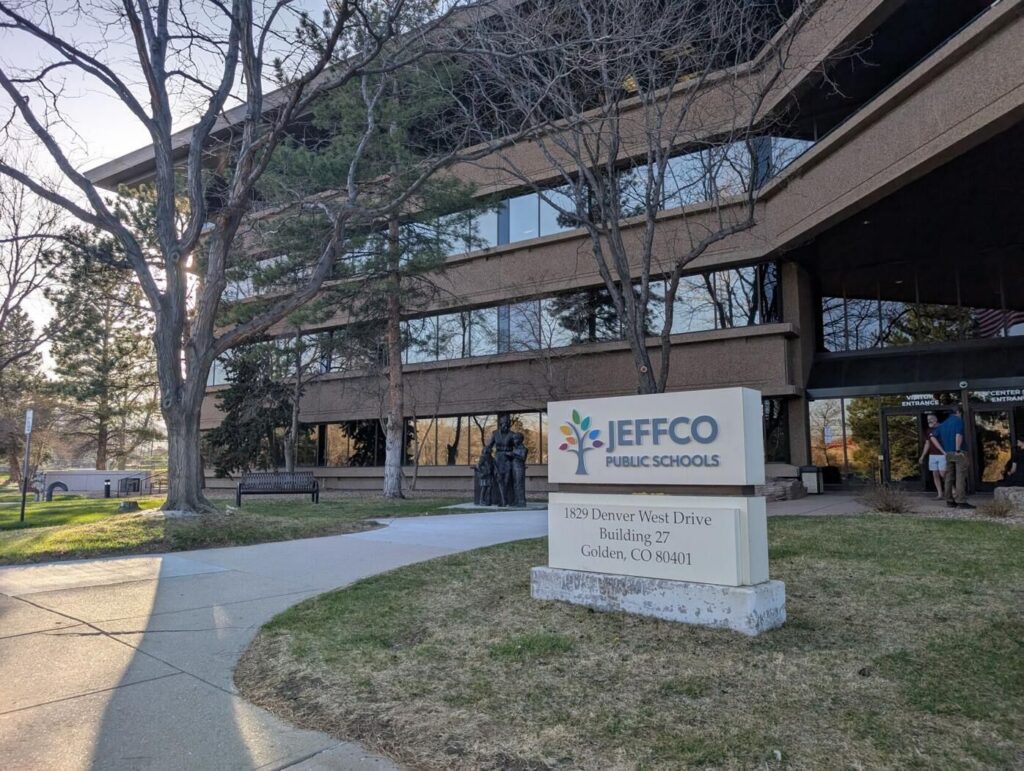
Jeffco Public Schools found in violation of Title IX
Sage Kelley
sage.kelley@denvergazette.com
Updated 1 day ago
Civil rights office: Male students occupy 61 roster positions on girls’ sports teams The U.S. Department of Education announced Friday that the Jeffco Public Schools district violated Title IX by permitting male students to access female bathrooms and compete in...

Senate committee moves forward with Colorado ballot measure to redirect TABOR refunds to schools
Marianne Goodland
marianne.goodland@coloradopolitics.com
Updated 1 day ago
A Senate panel on Thursday voted along party lines to move forward with a bill that would ask voters for permission to eliminate Taxpayer’s Bill of Rights refunds and redirect those dollars to K-12 public education. The 6-3 vote in...
Another TABOR fight: Democrats plan to redirect residents’ refunds to K-12 spending
Marianne Goodland
marianne.goodland@coloradopolitics.com
Updated 5 days ago
Colorado voters could decide this fall whether billions of dollars that would otherwise be returned as refunds under the Taxpayer’s Bill of Rights should instead go to public schools under a ballot measure unveiled Thursday by Democrats. Supporters say the...

Colorado bill aims to launch $1 million ‘Cradle to Career’ program
Marissa Ventrelli
marissa.ventrelli@coloradopolitics.com
Updated 2 weeks ago
Saying it would help Colorado families living in poverty, legislators are proposing to allocate $1 million to organizations that support impoverished communities. Senate Bill 080 — sponsored by Senate President James Coleman, D-Denver, Minority Leader Cleave Simpson, R-Alamosa, and Rep....

Ex-Cherry Creek superintendent must repay one month’s salary after abrupt resignation
Nico Brambila
nico.brambila@denvergazette.com
Updated 2 weeks ago
Former Cherry Creek School District Superintendent Chris Smith must repay one month’s salary for failing to provide the board of education with three-month’s notice of his resignation, The Denver Gazette has learned. The board of education has not waived the...
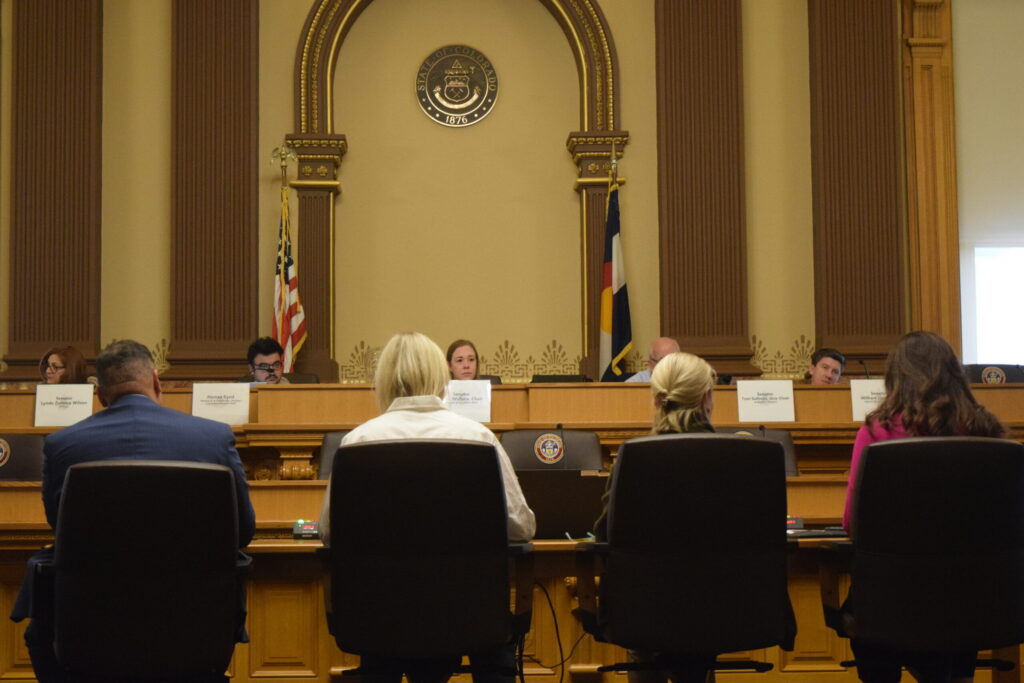
Senate committee kills bill to track education violations
Sage Kelley
sage.kelley@denvergazette.com
Updated 2 weeks ago
A proposed bill following in the wake of multiple Jeffco Public Schools sexual misconduct cases won’t make it to the Senate floor. The Colorado Senate State, Veterans and Military Affairs committee denied proposed Senate Bill 26-055 on Tuesday afternoon with...

Cherry Creek school district to pay ex-superintendent $165K after resignation amid toxic workplace claims
Nico Brambila
nico.brambila@denvergazette.com
Updated 3 weeks ago
The Cherry Creek School District will pay nearly $165,000 to former Superintendent Chris Smith following his resignation last month amid allegations of a toxic workplace. The board of education announced last week that the district is contractually obligated to pay...

Colorado’s ‘first public Christian school’ sues state, alleges discrimination
Eric Young
eric.young@gazette.com
Updated 3 weeks ago
Riverstone Academy, a public elementary school that opened last fall in Pueblo as a tuition-free option with Christian-based instruction, has filed a lawsuit against the state of Colorado over alleged religious discrimination. The lawsuit, filed in U.S. District Court for...

CU Boulder, state launch economic research in coal-transition areas
Scott Weiser
scott.weiser@gazette.com
Updated 1 month ago
Communities in northwest Colorado built on coal mining and power plants are losing hundreds of high-paying jobs and a major share of their tax revenue as operations wind down. In a yearlong effort, the University of Colorado Boulder is teaming...

Several Denver-area school districts cancel classes Friday amid national shutdown
Michael Braithwaite
michael.braithwaite@gazette.com
Updated 1 month ago
The protest is in response to ICE operations Several Denver-area school districts canceled classes on Friday due to staff shortages amid a shutdown campaign nationwide. The shutdown, held across the country on Friday, came about in response to recent U.S....
PREV
PREVIOUS

Sticker shock hits state Capitol over cost of legislative studies | A LOOK BACK
Sixty Years Ago This Week: For the previous year, the Republican majority in the state legislature had been touting the many benefits of conservative fiscal policies, but reporters uncovered a spending spree on the production and publication of several legislative studies that had many in the public policy community questioning their necessity. It turned out that […]
House Republicans call for state budget bill to be brought back to fix 'unconstitutional' error
Read it at length. It’s the four words that more than a few people at the state Capitol are probably a little tired of hearing. It’s been invoked countless times in the past, but no more than in the 2023 legislation session, and most often, in the House. It’s also the last of the tools […]