

A Colorado CEO dares to challenge ESG | DUFFY
Move over CRT.
The latest hot-button three-letter acronym sparking political debate is ESG – short for the progressive push to ensure companies embrace environmental, social and corporate governance metrics. It’s a way to embed subjective woke politics into how investors evaluate the health of companies. One Colorado CEO is sounding the alarm bell ESG will have dire consequences for people and nations its advocates claim to defend.
ESG has become a divisive rallying cry across the political spectrum, with competing camps setting up their tents on the left and right banks of the River Woke.
What both sides agree on is ESG adds progressive metrics such as climate change and social justice issues to the factors major investors, including state pension funds like Colorado PERA, use to evaluate companies. Progressives assert only through a top-down push to get companies to embrace woke policies can companies truly do their part to create a more just, equitable and healthier planet.
A central focus is addressing climate change through an aggressive attack on fossil fuels, with hydrocarbons being Global Public Enemy Number One.
But does the “E” in ESG really spark the utopian improvements it promises, or is it a feel-good gesture by progressive elites that will have life-threatening effects around the globe, particularly in poor and developing countries?
Enter Chris Wright, chairman and CEO of Colorado-based Liberty Energy. Wright is passionate about the ability of hydrocarbons – the molecule liberals love to hate – to be a central catalyst in human flourishing, not just now but stretching back into the mid-19th century.
Wright’s message is we need to remove the ideological rose-colored glasses and look at the real-world practical impact of ESG policies. He shared his critique at a recent Colorado Business Roundtable next to a nationally prominent ESG advocate.
It’s not the “return on investment” that’s the biggest concern, or, frankly, the most persuasive and eye opening. It’s how waging war on hydrocarbon fuels worsens global poverty and damages public health.
“A myopic focus on climate change that simply drives up energy prices and exports jobs and opportunity is bad,” Wright told me the other day. “Bad for quality of life, bad for economic activity and bad for climate progress. All things belong in proper perspective, and with today’s ESG movement that proper perspective is nonexistent.”
Liberty published a powerful, unapologetic and winsome ESG report called “Bettering Human Lives” that goes into deep detail.
While elites want to take a flamethrower to your gas-powered stove, for entire sections of the globe the only available heating and cooking fuel is dung, charcoal, agricultural waste, or wood.
As the Liberty report states: “Simply for lack of access to a basic stove and a (propane) canister, over three million people die every year from the resulting indoor air pollution.” The transition from solid fuels to liquid fuels – such as propane – or electricity or natural gas would save millions of additional lives by reducing outdoor air pollution as well, according to the World Health Organization (WHO).
So the carbon-based fuel targeted by the ESG crowd addresses the “E” (cleaner environment) and “S” (reducing poverty, and improving public health in developing countries). But this good news doesn’t fit in the ideological silos of the ESG elites.
Wright appeared alongside a vice president from BlackRock, the massive global investment firm that is the driving force in the ESG narrative and ESG-focused investing. As with most debates, you learn more by the topics speakers avoid.
Directly addressing Wright’s assertions about hydrocarbon-based fuels being foundational to human flourishing would have pulled him way off his very well-crafted talking points. Just as with Critical Race Theory (CRT), ESG advocates claim criticisms are overblown, and critics are just uninformed. ESG is just an innocuous set of metrics that help guide decision making, he said ignoring the many raised eyebrows in the audience.
What didn’t the BlackRock executive address? Wright’s specific and documented charges about what he calls “energy poverty” and the 2 billion people around the globe who lack access to modern energy and clean cooking fuel – including 80% of Africans. Fuel made from hydrocarbons.
Talk about “an inconvenient truth.”
It’s far easier to spout platitudes and paper over problems, literally. ESG advocates would rather force companies to file endless reports chock full of self-congratulatory statistics to demonstrate their fealty to the world of woke.
That’s simpler than the ESG crowd getting boots on the ground to address global poverty. There are few places to park the private jet near villages cooking dinner with dung.
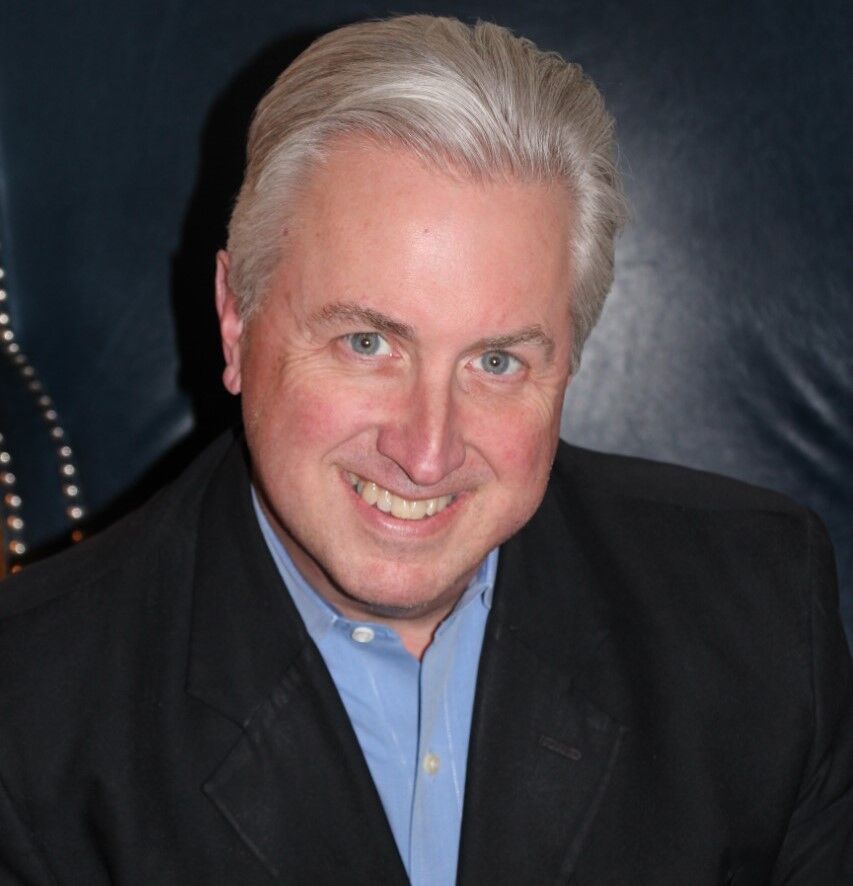
Sean Duffy, a former deputy chief of staff to Gov. Bill Owens, is a communications and media relations strategist and ghostwriter based in the Denver area.


Add Lynn Bartels to Colorado’s roll call of legends | Dick Wadhams
Dick Wadhams
dick-wadhams@coloradopolitics.com
Updated 21 hours ago
A few weeks after the Rocky Mountain News shut its doors forever in 2009, more than 600 Republicans gathered for the state party’s annual Centennial Dinner. Lamenting the historic significance of the loss of one of Colorado’s great daily newspapers,...

Conservation efforts emphasize the lesser prairie chicken | Rachel Gabel
Rachel Gabel
rachel-gabel@coloradopolitics.com
Updated 21 hours ago
Reid DeWalt, deputy director of Colorado Parks and Wildlife, spoke to the Water Resources and Agriculture Review Committee about the Lesser Prairie Chicken and moving conservation forward. He said in 2026, CPW staff counted 77 males on 13 leks, a...

Colorado’s regulations should address policy challenges only as truly needed | Miller Hudson
Miller Hudson
miller-hudson@coloradopolitics.com
Updated 19 hours ago
As Colorado approaches its 150th birthday, we should remember its first 100 years were characterized by repeated boom-and-bust economic cycles. Dependence on mineral extraction and agricultural commodity prices was subject to the volatility of these markets. In 1972, as I...
The last, best hope for the Colorado GOP | Kelly Sloan
Kelly Sloan
kelly-sloan@coloradopolitics.com
Updated 19 hours ago
If the Colorado Republican Party desires to retain any relevancy, let alone wrest back any of the levers of political control in the state, it needs to elect Barb Kirkmeyer in the June 30 primary. To be sure, Kirkmeyer would...

Understanding Trump’s remarkable political comeback in 2024 | Cronin and Loevy
Tom Cronin Bob Loevy
tom-cronin-bob-loevy@coloradopolitics.com
Updated 21 hours ago
President Donald Trump lost the 2020 presidential election. He inspired a riot at the U.S. Capitol to try to overthrow the results of that election. He was impeached by the U.S. House of Representatives and later was indicted for several...

Read Michener’s ‘Centennial’ | Jon Caldara
Jon Caldara
jon-caldara@coloradopolitics.com
Updated 4 days ago
If you’ve been reading my columns, you’ve noticed I’m basically illiterate. I blame my dyslexia and public education, but my Olympic-level laziness could be the driving factor. Anyway, I basically can’t read (and, still, I graduated from CU Boulder, so...
Giving credit to Polis where credit is due | SONDERMANN
Eric Sondermann
eric-sondermann@coloradopolitics.com
Updated 5 days ago
It is an understatement to suggest that Gov. Jared Polis has had a tough couple of months. The bloom was already off the rose and Coloradans were paying far more attention to the choice of his replacement than they were...
Will one unqualified AG replace another? | George Brauchler
George Brauchler
george-brauchler@gazette.com
Updated 4 days ago
Colorado Democrats are poised to nominate another attorney general candidate with de minimis relevant credentials or experience. Far from disqualifying, Colorado’s recent voting history mirrors that of America in favoring biography over experience, partisanship over policy, and emphasizing what divides...
Pueblo’s mayor keeps stirring the pot | Dennis Maes
Dennis Maes
dennis-maes@coloradopolitics.com
Updated 4 days ago
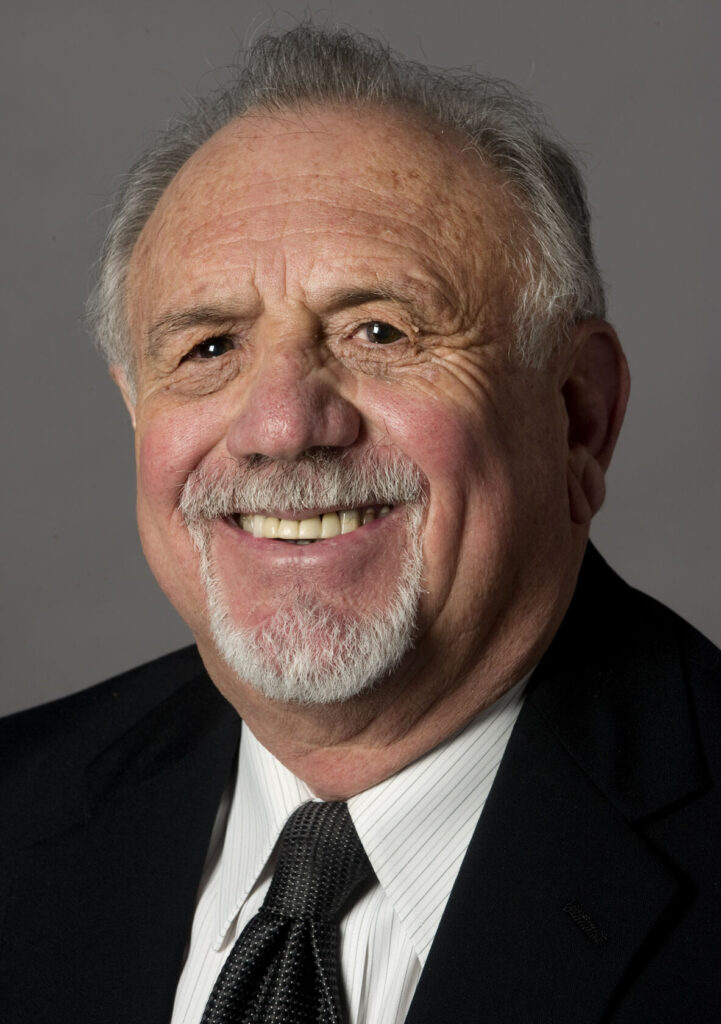
Pueblo Mayor, Heather Graham, has clearly proven to be a disciple of the Donald Trump school of governance. And, like her mentor, she is experiencing the same catastrophic results. The format is to ignore what the electorate approved and expects...
The perils of Colorado’s unregulated abortions | GUEST COLUMN
Colorado Politics
colorado-politics@coloradopolitics.com
Updated 4 days ago
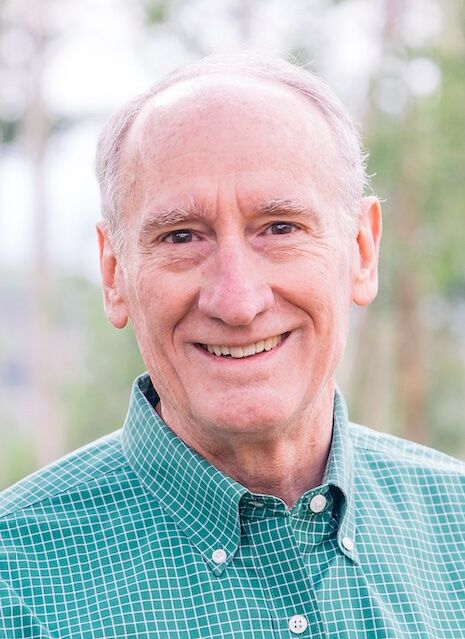
By Tom Perille How did the movement which grew out of a genuine concern for the health and safety of women become the same movement that undermines women’s health and safety today? Despite good intentions, it was a long route...
PREV
PREVIOUS

Morning musings | BIDLACK
Hal Bidlack If there is one thing my long-suffering editor really enjoys, it is when I write a firm and clear column, focused on an issue that impacts Colorado politics and the folks who live here in our wonderful Centennial State (Editor: yes! Exactly!). So, of course, I’m not going to do that today. Instead, […]

Denverites deserve results, not virtue signaling | COUNTERPOINT
Sage Naumann If you’re unlucky enough to be elected as the mayor of a large American city in this day and age, there’s only one thing that comes close to a guarantee: your first day in office will most likely mark the high point of your popularity. I’m honestly surprised Mike Rowe hasn’t thrown on […]