

Second District 7 debate: Candidates pitch themselves to residents

A sampling of Denver’s deep diversity was on full display during the second debate among candidates for “lucky” Denver City Council District 7.
Flor Alvidrez, Nick Campion, Adam Estroff, Arthur May and Guy Padgett were asked a series of questions about issues facing the district and the city as a whole.
Rather than a traditional debate, similar to District 9’s Tuesday night, the District 7 debate was more of a pitch meeting. Candidates were asked for their position on a certain issue and how they would respond to it. They were not officially given a chance to respond to previous comments – but that did not stop them from doing so.
One question asked the candidates: How they would address climate change at a local level through policies and investments?
Arthur May said January never rose above 60 degrees, and argued against increased densification, referencing the heat island effect.
Estroff acknowledged the heat island, but also highlighted work Councilman Jolon Clark has done to address it. Specifically, he called out E-bike rebates and pointed to an effort to add more trees and soil in the district.
“These kinds of small interventions are important for ensuring that we can combat the heat island effect and make sure our city remains resilient and livable,” Estroff said.
Unsurprisingly, the conversation steered itself towards housing, affordability and homelessness. The trio of subjects are issues the City of Denver – and many other parts of the state – have struggled to address in recent years.
Padgett believes housing affordability is an essential issue that everyone should be talking about. He supports accessory dwelling units (ADU) and smart development that is dense, especially around transit hubs.
“Transit oriented development is a great way to add density and add housing where it doesn’t overtax existing infrastructure,” Padgett said. “Additionally, I believe that we should majorly liberalize the use of ADUs in our city.”
Alvidrez took a different approach to housing issues, arguing instead the city should focus on avoiding displacing existing residents. Parts of District 7 lie in Denver’s “inverted L,” an area of historic underinvestment and inequity, according to published reports.
“When you have a small, humble single family home and someone tears down the house next door to build a million dollar townhome… That’s when it starts to be a concern,” Alvidrez said. “That’s when you don’t really feel welcome in your neighborhood anymore.”
During a rapid-fire “lightning round,” all of the candidates were asked to respond “yes” or “no” to a certain issue. They mostly played by the rules. A majority, three, supported homeless sweeps. One, Campion, did not.
“We can only sweep them if we have somewhere to take them,” Alvidrez said.
Towards the end of the debate, audience members asked the candidates questions directly. The first held no punches when an attendee asked why District 7 voters should vote for “another white guy,” who they say have been well represented in Denver politics for quite some time.
Padget protested the claim, respectfully bringing attention to the nuance of minority.
“I would disagree with you that gay men have been represented in our city politics, in fact, I think they’ve been severely underrepresented,” he said. “That’s one reason I believe that I make a good representative for the city, I am a member of a minority and I know what it’s like to be treated as a member of a minority.”







Colorado senators hold heated debate on latest immigration bill
Marianne Goodland
marianne.goodland@coloradopolitics.com
Updated 3 hours ago
A bill that would allow individuals who get injured during an immigration action to sue federal agents in state court won preliminary approval from the Colorado Senate on Monday. The bill would permit a “cause of action” by such individuals...

Trump pulls endorsement from Jeff Hurd over tariffs, backs Colorado Republican’s primary challenger
Ernest Luning
ernest.luning@coloradopolitics.com
Updated 3 hours ago
President Donald Trump on Saturday rescinded his endorsement of U.S. Rep. Jeff Hurd and threw his support behind the Colorado Republican’s primary challenger, Hope Scheppelman, citing the first-term incumbent’s “lack of support” for the administration’s tariff policy. The move comes...
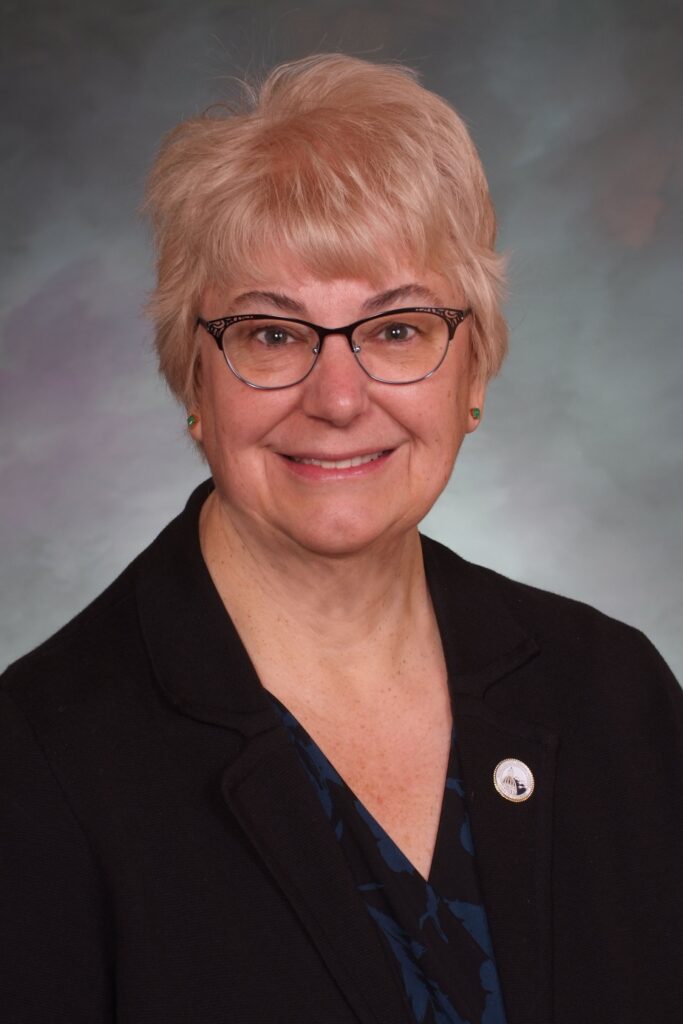
Colorado Senate Democrats choose Sen. Cathy Kipp as president pro tempore
Marianne Goodland
marianne.goodland@coloradopolitics.com
Updated 17 hours ago
Senate Democrats on Monday elected Sen. Cathy Kipp, D-Fort Collins, as the next president pro tempore. Kipp replaced former Sen. Dafna Michaelson Jenet, D-Commerce City, who resigned her seat earlier this month. Kipp faced off against Sen. Tony Exum, D-Colorado...
Divided appeals court reverses murder convictions due to faulty self-defense instruction
Michael Karlik
michael.karlik@coloradopolitics.com
Updated 18 hours ago
Colorado’s second-highest court concluded last week that an incomplete self-defense instruction required the reversal of an El Paso County defendant’s murder convictions. Demetrius Montez Martin was among those present late at night at a club in Colorado Springs. An argument...
With deadline looming, Colorado House Ethics Committee narrows case against Rep. Ron Weinberg
Marianne Goodland
marianne.goodland@coloradopolitics.com
Updated 18 hours ago
With a Wednesday deadline to vote on seven ethics allegations against Rep. Ron Weinberg, R-Loveland, the Colorado House Ethics Committee signaled that it is poised to dismiss most of the claims, including campaign finance, conduct and firearm-related accusations, while focusing...
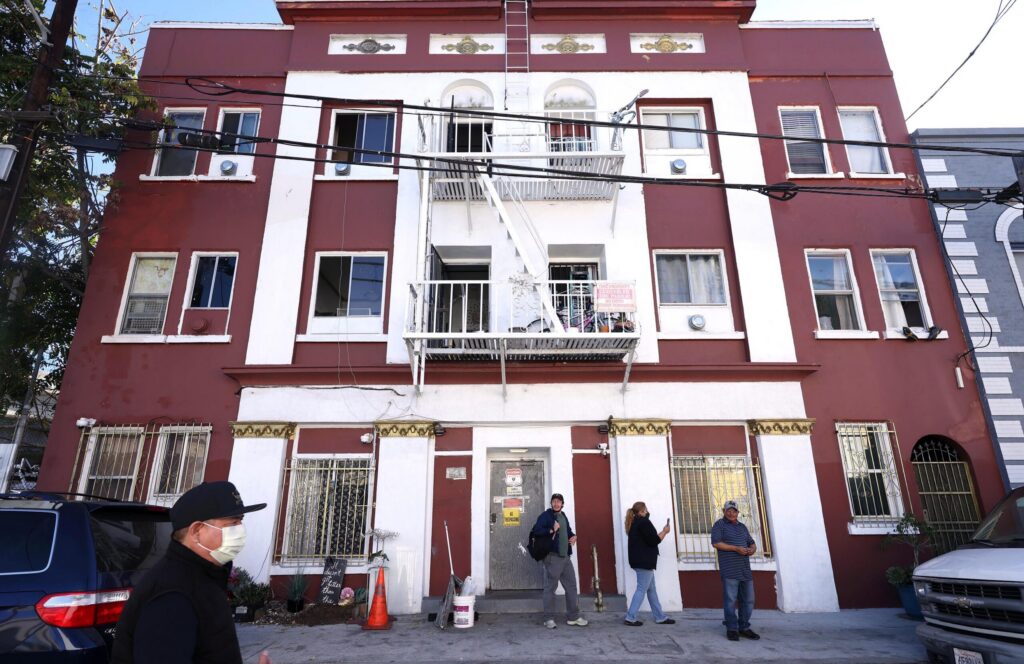
Democratic lawmakers propose changes to landlord-tenant laws in Colorado | Bills in Brief
Marissa Ventrelli
marissa.ventrelli@coloradopolitics.com
Updated 19 hours ago
Colorado lawmakers introduce hundreds of bills each year. Bills in brief cuts through the noise by explaining which proposals matter, what’s at stake, and how decisions at the Capitol could affect everyday life across the state. House Bill 1013, sponsored by Reps....
Colorado colleges must conduct wellness check if a student is reported missing under proposal
Marissa Ventrelli
marissa.ventrelli@coloradopolitics.com
Updated 16 hours ago
Spurred by the deaths of two young adults last year, a group of Colorado lawmakers is pushing legislation to require colleges to conduct wellness checks within six hours of a missing student report. The measure would also mandate statewide law...
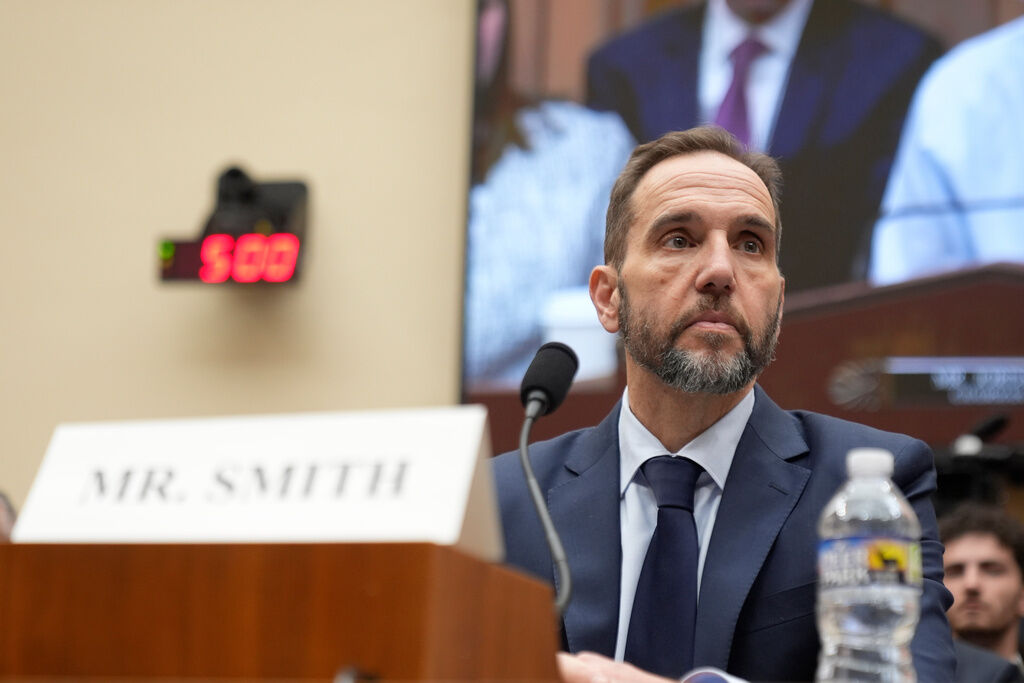
Judge permanently blocks release of Trump classified documents report
Kaelan Deese, Washington Examiner
kaelan.deese.washington.examiner@gazetteedit.wpenginepowered.com
Updated 15 hours ago
A federal judge permanently barred the Justice Department on Monday from releasing the portion of former special counsel Jack Smith’s final report detailing his investigation into President Donald Trump’s handling of classified documents, delivering a sharp rebuke of the prosecutor’s...
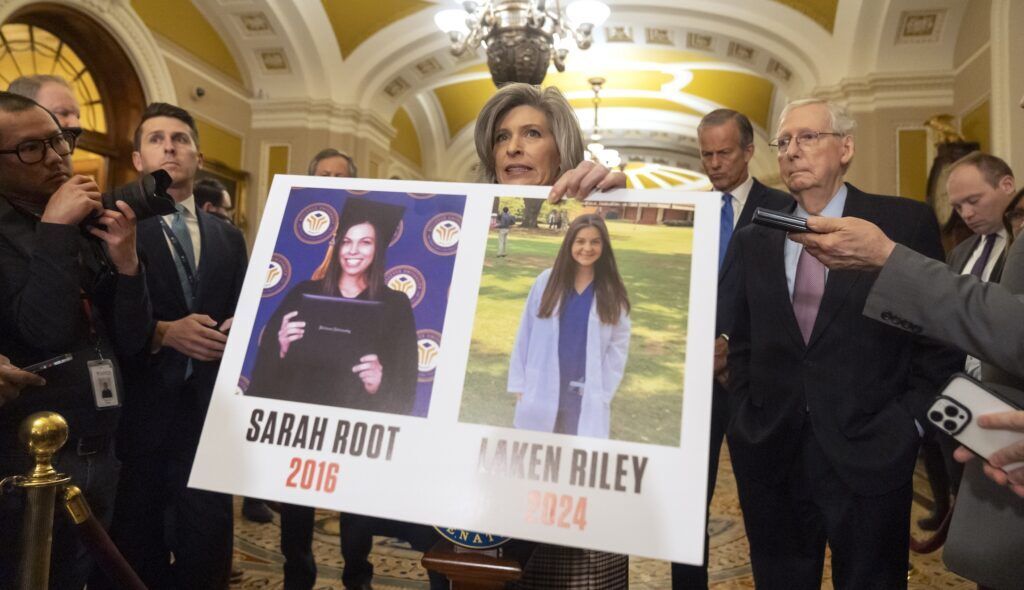
Trump declares National Angel Family Day for illegal immigrants’ victims
Mabinty Quarshie, Washington Examiner
mabinty.quarshie.washington.examiner@gazetteedit.wpenginepowered.com
Updated 20 hours ago
President Donald Trump on Monday designated Feb. 22 as National Angel Family Day in honor of 62 people who were killed by illegal immigrants and two others who survived attacks. Trump signed a proclamation making the designation official at an...
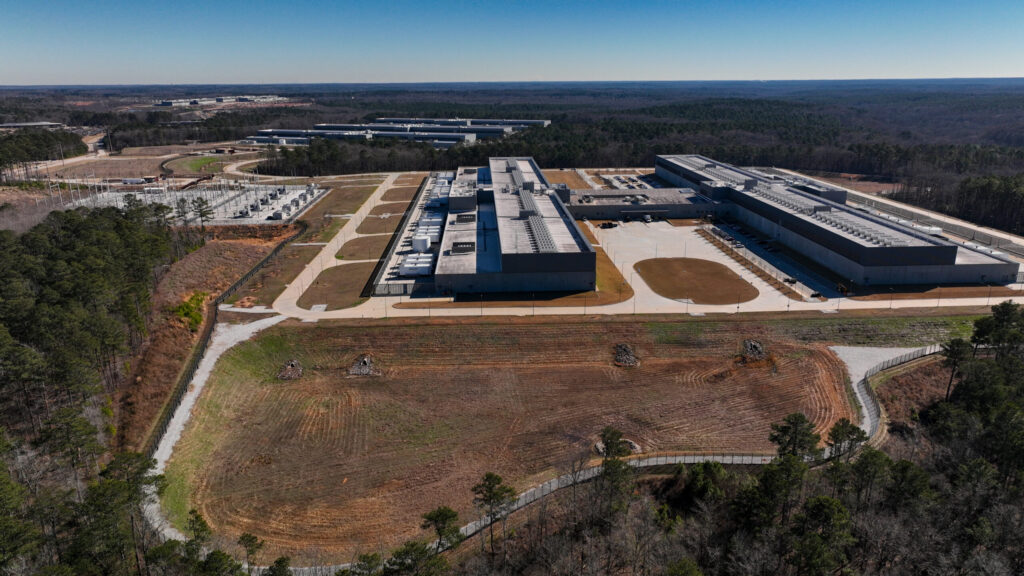
Colorado lawmakers mull competing bills on data centers
Scott Weiser
scott.weiser@gazette.com
Updated 3 hours ago
A Colorado coalition of data center developers and operators is urging lawmakers to pass a proposal that offers tax breaks to attract large facilities, while calling a competing bill a major obstacle to new investment. Meanwhile, proponents of the latter...
PREV
PREVIOUS

Jim Snook, last Republican to represent the San Luis Valley in Colorado state House, dies at 83
Former Rep. Jim Irvin Snook of Alamosa, the last Republican to represent the San Luis Valley in the state House, died January 31 in Colorado Springs. He was 83. Snook served in the Colorado House in the 2001-2002 sessions. He lost the 2002 election to Democrat John Salazar of Manassa, who later went on to […]

Colorado Senate Republicans question additional dollars for corrections
The Colorado Senate on Thursday quickly moved through most of the 2022-23 mid-year budget adjustments for state agencies, giving most a final chamber green-light and sending them on to the House. But the supplemental for the Department of Corrections, which seeks a substantial addition of $20.3 million, raised questions for lawmakers on both sides of […]