

Bradfield backs bill to let psychologists prescribe medications | FOCUS ON THE SPRINGS

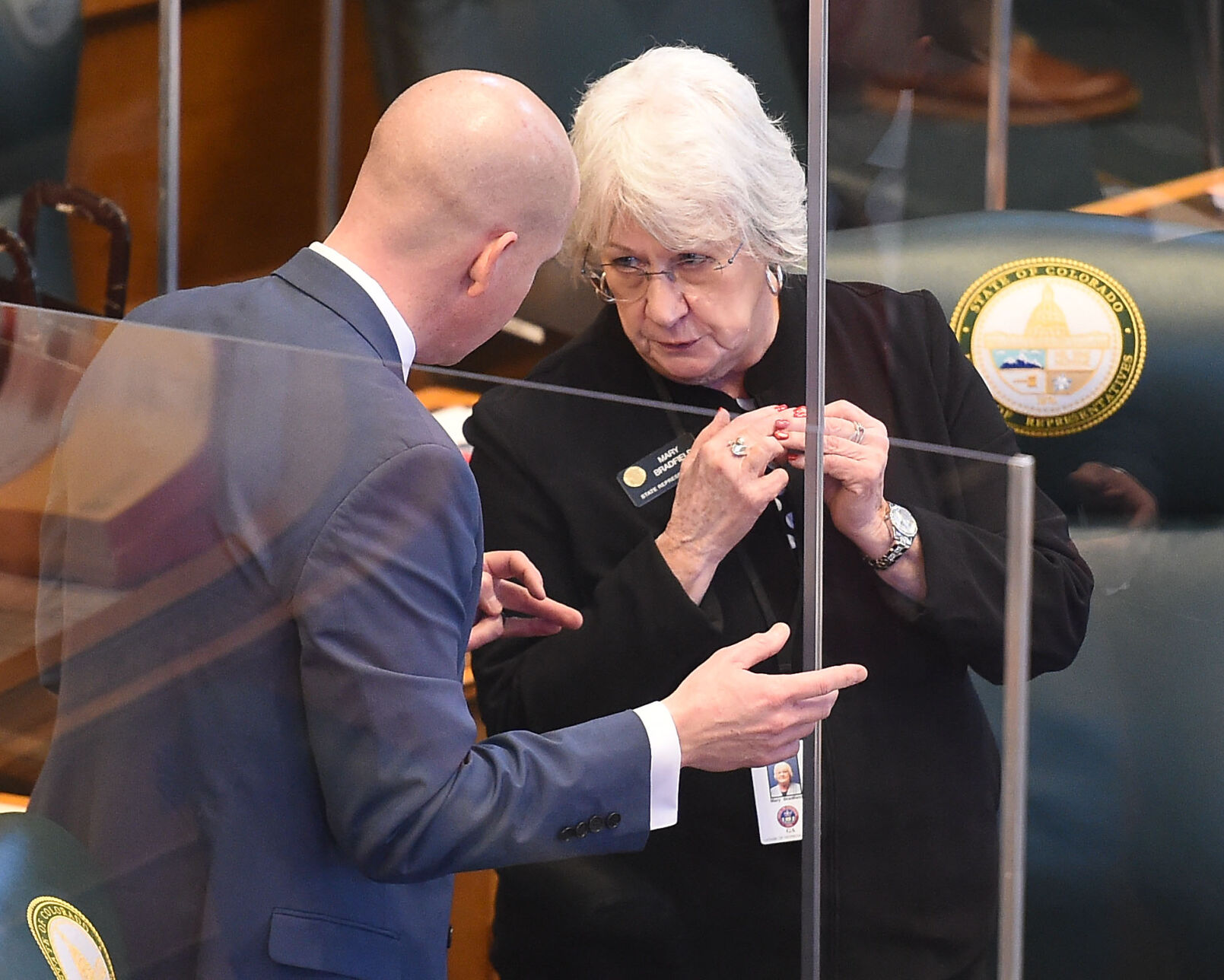
The more than 3,000 psychologists operating in Colorado could soon be able to prescribe mental health medications to patients – if a bill from Colorado Springs’ Rep. Mary Bradfield is passed into law.
Currently, if a psychologist providing therapy or counseling decides their patient needs medication such as antidepressants, they must refer the patient to a psychiatrist or medical doctor to get a prescription. But due to a lack of prescribers in Colorado, Bradfield said this process can take months to complete and delays necessary care for people who are struggling.
House Bill 1071 would let a licensed psychologist prescribe and administer psychotropic medications if they complete additional education and are certified by the state’s Board of Psychologist Examiners.
“I want to see Colorado have accessible mental and behavioral health,” Bradfield said. “This is not a quick fix. It does not make Colorado healthier tomorrow or next month. But it can be another tool in the toolbox for anybody who has behavioral or mental health problems and has had trouble getting in to see a psychiatrist.”
This effort comes as the 2022 State of Mental Health in America report ranked Colorado as the worst state in the country for adult mental health. The year before, Children’s Hospital Colorado declared a state of emergency for youth mental health, as suicide became the leading cause of death for Colorado kids ages 14 to 19.
Bradfield, a Republican, is sponsoring the bill with Boulder Democrat Rep. Judy Amabile, along with another Republican/Democrat pair in the Senate. But despite the bipartisan support, the mental health community is divided on the bill.
Opponents have raised concerns about allowing non-medically trained psychologists to prescribe medications, saying they do not understand how medications impact the body or how physical illnesses can manifest as mental health issues.
“There are many medical considerations for prescribing and treating a child on powerful psychiatric medications – weight, blood pressure, metabolic panels, organ systems, side effects and interactions with other medications, to name a few,” said Dr. Cassie Littler, president of the American Academy of Pediatrics Colorado Chapter. “Even with the training requirements listed in the bill, a prescribing psychologist would be the least-trained professional with prescriptive authority in Colorado.”
Under the bill, a psychologist could apply for conditional certification if they, in part, have a doctorate in psychology, a master’s degree in clinical psychopharmacology, pass the national psychopharmacology exam and hold professional liability insurance.
Psychologists would hold conditional certification for two years, during which time they could only prescribe and administer medications under the supervision of a physician or nurse. After two years, the psychologist could apply for full certification and work without supervision, so long as they maintain their license, their insurance and complete at least 20 hours of continuing education annually.
Supporters of the bill point out the two-year supervision period for prescribing psychologists – as well as the permanent requirement that they inform a patient’s primary care doctor of what is being prescribed – as making the program safe.
“This partnership between psychologists and other prescribers is a comprehensive approach to patient care that treats both emotional and physiological conditions together instead of in a silo,” said Kyle Piccola with Healthier Colorado. “Coloradans deserve life-saving mental health medications without delay, and psychologists can be added to the care team to ensure they have access.”
Psychologists can already prescribe mental health medication in five states – New Mexico, Louisiana, Illinois, Iowa and Idaho – as well as in the U.S. military.
In New Mexico and Louisiana, deaths by suicide were reduced by between 5% and 7% since psychologists were granted prescriptive authority, according to Healthier Colorado.
“Colorado is in the middle of the worst mental health crisis because we are failing people with mental health and emotional conditions by not having enough providers,” said Dr. Jin Lee, a pediatric psychologist and chair of the Colorado prescriptive authority task force. “Prescribing psychologists are valuable resources for patients and the medical team because they work as an integrated team.”
Other organizations backing the bill are the Colorado Psychological Association, National Association of Social Workers, One Colorado, Boulder County and Envision: You.
Groups in opposition to the bill include the Colorado Medical Society, Colorado Psychiatric Society, Colorado Radiological Society, Colorado Society of Anesthesiologists and Kaiser Permanente.
The Colorado Psychiatric Society maintains that the bill is unsafe and argues that it wouldn’t have the desired effect of increasing prescribers, claiming that fewer than 250 psychologists throughout the entire country have been issued licenses to prescribe with current psychologist prescribing laws in effect in five other states.
“Allowing psychologists to prescribe powerful psychotropics will not increase access and is not a viable solution,” said Anna Weaver, executive director of the Colorado Psychiatric Society. “Investing in programs that truly expand access, integrate care, and do not compromise patient safety is the right solution to address our crisis.”
Dr. Patrick Pevoto, president of the Colorado Medical Society, agreed, calling granting psychologists prescriptive authority “lowering the standard of care” and “increasing the focus on medicating adults and children.”
However, Bradfield said the current system is simply not working for the Coloradans who are struggling with mental and behavioral health issues.
“I understand where the pushback is coming from. I get it. Prescribers have worked very hard and spent many years working to get their degree and to be licensed to practice … but there aren’t enough of them,” Bradfield said. “There just aren’t enough. We need to do something in this state to improve the access to care.”


Colorado senators hold heated debate on latest immigration bill
Marianne Goodland
marianne.goodland@coloradopolitics.com
Updated 12 hours ago
A bill that would allow individuals who get injured during an immigration action to sue federal agents in state court won preliminary approval from the Colorado Senate on Monday. The bill would permit a “cause of action” by such individuals...

Trump pulls endorsement from Jeff Hurd over tariffs, backs Colorado Republican’s primary challenger
Ernest Luning
ernest.luning@coloradopolitics.com
Updated 11 hours ago
President Donald Trump on Saturday rescinded his endorsement of U.S. Rep. Jeff Hurd and threw his support behind the Colorado Republican’s primary challenger, Hope Scheppelman, citing the first-term incumbent’s “lack of support” for the administration’s tariff policy. The move comes...
Colorado Senate Democrats choose Sen. Cathy Kipp as president pro tempore
Marianne Goodland
marianne.goodland@coloradopolitics.com
Updated 14 hours ago
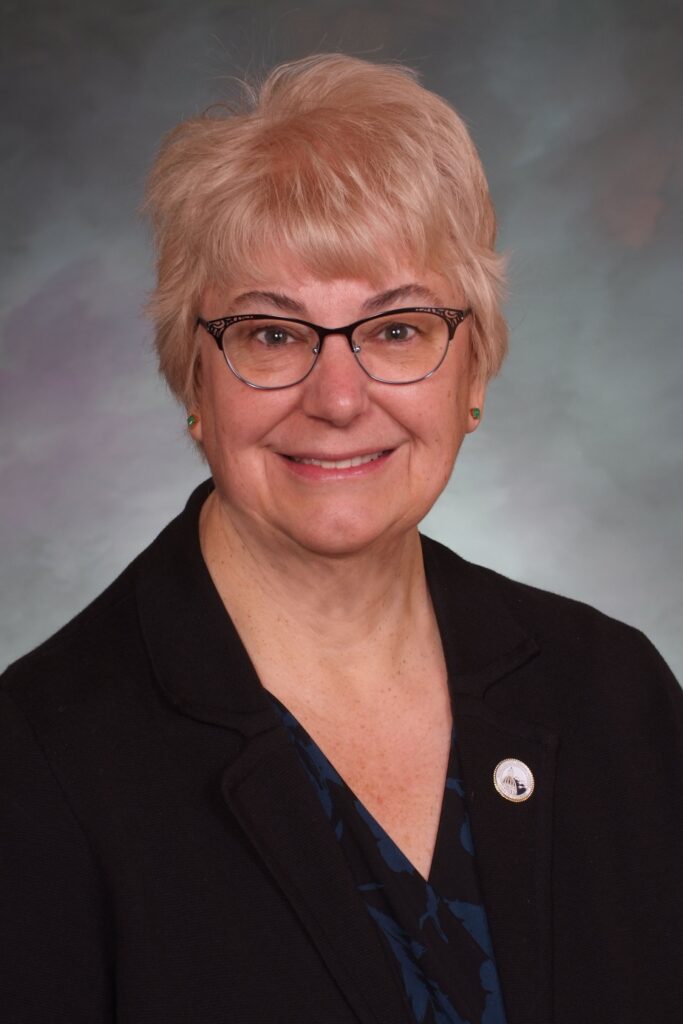
Senate Democrats on Monday elected Sen. Cathy Kipp, D-Fort Collins, as the next president pro tempore. Kipp replaced former Sen. Dafna Michaelson Jenet, D-Commerce City, who resigned her seat earlier this month. Kipp faced off against Sen. Tony Exum, D-Colorado...
Divided appeals court reverses murder convictions due to faulty self-defense instruction
Michael Karlik
michael.karlik@coloradopolitics.com
Updated 15 hours ago
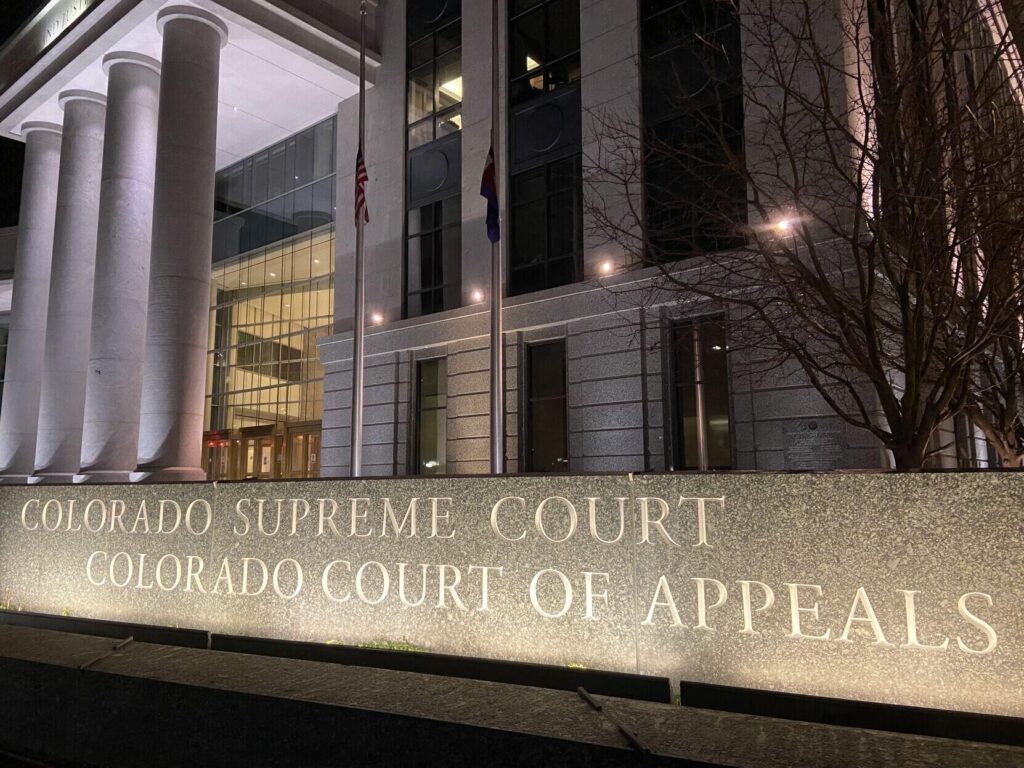
Colorado’s second-highest court concluded last week that an incomplete self-defense instruction required the reversal of an El Paso County defendant’s murder convictions. Demetrius Montez Martin was among those present late at night at a club in Colorado Springs. An argument...
With deadline looming, Colorado House Ethics Committee narrows case against Rep. Ron Weinberg
Marianne Goodland
marianne.goodland@coloradopolitics.com
Updated 15 hours ago
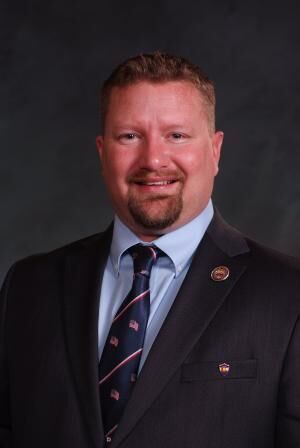
With a Wednesday deadline to vote on seven ethics allegations against Rep. Ron Weinberg, R-Loveland, the Colorado House Ethics Committee signaled that it is poised to dismiss most of the claims, including campaign finance, conduct and firearm-related accusations, while focusing...

Democratic lawmakers propose changes to landlord-tenant laws in Colorado | Bills in Brief
Marissa Ventrelli
marissa.ventrelli@coloradopolitics.com
Updated 16 hours ago
Colorado lawmakers introduce hundreds of bills each year. Bills in brief cuts through the noise by explaining which proposals matter, what’s at stake, and how decisions at the Capitol could affect everyday life across the state. House Bill 1013, sponsored by Reps....

Colorado colleges must conduct wellness check if a student is reported missing under proposal
Marissa Ventrelli
marissa.ventrelli@coloradopolitics.com
Updated 13 hours ago
Spurred by the deaths of two young adults last year, a group of Colorado lawmakers is pushing legislation to require colleges to conduct wellness checks within six hours of a missing student report. The measure would also mandate statewide law...
Judge permanently blocks release of Trump classified documents report
Kaelan Deese, Washington Examiner
kaelan.deese.washington.examiner@gazetteedit.wpenginepowered.com
Updated 12 hours ago
A federal judge permanently barred the Justice Department on Monday from releasing the portion of former special counsel Jack Smith’s final report detailing his investigation into President Donald Trump’s handling of classified documents, delivering a sharp rebuke of the prosecutor’s...
Trump declares National Angel Family Day for illegal immigrants’ victims
Mabinty Quarshie, Washington Examiner
mabinty.quarshie.washington.examiner@gazetteedit.wpenginepowered.com
Updated 17 hours ago
President Donald Trump on Monday designated Feb. 22 as National Angel Family Day in honor of 62 people who were killed by illegal immigrants and two others who survived attacks. Trump signed a proclamation making the designation official at an...

Colorado lawmakers mull competing bills on data centers
Scott Weiser
scott.weiser@gazette.com
Updated 11 hours ago
A Colorado coalition of data center developers and operators is urging lawmakers to pass a proposal that offers tax breaks to attract large facilities, while calling a competing bill a major obstacle to new investment. Meanwhile, proponents of the latter...
PREV
PREVIOUS

U.S. House panel to vote next month on possible TikTok ban
WASHINGTON (Reuters) -The House Foreign Affairs Committee plans to hold a vote next month on a bill aimed at blocking the use of China’s popular social media app TikTok in the United States, the committee confirmed on Friday. The measure, planned by the panel’s chair Representative Michael McCaul, a Republican, would aim to give the […]

Top Big Tech critic snubbed for key House panel in setback to GOP antitrust hopes
House Republicans are set to hand libertarian Rep. Thomas Massie (R-KY) the gavel for the subcommittee responsible for antitrust, a snub to one of Republicans’ most vocal Big Tech critics and a sign the conference will try to steer clear of major clashes with Silicon Valley. Top Republican Big Tech critic Ken Buck (R-CO) was […]