

Whisky is for drinking, water is for fighting | GABEL
The Republican River Basin, part of the Ogallala Aquifer, has allowed irrigated agriculture to serve as the lifeblood of small communities in eastern Colorado for decades. When wells began pumping in the 1950s and 1960s, pivot sprinklers slowly crawled across fields and crops were grown that would flounder without the water. The harvests funded families, schools, rural firehouses and allowed farm and ranch families to do more than simply survive. Farming and ranching are, after all, businesses and businesses have to be profitable.
Few new irrigation well permits have been issued by the state since the 1970s, and irrigated farm ground remains significantly more valuable than dryland. This translates not only into higher yields and more profit at harvest, but also more taxes paid to the various entities that benefit from those dollars.
The Republican River Water Conservation District is the organization ensuring that Colorado is compliant with the Republican River Compact, an agreement between Colorado, Kansas and Nebraska that ensures a certain amount of water flows over the state line. I’ve said before whisky is for drinking, and water is for fighting and I’m still not exaggerating. The lawsuits tossed back and forth between the three states have been numerous and contentious. However, the end goal for all involved is to remain compliant and to keep irrigation water in the communities affected, no matter the zip code. There are young people in every one of these communities who are planning to return to the farm or ranch and join the family business. When feeding consumers is the family business, it is in everyone’s best interest to preserve farms and ranches and keep the food, fuel and fiber flowing.
The District has been at work to remain in compliance with the Compact by incentivizing landowners within the South Fork Focus Zone to retire their irrigation wells permanently. About 66% of the necessary acres in the zone have been retired thus far to meet the 2024 10,000 acre requirement, but another 15,000 acres are still needed by 2029. The District has raised its rates for all users to help fund efforts, and the state has allocated – for the first time – $30 million to the RRWCR for the zone-acre retirement projects in the basin. No one in the basin has been exempted from doing their part.
The state owns about 800 irrigated acres in the Focus Zone. Colorado Parks and Wildlife and the State Land Board both own acres in the area, all irrigated and farmed by local lessees. It appears that the lessee, rather than the owner of the potentially dried acres, would likely receive all or a portion of the financial incentives if the wells were retired. Though the lessee might possibly be farming dryland acres, the blow could be softened by the dollars. According to reporting by Rae Solomon for KUNC, neither state agency has any plans to retire their wells. What is it they say about what is good for the goose is good for the gander?
There is certainly a sense of urgency in finding wells to retire in the zone, and there is a great deal of uncertainty, which was communicated by state engineer Kevin Rein in a 2021 letter to the District. Rein, and his predecessors, have been friends of the RRWCD. In his letter, he reiterated that violating the compact puts Colorado subject to litigation by Kansas and Nebraska, and Colorado could be forced to curtail significant, or even all, irrigation in the basin. Rein can’t possibly know what Kansas or Nebraska might demand if Colorado is not compliant, but the likelihood of economic devastation is very real.
The job of CPW and the State Land Board is to manage their holdings to maximize the returns, be it for wildlife or, in the case of the State Land Board, for school districts. If the state is looking for a return on investment that will pay exponentially, it is retiring the wells on their 800-some acres and allowing the lessee to accept the financial incentives and continue to utilize the ground under the options set forward by the chosen retirement contracts.
If the state stands back and watches wells slam shut and doesn’t play their part in the solution, they’ll suffer far more than the bit of rent they could lose from those acres. The state and agriculture have been locking horns throughout the Polis Administration’s run and they couldn’t buy the kind of press this gesture would mean to agriculture. That’s a lot of goodwill yielded per acre.
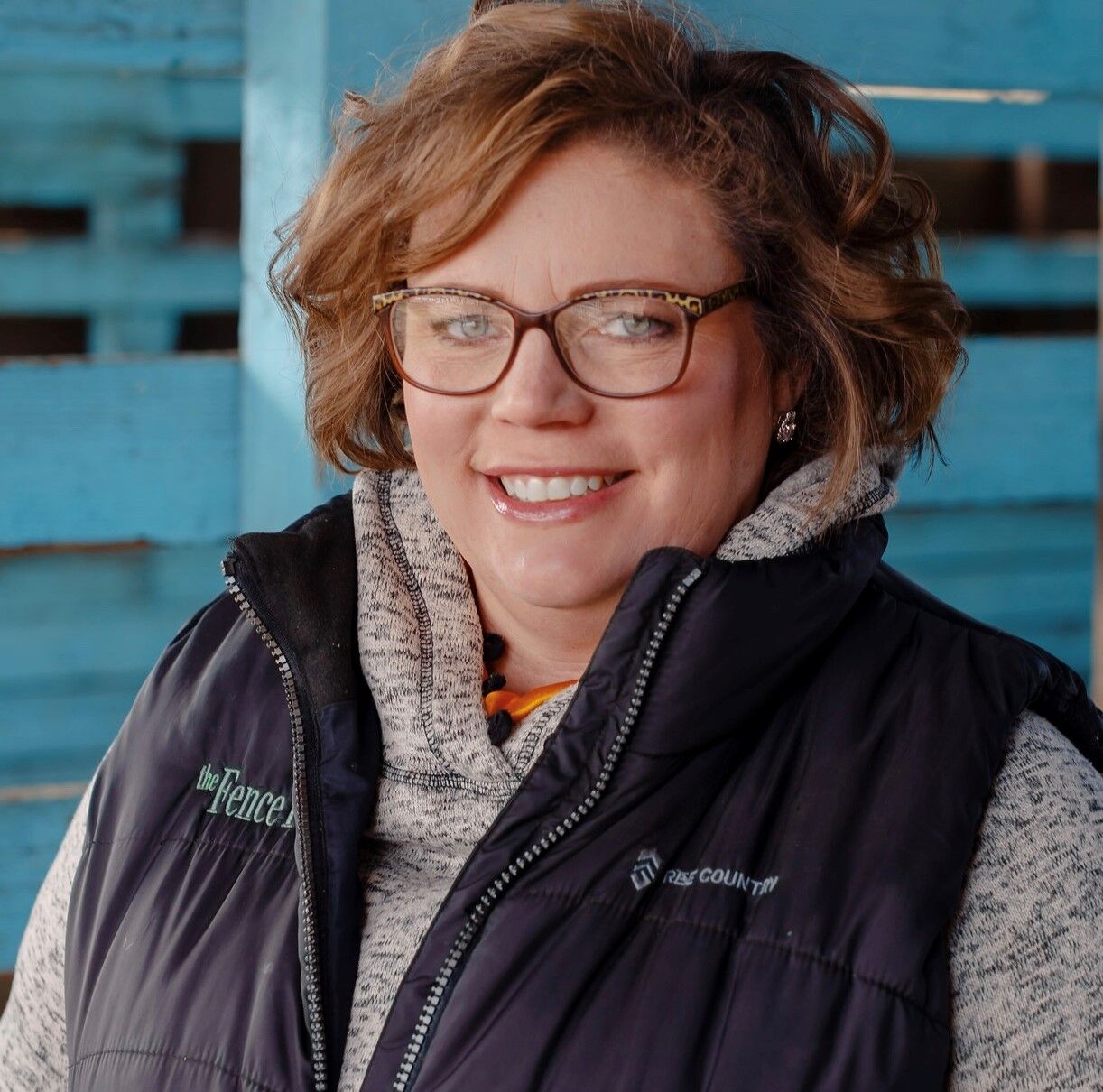
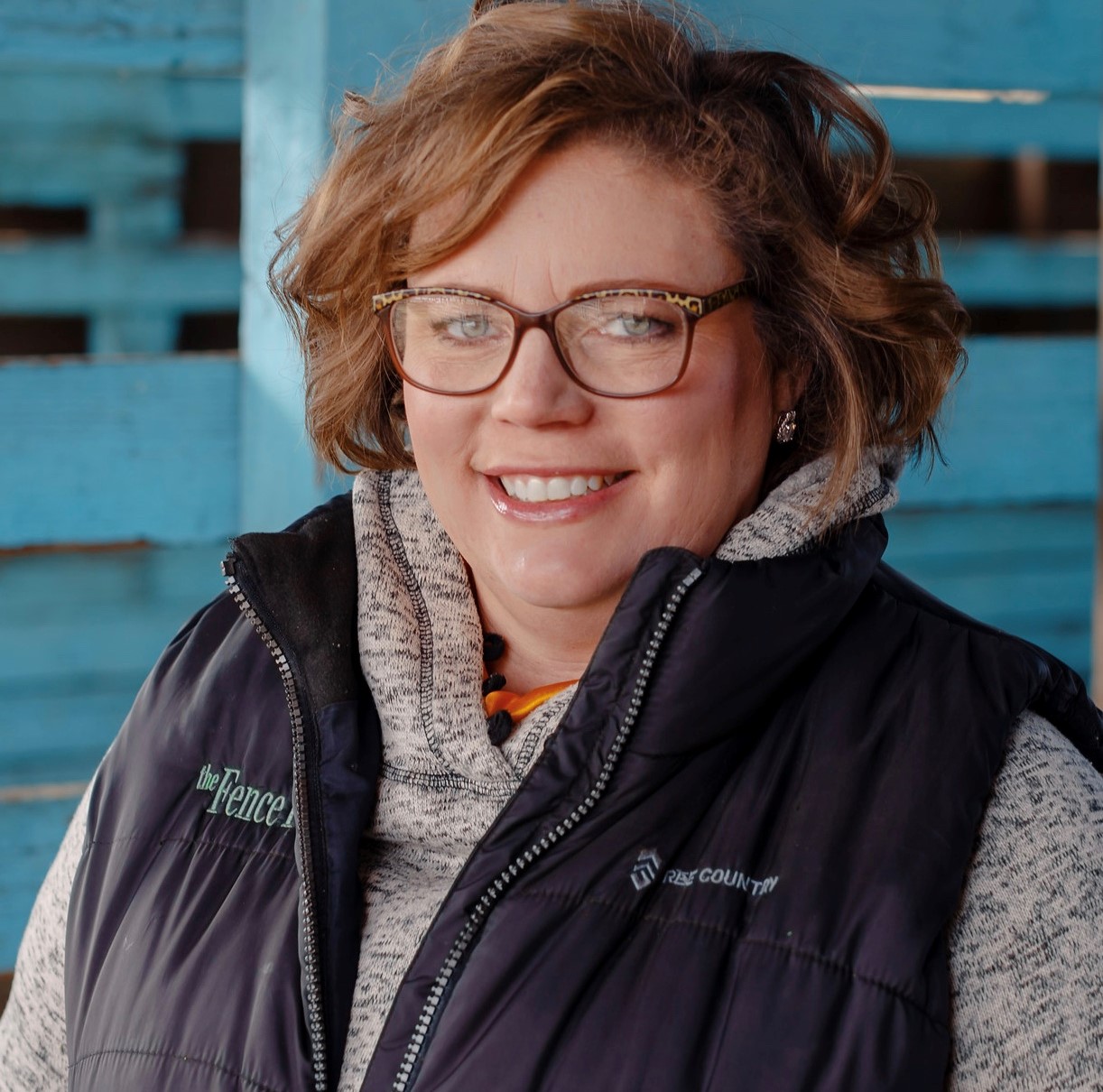
Rachel Gabel writes about agriculture and rural issues. She is assistant editor of The Fence Post Magazine, the region’s preeminent agriculture publication. Gabel is a daughter of the state’s oil and gas industry and a member of one of the state’s 12,000 cattle-raising families, and she has authored children’s books used in hundreds of classrooms to teach students about agriculture.


What courageous citizenship really looks like | Vince Bzdek
Vince Bzdek
vince.bzdek@gazette.com
Updated 9 hours ago
By Vince Bzdek What exactly is courage? Ernest Hemingway famously called it grace under pressure. Mark Twain wrote that “courage is resistance to fear, mastery of fear — not absence of fear.” C.S. Lewis refined that even more: “Courage is...

The coming election and mischief in the making | SONDERMANN
Eric Sondermann
eric-sondermann@coloradopolitics.com
Updated 3 days ago
America’s tribalism is such these days that we struggle to even agree on the basic rules. Elections have always been hotly contested. As the saying goes, “Politics ain’t beanbag.” The process has long involved elements of nastiness and underhanded conduct....
Colorado’s hunting and fishing traditions rest on science, conservation and a proven heritage | IN RESPONSE
Colorado Politics
colorado-politics@coloradopolitics.com
Updated 2 days ago
By John Howard Eric Washburn’s recent column warns Coloradans the right to hunt and fish amendment is a Trojan horse designed to resurrect “cruel” practices voters have already banned and to elevate killing above every other form of wildlife management....
Why does Colorado limit who can safeguard taxpayer dollars? | GUEST COLUMN
Colorado Politics
colorado-politics@coloradopolitics.com
Updated 2 days ago
By Devin Camacho Recently, PNC Bank announced its purchase of FirstBank Colorado. Not only did Colorado lose a local banking option, but nearly 1,000 people lost jobs, with more job losses coming as the big bank now closes branches too....
Colorado’s precarious position protecting from wildfires | Paula Noonan
Paula Noonan
paula-noonan@coloradopolitics.com
Updated 2 days ago
Fourteen firefighters died in the Storm King Mountain fire west of Glenwood Springs in 1994 when 2,115 acres burned. In August 2020, the Grizzly Creek fire burned 32,631 acres along the Interstate 70 corridor east of Glenwood causing mudslides from flooding...

We must deliver on cost of living | GUEST COLUMN
Colorado Politics
colorado-politics@coloradopolitics.com
Updated 3 days ago
By Ryan Gonzalez Insurance premiums are on the rise. Property taxes are increasing. Groceries are becoming more expensive. Gas prices are reaching record levels. Housing costs are becoming unsustainable. These are the concerns I hear from people in my district....

Dan Haley on the role of oil and gas in Colorado’s energy future | The OpEdge Podcast
Tony Olivero
tony.olivero@gazette.com
Updated 3 days ago
Dan Haley, executive director of Coloradans for Responsible Energy Development, joins The OpEdge to discuss the role of oil and natural gas in Colorado’s energy future amid the state’s aggressive push toward “net zero.” Haley tells host and investigative columnist...

Rural hospitals don’t want special treatment, just a chance to care for locals | PODIUM
Colorado Politics
colorado-politics@coloradopolitics.com
Updated 2 days ago
By Kevin Stansbury As chief executive of Lincoln Health, my responsibility is simple: ensure the people of eastern Colorado have access to high-quality healthcare close to home when they need it most. That mission has never been easy. Rural hospitals...
Blue states should avoid disasters | Hal Bidlack
Hal Bidlack
hal-bidlack@coloradopolitics.com
Updated 5 days ago
Back when I was teaching political science at the U.S. Air Force Academy (and amazingly to me, a week from this column’s publication will mark 20 years since my retirement from active duty. Where the heck did that time go?)...
Right-to-hunt ballot measure’s a cruel, anti-wildlife solution to a nonexistent problem | GUEST COLUMN
Colorado Politics
colorado-politics@coloradopolitics.com
Updated 5 days ago
By Eric Washburn I love to hunt. Every year I try to hunt big game in Colorado and waterfowl in Louisiana. This year, I applied for five Colorado big game licenses — elk, deer, pronghorn, moose and bighorn sheep. I...
PREV
PREVIOUS

Fly Frontier to hell | CALDARA
Jon Caldara It doesn’t matter what airline I use I always have the happy privilege of getting the middle seat between two guys trying out for the “Weight Watchers Before Photo Contest” on a flight that’s chartered for the Annual Colicky Baby Conference. My luggage always goes to more exotic destinations than I will ever […]

Anti-woke apostles and ESG | HUDSON
Miller Hudson Comprehending the grievances of anti-woke apostles on the right requires more than a little study of 20th century political theory. Daniel Bell was a popular Professor of Social Sciences at Harvard when he wrote, ‘The Cultural Contradictions of Capitalism’ in 1976. His volume was selected as one of the hundred most influential books […]