

Affordable housing initiative aims to solve portions of Colorado’s housing crisis
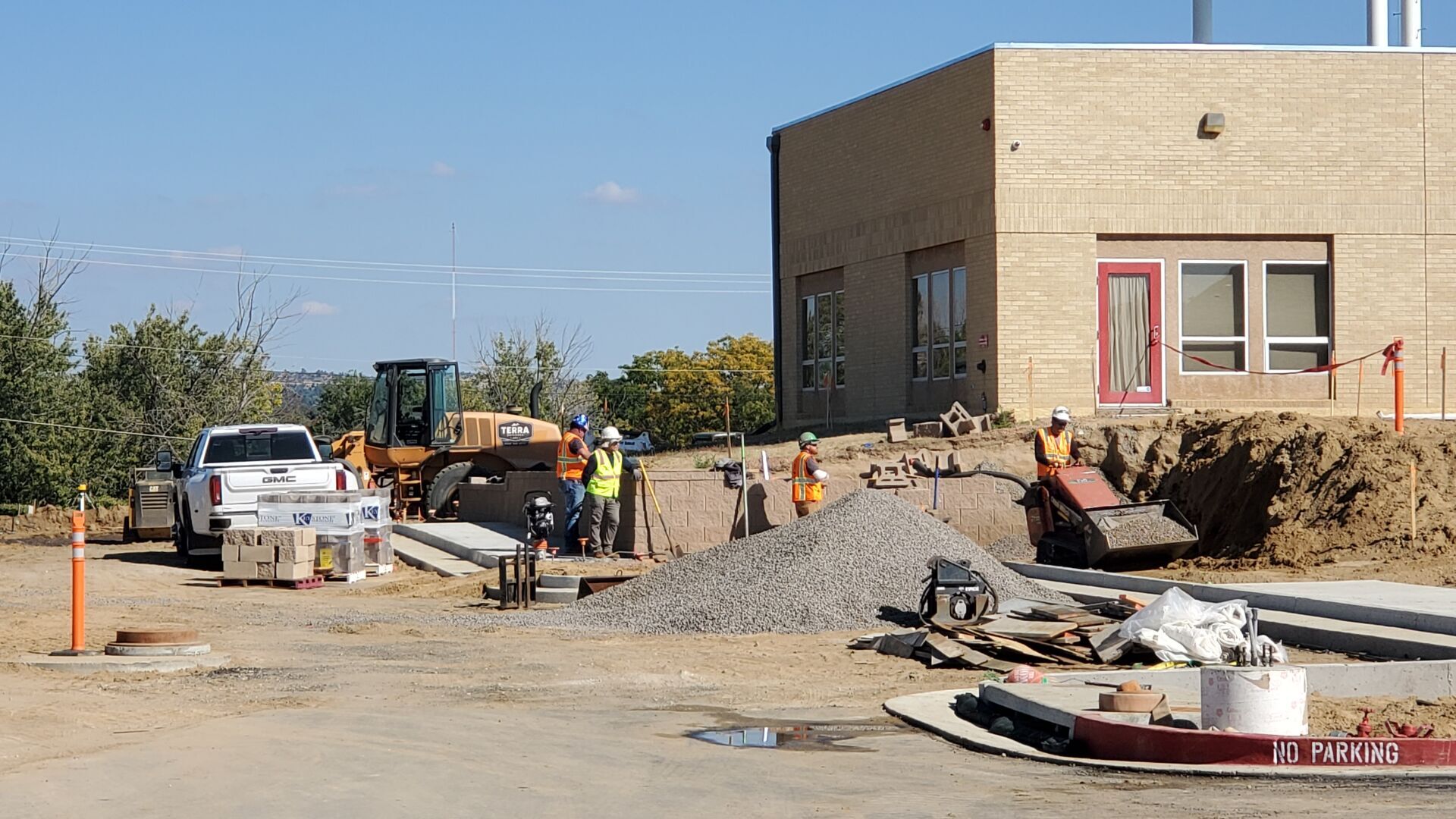
Proponents of a ballot measure that would dedicate a portion of state income tax revenue to create a statewide affordable housing fund say it’s the answer to getting more Coloradans into safe housing at a cost that won’t break the bank – and won’t raise taxes.
“This is not just a question about whether or not Coloradans are suffering,” said Mike Johnston, a former state senator and the president and CEO of Gary Community Ventures. The organization supports policy change for the Denver-based philanthropic Gary Community Ventures foundation that provides grants and other support to ensure economic mobility for Colorado families.
Colorado Springs weighs 3,200-acre annexation southeast of town for thousands of homes
“We know they are. It’s a question of, ‘are the fundamental public services you need to sustain civilization beginning to collapse if you can’t provide teachers and nurses and firefighters housing in every community?'”
But opponents say the measure would increase taxes because it would divert tax rebate dollars away from Coloradans who are legally entitled to them through the Taxpayer’s Bill of Rights. The law ties increases in most local government revenues to a formula based on population growth and inflation. Excesses can only be used for voter-approved purposes.
“Prop 123 would mean less money in people’s bank accounts because it would come directly from our TABOR refund checks,” said Michael Fields, president of Advance Colorado Institute, a nonprofit that champions fiscal transparency, limited government, lower taxes and other initiatives. “When the state government takes and spends more of our money, it’s a tax hike. There’s nothing ‘affordable’ about taking $300 million of our TABOR tax refunds for this flawed housing measure.”
On Nov. 8, Coloradans will vote on Proposition 123, which would create the State Affordable Housing Fund and dedicate 0.1% of state income tax revenue to pay for affordable housing projects and programs.
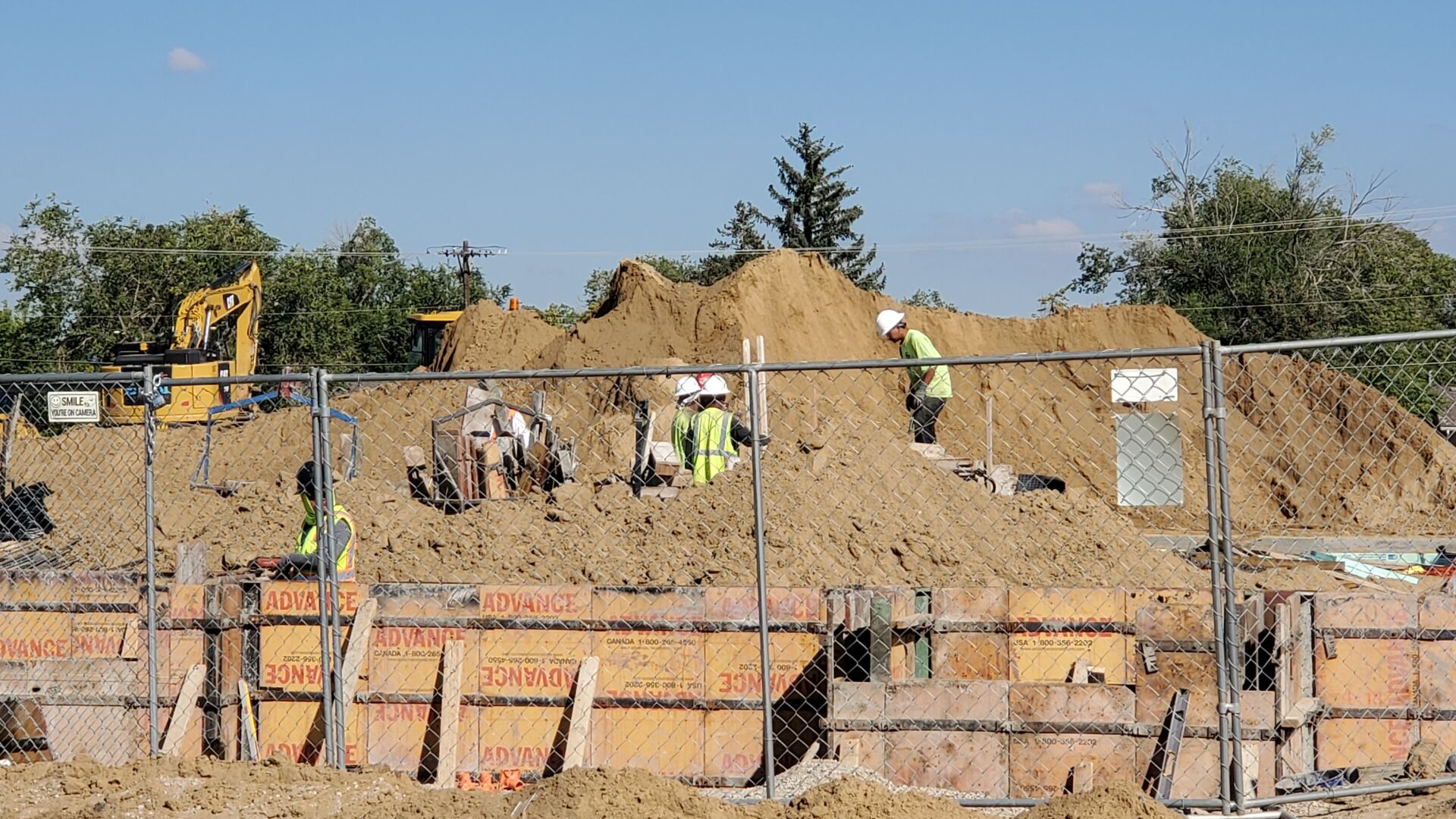
If passed, it would create the Affordable Housing Support fund, which would receive 40% of money from the State Affordable Housing Fund, and the Affordable Housing Financing Fund, which would receive 60% of the funds. It would also authorize the state to keep and spend this money as a voter-approved revenue change above TABOR limits that otherwise must be refunded to taxpayers.
Colorado Legislative Council staff have estimated $135 million would be allocated to the State Affordable Housing Fund for fiscal year 2022-23. In fiscal year 2023-24, the first full fiscal year, staff estimated $270 million would transfer from the state’s general fund to the State Affordable Housing Fund.
According to Colorado’s voter booklet, or “Blue Book,” if voters approved the measure, it would reduce TABOR refunds by about $86 per person.
But that figure is “based on projections, and projections change all the time,” said Natalie Menten, a TABOR Foundation board member. “At the end of the day, we don’t know what the actual number is. Some years it would reduce your refund. Other years, it may eliminate your refund.”
If Prop 123 passed, dedicated funds would provide grants to local governments and loans to nonprofits who would acquire land to develop affordable housing; create an affordable-housing equity program to make equity investments in multifamily rental units, ensuring rent does not cost more than 30% of the household income; create a concessionary debt program to provide debt financing for low- and middle-income multifamily rental developments and existing affordable housing projects; create a grant program for local governments to expedite land use, permitting and zoning applications for affordable housing projects; and create a program to provide rental assistance, housing vouchers and other case management for people who are homeless.
Fifty percent of the funds in the Affordable Housing Support Fund will also be used to establish an affordable homeownership program to provide down-payment assistance to qualifying first-time homebuyers and provide grants or loans to qualifying nonprofits and community land trusts.
Rising Colorado Springs home prices, rents make it tougher to attract and retain workers
Passing Prop 123 is critical, proponents say, because rising home prices across Colorado are making it harder for businesses to attract and retain workers. Employees can’t find affordable housing, they said.
“Our early childhood workforce is in really short supply” because of local housing prices, said Noreen Landis-Tyson, president and CEO of Colorado Springs-based Community Partnership for Child Development. “… As an employer, we are paying our staff as much as we possibly can, but we cannot keep up with the cost of housing in Colorado Springs.”
The cost of living in Colorado Springs is now “significantly above” the national average, yet wages are around 12% below the national average, The Gazette previously reported. Over the past three years, the average price of a home in the Colorado Springs area has jumped almost 50% – $177,000 – while the average apartment rent rose more than $300, to $1,571, in the same period.
Data from the National Low Income Housing Coalition shows workers would need to make almost $30 an hour, or more than $10 an hour more than the average pay a Colorado Springs renter earns, to afford the average rent.
“Something has to be done,” said Roger Ledbetter, who for 12 years has been a truck driver for the local Habitat for Humanity’s home improvement store and donation center, ReStore. “Driving around town, I see more and more people on the streets than ever who are homeless. There are people out there – they’ve got a job and kids and they’re living in a homeless shelter or in their car because they had to choose whether to put food on the table or pay rent.”
But the measure would also drive up already sky-high home prices for renters and homebuyers who don’t qualify for the proposed government program, opponents say.
“To fix our state’s housing crisis, we need to build more, not tax more,” Fields said. “According to the state, we have 225,000 units fewer than what we need. This creates a supply and demand problem – where costs go up for everyone. We need to approve permits faster, lessen unnecessary regulations that are driving up cost,s and cap property tax increases so people can afford to stay in their homes.”
Colorado Springs demolition companies tear things down to help build up the community
Prop 123 would require local governments to expedite application-review processes and increase their affordable housing supply to access program funds, said Luke Teater, an independent housing economist and policy consultant with Thrive Economics. This incentivizes governments to analyze their laws and regulations to make it easier to build smaller and more affordable homes, he said.
“Everyone benefits when essential community members like teachers, nurses and firefighters can afford to live in the communities they serve. Increasing the housing supply helps reduce housing costs for everyone, not just those who live in the new housing,” Teater said.

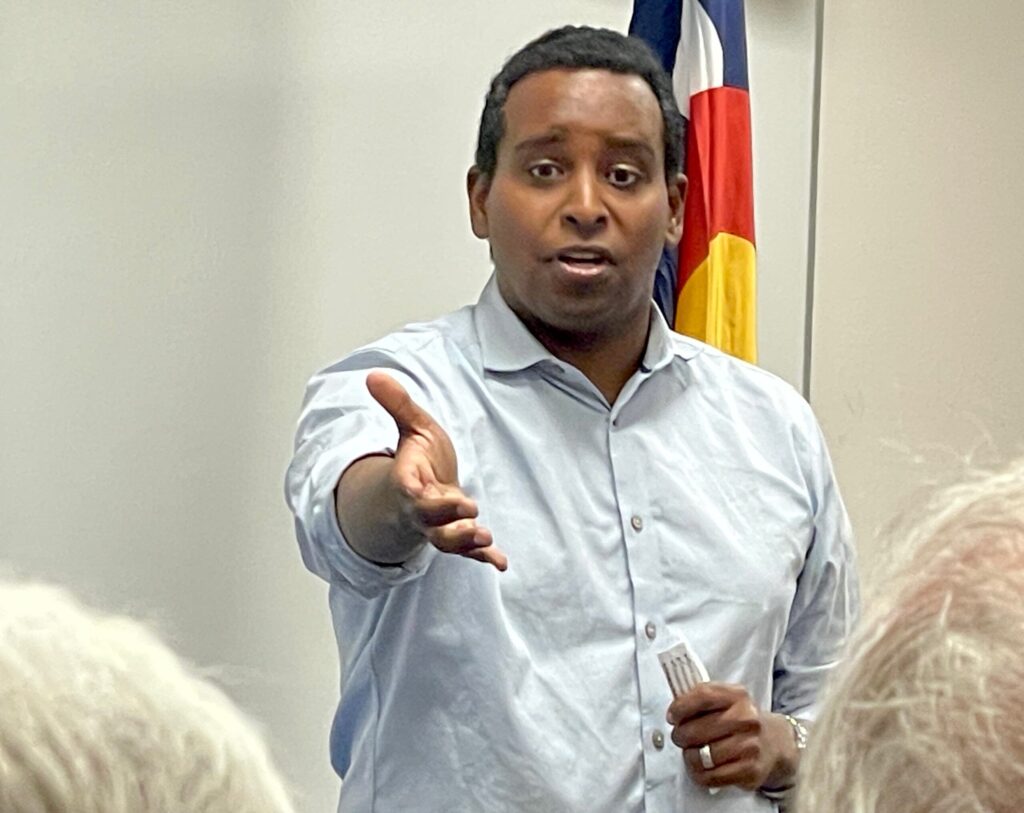
The African roots of three Colorado leaders | SONDERMANN
Eric Sondermann
eric-sondermann@coloradopolitics.com
Updated 2 days ago
Colorado’s political transformation is measured in many ways. A once reliably red state (with asterisks) became purple and is now a rather deep blue. For better or worse, probably the latter, power is ever more consolidated along the Front Range...

Colorado Politics Calendar Sept. 14-20
Rachael Wright, Special to Colorado Politics
rachael.wright@coloradopolitics.com
Updated 3 days ago
CoPo’s weekly political calendar will help you find political and public-policy events throughout Colorado. It includes candidate and issue campaign events, public policy meetings, court hearings, state and local party conventions, assemblies, debates, rallies, parades, speaking engagements, traveling dignitary appearances,...
Federal judge green-lights civil trial against ex-Fort Collins DUI officer
Michael Karlik
michael.karlik@coloradopolitics.com
Updated 15 hours ago
A federal judge ruled on Thursday that Fort Collins’ former “DUI officer” will face a civil trial for allegedly investigating a motorist for impaired driving without any reasonable suspicion to do so. In recent years, several people arrested by Officer...

Denver police reopen 13 sex assault cases after retesting Missy Woods’ CBI work
Jenny Deam
jenny.deam@gazette.com
Updated 12 hours ago
Thirteen previously closed Denver sexual assault cases have been reopened after the city’s crime lab retested DNA evidence once analyzed by former Colorado Bureau of Investigation forensic analyst Yvonne Woods. A police spokesperson told The Denver Gazette the once-closed cases...

Ballot measure aims to shift Colorado sporting-goods tax revenue to land, water and wildfire projects
Marissa Ventrelli
marissa.ventrelli@coloradopolitics.com
Updated 17 hours ago
Colorado voters this November will decide whether to direct a share of sales tax revenue from sporting goods — including bicycles and skiing equipment — toward land and water conservation, wildfire prevention and expanding outdoor recreation. Supporters say the measure...

Colorado Supreme Court suspends Mesa County judge pending misconduct investigation
Michael Karlik
michael.karlik@coloradopolitics.com
Updated 18 hours ago
The Colorado Supreme Court suspended Mesa County Court Judge Michael J. Grattan on Thursday amid a misconduct investigation. The court’s Sept. 10 order gave Grattan 21 days to explain why his paid suspension should not continue through the end of...

Trump honors the fallen of the 9/11 terrorist attacks during Pentagon speech
Mabinty Quarshie
mabinty-quarshie@coloradopolitics.com
Updated 18 hours ago
President Donald Trump and first lady Melania Trump honored the roughly 3,000 Americans killed during the Sept. 11, 2001, terrorist attacks during a ceremony at the Pentagon. The event marking the 25th anniversary of the deadliest attack on American soil...

Immigration reporting measure fuels debate over Colorado’s role with ICE
Marissa Ventrelli
marissa.ventrelli@coloradopolitics.com
Updated 14 hours ago
A coalition of advocacy groups and several district attorneys rallied outside the Colorado Capitol on Thursday to oppose a ballot measure that, if approved by voters in November, would require state and local law enforcement to cooperate with federal immigration...

Colorado Supreme Court changes course, dismisses case about special district bonds
Michael Karlik
michael.karlik@coloradopolitics.com
Updated 14 hours ago
The Colorado Supreme Court declined on Friday to decide a dispute between a large-scale Commerce City development and the various districts financing it, after initially showing interest in the ongoing case. Colorado has roughly 2,800 special districts, which are local...

Trial remains elusive for purported mastermind accused of plotting 9/11 attacks
The Associated Press
the-associated-press@coloradopolitics.com
Updated 21 hours ago
NEW YORK (AP) — Two decades after U.S. authorities locked Khalid Sheikh Mohammed away at a military detention center in Cuba, the purported mastermind of the Sept. 11 attacks sometimes seems barely any closer to being put on trial than...