

Omicron subvariant accounts for most new Colorado infections
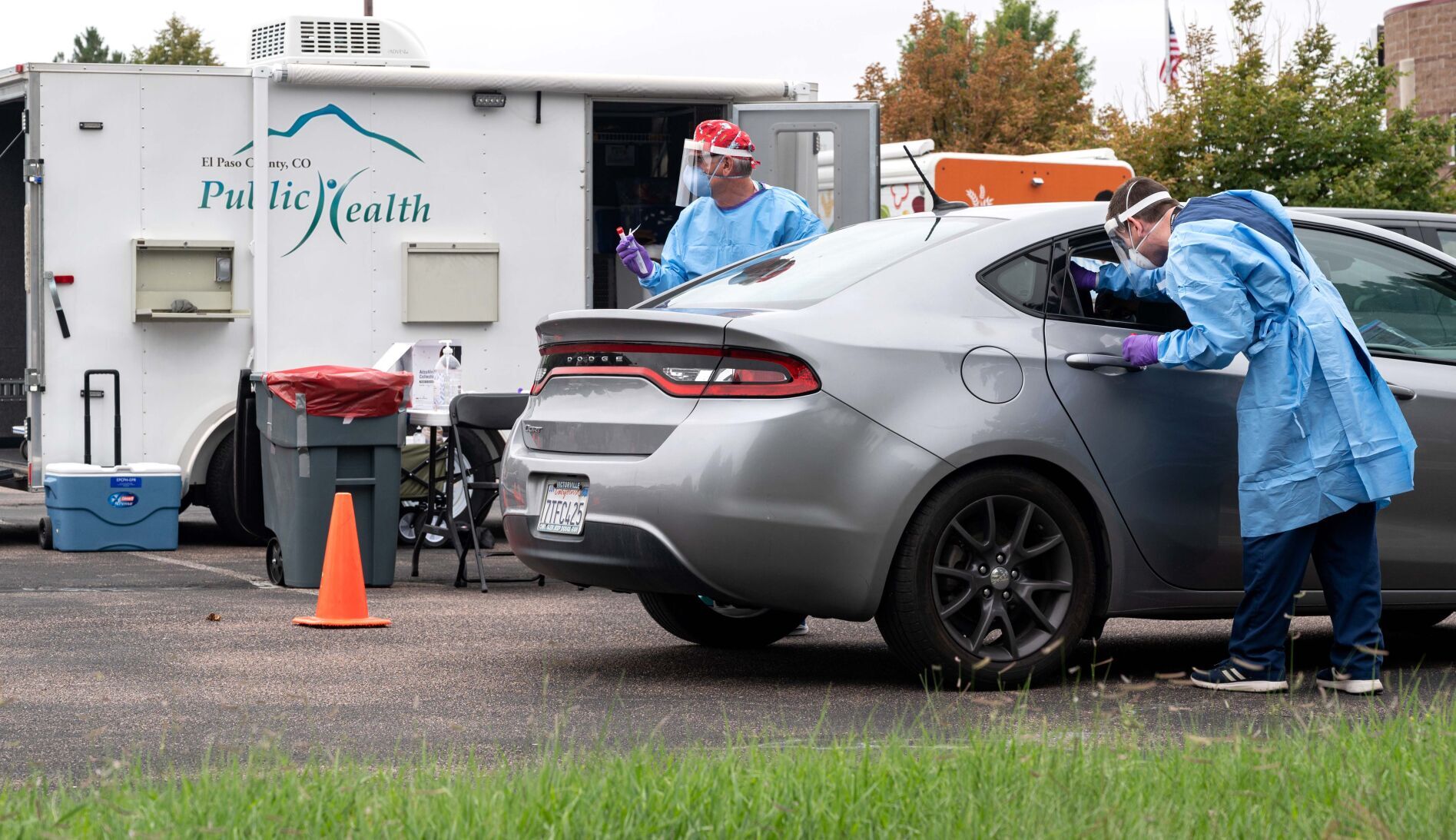
A subvariant of the coronavirus’s omicron strain now accounts for a majority of the new COVID-19 infections in Colorado, sending cases ticking upward slightly.
But the state Department of Public Health and Environment says Coloradans as a whole still have population-level immunity, widespread in the wake of omicron’s emergence earlier this year. COVID-19 hospitalizations have not increased and are at their lowest levels in more than two years.
The omicron subvariant, designated officially as BA.2, accounted for more than 76% of new COVID-19 infections at the end of March, according to the most recent state data. It displaced the primary omicron strain, which has dominated COVID-19 cases in Colorado since mid-December, when it arrived in the state in full force.
FDA authorizes 1st breath test for COVID-19 infection
Cases in the state have ticked upward slightly this month, though they remain far below the levels seen at many other periods of the pandemic. According to data updated Thursday afternoon, Colorado has averaged about 412 new cases each day over the past week. That’s up from 326.7 two weeks ago and is slightly below the figure from March 14.
Still, the current average of 412 new daily cases is below any point between mid-July and mid-March.
Hospitalizations, long considered among the most important metrics by state and public health authorities, have not ticked upward in Colorado. There were 77 Coloradans hospitalized with COVID-19 as of Wednesday, when data was most recently updated. That’s down slightly from last week and is nearly half the hospitalization total from mid-March.
Worldwide COVID cases surpass 500 million as Omicron variant BA.2 surges
State and public health officials have said that BA.2 would likely become the dominant variant in Colorado, as it has in the country as a whole, and that it would lead to an increase in cases. But, they’ve said, the high level of immunity to omicron – estimated by researchers to be roughly 90% in Colorado – should help the state avoid another surge and provide for a period of pandemic calm that lasts at least into the early summer.


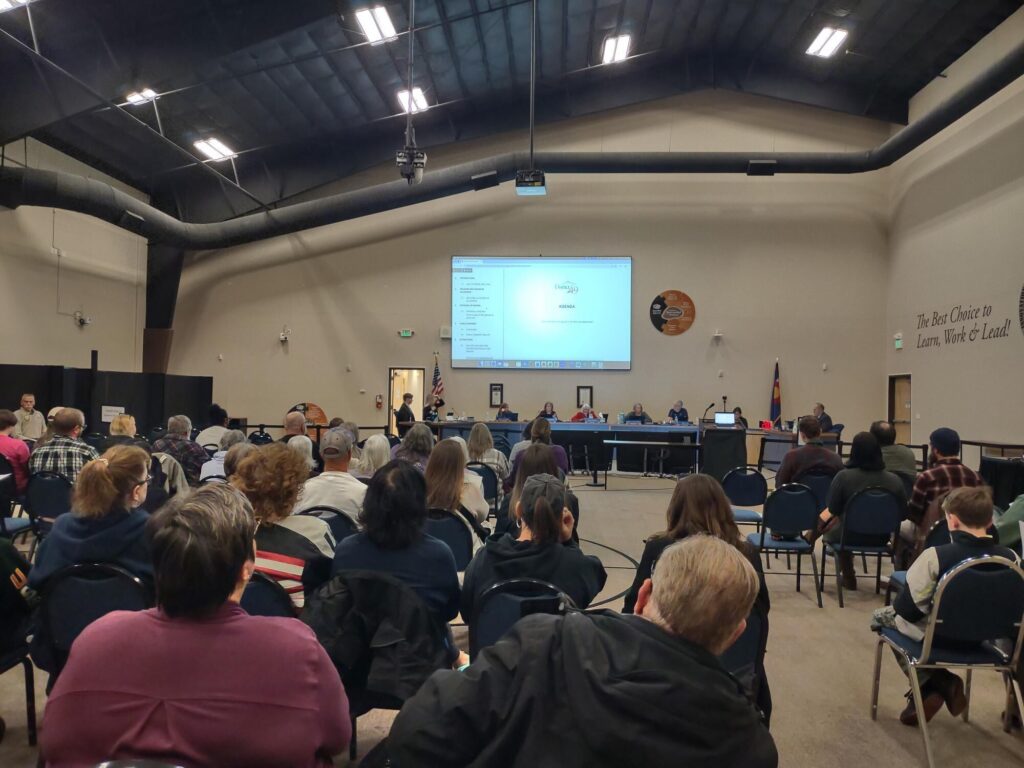
D-49 board repeals policy separating facilities based on biological sex
Eric Young
eric.young@gazette.com
Updated 4 hours ago
Less than six months after passing a policy segregating the use of district facilities based on biological sex, School District 49’s board of education voted to repeal it during a contentious special meeting Tuesday night. Policy JBAA was adopted by...

Tax bill shock: Colorado homeowners could see property taxes jump by as much as 40%
Marianne Goodland
marianne.goodland@coloradopolitics.com
Updated 2 hours ago
Mike Fitz, 76, who lives in Centennial in a single-family home he has owned since 2001, paid $3,876.98 in property taxes to Arapahoe County two years ago. Fitz just learned after checking the website of the Arapahoe County Assessor’s Office...

Federal judge blocks USDA ‘pilot project’ affecting Colorado food assistance
Michael Karlik
michael.karlik@coloradopolitics.com
Updated 8 hours ago
A federal judge blocked the U.S. Department of Agriculture on Wednesday from proceeding further with a “pilot project” that would require five Colorado counties to rapidly recertify more than 100,000 households for food assistance. In a brief ruling from the...

Colorado’s Democratic delegation calls for Noem’s removal, ICE overhaul
Ernest Luning
ernest.luning@coloradopolitics.com
Updated 8 hours ago
The Democratic members of Colorado’s congressional delegation on Tuesday called for Department of Homeland Security Secretary Kristi Noem to resign or be impeached in the wake of the second fatal shooting by federal immigration agents in Minnesota this month amid...
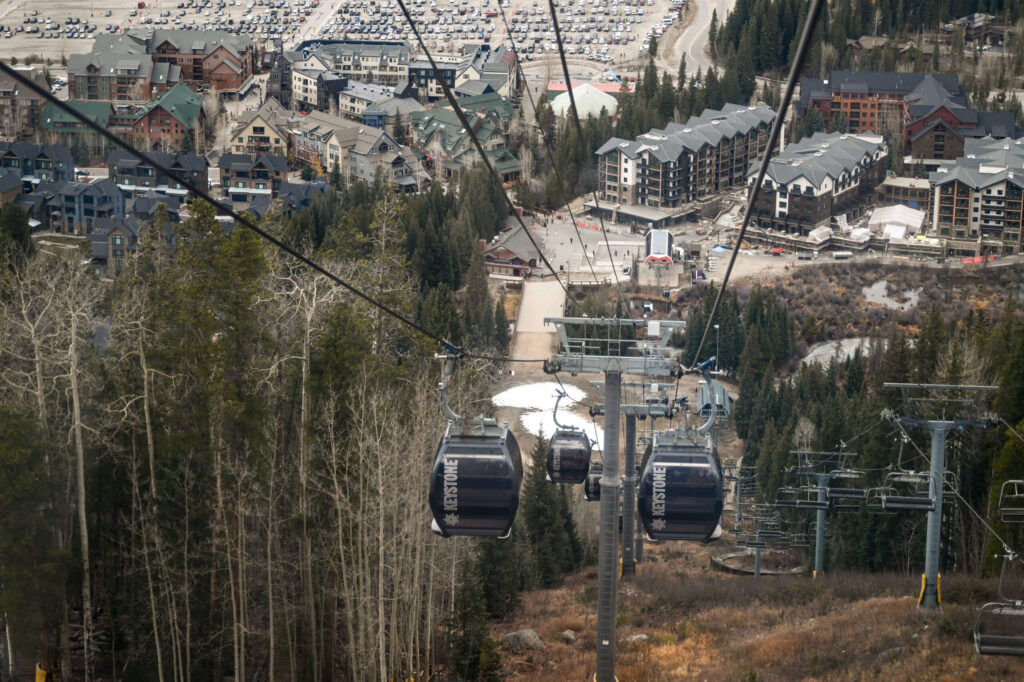
Colorado’s lack of snow pack hurting outdoor industry; could spell drought conditions this summer
Kyla Pearce
kyla.pearce@gazette.com
Updated 4 hours ago
A snowy weekend forecast in January was a relief to skiers, hydrologists, fire officials and ski resort staff in Colorado, as the state continues to see record high temperatures and record low snowfall. A USDA map showed the average statewide...
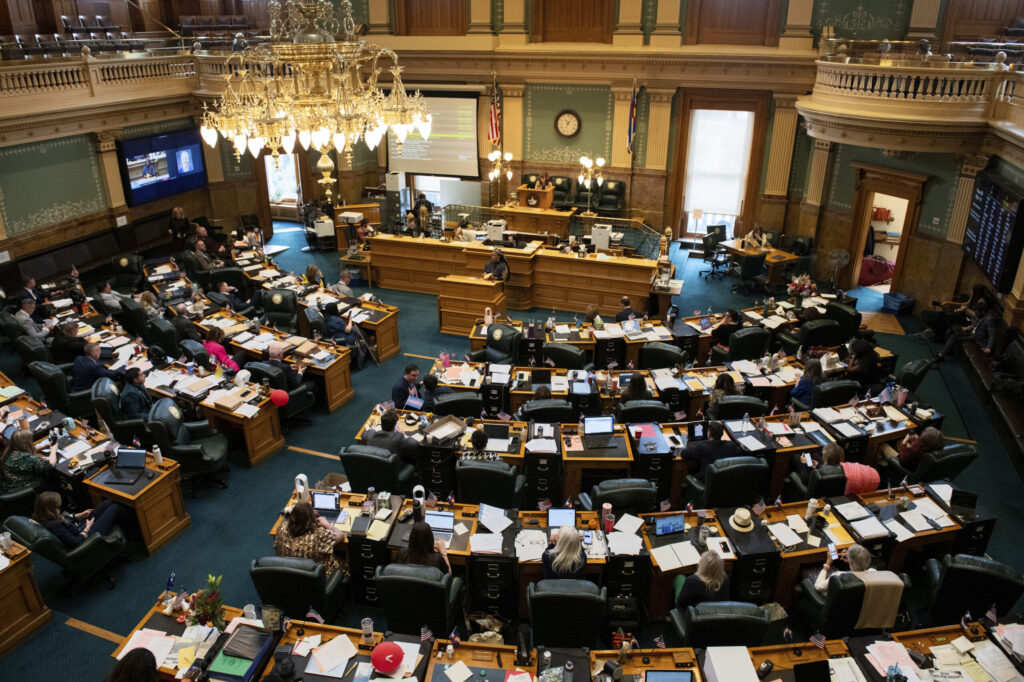
Colorado lawmakers hear about increased judicial discipline complaints, fallout from Missy Woods misconduct
Michael Karlik
michael.karlik@coloradopolitics.com
Updated 12 hours ago
Members of the Colorado legislature’s judiciary committees heard about a large increase in complaints against judges and additional forensic misconduct that has come to light, during three days of oversight hearings last week. Leaders of several judicial-related agencies appeared between...
Federal judge warns DOJ against raising repeatedly rejected arguments in immigration detention cases
Michael Karlik
michael.karlik@coloradopolitics.com
Updated 12 hours ago
A federal judge in Colorado warned the U.S. Department of Justice on Monday against raising arguments that she and other judges have repeatedly rejected in cases challenging the lawfulness of immigration detentions. In a Jan. 26 order finding the government...

Will Denver see stepped-up immigration enforcement next? | ANALYSIS
Nico Brambila
nico.brambila@denvergazette.com
Updated 1 day ago
Two years ago — as Denver grappled with a sharp influx of immigrants, many who arrived in the city after illegally crossing America’s borders — Mayor Mike Johnston joined the mayors of Chicago and New York City in criticizing Texas...

$200M in federal funds to be deployed in Denver area for heat pumps aimed at reducing emissions
Sage Kelley
sage.kelley@denvergazette.com
Updated 11 hours ago
The Denver Regional Council of Governments (DRCOG) has officially launched a $200 million program to help reduce carbon emissions with heat pumps. The regional organization announced its new initiative, “Power Ahead Colorado,” which also includes partnerships with the Colorado Energy...

Holocaust survivors, DU officials announce endowed antisemitism professorship
Michael Braithwaite
michael.braithwaite@gazette.com
Updated 1 day ago
Eighty-one years after Auschwitz’s liberation, the University of Denver announced a new endowed role to help keep the Holocaust’s memory alive. In the space west of the Capitol’s rotunda, and under the gaze of portraits of former state leaders on...
PREV
PREVIOUS

Bill advances to protect Colorado educators from doxxing
The Colorado legislature is pursuing a bill to protect educators from doxxing, two months after the identities of hundreds of Douglas County teachers faced potential exposure after participating in a protest. If enacted, Senate Bill 171 would add educators to the list of people who can request to have their personal information removed from government websites […]

Colorado Supreme Court justices publicly back more independent judicial discipline process
Colorado Supreme Court Chief Justice Brian Boatright and his successor, Justice Monica Márquez, on Thursday repeatedly reiterated to lawmakers their willingness to divest judicial discipline from the court’s control, saying it is important in rebuilding the public’s trust in the judiciary. Following nearly five hours of testimony, the Senate Judiciary Committee delayed until next week […]