

HOA dues add insult to injury for Colorado wildfire victims

Just days after Colorado’s most destructive wildfire left Sandy Quiller with nothing but a suitcase full of clothes, $362 in homeowners association dues was removed, like clockwork, from her bank account.
“I saw it online and thought it was a mistake!” said Quiller, 70, who is currently living in Annapolis, Md., with one of her sons.
In a post-Marshall fire world where little is certain, her monthly assessment fee from Ridge at Superior has become the one thing she can count on.
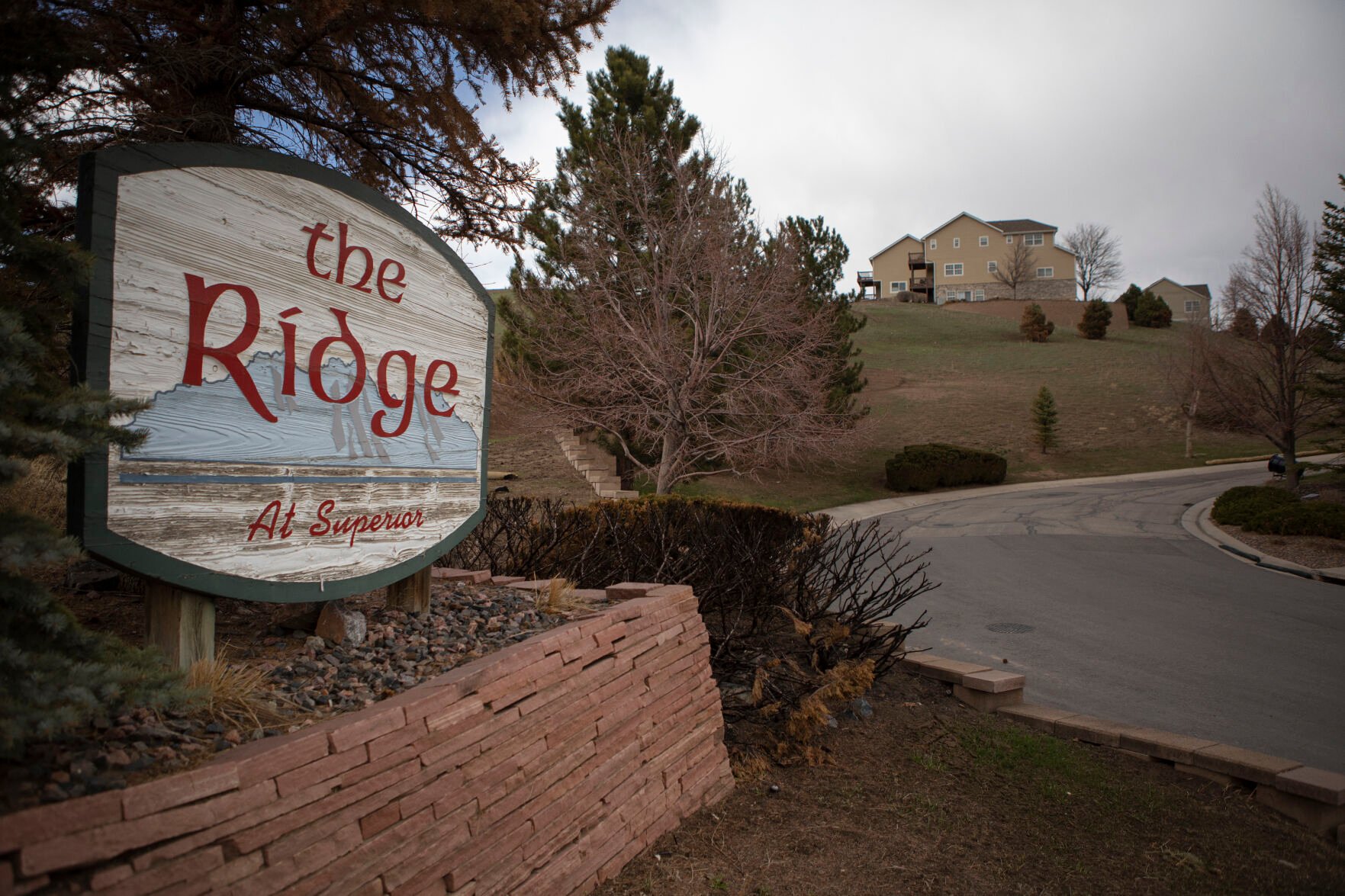
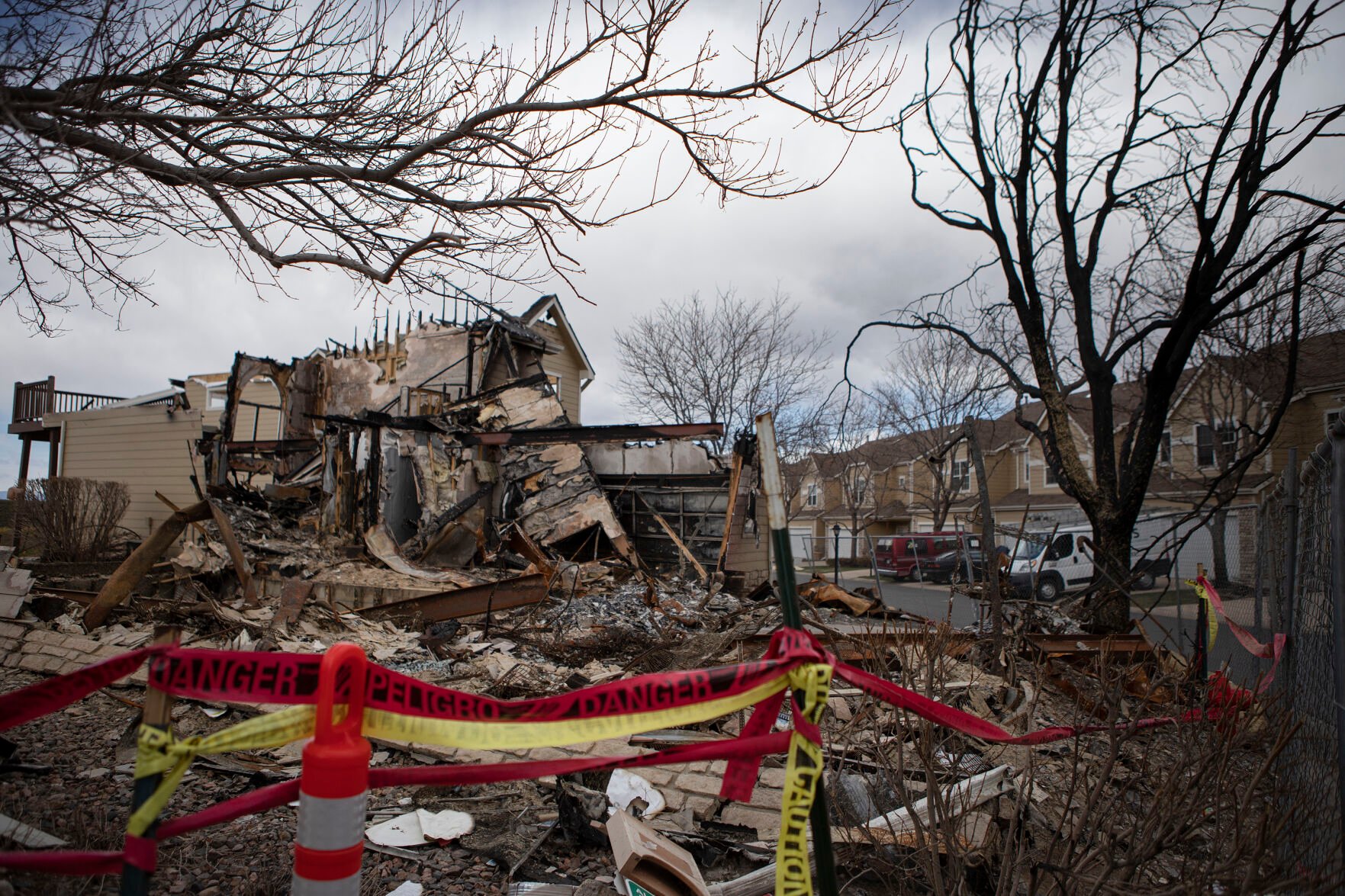
“Every fourth of the month, I pay for trash collection, snow removal and lawn mowing … for a hole in the ground.”
The deduction was no accident.
Marshall fire investigation may take ‘several more months’
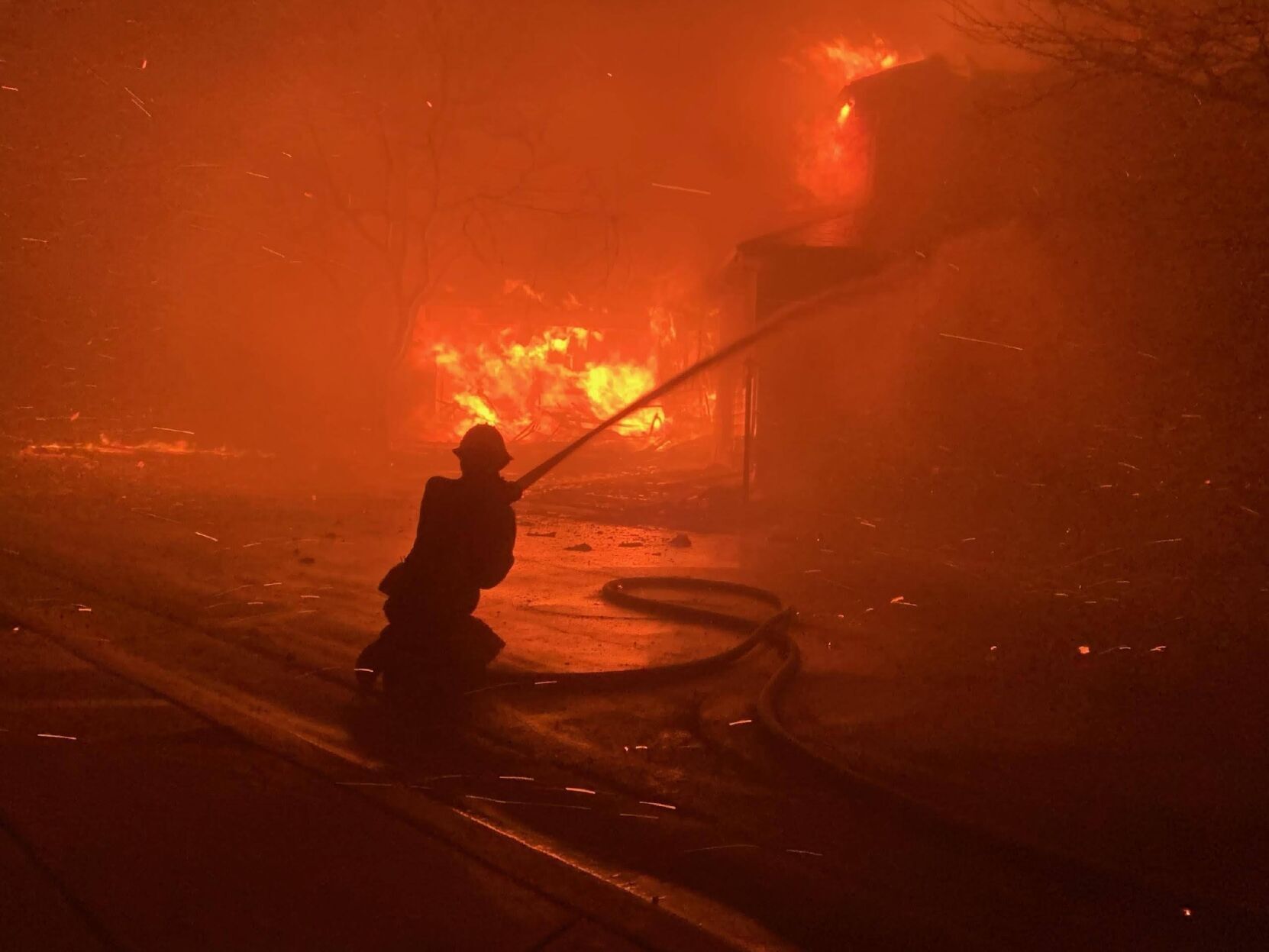
Of 72 units which dot the side of a hill overlooking a vast landscape of fields and open space, only three of them were destroyed by the Marshall fire. Several more were damaged. The fire was selective, missing her friend Phyllis Schwartz’ home by 100 feet.
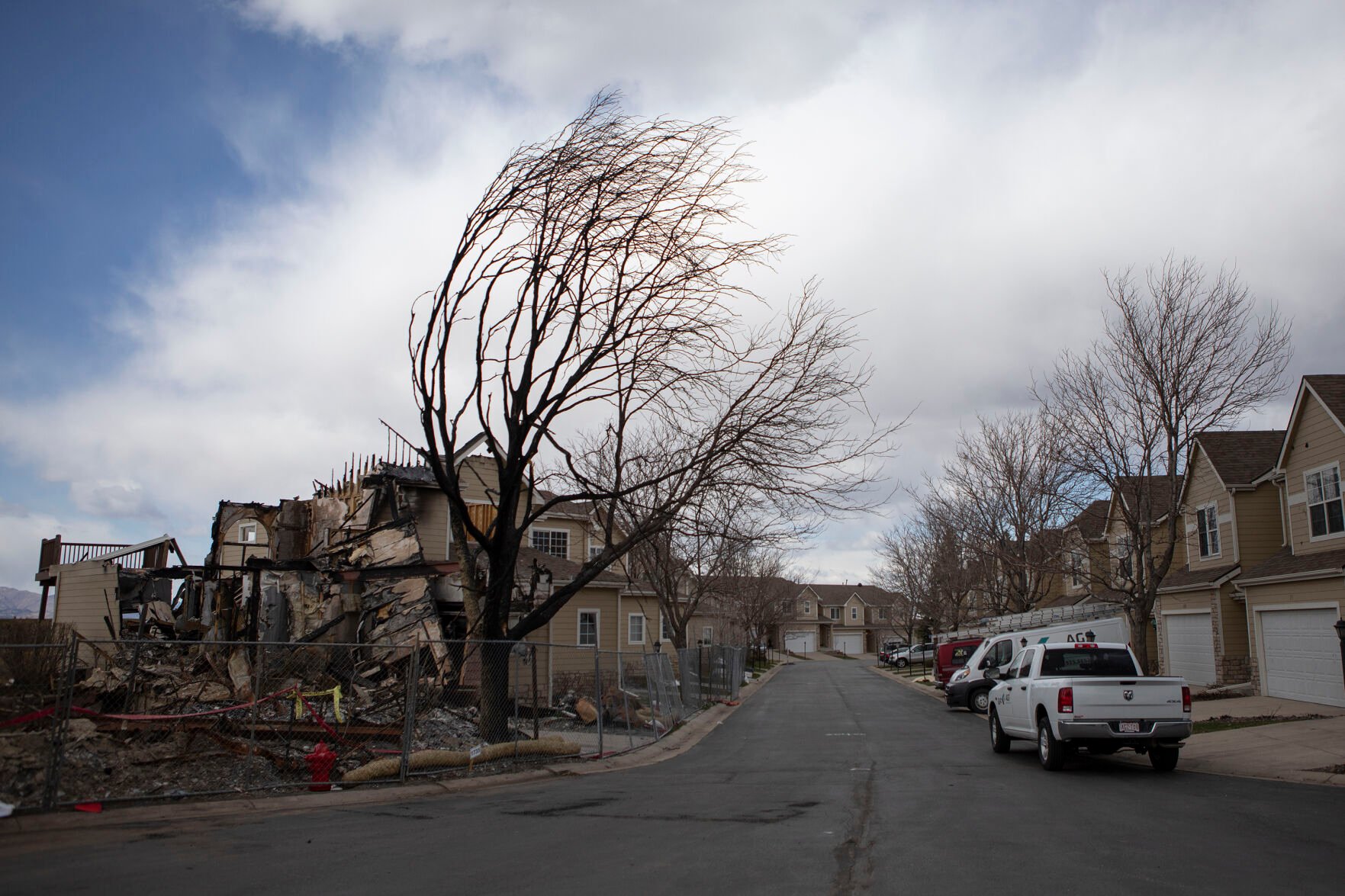
“I don’t fault the HOA for making her pay dues,” Schwartz said. “They have bills to pay.”
She added, however, “It’s a conundrum for sure, but I think Sandy deserves a break.”
Despite pleading their case to the volunteer HOA board, Quiller and her handful of unfortunate fire-impacted neighbors will not get a break on the hefty monthly dues. In a Feb. 23 email to members, the board explained that it had reviewed the association’s policy for homeowners who had been affected by the fire, and though their hearts were with the victims, “The monthly dues are essential to the financial health of our community as well as the Association’s ability to continue to operate and perform necessary maintenance and repairs.”

In the email, the board advised Quiller and the other fire victims to take advantage of government aid. The board did make one concession: It agreed to waive any late fees that might accrue.
74-year-old man on his Marshall fire cleanup: ‘Get the town out of our way!’
No escaping liability
For Quiller, the refusal to help her in a time of unfathomable need was an insult.
Overwhelmed by sudden homelessness, she is staying with her son, Rory, who is a pole-vault coach at the U.S. Naval Academy.

“A night or two after the fire, I said good night and proceeded to wash up before bed. As I picked up my towel, it occurred to me that I no longer owned a towel, a blanket or anything,” said Quiller.
On Jan. 1, two days after the fire, Quiller appealed to one HOA director who was sympathetic. “We will work through this together,” promised Reece Lloyd. But when Quiller read the community covenants Lloyd attached to the email, she froze.
Section 9, article 5 reads, “No owner may waive or otherwise escape liability for the Common Expenses Assessment provided for herein by the non-use of the Common Properties or the abandonment of his or her Townhome Unit.”
Having lost everything to the Marshall fire, it felt as if they were suggesting she had left, as in abandoned, her home on purpose.
Colorado does not have laws to regulate homeowners associations, according to Gary Kujawslo, education, communication and policy manager for the Colorado Department of Regulatory Agencies. He said the Division of Real Estate does not have a apparatus to undertake investigations or enforcement actions regarding HOA complaints.
Both the Boulder County district attorney and the state Attorney General’s Office, who responded to inquiries by The Denver Gazette, say they have little or no authority over HOAs when it comes to complaints over dues.
Judge tosses lawsuit over debris removal, paving way for Marshall fire victims to rebuild
In an email, Kujawslo said Quiller could decide to put a stop on her monthly $362 automatic payment, but, “If a homeowner in an HOA does not pay their required HOA dues, an HOA can take civil legal action to collect the amount, including turning the matter over to a collection agency, bringing a lawsuit, obtaining a money judgment, or even initiating a foreclosure action.”
He said that when complaints come he refers complainants to the Colorado Bar Association.
‘Show must go on’
Elina Gilbert, an attorney representing the Ridge at Superior, wrote in an email: “The Association remains responsible for paying fees associated with management, accounting, and legal services for the community. Additionally, the Association must continue to provide common area maintenance, road maintenance and repairs, landscaping, trash pickup, and pay all water and sewer costs.”
Furthermore, the association remains responsible for paying the insurance premium and is now responsible for the insurance deductible associated with repairs and reconstruction. The only source of income the association has is assessments paid by owners, and the declaration requires all owners to pay equal assessments without abatement. Therefore, continuing to collect assessments from all owners is not only necessary for the continued viability of the community, but also legally required.
“Although the Association understands and feels great empathy for all the owners whose units were damaged by the fire,” Gilbert wrote, “it cannot legally abate their assessment obligations.”
Because many HOAs are run by volunteers and the laws are complex, there is an advocacy group which educates board members called the Community Associations Institute. The group’s senior vice president of government, Dawn Bawman, confirmed that Quiller’s HOA, The Ridge at Superior volunteer board, is a CAI member.

Bawman explained that HOA community residents like Sandy Quiller are expected to pay dues in the same way that they must pay property taxes and mortgages. She told the Gazette that HOA dues are typically a housing development’s only source of revenue. “Basically, the associations has to keep the lights on.”
In short, despite the fact that Quiller’s trash cans are melted, there’s no lawn to mow and no faucet or water to brush her teeth, she must pay her fair share. Said Bawman, “The show must go on.”
Across the Turnpike from Superior where the Marshall fire leaped to Louisville and ruined hundreds more homes, a much bigger and more vocal group of fire victims have started a petition over having to fork over HOA dues.
A third of the homes in Coal Creek Ranch were lost, including Andrew Zimmer’s. The husband and father of two is angry and feeling helpless: “I think it’s in the way the system is designed, to be inflexible, unable to respond to extreme situations with extraordinary actions. The community has enfolded us, but our own neighborhood HOA has only made things harder. They are now just one more challenge to surmount.”
$26.6 million-plus donated to victims of Marshall fire in Boulder County
Though it isn’t waiving dues for its fire victims, the HOA at Coal Creek Ranch has responded to them by eliminating trash service fees reducing their monthly dues to around $43. It’s also raised thousands of dollars, which will go a long way in helping residents who can’t pay.
“If I could change one thing, I’d call on HOAs in Colorado to be more flexible and compassionate to their members; we are human beings, not just dues to be collected,” said Zimmer.
Quiller Classic

In a county known internationally for its robust running scene, the Quiller name is royalty. Quiller’s late husband, Jerry, for whom the annual Pac-12 Quiller Classic track and field meet is named, coached the Colorado Buffaloes to three Big 8 championships and mentored 19 All-Americans before transferring to Army to finish his career. He died in 2012 at age 69.
“My sons asked if anything was found in the rubble from Dad,” said Quiller, who stayed in the home she and her husband bought 25 years ago. A Southern Baptist Disaster Relief team sifted through what was left of it, intent on finding Quiller’s gold ring from the 2000 Sydney Olympics, an honorary sword meant for his sons, and family photos; but they came up short. Thirty paintings by Quiller’s brother, Stephen, a well-known artist, are also gone.

Today, April 4, another $362 will evaporate from Quiller’s bank account and because of the fire, dues may increase. But she is feeling more positive, with a goals of peeling singed baby pictures from the plastic sheets of an ashy photo album. In May, she’ll move to an apartment to supervise rebuilding a new home from that hole in the ground. After all, she said, “I really like the place.”


Colorado Springs mother Deborah Nicholls’ murder conviction overturned, case vacated
Nick Smith
nick-smith@coloradopolitics.com
Updated 41 minutes ago
A Colorado Springs mother convicted of murdering her three children in a house fire in 2008 had her verdict overturned and her case vacated. According to a judge’s order, 59-year-old Deborah Nicholls’ conviction was overturned Saturday, Aug. 1 by District...

Former VP Mike Pence joining Colorado Christian University faculty
Marissa Ventrelli
marissa.ventrelli@coloradopolitics.com
Updated 60 minutes ago
Former Vice President Mike Pence has been hired as a visiting faculty member at Colorado Christian University, the Lakewood-based private evangelical university announced Tuesday. Pence will be on campus about once a month during the 2026-2027 school year to give...

White House launches Fraud.gov to track fraud cases
Adisa Hargett-Robinson
adisa.hargett-robinson@washingtonexaminer.com
Updated 1 hour ago
The White House launched Fraud.gov on Thursday, a website tracking the administration’s crackdown on fraud across federal agencies. According to the White House, the website serves as a public dashboard that highlights investigations, criminal charges, funding suspensions, recoveries, and enforcement...

Democrats from opposite sides of the party all rally behind a ‘big tent’
Rena Rowe
rena.rowe@washingtonexaminer.com
Updated 1 hour ago
Since their losses in the 2024 election, Democrats have struggled to settle on a clear message ahead of the 2026 midterm elections. As the party fights to reclaim control of Congress, primaries in New York, Michigan, and Colorado have exposed...

Emerald ash borer confirmed in Colorado Springs, ‘pest is here to stay’
Brennen Kauffman
brennen-kauffman@coloradopolitics.com
Updated 3 hours ago
Colorado Springs is asking residents to be on the lookout for an invasive beetle species that has jumped down the Front Range and into local ash trees. City officials said Wednesday that a confirmed emerald ash borer infestation had been...

Colorado AG urges Supreme Court to let Boulder climate lawsuit proceed
Marissa Ventrelli
marissa.ventrelli@coloradopolitics.com
Updated 4 hours ago
Colorado Attorney General Phil Weiser has filed a court brief with the U.S. Supreme Court in a lawsuit brought by Boulder city officials seeking to hold oil companies liable for their environmental impact. The case began in 2018, when the...

Former Parker police sergeant pleads guilty to unlawful sexual conduct, misconduct charge
Nicholas Fogleman
nicholas.fogleman@denvergazette.com
Updated 3 hours ago
Former Parker Police Department Sgt. Troy Brienzo pleaded guilty Monday to a felony charge of unlawful sexual conduct by a police officer and first-degree official misconduct in Douglas County District Court. Brienzo entered the guilty pleas before Judge Ryan Stuart,...

Annual survey documents emerging threat to Pikes Peak’s bighorn sheep
Savannah Eller
savannah-eller@coloradopolitics.com
Updated 3 hours ago
After a brief pre-dawn gathering, over 40 volunteers and Colorado Parks and Wildlife staff split into teams Wednesday morning and headed off into the high alpine. They were on an annual mission to count and catalog the bighorn sheep population...

What happens if voters pass Colorado’s two competing income tax measures?
Marianne Goodland
marianne.goodland@coloradopolitics.com
Updated 59 minutes ago
The battle between two competing ballot measures — one seeking to cap Colorado’s income tax rate, the other pushing for a tiered system depending on income levels — might come down to whichever ballot proposal gets one more vote. The...

Northglenn city manager resigns immediately after 8 years
Kyla Pearce
kyla.pearce@gazette.com
Updated 4 hours ago
Northglenn will have a new city manager after the current one resigned effective immediately after eight years with the city. City Manager Heather Geyer was appointed in July 2018 and was the first woman to hold the role in the...
PREV
PREVIOUS

Colorado hospitals among most profitable in the U.S., even amid pandemic
Colorado’s hospitals are among the most profitable in the country, a new state analysis found, and the largest systems and facilities posted hundreds of millions of dollars in profit and most padded their reserves in 2020, despite the emergence of COVID-19. The state is only one of two to be ranked in the top-10 on […]

United States v. DaVita: Preview of groundbreaking white-collar trial in Denver
The nearly three-week criminal trial of Denver-based DaVita, Inc. and its former leader, Kent Thiry, will begin on Monday morning, as prosecutors attempt to prove that a series of agreements between DaVita and its competitors are a novel violation of a century-old antitrust law. The government alleges there were high-level understandings that certain competitor companies […]