

With opioid settlement money incoming, oversight council begins groundwork

Colorado’s share of a $26 billion national opioid settlement will begin arriving later this year, and state and regional leaders tasked with overseeing much of its distribution met for the first time Thursday to begin laying the groundwork.
The Opioid Abatement Council, made up of 12 people from across the state and chaired by a non-voting Attorney General Phil Weiser or someone from his office, is tasked with ensuring Colorado’s share of the money is distributed according to the settlement agreement. The state is expected to receive nearly $400 million over the next 18 years as part of a settlement involving Johnson & Johnson and three large drug distributors.
The money will likely become available in mid- to late summer, depending on when the national administrator of the entire settlement amount is appointed and settled. In Colorado, the state council’s framework – and the council itself – will also oversee any future opioid settlements. The settlement dollars can have a relatively wide array of uses, so long as they’re legitimately under the umbrella of abating the opioid crisis. That could include, officials said Thursday, drug-treatment programs that support users of opioids as well as other substances.
The money will be doled out across four categories: Twenty percent will go to local governments – all but a relative few of whom have signed on – based on a set formula. Sixty percent will be spread across 19 different regions in the state. Ten percent will go to infrastructure in parts of the state hit particularly hard by the opioid epidemic, and the final 10% will go directly to the state government.
Weiser, who chaired the group Thursday, said he was “deeply” concerned about the opioid epidemic in Colorado right now, which is being propelled by fentanyl and has led to significant increases in fatal overdoses in recent years. The crisis has been 25 years in the making, he said, and “it’s worse now than it’s ever been before.”
Much of Thursday’s meeting was educational: Council members received training on the state’s open meeting law and other information about serving on a public board.
But Weiser also urged local governments to consider pooling their settlement allotments. Under the 20% slice, each county and municipality is eligible to receive a set amount of money each year. They can choose not to, instead dumping their share into the larger regional pot. Anyone who does take the money must report on how they spent it each year or face “remedial” action from the council, said John Feeney-Coyle, a senior assistant attorney general.
With the exception of areas in the metro or El Paso County, Weiser said local governments should combine their funds to best make use of them. Crestone, for instance, will receive 38 cents or so a year, said Alamosa County Commissioner Lori Laske.
Not only will small communities’ money not go very far, Weiser said, but the reporting requirements may be difficult, too.
Beyond the state’s major population areas, the attorney general said he would “have a hard time advising any municipality to keep the money.” It’d be better served combining it into the broader regional pot.
Each of the 19 regions – of which the metro constitutes several – has or will appoint a local council to lead their effort. They’ll each draw up an abatement plan describing how the money will be spent and to what effect, which will then be submitted to the state council for approval and oversight.
The exact amount that each region receives will be understood soon, Feeney-Coyle said. City leaders in Denver said in December that the capital – which operates both as a local government and as its own region – will receive roughly $39 million over 18 years.


Unsustainable: How Colorado’s Medicaid spending exploded
Nico Brambila
nico.brambila@denvergazette.com
Updated 15 hours ago
The state’s Medicaid program — which covers about one in four Coloradans — is poised for its largest single-year jump in at least two decades, with officials proposing a $2.3 billion increase, even as lawmakers face a $1.5 billion budget...
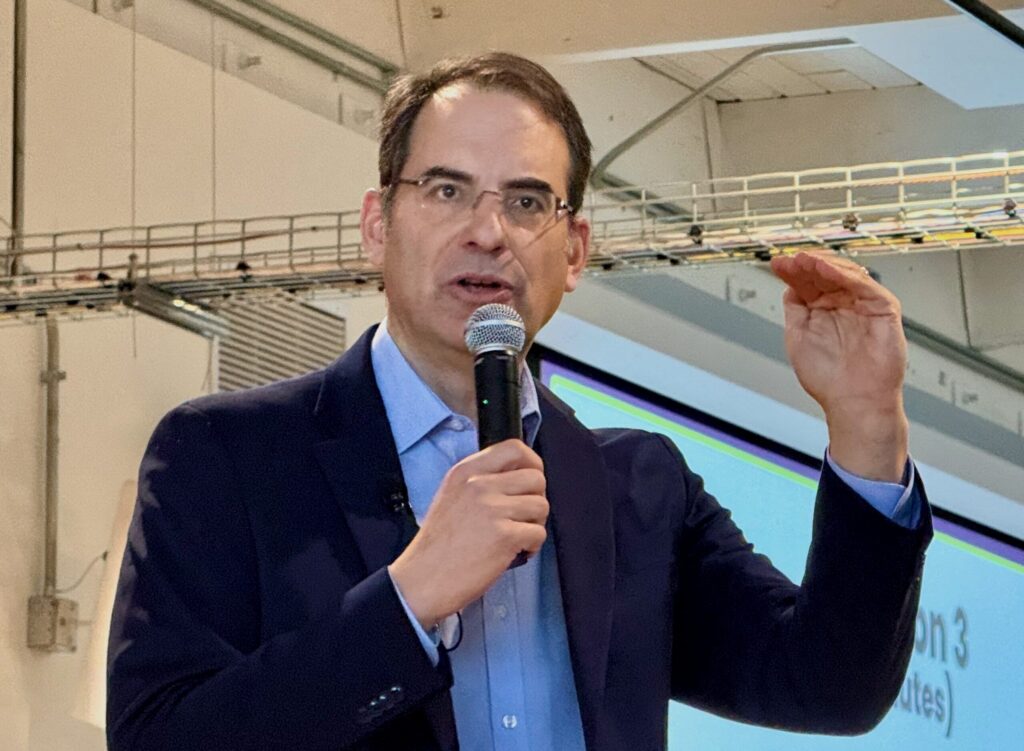
Phil Weiser wins top spot in Colorado’s Democratic gubernatorial primary at party’s state assembly
Ernest Luning
ernest.luning@coloradopolitics.com
Updated 2 days ago
Attorney General Phil Weiser’s name will appear first on Colorado’s Democratic gubernatorial primary ballot after his overwhelming win Saturday at the party’s state assembly in Pueblo. Weiser joins U.S. Sen. Michael Bennet in the June 30 primary for the office...
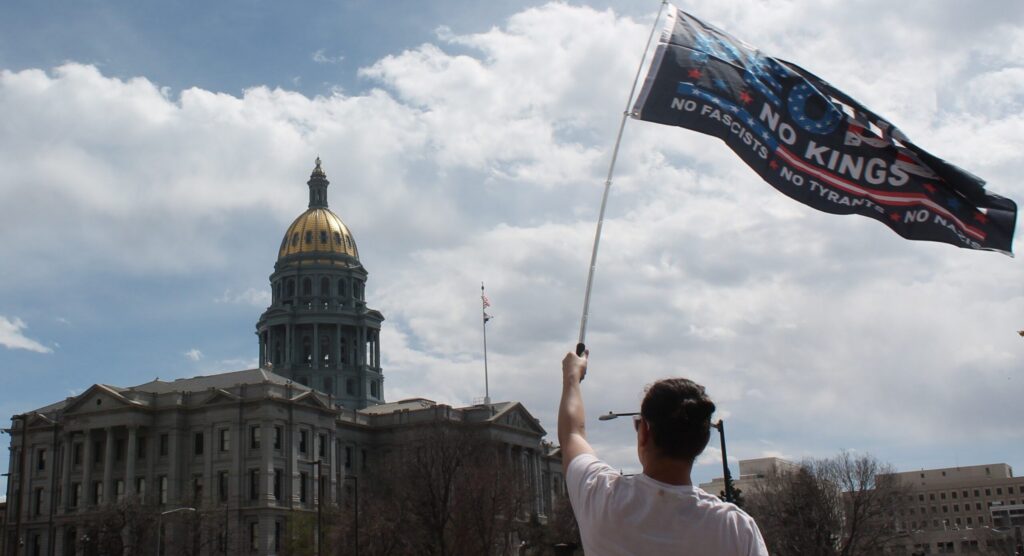
‘No Kings’ protest draws tens of thousands to Colorado state Capitol
Matt Kyle
matt.kyle@denvergazette.com
Updated 2 days ago
The third round of the national No Kings Day protests hit Denver Saturday, when tens of thousands gathered near the Colorado state Capitol to criticize the Trump administration. Organizers addressing the crowd estimated there were 30,000 present for the Saturday...
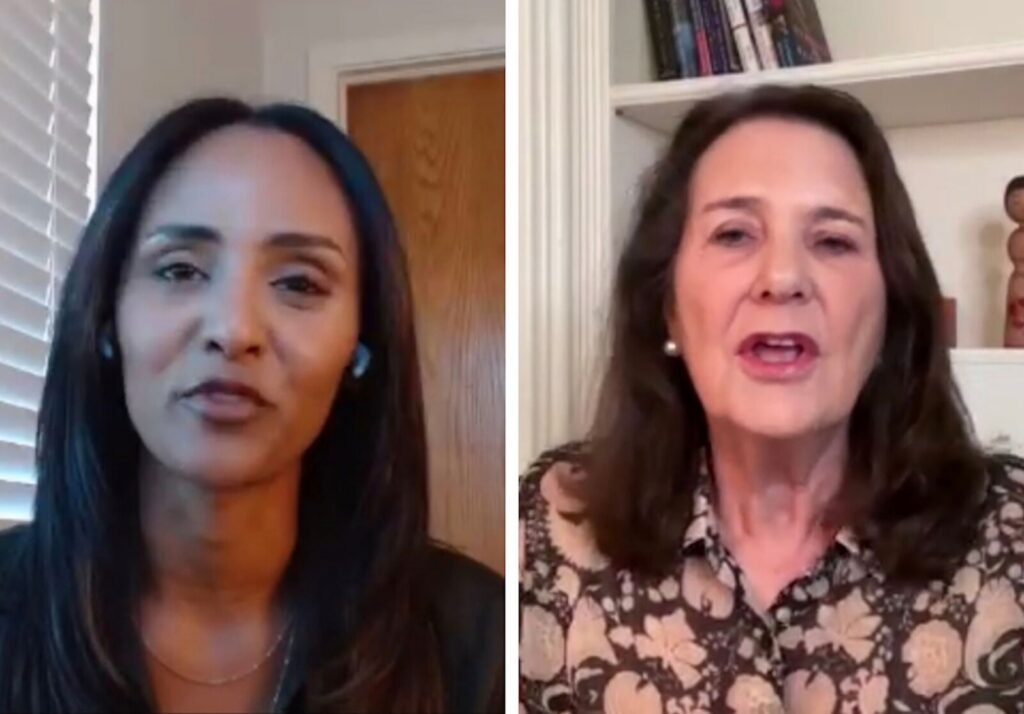
Denver Democrat Diana DeGette trails challenger Melat Kiros at assembly as both qualify for primary
Ernest Luning
ernest.luning@coloradopolitics.com
Updated 2 days ago
U.S. Rep Diana DeGette, a Denver Democrat, qualified for Colorado’s June primary by the skin of her teeth Friday at the party’s district assembly, where the 15-term incumbent received fewer than half as many delegate votes as her challenger, 28-year-old...
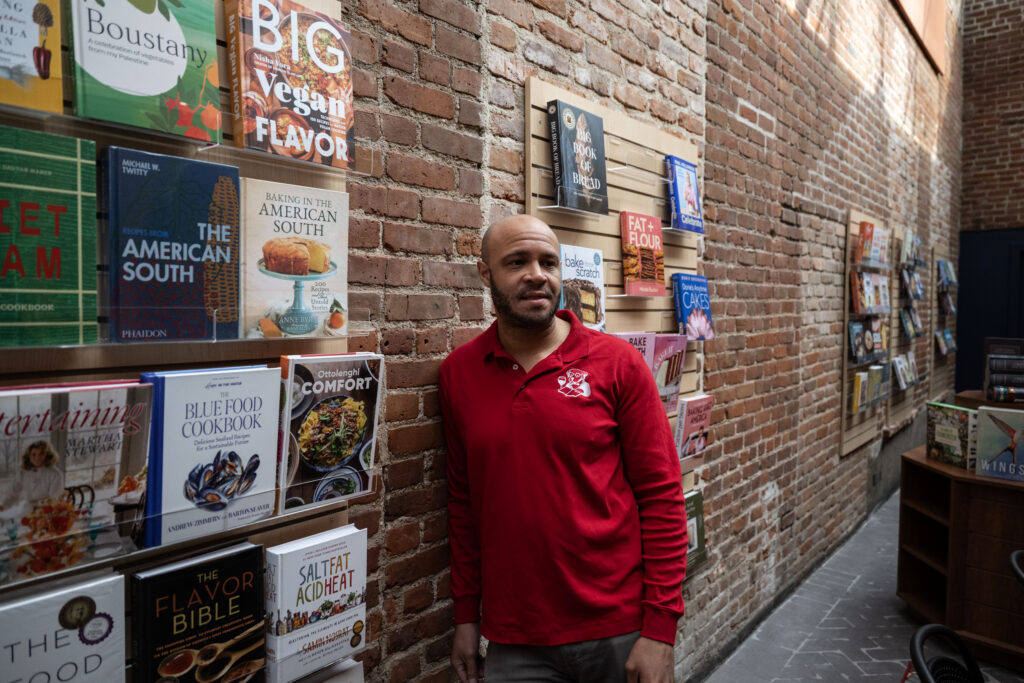
Kwame Spearman warrants plenty of criticism, not cancellation | SONDERMANN
By Eric Sondermann
by-eric-sondermann@coloradopolitics.com
Updated 4 days ago
All of us are flawed humans, some more so than others. This is the tale of Kwame Spearman who burst onto Denver’s business and political scene a handful of years back. His ride has taken a downhill trajectory. Within the...

Colorado Politics Calendar Mar. 30-Apr. 5
Rachael Wright, Special to Colorado Politics
rachael.wright@coloradopolitics.com
Updated 3 days ago
CoPo’s weekly political calendar will help you find political and public-policy events throughout Colorado. It includes candidate and issue campaign events, public policy meetings, court hearings, state and local party conventions, assemblies, debates, rallies, parades, speaking engagements, traveling dignitary appearances,...
Federal judge upholds constitutionality of Colorado campaign contribution limits
Michael Karlik
michael.karlik@coloradopolitics.com
Updated 2 days ago
A federal judge upheld Colorado’s individual campaign contribution limits as constitutional on Thursday, finding that three Republican plaintiffs failed to prove the campaign finance framework violates their First Amendment rights. U.S. District Court Senior Judge John L. Kane recognized that...

Appeals court rejects theory that existing tax revenue undermines need for new fees
Michael Karlik
michael.karlik@coloradopolitics.com
Updated 3 days ago
Colorado’s second-highest court rejected a plaintiff’s claim on Thursday that the tax revenue generated by an existing activity should prevent local governments from imposing new fees aimed at regulating the activity. The question stemmed from Colorado’s unique constraints on taxation...

Colorado ski resorts announce early closures amid historic snowpack lows, high temperatures
Kyla Pearce
kyla.pearce@gazette.com
Updated 3 days ago
As Colorado’s historically low snowpack year comes to a close and spring conditions take over the mountains, the state’s major ski resorts are announcing closing dates — some of which are weeks before historic closing dates. Most of Colorado’s ski...
Marco Rubio’s star power rises at CPAC 2026
Mabinty Quarshie and Samantha-Jo Roth, Washington Examiner
mabinty.quarshie.and.samantha-jo.roth.washington.examiner@gazetteedit.wpenginepowered.com
Updated 3 days ago
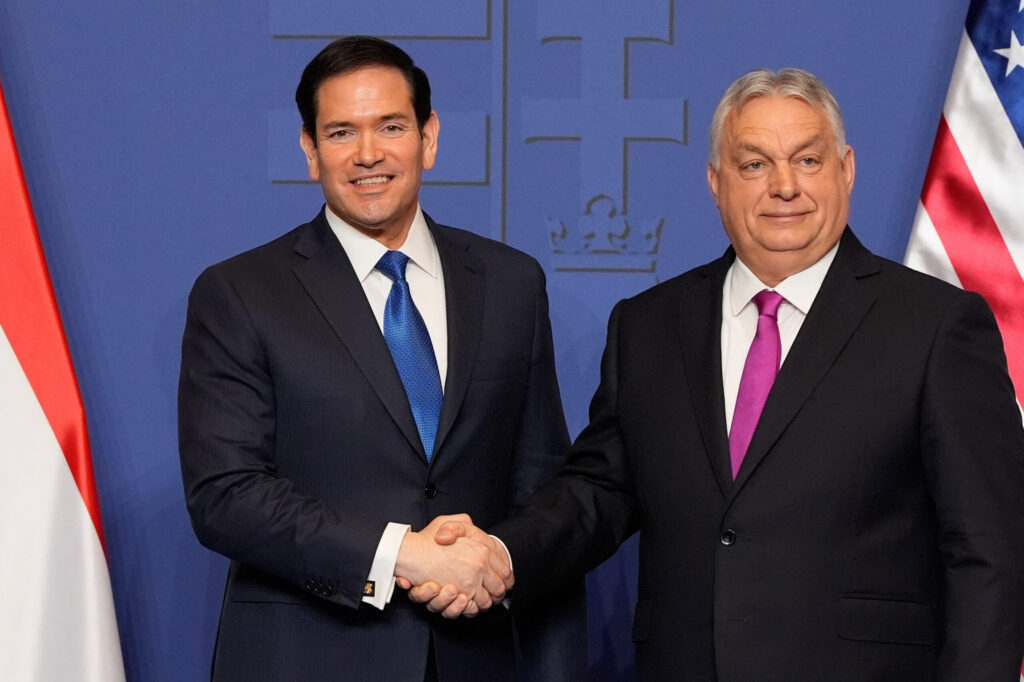
GRAPEVINE, Texas — Secretary of State Marco Rubio’s popularity is growing and could possibly boost him to one of the top two spots in the 2028 GOP presidential race, if attendees at the Conservative Political Action Conference are to be believed. ...
PREV
PREVIOUS

Arizona's US Rep. Andy Biggs to keynote Colorado Republicans' annual dinner
Republican U.S. Rep. Andy Biggs of Arizona will deliver the keynote address at the Colorado GOP’s annual fundraising dinner next week on the eve of the party’s state assembly, state Republican chairwoman Kristi Burton Brown announced. The 2022 Centennial Dinner is scheduled for Friday, April 8, at the DoubleTree by Hilton Hotel Colorado Springs. The […]

Federal judge tosses employment discrimination case, acknowledges COVID-19 may be disability
A federal judge has decided that while COVID-19 can qualify as a disability, a Colorado Springs woman terminated from her job at the outset of the pandemic failed to establish her employer violated the Americans with Disabilities Act through its reaction to a COVID-19 diagnosis. Tammy L. Baum, a former accounts receivable clerk for Dunmire Property […]