

Outdated? Marshall fire area mitigation plans more than a decade old

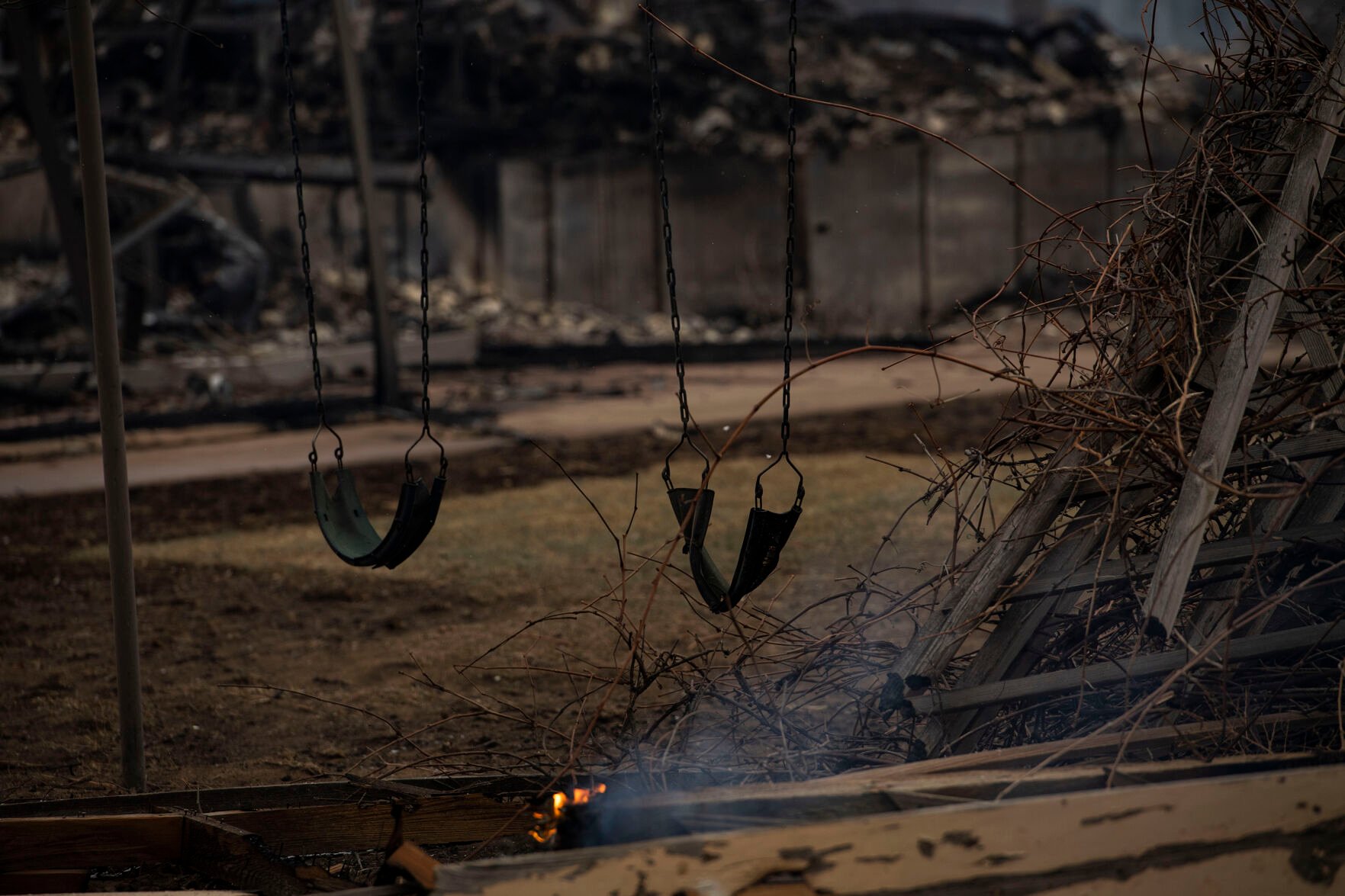
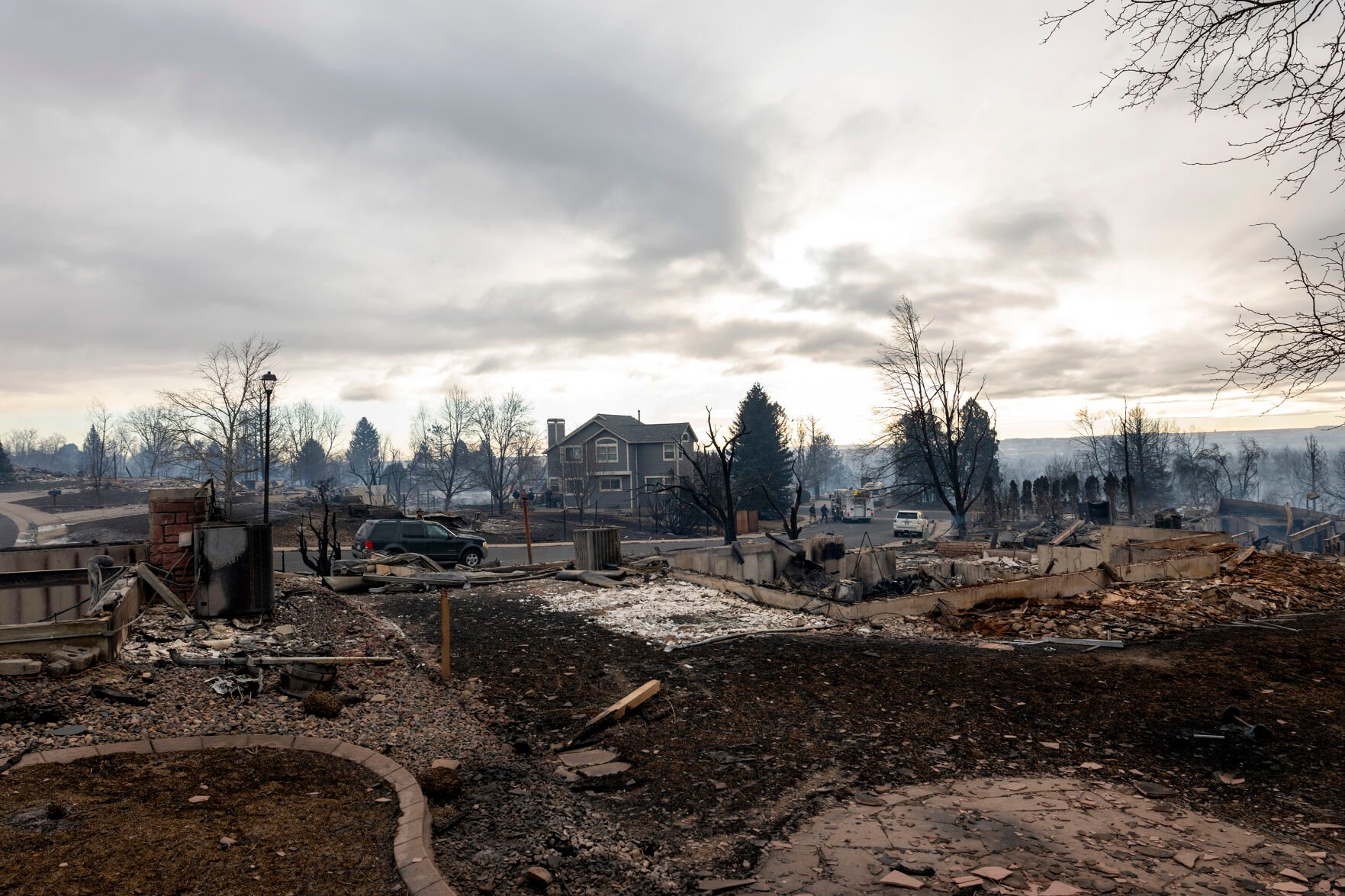
The wildfire mitigation plan for the area where the Marshall fire ripped across a suburban landscape on Thursday hadn’t been updated since 2010, predating heavy population growth in the area.
The plan, managed by the Rocky Mountain Fire Protection District, includes evacuation routes for the area, the designation of subdivisions in hazardous locations and places where proactive mitigation work should have taken place, all of which were 11 years out of date.
The area where the Marshall fire burns straddles the edge separating some of the most prone-to-burn areas of the state and more urban areas where wildfire risks are lower. And while the wildfire spread from house to house through neighborhoods, leaving thousands of Coloradans to deal with tragic loss, it mostly followed wildfire risk predictions.
To the west, in the Front Range mountains of the Boulder Open Space & Mountain Parks, wildfire risk is considered very high, according to U.S. Forest Service wildfire hazard potential data.
Nearly 1,000 structures confirmed lost in Marshall fire; 3 people missing, feared dead
Northwest of where the fire burned, most of Boulder is largely considered to be “non-burnable,” in terms of wildfire risk. The same is true to the east and northeast of the fire’s scar, in Broomfield and the center of Louisville.
And although three-quarters of the area burned by the Marshall fire is classified by the same data as a “moderate” wildfire risk or less, on the western edge, where the fire began, a combination of powerful winds moving east and “very high” wildfire risk zones combined to devastating effect. About one-sixth of the area burned by the fire was considered “non-burnable” by the federal estimate.
Why the Marshall fire was so devastating
Like much of Colorado’s Front Range, the area saw significant growth in the past 10 years, increasing in population by 17%, according to census data.
What it’s like to evacuate a hospital: As the Marshall fire bore down, so did baby Claire
A Gazette investigation from August 2021 found fewer than one out of every six of the 242 wildfire protection plans in Colorado were updated or created in the last five years. Roughly half of the plans are older than 10 years.
Colorado, unlike some other western states, does not require wildfire mitigation plans to be updated over regular intervals. In Idaho, for example, counties must update their protection plans at least every five years and state officials annually review the plans to determine areas eligible for federal grant funding for mitigation work.







Appeals court shuts down path to challenge convictions if lawyer tells jury that defendant is guilty
Michael Karlik
michael.karlik@coloradopolitics.com
Updated 9 hours ago
Colorado’s second-highest court concluded on Wednesday that defendants cannot challenge whether the evidence was sufficient to sustain their convictions if their lawyer argues to the jury that it should find the defendant guilty. The U.S. Supreme Court has provided guidance...
Colorado legislature votes to make committee hearing livestreams permanent
Marianne Goodland
marianne.goodland@coloradopolitics.com
Updated 9 hours ago
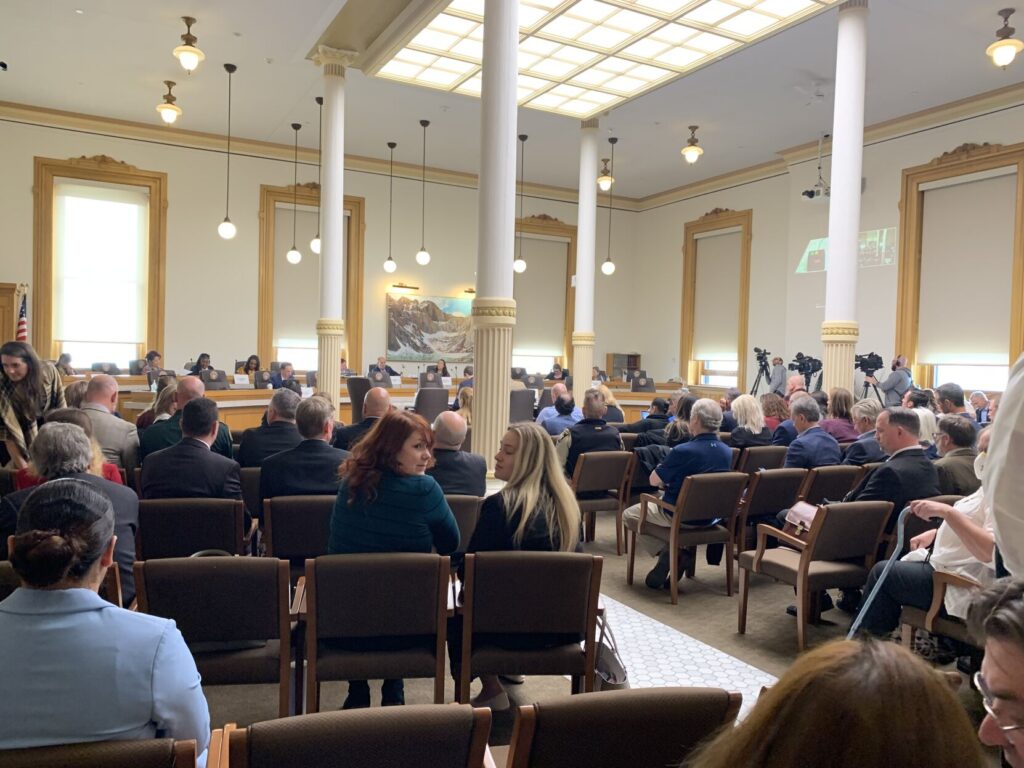
The executive committee of the legislative council—the six top leaders of the House and Senate—voted 5-1 Wednesday to make permanent the video livestreaming of committee hearings, starting in the 2026 legislative session, which begins Jan. 14. And they managed to...

Here’s where House retirements stand as clock strikes midnight on 2025
Rachel Schilke, Washington Examiner
rachel.schilke.washington.examiner@gazetteedit.wpenginepowered.com
Updated 11 hours ago
The House will return on Jan. 6, and with it, some 10% of lawmakers will start their final year in the lower chamber, either retiring or seeking higher office in the 2026 midterm elections. The lower chamber will get its...
Colorado senator, local officials push for new Colorado Springs federal courthouse
Michael Karlik
michael.karlik@coloradopolitics.com
Updated 10 hours ago
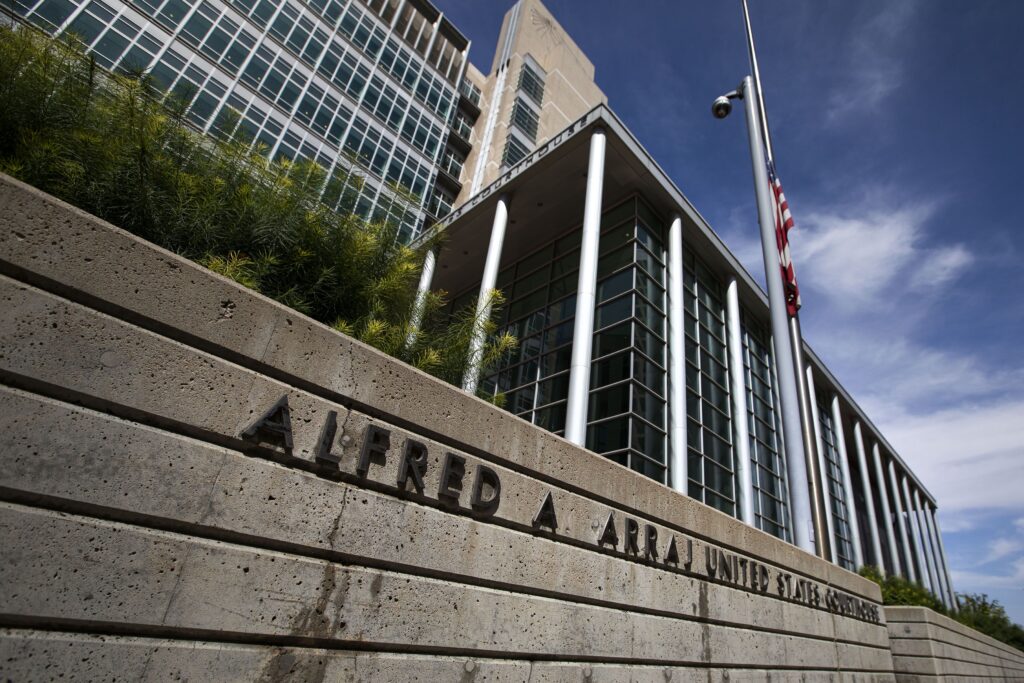
Local officials and one of Colorado’s U.S. senators urged the judiciary earlier this year to explore placing a new federal courthouse and judge’s chambers in Colorado Springs, while the district court is cautioning that Congress must establish new judgeships before...

SNAP recipients in five states will be banned from using assistance for candy and soda, beginning 2026
David Zimmermann Washington Examiner
davidzimmermannwashingtonexaminer@wpstage.coloradopolitics.com
Updated 11 hours ago
More than 1.4 million recipients of the Supplemental Nutrition Assistance Program across five states will be banned from using federal food assistance for candy and soda purchases, starting Thursday. Indiana, Iowa, Nebraska, Utah, and West Virginia are the first group...

Trump’s first year back in office: Four successes and four failures
NAOMI LIM Washington Examiner
naomi-lim-washington-examiner@coloradopolitics.com
Updated 10 hours ago
President Donald Trump is closing a seismic year as the country’s commander in chief. Since the first day of his second administration, when he issued 26 executive orders, 12 presidential memos, and four proclamations, the most first-day actions of any...
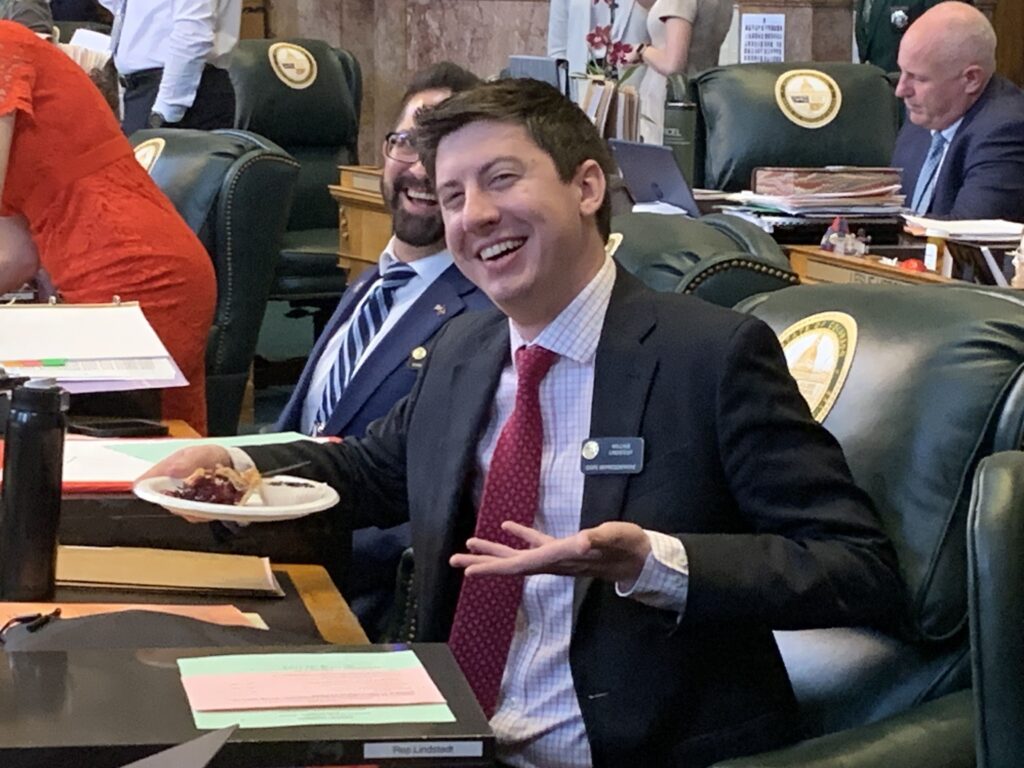
Gov. Polis appoints Lindstedt to Colorado Senate District 25 after vacancy committee misses deadline
Marianne Goodland
marianne.goodland@coloradopolitics.com
Updated 7 hours ago
Despite a similar vote by a Senate District 25 vacancy committee last week, it was up to Gov. Jared Polis on Tuesday to make sure the Senate seat was filled and ready for the 2026 session. That’s because the vacancy...

‘Rot in hell’: Trump post reignites feud with Colorado Gov. Jared Polis over Tina Peters
Thelma Grimes
thelma.grimes@coloradopolitics.com
Updated 8 hours ago
Heading into the New Year, President Donald Trump said he would like Gov. Jared Polis and others in Colorado to “rot in hell.” The object of the president’s ire is Tina Peters, the former Mesa County clerk convicted of state...

US Rep. Lauren Boebert calls for override vote after Trump vetoes bipartisan Colorado water bill
Marianne Goodland
marianne.goodland@coloradopolitics.com
Updated 8 hours ago
President Donald Trump issued the first veto of his second term Tuesday, blocking a long-awaited bipartisan effort to finish a southeastern Colorado water project that supporters say is critical to delivering clean drinking water to roughly 50,000 residents of the...

From Pope Francis to Charlie Kirk, many deaths in 2025 had a wide impact
Bernard Mcghee
bernard.mcghee@associatedpress.com
Updated 15 hours ago
The death of Pope Francis brought change to the Catholic Church, which counts 1.4 billion adherents and is now led — for the first time — by an American pope. The fatal shooting of conservative activist Charlie Kirk as he...
PREV
PREVIOUS

A tale of a dozen horses saved from Boulder wildfires by a rodeo queen
As homes burned around her, Meghan Rickel threw on her rubber boots and her Carhart Boulder Rodeo Queen jacket and got to work, pulling neighborhood horses from their flaming stomping grounds into waiting trailers. With the help of Boulder’s Mounted Search and Rescue Team, she saved 10 horses before she got to the end of […]
Polis urges Biden to visit fire-ravaged Boulder County once rebuilding starts
Gov. Jared Polis urged President Joe Biden to visit areas ravaged by the Marshall fire when the two spoke Friday just before the governor announced that the White House has approved a disaster declaration for Colorado. Federal authorities have quickly authorized disaster assistance for the state and affected residents. The swift action means federal funding […]