

Faced with influx of mental health patients, Children’s Hospital’s emergency rooms fill up

Children’s Hospital Colorado continues to see high volumes of pediatric patients, with an influx of mental health patients to emergency rooms causing the hospital to sometimes open up overflow space in a tent outside of the building.
The facility has not maxed out its capacity and is still taking patient transfers, associate chief medical officer Kevin Carney said Thursday. But levels have not dropped since early August, when an unprecedented spike in RSV patients – a common but sometimes serious respiratory infection – began to arrive at Children’s.
The tent, neither a standing nor completely unique addition, has at times been opened in Aurora to more rapidly work through patients, as wait times inside the emergency department have caused patients to wait sometimes “hours or even days” for a bed.
Though COVID-19 has been spreading among children in higher numbers than anyone else amid this latest surge, the virus is playing a “backseat” role to RSV and mental health patients. Carney said 40% of Children’s emergency department rooms “have patients with primary mental health issues in them.”
“Certainly those patients need our care just as much as patients with medical illness, but the challenge is that as we have mental health patients who are staying sometimes in our emergency rooms for many, many hours or even days as they await an inpatient bed, it has a major impact just because it becomes harder to take care of all the other patients who are arriving for medical issues,” he said.
The tent, he said, has been used before, at the beginning of the pandemic and in previous years, when there were sudden influxes of patients. It is not being used daily at Children’s.
Because of the high volume, patients in the ER are being “boarded” there, meaning kept in exam rooms while the facility waits for another bed to open up. The staffing shortages plaguing hospitals statewide are also affecting Children’s, Carney said.
The typical peak of the respiratory season is still at least a month away, based on past years. Though the situation hasn’t worsened in terms of RSV since August, Carney said the influx of mental health patients is straining the hospital.
“The days we have to employ the tent is when we’re really seeing huge backups in our emergency department because of the mental health volumes of patients,” he said.
In Colorado, Children’s has consistently warned about the youth mental health crisis. In May, the system declared a state of emergency for behavioral health in juveniles.
There are a number of factors likely contributing to the crisis, Carney said. Some of the factors, and the trend overall, predates the pandemic. The isolation, stress and lack of social contact over the past 20 months has further exacerbated it.
Despite suggestions to the contrary, Carney emphasized that there is no evidence to suggest mask wearing in schools is harming students’ mental health. Representatives from Children’s have previously emphasized that fact during public meetings about masks in schools.
“We don’t believe there’s any evidence that would suggest that mask wearing is what is leading to the spike in mental health crises with our youth,” he said. “That is really something that we have not seen any evidence for, and if anything, wearing masks and getting kids safely back into schools is what they need to help socialize and really help with a lot of the social isolation that people experienced early on in the pandemic.”

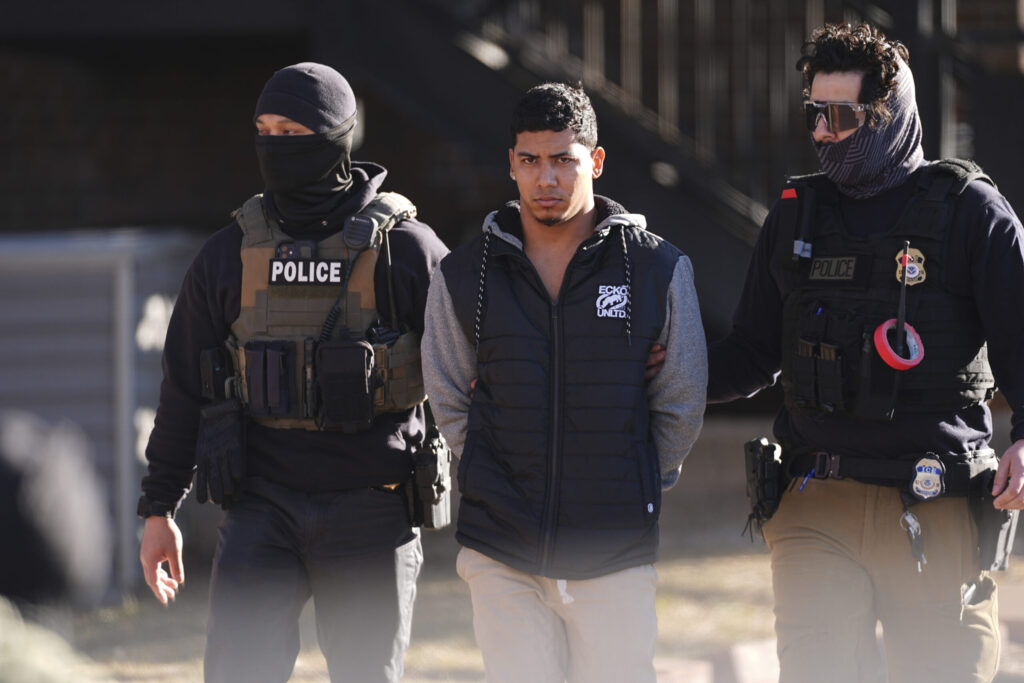
Denver police chief on mask ban, mayor’s orders: ‘What enforcement looks like, I’m not exactly sure’
Deborah Grigsby
deborah.smith@denvergazette.com
Updated 3 hours ago
Denver bans wearing of face masks by law enforcers, use of city property to stage immigration operations As Denver takes steps to restrict federal agents conducting immigration enforcement in the Mile High City, its police chief said he is unclear...
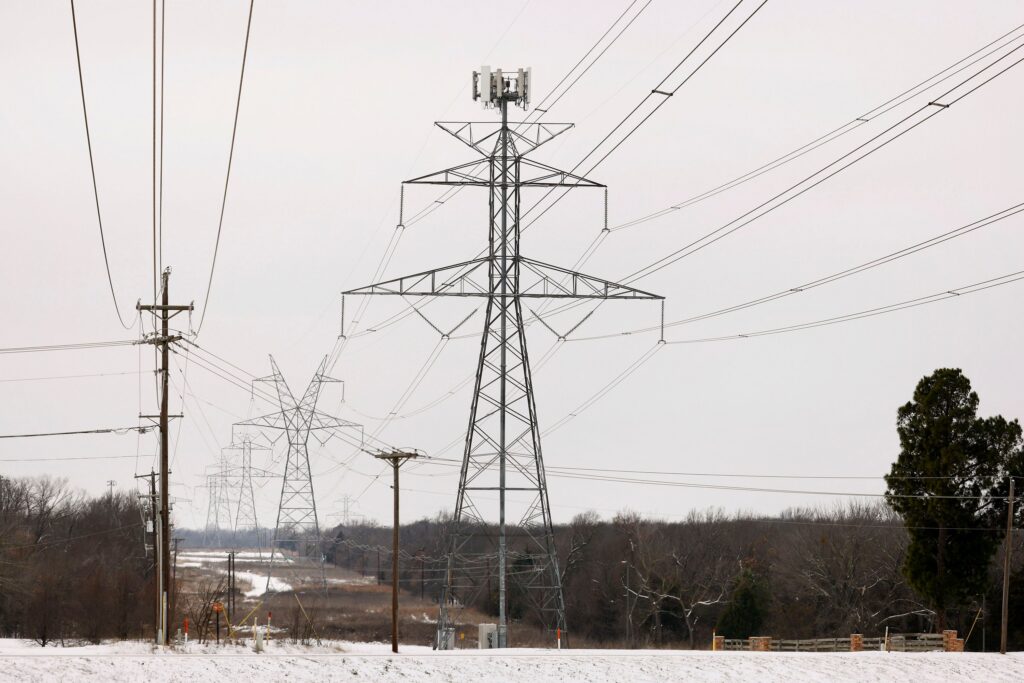
Colorado lawmakers move to curb eminent domain powers after Xcel dispute
Marissa Ventrelli
marissa.ventrelli@coloradopolitics.com
Updated 9 hours ago
After months of backlash over Xcel Energy’s use of eminent domain in eastern Colorado, lawmakers representing Elbert and El Paso counties are advancing legislation that would bar utilities from initiating property takings until they’ve secured state approval and all required...

As parents claim some AI chatbots encourage teen suicide, Colorado legislators eye regulation
Marissa Ventrelli
marissa.ventrelli@coloradopolitics.com
Updated 6 hours ago
Juliana Peralta of Thornton was a vibrant, happy kid, said her mom, Cynthia Montoya. Then, in the final months of 2023, Cynthia began to notice a change in her 13-year-old daughter. Peralta had become more withdrawn and was on her...

Trump to attend dignified transfer of six US service members killed by Iran
Christian Datoc, Washington Examiner
christian.datoc.washington.examiner@gazetteedit.wpenginepowered.com
Updated 7 hours ago
President Donald Trump will attend the soon-to-be-held dignified transfer of six American service members killed so far by Iran in Operation Epic Fury. White House press secretary Karoline Leavitt made the announcement during her Wednesday press briefing. “These heroes represent...

Judge declines to block potential Boebert challenger from going through assembly process in Colorado’s 4th CD
Ernest Luning
ernest.luning@coloradopolitics.com
Updated 9 hours ago
Congressional candidate Eileen Laubacher, one of the Democrats seeking to challenge Republican U.S. Rep. Lauren Boebert, can participate in the party’s caucuses and assemblies pending a court hearing later this month, a Denver judge ruled Tuesday in response to a...
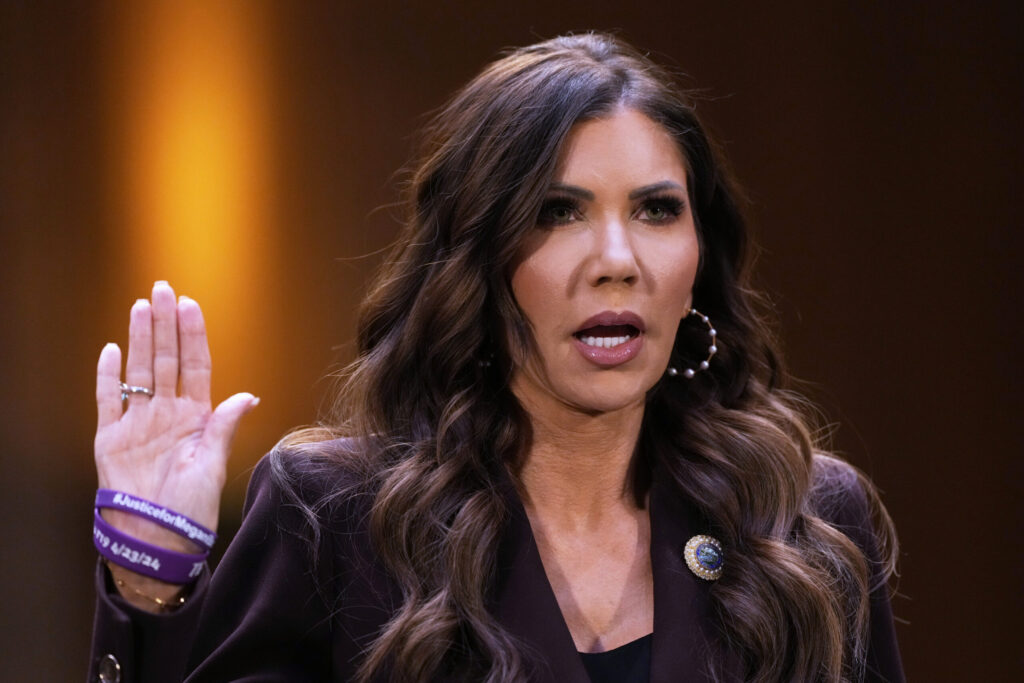
Sanctuary cities declined 17,864 requests to hold illegal immigrants for ICE in 2025: Noem
Anna Giaritelli Washington Examiner
anna-giaritelli-washington-examiner@coloradopolitics.com
Updated 10 hours ago
Sanctuary cities and counties declined to turn over 17,864 illegal immigrants in police custody to Immigration and Customs Enforcement in 2025, according to the Department of Homeland Security. Homeland Security Secretary Kristi Noem testified before the House Judiciary Committee on...
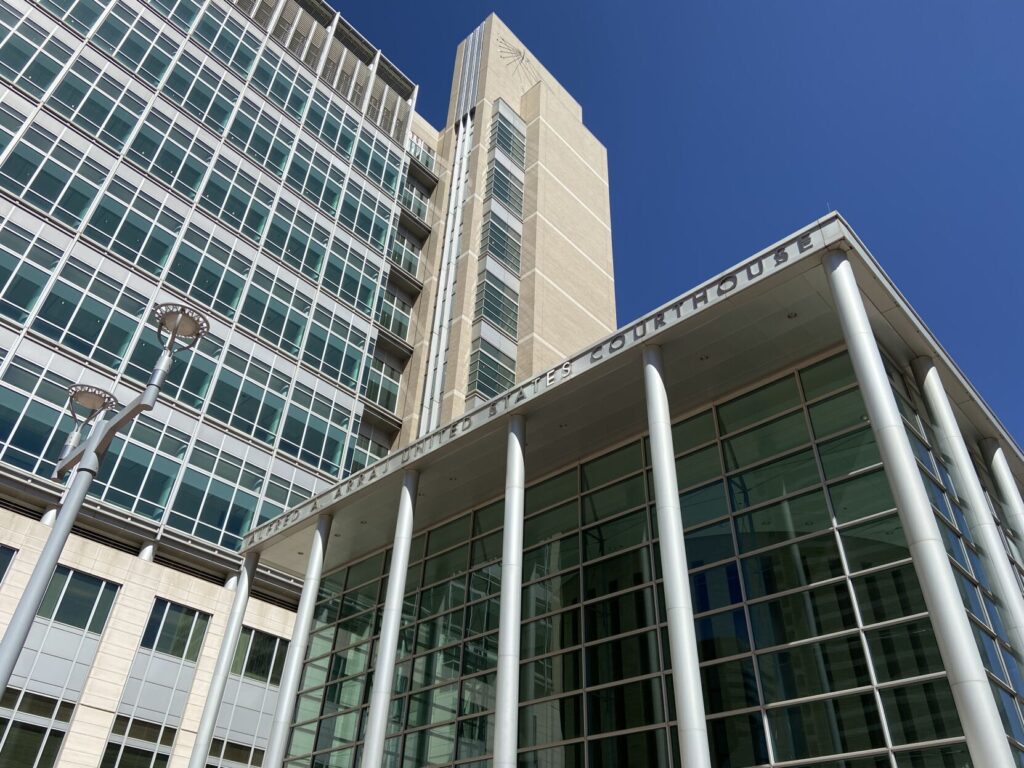
Federal judge dismisses malicious prosecution claim against former Denver prosecutor
Michael Karlik
michael.karlik@coloradopolitics.com
Updated 10 hours ago
A federal judge concluded on Monday that a former Denver prosecutor could not be sued for allegedly causing the arrests of two plaintiffs after they failed to appear for trial on the scheduled date, even though the trial had been...
Judicial discipline commission reports increased transparency, increased submissions
Michael Karlik
michael.karlik@coloradopolitics.com
Updated 11 hours ago
The Colorado Commission on Judicial Discipline received 473 misconduct complaints about judges in 2025, which was nearly 29% higher than in 2024 and substantially greater than any time in the past decade. However, only 31 complaints were referred to the commission...
Colorado Gov. Jared Polis ignites fierce debate after raising clemency questions in Tina Peters case
Marianne Goodland
marianne.goodland@coloradopolitics.com
Updated 4 hours ago
Gov. Jared Polis ignited a political firestorm Tuesday night after weighing in on the prison sentences of two former Colorado officials — a Democrat and a Republican — convicted of attempting to influence a public servant. The comments quickly fueled...

Colorado Supreme Court signals intervention in dispute over treatment for trans children
Michael Karlik
michael.karlik@coloradopolitics.com
Updated 1 day ago
The Colorado Supreme Court ordered Children’s Hospital Colorado on Tuesday to explain why it should not direct the organization to resume providing certain types of services to transgender children in compliance with the state’s non-discrimination law. Last month, a Denver...
PREV
PREVIOUS

Cole Finegan sworn in as US attorney for Colorado
Cole Finegan is officially the top federal prosecutor in Colorado, having taken the oath of office on Wednesday as the new U.S. attorney. There are approximately 160 attorneys and employees in the office, which is located in Denver and has branches in Durango and Grand Junction. “I am excited to work with the talented and […]
Appeals court says prominent civil rights lawyer may be held liable for public statements
A prominent civil rights law firm in Colorado may be held liable for the public statements of one of its lawyers, the state’s Court of Appeals ruled on Thursday, determining that the First Amendment does not provide a blanket shield for attorneys to make defamatory comments to the media. Counsel for Killmer, Lane & Newman […]