

COVID-19 deaths spike amid latest surge, hitting highest levels since last peak
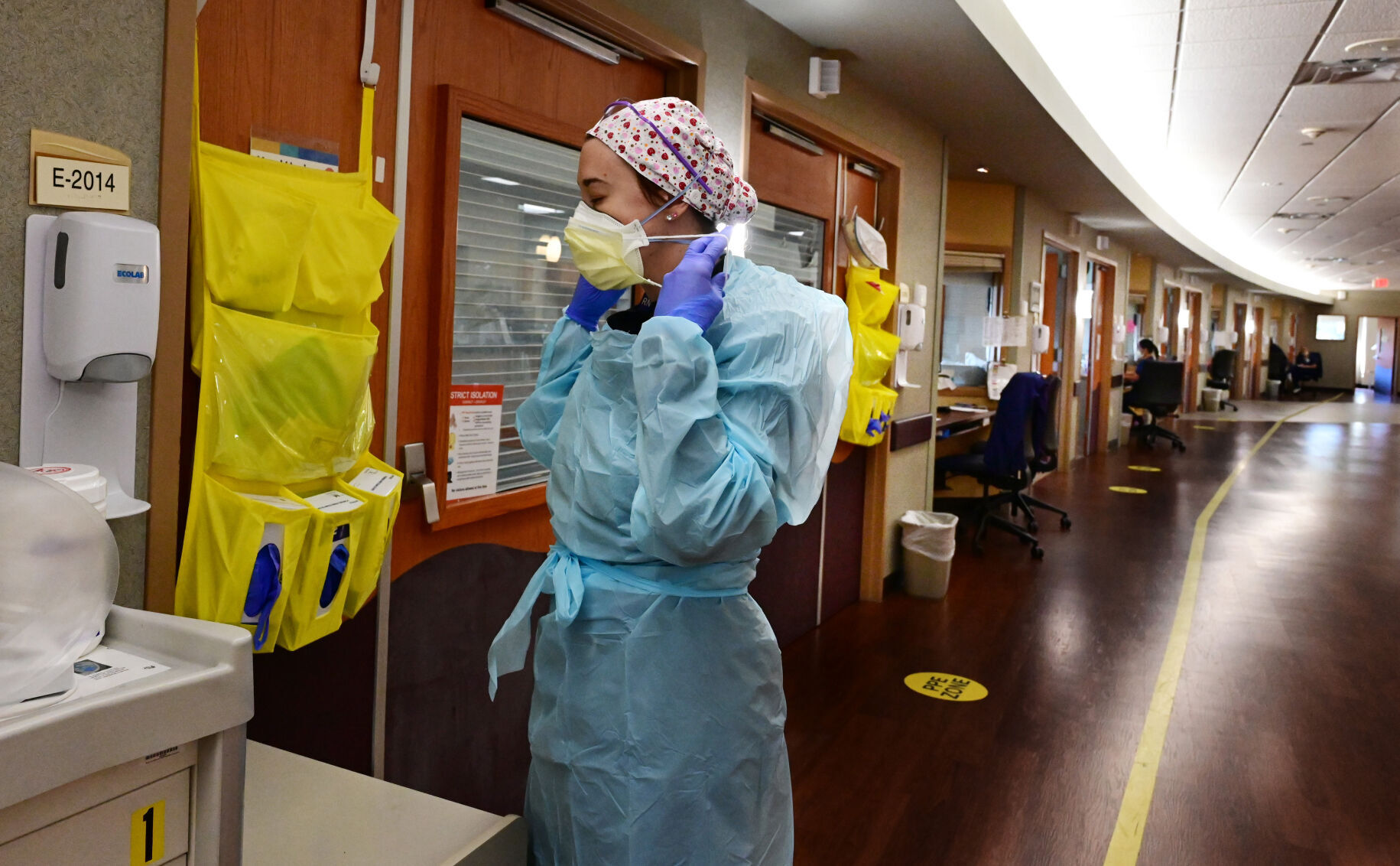
Colorado’s COVID-19 death toll has climbed to its highest levels in a year amid the latest surge in transmission and hospitalizations, and seven-day average deaths have surpassed the average number of deaths expected to be caused by cancer, the state’s leading cause of death.
The state surpassed 8,000 deaths on Oct. 12. It had taken more than three months to move from 7,000 to 8,000, but in the 22 days since the latter threshold was reached, the death toll has climbed to just over 8,600. The state has averaged more than 24 deaths per day since then.
A Centers for Disease Control and Prevention aggregated projection estimates Colorado will near 9,000 deaths by the end of the month. Even under that pace, the state would’ve reached 1,000 new deaths in less than two months, after a slow summer and spring. Some models listed by the CDC have faster and slower death projections; the agency provides an “ensemble” of these projections.
Based on a Gazette analysis of data from 2015 to 2019, cancer kills an average of 156 Coloradans over a seven-day period. At multiple points in October, the seven-day average of deaths due to COVID-19 topped 200 and, at least twice, 300.
A spokeswoman for the state Department of Public Health and Environment said in an email that COVID-19 is the fourth-leading cause of death in Colorado this year; the disease has killed 2,548 residents. Cancer has far outstripped it over the balance of the year: More than 6,000 Coloradans have died of that constellation of illnesses in 2021.
The spokeswoman said the department does “not have estimates of cause of death rankings for the most recent few months.”
In the eight weeks between Sept. 4 and the end of October, the state has reported more than 100 COVID-19 deaths seven times. The last time that had happened once was in January, when the state was recovering from its late 2020 surge. Recent deaths are still far eclipsed by that wave, when more than 400 residents died in three successive weeks.
State officials said earlier this week that deaths since the current fifth wave began have been overwhelmingly among the unvaccinated. Gov. Jared Polis said there had been roughly 300 deaths among the oldest Coloradans. Two hundred of those were among the unvaccinated, which account for as little as 5% of that total age group. The remaining 93% to 95% who are inoculated contributed roughly 100 deaths. The numbers are much starker for younger populations.
Rachel Herlihy, the state’s epidemiologist, told reporters this week that the vaccine is 100% effective in preventing death for people under the age of 39; nearly 95% effective for those between the ages of 40 and 59; 93.8% effective for the 60 to 79 band; and 77.6% effective for those over the age of 80.
Those numbers, particularly for the older residents, will improve when boosters begin to flow more readily. Though exact explanations remain elusive, officials and public health experts have suggested one explanation for the recent surge in cases and hospitalizations is waning immunity: Some of the state’s most vulnerable residents were inoculated first, in January, and thus have had the longest amount of time for which their immunity to decline.
The boosters, however, indicate significant success in preventing both hospitalization and death.
Gazette staff writer Evan Wyloge contributed to this report.
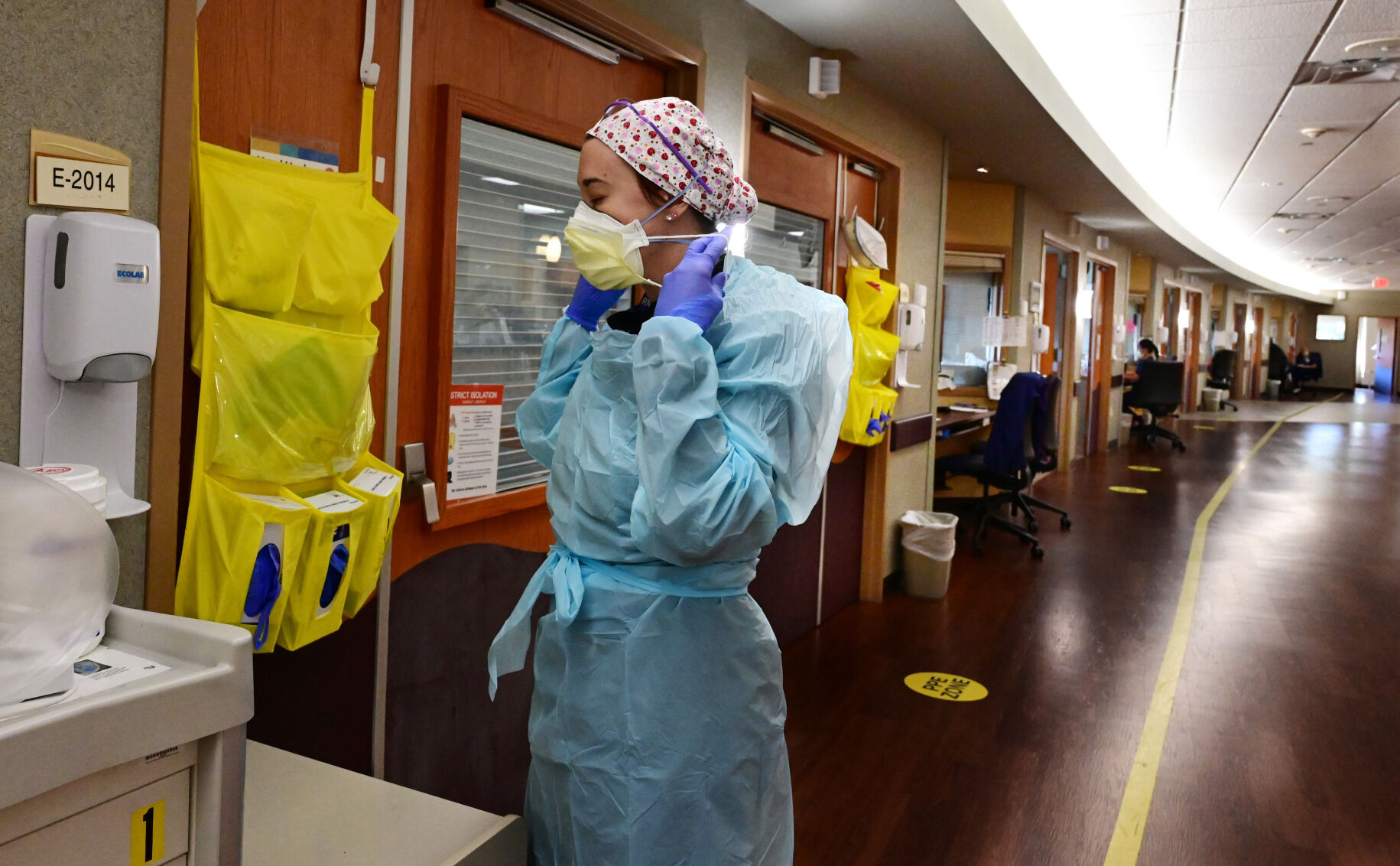


New jaguar spotted in Arizona points to progress in endangered species’ recovery | OUT WEST ROUNDUP
The Associated Press
the-associated-press@coloradopolitics.com
Updated 5 days ago
ARIZONA New jaguar spotted in wild The spots gave it away. Just like a human fingerprint, the rosette pattern on each jaguar is unique so researchers knew they had a new animal on their hands after reviewing images captured by...
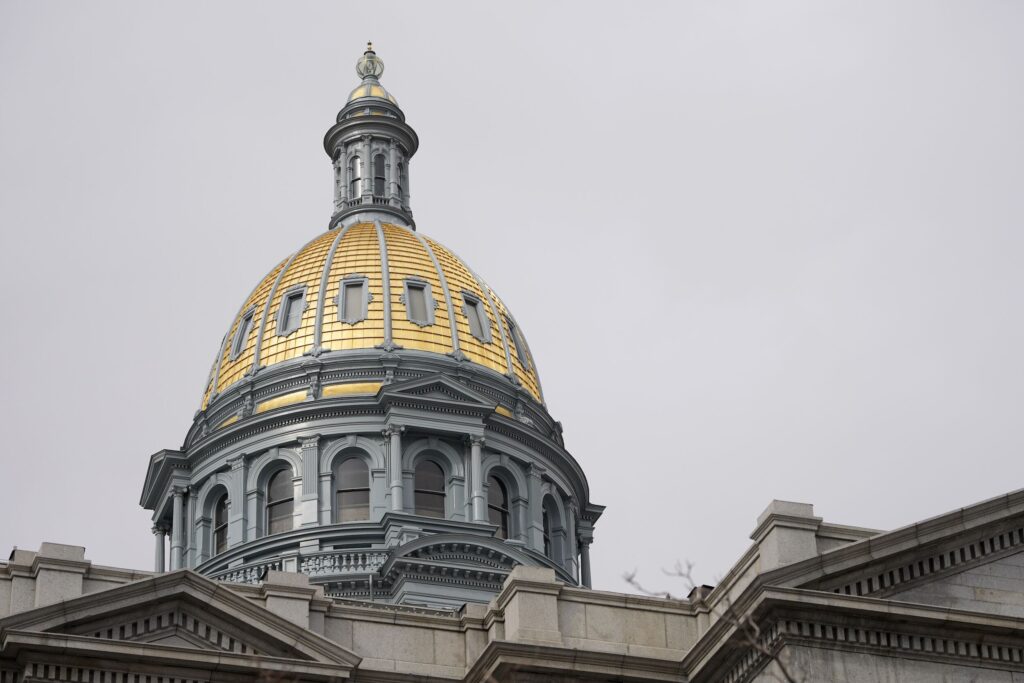
8 exemplars to guide us into the new year | SONDERMANN
Eric Sondermann
eric-sondermann@coloradopolitics.com
Updated 4 days ago
It started as a one-off in my first year of writing this regular column. To ring in the new year back in the eventful year of 2020, I offered a shoutout to eight Coloradans who served as models of how...
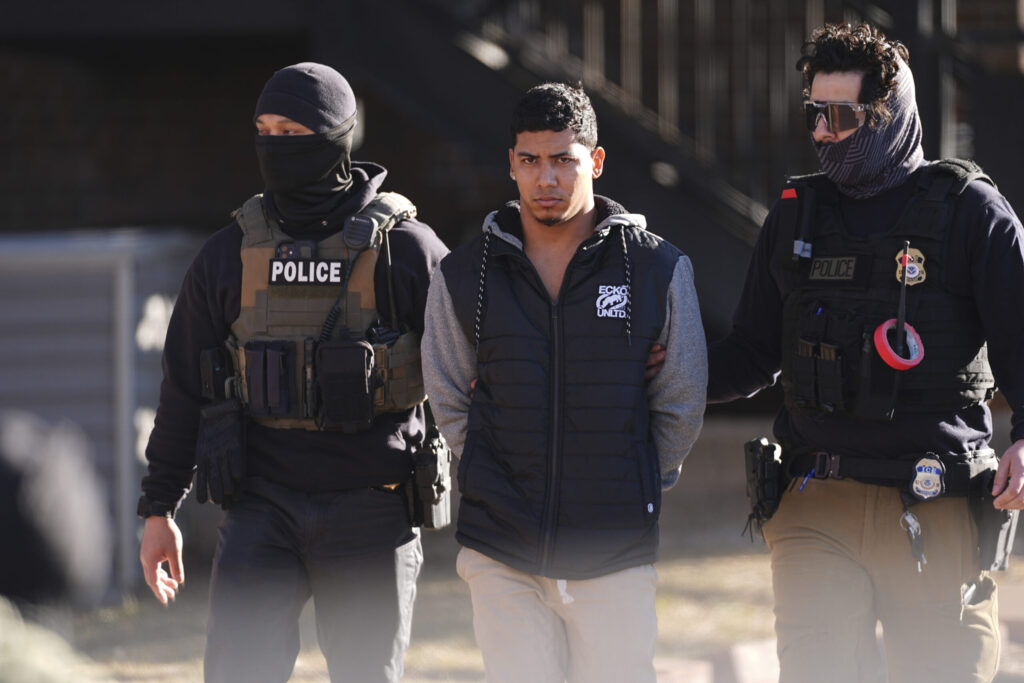
Raids, pushback and TdA indictments defined Denver’s immigration story in 2025
Nico Brambila
nico.brambila@denvergazette.com
Updated 1 day ago
The Trump administration’s push for a large-scale, deportation effort — built around campaign warnings about Tren de Aragua, the Venezuelan prison gang that established a foothold in Colorado — collided with the realities on the ground in Denver, where raids...
Denver’s budget deficit shaped 2025 news coverage
Deborah Grigsby
deborah.smith@denvergazette.com
Updated 1 day ago
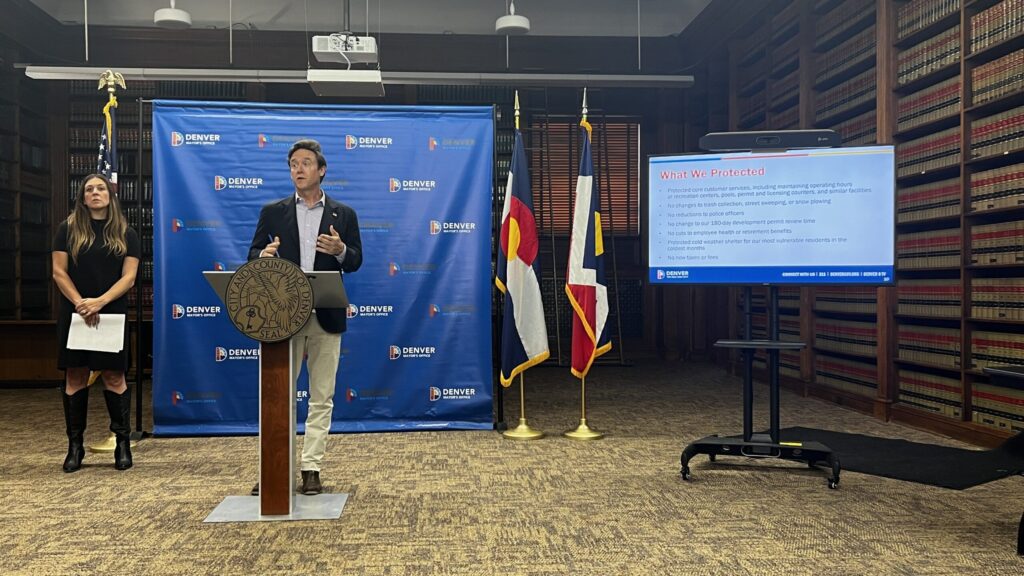
It was a year of big goals on a tight budget for the Mile High City, where Mayor Mike Johnston’s announcement of a $200 million city budget deficit dominated the news coverage. Facing a $50 million gap in its 2025...
Colorado podcaster who has called for political foes to be executed joins GOP primary for governor
Ernest Luning
ernest.luning@coloradopolitics.com
Updated 1 day ago
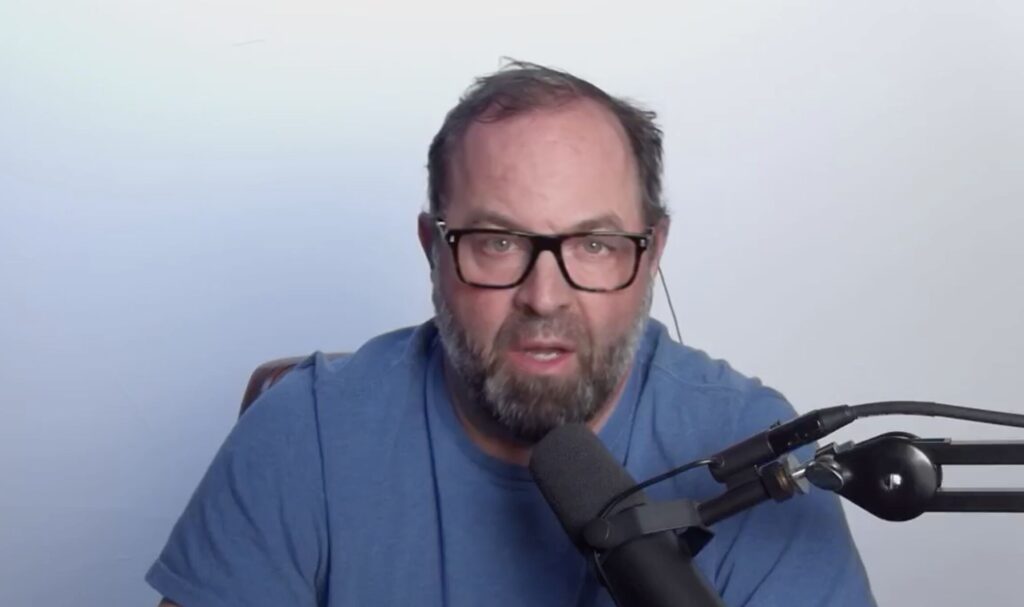
Joe Oltmann, the conservative Colorado podcaster who has repeatedly called for Colorado’s top elected officials to be executed and whose uncorroborated claims that the 2020 election was rigged spawned multiple defamation lawsuits, declared his candidacy for the Republican nomination for...

‘The canary in the democracy mine is local journalism’ | Vince Bzdek
Vince Bzdek
vince.bzdek@gazette.com
Updated 1 day ago
Colorado could do a lot more to save newspapers – and democracy – in rural areas By Vince Bzdek As another new year and another legislative session dawn for Colorado, it’s a good time to ask what the absolute most...
Colorado’s national correspondent recounts violent KKK march in D.C. | A LOOK BACK
Rachael Wright
rachael.wright@coloradopolitics.com
Updated 5 days ago
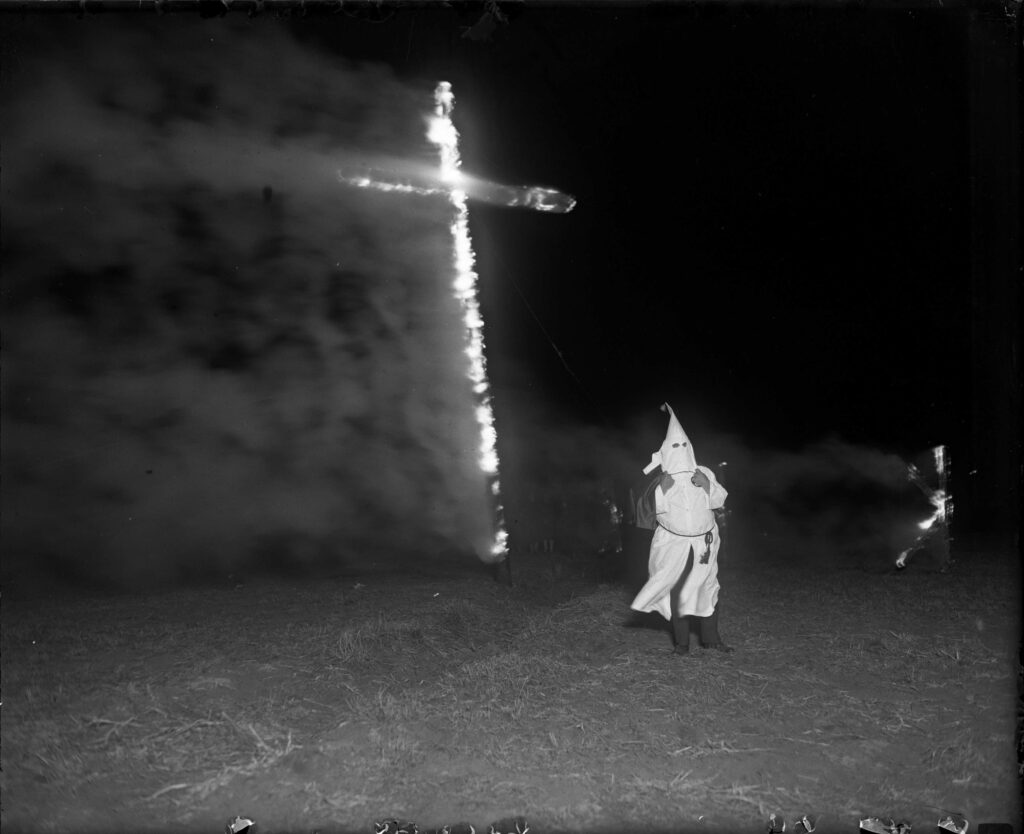
by Rachael Wright Thirty-Five Years Ago This Week: “I had forgotten about the Ku Klux Klan,” said Ann Downing Schmidt, The Colorado Statesman’s Washington, D.C., correspondent. In a commentary piece published in The Statesman, Schmidt described trying to make the ten-minute drive from...
2025 Unfiltered: Ethics investigations, scandals plague Colorado Capitol
Marianne Goodland
marianne.goodland@coloradopolitics.com
Updated 1 day ago
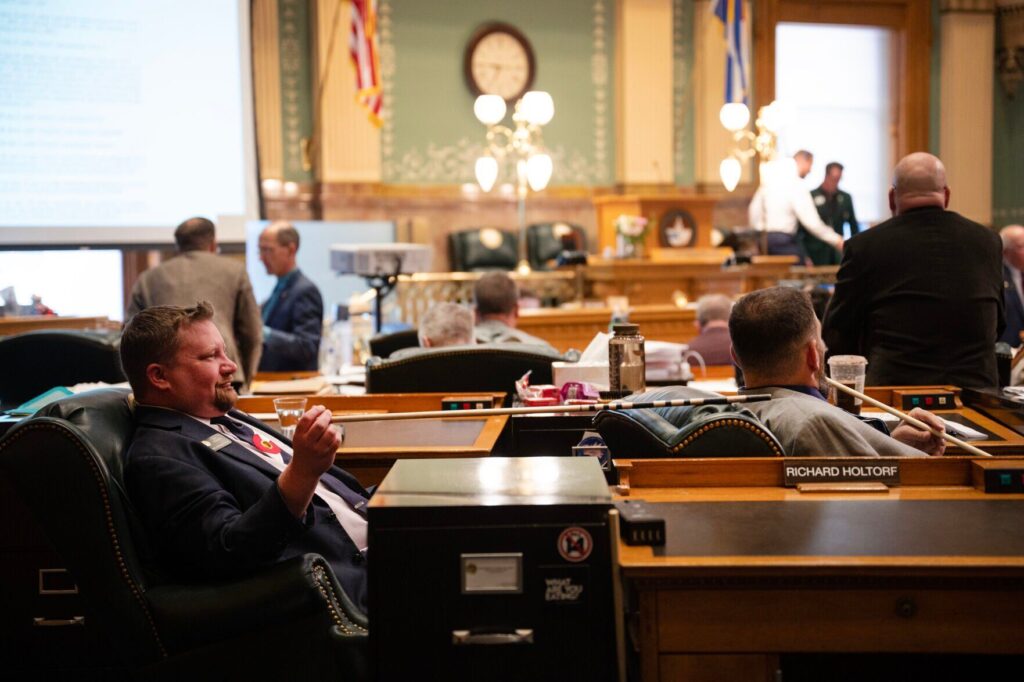
Over the course of the year, a series of investigations, allegations and controversies emerged at the state Capitol, drawing scrutiny to the behavior of elected officials and, in some cases, overshadowing policy debates. Here are some of the notable investigations,...
2025 Unfiltered: Top stories of the Colorado General Assembly
Marianne Goodland
marianne.goodland@coloradopolitics.com
Updated 48 minutes ago
In 2025, the Colorado legislature faced a budget deficit, sought to tackle a lingering housing crisis and saw a wave of lawmakers leaving for other opportunities, prompting multiple vacancy committees to act. Here are a look at the year’s top...
2025 Unfiltered: Colorado Supreme Court vacancy, surge in federal filings and more
Michael Karlik
michael.karlik@coloradopolitics.com
Updated 1 day ago
This year was awash in legal news nationally, with federal courts taking an outsize role in responding to executive branch actions. In Colorado, that effect was evident, but it was not the only factor at play. Here are the top...
PREV
PREVIOUS

Republican candidates dominate Aurora City Council election
The party balance of the Aurora City Council was rocked Tuesday as Republican candidates won four of the five open seats, according to unofficial results from the Secretary of State’s office. As of 4 p.m. Wednesday, Republicans Danielle Jurinsky and Dustin Zvonek are projected to win the two at-large seats, in addition to Steve Sundberg […]

Republican passion, economics, national frustration may have driven 'no' votes on parks, roads, school bonds in El Paso County, Colorado Springs
El Paso County and Colorado Springs voters said “no” on Tuesday’s ballot to funding recently popular issues such as parks, trails and open space, and county roads – results that may have been driven by Republican enthusiasm at the polls, economics and national frustrations. Residents also endorsed a spate of right-leaning school board candidates across […]