

Justices block animal cruelty measure from ballot

The Colorado Supreme Court halted a ballot initiative that would have expanded animal cruelty protections for livestock, handing a victory to the agricultural organizations that opposed the measure.
The justices issued a rare written opinion on Monday reversing the actions of the Title Board, which is the gatekeeping body that advances proposed ballot initiatives to the signature-gathering stage only if it approves a title describing the initiative to voters.
Initiative #16, also known as Protect Animals from Unnecessary Suffering and Exploitation (PAUSE), would have placed parameters on the slaughter of livestock and, as the most controversial feature, redefined “sexual act with an animal” to include penetration, however slight, into an animal’s anus or genitals with an object or body part.
“Although the central theme of the initiative is incorporating livestock into the animal cruelty statutes, redefining ‘sexual act with an animal’ strays into a second subject by addressing the bodily integrity of all animals, not just livestock,” wrote Justice William W. Hood III for the Court. As such, “there is the potential for the very kind of voter surprise against which the single-subject requirement seeks to guard – here, voters might not understand that what is nominally a livestock initiative also affects the care of all animals, or vice versa.”
On March 14, the three-member Title Board awarded a ballot title to Initiative #16, finding that it encompassed a single subject as the constitution requires. Subsequently, a group of a half dozen objectors asked the board to reconsider its decision, arguing the measure contained multiple subjects and used “politically-charged code to get this past a majority of voters.”
Although board members did revise some of the language, they rebuffed the request to reject the measure outright. The objectors then turned to the Supreme Court.
In addition to the single-subject question, the issue for the Court to decide was whether phrases like “animal cruelty” and “sexual act with an animal” in the title were catchphrases meant to improperly appeal to voters’ sympathy.
“These phrases suggest that the primary purpose of this measure is to counter sexual acts between humans and animals,” wrote Mark G. Grueskin, attorney for the objectors, to the Court. “By using this misdirection of voter attention, Initiative 16 was intended to, and the titles do, trigger strong emotional and political responses that are far removed from the Initiative’s other purposes. Indeed, the political debate around Initiative 16 is already being framed around whether or not a person supports sex with animals.”
The groups opposing PAUSE under the name Coloradans for Animal Care included the Colorado Farm Bureau, the Colorado Cattlemen’s Association, Colorado Dairy Farmers, Colorado Wool Growers Association, Colorado Livestock Association and the Colorado Pork Producers Council.
“Initiative 16 was one of the most radical ballot initiatives this state has ever seen. Had it passed, it would have ended animal agriculture, rodeos, dog shows and much more,” said the Colorado Farm Bureau in a statement on Monday. “We are hopeful that these kinds of extreme initiatives stop here.”
The designated representatives for the PAUSE measure, Alexander Sage and Brent Johannes, argued to the Court that animal cruelty takes many forms, and residents would clearly see from the ballot title that “a ‘yes’ vote means that a Colorado voter agrees with enhancing the statutes related to cruelty to animals.”
In its decision, the Supreme Court did not evaluate the claim that the title contained improper or politically-charged catchphrases. It also agreed with the proponents that changes related to the slaughter of livestock did fit within the measure’s subject.
However, it was the provision redefining sexual acts with an animal that the justices concluded went beyond the stated subject of expanding animal cruelty protections for livestock.
“Instead, it would modify the standard of care for all animals by criminalizing new conduct, regardless of whether that conduct is directed at livestock or other animals,” wrote Hood. Creating a new prohibition applicable to all animals could, he added, surprise voters who believed they were weighing a measure solely pertaining to livestock.
Proponents of Initiative #16 did not immediately respond to a request for comment. The ballot initiative’s website indicated the purpose of the proposal was to extend existing protections for dogs and cats to farm animals, and allowing for their slaughter after reaching adulthood.
Opponents were concerned that the language to redefine sexual acts with an animal may have outlawed artificial insemination practices, and a nonpartisan analysis found the initiative would increase the cost of meat.
Rep. Marc Catlin, R-Montrose, who is the vice chair of the House Rural Affairs & Agriculture Committee, said in a statement that animal safety is a top priority for those in the agriculture industry. But the PAUSE initiative “would have severely harmed one of the state’s greatest industries, and thereby furthering the urban-rural divide.”

Colorado justices weigh fairness concerns after defendant prevailed despite ghosting case
Michael Karlik
michael.karlik@coloradopolitics.com
Updated 8 hours ago
Members of the Colorado Supreme Court struggled on Tuesday to balance the need for one defendant to shield itself against a plaintiff’s claim that its employee sexually assaulted her child, and the fact that the employee legally admitted the allegations...
Colorado justices skeptical of appellate court’s limitation on prosecution’s appeal
Michael Karlik
michael.karlik@coloradopolitics.com
Updated 3 days ago
The Colorado Supreme Court seemed skeptical on Tuesday that Denver prosecutors should be barred from appealing a trial judge’s permanent dismissal of a criminal case, based upon the sequence of events after the original ruling. Prosecutors charged Quinn M. Jebe...

Federal judge: Government violated order shielding man from deportation in ‘one-off mistake’
Michael Karlik
michael.karlik@coloradopolitics.com
Updated 1 day ago
A federal judge acknowledged on Thursday that the government violated his order by deporting a man in immigration detention during his pending court case, but it “serves nobody’s interests” to require the government to return him. On Feb. 18, Tesfami...
Colorado Supreme Court lifts curtain on decision-making at legal event
Michael Karlik
michael.karlik@coloradopolitics.com
Updated 4 days ago
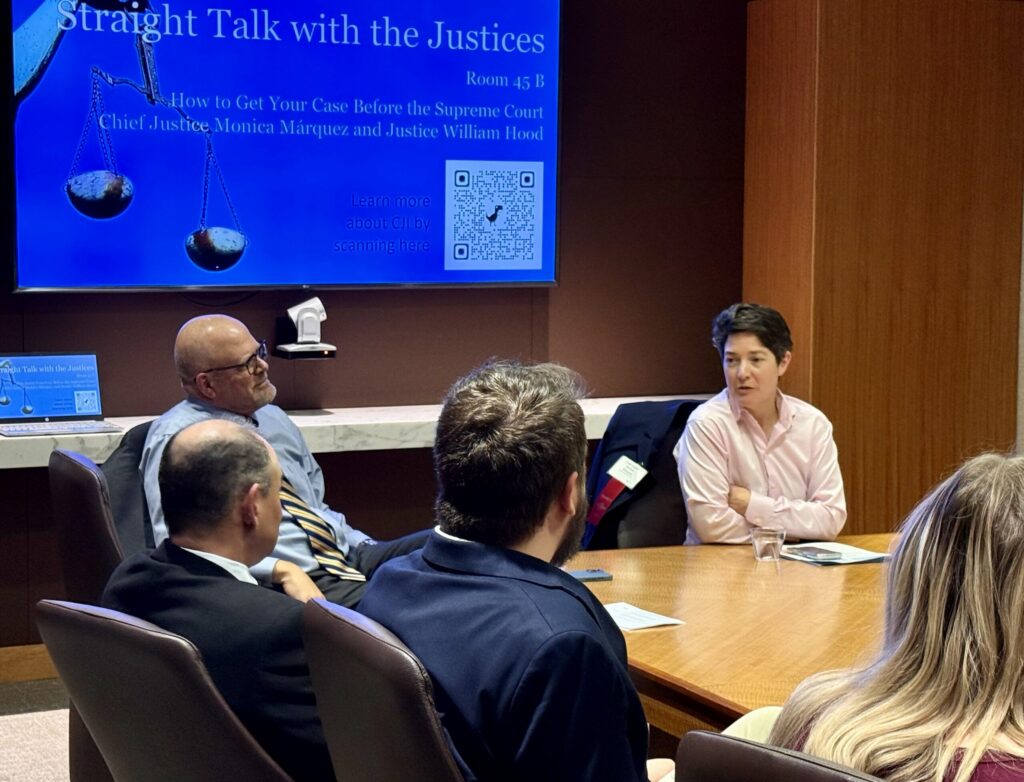
Members of the Colorado Supreme Court sat down with lawyers on Wednesday to answer questions about behind-the-scenes topics, including what happens immediately after an appeal is argued, why they might intervene in an ongoing case, and the consequence of a...
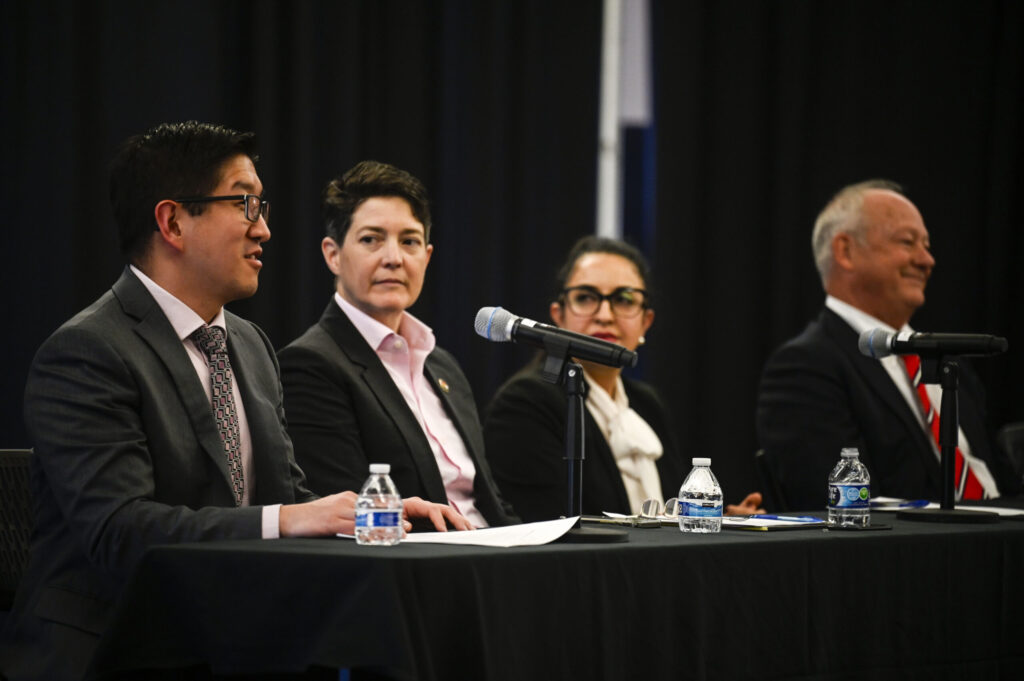
Colorado’s newest federal judge speaks about techniques for advancing cases
Michael Karlik
michael.karlik@coloradopolitics.com
Updated 9 hours ago
U.S. Magistrate Judge Cyrus Y. Chung described on Wednesday the various tactics he employs to resolve court cases, summing up his role with a laxative-based metaphor. “Someone told a group of us federal magistrate judges that magistrate judges are the...

Federal judge hears ICE agents’ confusion about law, injunction on warrantless arrests
Michael Karlik
michael.karlik@coloradopolitics.com
Updated 5 days ago
A federal judge heard testimony on Tuesday from U.S. Customs and Immigration Enforcement agents in Colorado, who had trouble describing the requirements of his recent injunction and the training they received on making warrantless arrests pursuant to the law. On...

10th Circuit dismisses challenge to Colorado legislature’s decorum rules
Michael Karlik
michael.karlik@coloradopolitics.com
Updated 1 day ago
The Denver-based federal appeals court concluded on Tuesday that Colorado lawmakers cannot be sued for creating and enforcing rules of decorum that circumscribe the public commentary allowed at legislative committee hearings. A three-judge panel of the U.S. Court of Appeals...
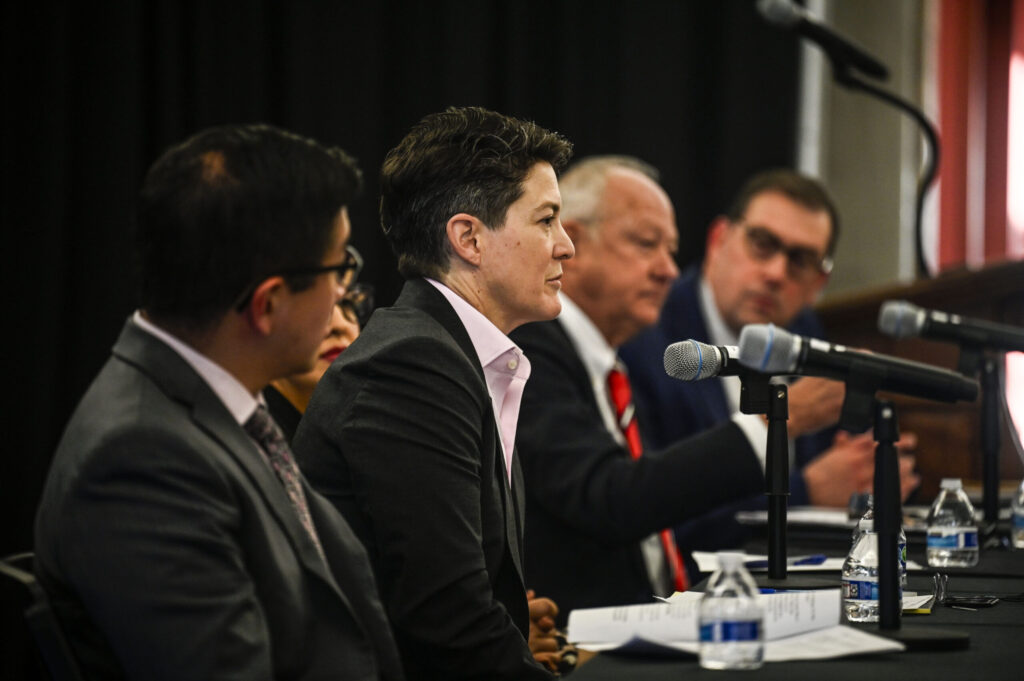
Colorado Supreme Court blocks ballot initiative defining ‘fees’
Michael Karlik
michael.karlik@coloradopolitics.com
Updated 6 days ago
The Colorado Supreme Court blocked a proposed ballot initiative on Monday that would have required voter approval for new fees above a certain threshold, while also enshrining a definition of “fee” into the state constitution for the first time. Chief...
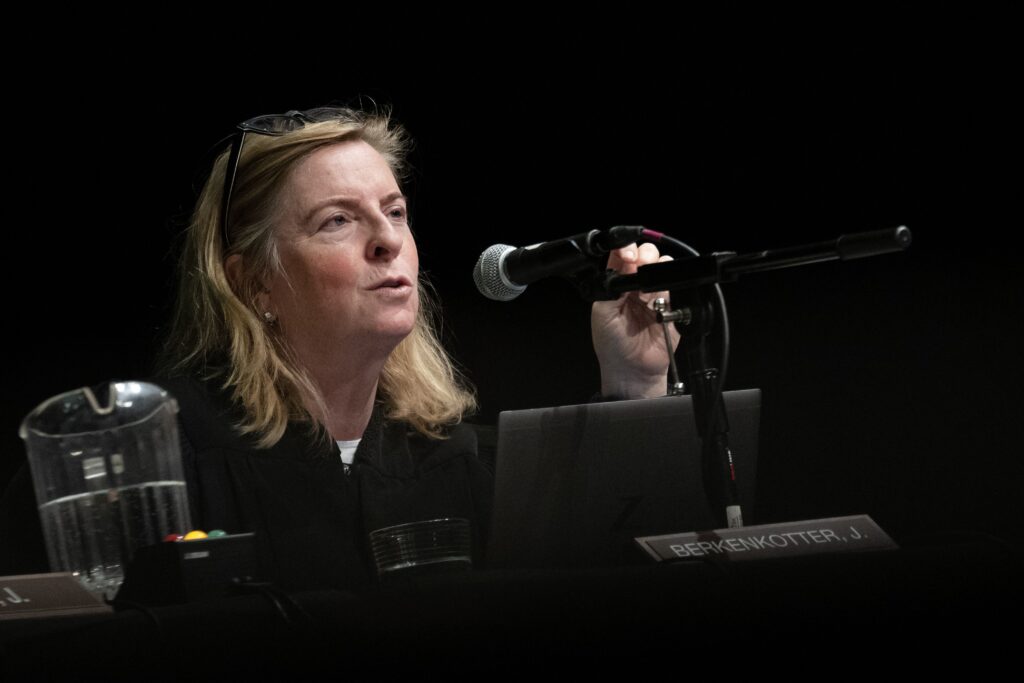
Colorado justices, by 5-2, say Longmont detective did not violate suspect’s Miranda rights
Michael Karlik
michael.karlik@coloradopolitics.com
Updated 2 days ago
The Colorado Supreme Court’s majority ruled on Monday that a Longmont detective did not coerce a suspect into talking by making references to how a judge would look at his character, and by suggesting he may get out of prison...
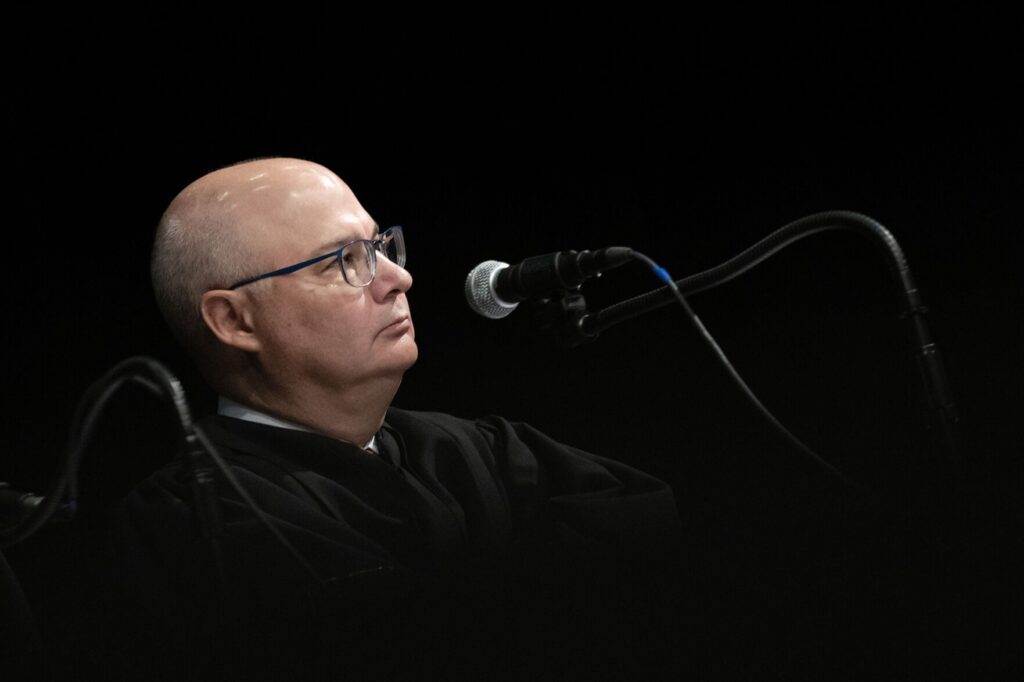
Colorado justices find Fort Collins police lacked probable cause to arrest suspect in park
Michael Karlik
michael.karlik@coloradopolitics.com
Updated 7 days ago
The Colorado Supreme Court agreed on Monday that Fort Collins police lacked probable cause to arrest a man for a child sex offense based on his presence in a public park around the time they intended to meet with their...
PREV
PREVIOUS

COURT CRAWL | Status of Biden's judicial nominees, major civil rights decisions
Welcome to Court Crawl, Colorado Politics’ roundup of news from the third branch of government. After taking a week off, there is a lot to cover, including the Senate hearing for a Colorado judicial nominee and some major civil rights rulings from the federal courts here. Close scrutiny of Biden’s nominee ? Some Republican senators took […]

Q&A with Dominique Mendiola | MED's new senior director brings a focus on social equity
There’s a new cannabis sheriff in town, but this one doesn’t have a badge. The Marijuana Enforcement Division last month tapped Dominique Mendiola as its next senior director, the first Mexican-American woman to hold the position since state law began allowing recreational marijuana sales in 2014. Mendiola is also the first senior director without a law […]