

ACLU, Department of Corrections reach settlement over prison coronavirus protocols

The ACLU of Colorado announced on Friday that it has reached an agreement with the state’s Department of Corrections that would address inmate safety during the COVID-19 pandemic amid soaring caseloads nationwide.
“This resolution gives essential protections to thousands of people who are incarcerated and terrified of this deadly virus, and could not have happened without the significant efforts by all of the state’s leadership from the beginning,” said Anna Holland Edwards, an attorney cooperating with the ACLU on the case.
The civil liberties watchdog filed a class action complaint against the state in May alleging violations of detainees’ constitutional rights. Requesting that a court direct the CDOC to protect medically-vulnerable inmates, the ACLU also sought priority release for people whose conditions put them at higher risk of COVID-19.
Gov. Jared Polis quickly demurred, announcing that he would “vigorously defend against any lawsuit that seeks to turn this pandemic into an effort to release dangerous criminals.” The case against Polis over prison population reduction is still active.
According to the settlement, an independent expert will advise the CDOC on protections for covered inmates, who include those 60 years of age or older, those with potentially life-threatening underlying conditions and pregnant inmates. A range of conditions from asthma to HIV also merit inclusion.
The Department of Corrections will identify detainees at risk and offer them single cells, although there is no requirement to transfer inmates between facilities to house them individually. All inmates will receive two bars of soap per week and access to cleaning agents, and CDOC will sanitize common areas.
“Inmates in isolation or quarantine because of contracting or exposure to COVID-19 shall have access to personal items and property, whenever possible,” the agreement reads.
The resolution comes as the United States reported more than 143,000 COVID-19 cases on Wednesday, a record level of new infections for the deadly disease. On Thursday, Colorado experienced its highest single-day rise in infections.
“If we’re going to maintain this pace of work, and this amount of patients, we’re going to have to think hard about how we can decrease the flood of COVID patients coming into our hospital,” David Steinbruner, UCHealth Memorial’s chief medical officer.
Earlier this week, The Gazette reported more than 850 inmates out of 1,246 at the El Paso County jail had tested positive, a spread which a spokesperson likened to “wildfire.”
As of Oct. 6, there had been 125 inmate deaths and 17,140 infections in the federal Bureau of Prisons, according to the Federal Defenders of New York.
Sandra Winston, whose husband, Gary Winston, is incarcerated at Sterling Correctional Facility, told the ACLU that Gary, 58, has upper respiratory problems. “It feels like he’s in hell and I can’t do anything to help him. The prison is a petri dish and the virus is spreading fast,” she said.
The state health department’s outbreak map shows there have been more than 700 infections among inmates and staff at the facility, with four detainee deaths.
Colorado’s Department of Corrections also agrees, pursuant to the settlement, to notify inmates of COVID-19 protocols. There will be a waiver of medical copays for COVID-19 evaluations, and a 1-800 number for covered inmates to contact attorneys if needed.
Prisoners will receive two free masks, and will receive a replacement if one is damaged or lost. The agreement lays out further protocols for testing and quarantines.
“We view this as a win for the people of Colorado,” said CDOC executive director Dean Williams in a statement. “This provides our Department with some additional tools to combat COVID-19, including access to the advice and assistance of an expert in the field, which is something that we were contemplating doing regardless of any lawsuit.” The department added that it had already implemented several of the provisions in the settlement over the past several months.
This story has been updated with a statement from the Colorado Department of Corrections.


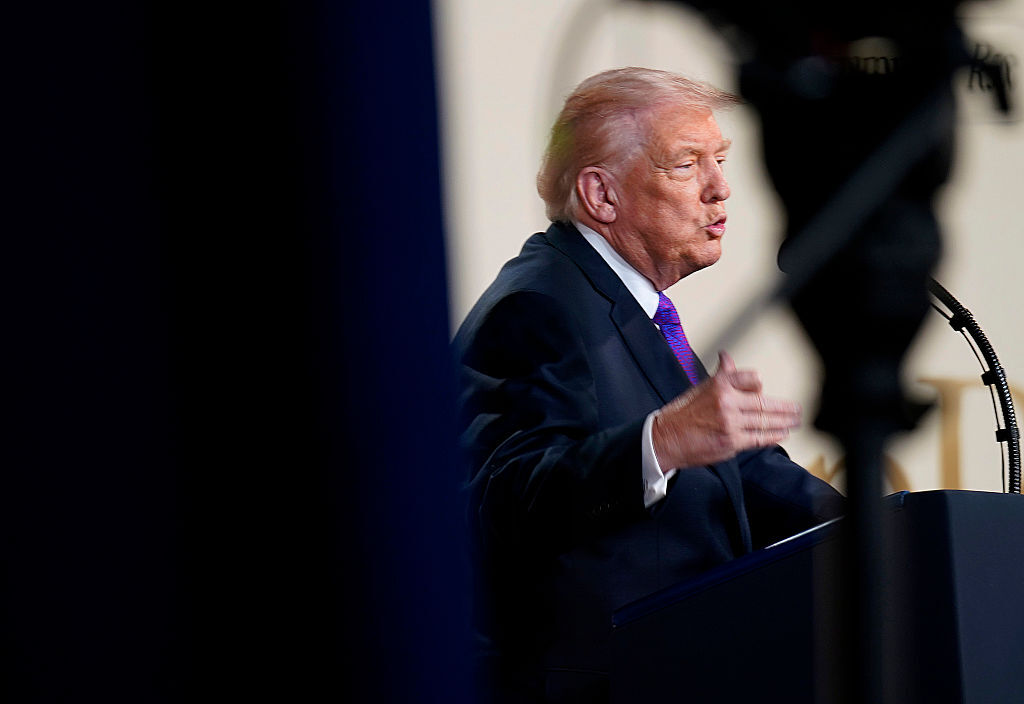
Legal war over Trump’s immigration detention policy far from over despite key win
Jack Birle, Washington Examiner
jack.birle.washington.examiner@gazetteedit.wpenginepowered.com
Updated 13 hours ago
The Trump administration won a key victory at a federal appeals court late last week, when its mandatory detention policy for illegal immigrants was upheld, but it still faces skepticism in various other federal courts. The administration’s mandatory detention policy...

Laura Clellan named sole finalist for Colorado Parks and Wildlife director
Marianne Goodland
marianne.goodland@coloradopolitics.com
Updated 12 hours ago
The Department of Natural Resources announced Monday that Laura Clellan, who is currently serving as acting director of Colorado Parks and Wildlife, is the only finalist for the job. Clellan has been acting director of CPW since Nov. 25, when...

Colorado budget writers put Medicaid caregiver pay cuts on hold
Marissa Ventrelli
marissa.ventrelli@coloradopolitics.com
Updated 10 hours ago
The Colorado General Assembly’s budget decision-makers have put proposed pay cuts on hold for people who care for a family member with a disability who receives Medicaid. The Joint Budget Committee made the decision after hours of testimony from family...
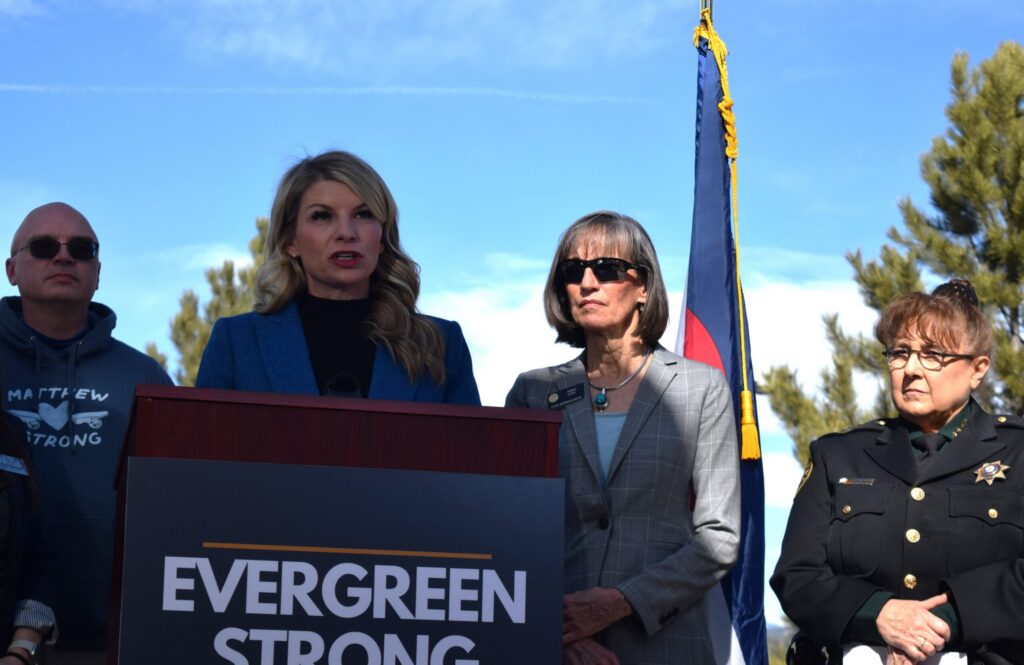
Colorado lawmakers seek faster warrant response from social media firms
Sage Kelley
sage.kelley@denvergazette.com
Updated 10 hours ago
Proponents argue legislation would prevent school shootings Colorado officials on Monday claimed that the Evergreen High School shooting could have been prevented if social media companies had been required to respond faster to warrants — and they are pushing legislation...

10th Circuit orders lawyer to pay $1,000 for faulty AI citations
Michael Karlik
michael.karlik@coloradopolitics.com
Updated 11 hours ago
The Denver-based federal appeals court ordered a lawyer on Monday to pay $1,000 to the opposing side for submitting a legal filing with fake case citations generated by artificial intelligence. A three-judge panel of the U.S. Court of Appeals for...
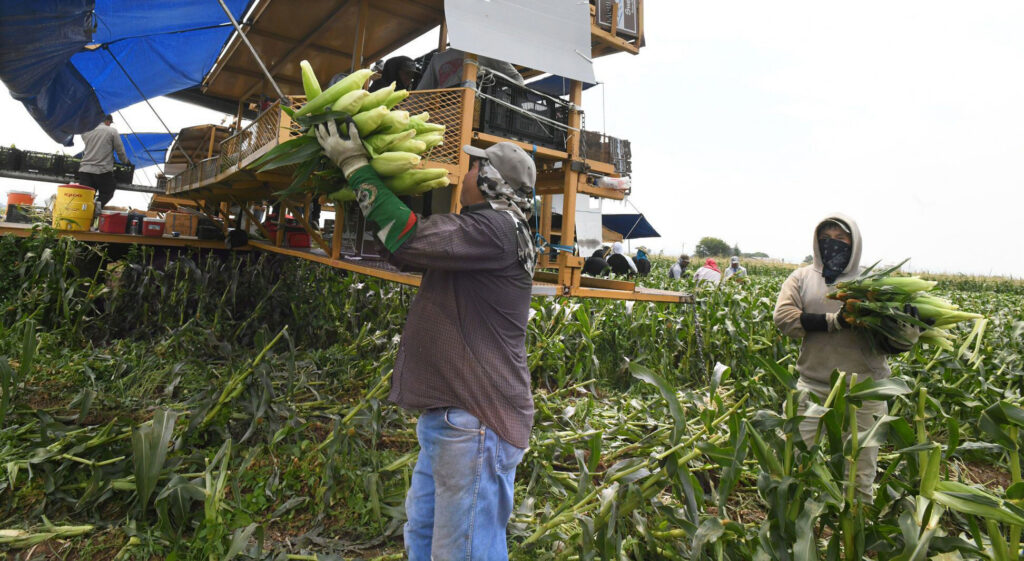
A fight over seeds and bees: Colorado Democrats target neonicotinoid pesticides
Marianne Goodland
marianne.goodland@coloradopolitics.com
Updated 12 hours ago
Colorado lawmakers are weighing new restrictions on a class of pesticides after Gov. Jared Polis signaled support for a Democratic-backed bill aimed at protecting pollinators — a proposal that has raised sharp worries from farmers who rely on treated seeds...

Supreme Court finalists selected, federal judges slash backlogs | COURT CRAWL
Michael Karlik
michael.karlik@coloradopolitics.com
Updated 17 hours ago
Welcome to Court Crawl, Colorado Politics’ roundup of news from the third branch of government. Coloradans learned who the three finalists are for a state Supreme Court vacancy, and new data show that Colorado’s federal trial judges reduced their backlog...
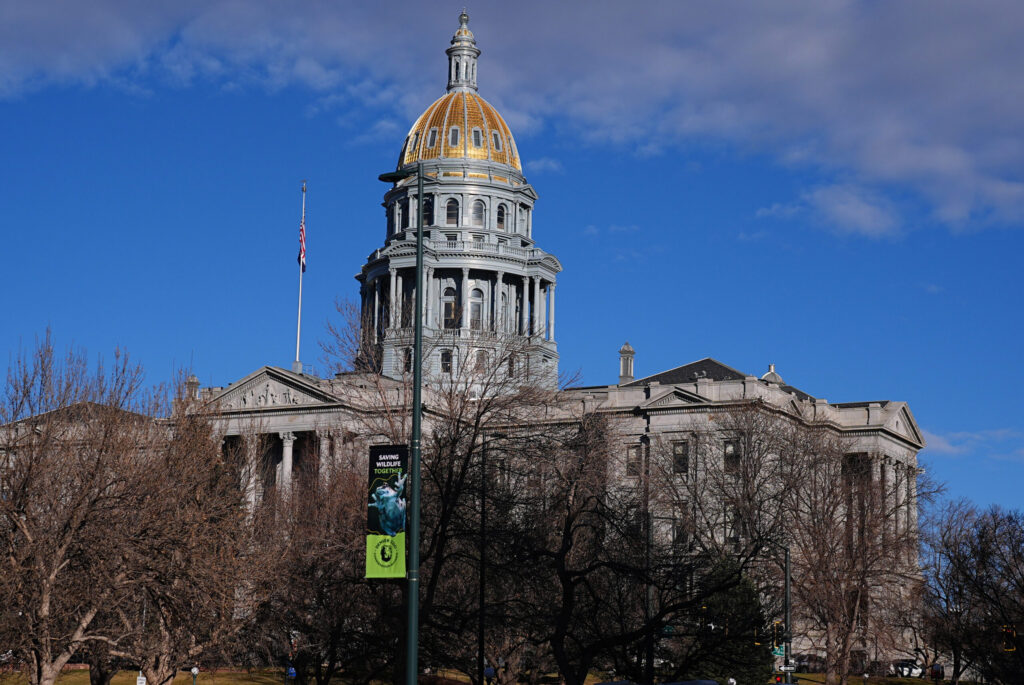
Colorado Democrats propose changes to juvenile corrections, jail searches, municipal courts | Bills in brief
Marissa Ventrelli
marissa.ventrelli@coloradopolitics.com
Updated 15 hours ago
Colorado lawmakers introduce hundreds of bills each year. Bills in brief cuts through the noise by explaining which proposals matter, what’s at stake, and how decisions at the Capitol could affect everyday life across the state. Colorado lawmakers are advancing a slate...

Colorado’s legislative activity has increased 56% since 2012, report finds
Marissa Ventrelli
marissa.ventrelli@coloradopolitics.com
Updated 10 hours ago
The Colorado General Assembly has adopted increasingly more bills in the last several years, even as the proposals have also become more complex. The legislature passed 487 bills during the 2025 legislative session, representing a 56% growth in legislative output...

Ghislaine Maxwell declined to answer questions from a House committee, citing 5th Amendment rights
Stephen Groves
stephen.groves@associatedpress.com
Updated 20 hours ago
WASHINGTON (AP) — Lawmakers tried Monday to interview Ghislaine Maxwell, but the former girlfriend and confidante of Jeffrey Epstein invoked her 5th Amendment rights to avoid answering questions that would be incriminating. Maxwell was to be questioned during a video...
PREV
PREVIOUS

Foundation started after Sandy Hook shooting to study violence prevention to merge with CU Anschutz Medical Campus center
A foundation started by the parents of a Sandy Hook Elementary School shooting victim is closing and being reborn as a program at the University of Colorado Anschutz Medical Campus in Aurora. Folding the Avielle Foundation into the National Mental Health Innovation Center at the university’s main medical training and services campus will make the […]

Colorado oil and gas industry argues for 'economically reasonable' greenhouse gas policies
Colorado’s oil and gas industry believes that the Polis Administration’s plan to reduce greenhouse gas emissions should allow flexibility in achieving targets, apply broadly to all sectors and be “economically reasonable.” The Greenhouse Gas Roadmap, a draft of which Gov. Jared Polis released in September, “does not evaluate whether the proposed reductions for the oil […]