

BARTELS | Hard times for Republicans even in deep-red Douglas County
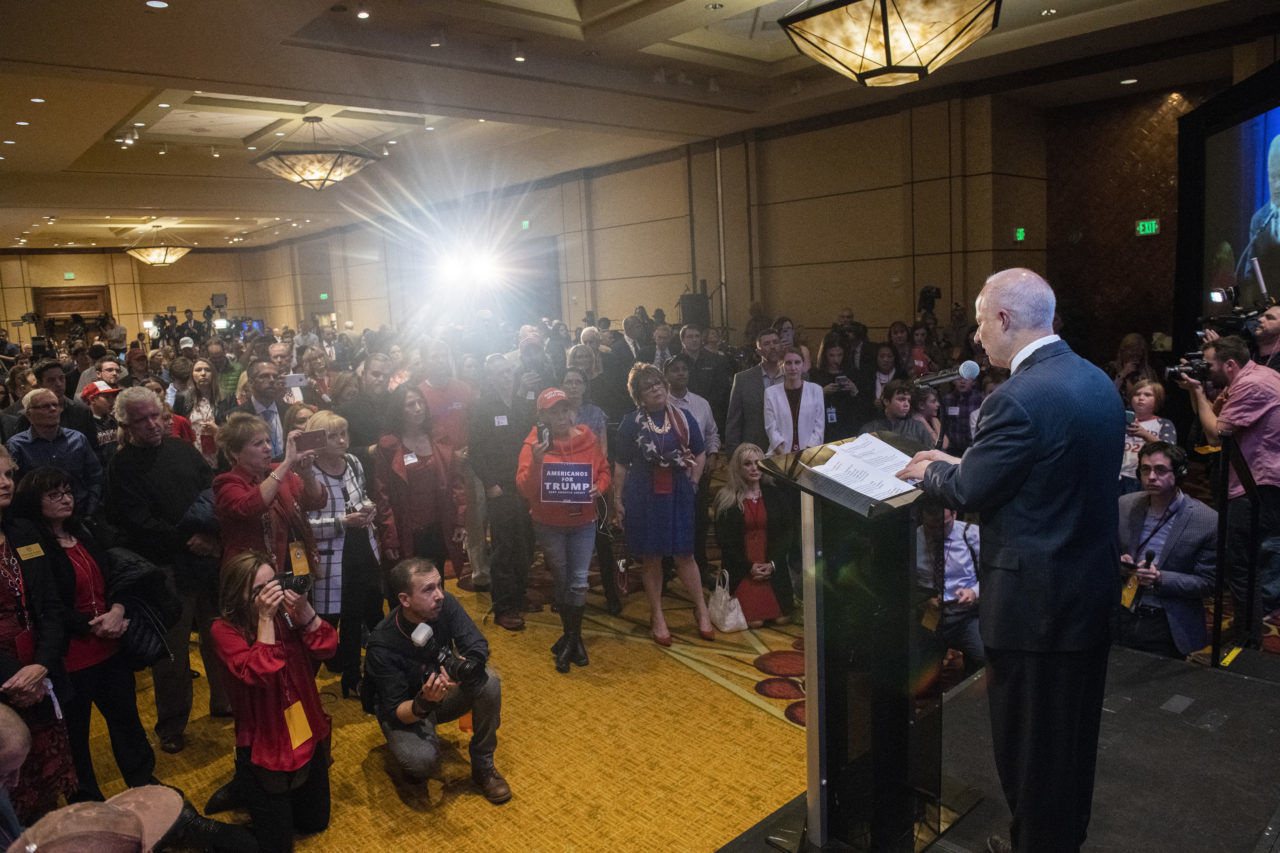
Of course Coloradans will be focused on the presidential and U.S. Senate races on Election Day, but I’m going to be just as interested to learn whether Highlands Ranch sends a Democrat to the state Legislature for the first time.
If Republicans prevail, the margin of victory will be closely examined.
I lived in Highlands Ranch for three years in the 1990s. As a registered Democrat then, primary elections were lonely affairs. Douglas County was so Republican in that era not a single Democrat ran for any county office, including treasurer and commissioner, in 2002.
“They’re depressed,” Ernie Felix, the Douglas County Democratic Party chairman, said at the time. “They don’t feel they can win.”
But the times clearly are changing, as evidenced by Highland Ranch’s performance in the 2016 presidential election and voter trends in the Douglas County portion of Congressional District 6.
If you don’t think it can happen, you haven’t paid attention to Arapahoe and Jefferson County politics.
For decades, Douglas County was almost an outpost in the metro area. The population was small, and the lifestyle rural.
The first homes in Highlands Ranch weren’t built until 1981, the same year the town of Parker incorporated. The population of Douglas County at the time was 25,153, but from 1990 to 1997, the U.S. Census listed Douglas County as the fastest growing county in the nation.
The number of Republicans kept growing, too.
Douglas County’s population now is around 350,000, with about 30% of the residents living in Highlands Ranch.
In 1998, Republican gubernatorial candidate Bill Owens took 62% of the vote in Douglas County. That’s 1 percentage point more than Owens received in El Paso County, which fashioned itself as the heart of Colorado’s Republican Party. Owens went on to win in a race so close it wasn’t called until the next day.
At the time, Republicans accounted for 48% of the voters in Douglas County, with unaffiliated voters at 30% and Democrats at 21%.
No one would have predicted then that unaffiliated voters would become the largest voting bloc in Douglas County, a phenomenon seen elsewhere in Colorado and the country. Unaffiliated voters now represent 40% of the voters in Douglas County, with Republicans at 38% and Democrats at 20%.
In other words, the percentage of Democrats barely changed over those years, while Republicans, whoa. Douglas County is still a mostly wealthy, mostly white, mostly conservative county with unaffiliated voters still selecting Republican candidates.
But these are tough times for Colorado Republicans.
Statewide, Democrats control the state Senate and state House, and all five constitutional offices, from governor to treasurer.
The 65 legislative districts in the House are so gerrymandered it’s nearly impossible for Republicans to win the majority. House Minority Leader Patrick Neville, a Castle Rock Republican, said he hopes a new process underway for drawing legislative and congressional districts will make life more even starting with the 2022 election.
It doesn’t help that Republican Donald Trump, who is running for a second term for president, is unpopular in the Centennial State. That’s a key reason Colorado Democrats recorded historic gains in 2018.
That year, state Rep. Kevin Van Winkle, a Highlands Ranch Republican, won re-election with 53% of the vote. (A third-party candidate took 2%.) Two years earlier, Van Winkle cruised to victory with 60% of the vote.
This year, the small businessman, who is running for his fourth and final term, faces Democrat Jennifer Mitkowski, a physician’s assistant, also from Highlands Ranch.
Democrats are putting money into her race. And why not?
More than one-fifth of the precincts in Highlands Ranch went for Democrat Hillary Clinton in 2016, according to a recent story about Douglas County politics by Bente Birkeland with Colorado Public Radio.
A look at the 6th Congressional District, which was redrawn after the 2010 census, is telling. Most of the district lies in Arapahoe and Adams counties, but a piece is in Douglas County. About 90% of the Douglas County area is in Highlands Ranch.
Republican Congressman Mike Coffman, running for re-election in the newly redrawn district in 2012, nearly lost. It was Douglas County where Coffman won big, with 33,157 votes over Democratic state Rep. Joe Miklosi’s 19,501 votes.
Coffman adjusted his message from hard-core conservative to moderate Republican and amped up his work with the immigrant community. He coasted to victory in the next two elections, but then came the 2018 wipeout, when he was beaten by a fellow combat veteran, Democrat Jason Crow.
Coffman still won Douglas County, but only by 4,000 votes. Two years earlier in Douglas County, Coffman easily took out former state Sen. Morgan Carroll, now the Colorado Democratic Party chairwoman, by more than 13,000 votes.
Among the Republicans who believe Coffman’s criticism of Trump cost him the election is former lawmaker Ted Harvey of Highlands Ranch. Harvey and Coffman were among the four Republicans who sought the GOP nomination for the open seat in the 6th District in 2008. At the time, the district included all of Douglas County and was red, red, red Republican.
“Mike Coffman lost because he ran against President Trump for two years instead of running for Congress,” said Harvey, chairman of the Committee to Defend the President political action committee.
Other Republicans lost, he said, because they didn’t run good races.
Dustin Zvonek ran Coffman’s first congressional race and remains involved in politics, particularly in the southern metro area.
“I do believe the Highlands Ranch portion of Douglas County has become more competitive because of the competitive nature of Congressional District 6 as a whole,” he said. “National Democrats realized to win the seat they had to close the gap in Douglas County because that was pushing Coffman over the finish line.”
Zvonek believes it will take a couple more election cycles to determine whether Highlands Ranch becomes the ”first soft underbelly” in Douglas County, moving from solidly Republican to swing status.
That’s what happened in neighboring Jefferson and Arapahoe counties. Republicans held the advantage, but a number of offices were considered swing seats where the political climate played a role in determining which party won the office.
That swinging has stopped.
Today, Rep. Colin Larson of Ken Caryl Ranch is the lone Jefferson County Republican in the legislature. Republicans are campaigning hard in Arapahoe County but Democrats predict they will pick up at least two legislative seats.
Times change. When I covered my first legislative session, in 2000, Republicans controlled both chambers and the governor’s office. The GOP majority included two Republicans from Denver, Rep. Dorothy Gotlieb and Sen. Dottie Wham.
These definitely are strange times when a Democrat in Highlands Ranch has a better chance of winning a legislative seat than a Republican in Denver.


Costs explode for Colorado program covering pregnant women and children living in the U.S. illegally
Marianne Goodland
marianne.goodland@coloradopolitics.com
Updated 13 hours ago
A state program providing health care to pregnant women and children living in the country illegally is costing far more than lawmakers expected, with expenses nearly tripling in just a year and threatening to squeeze Colorado’s budget amid a $1...
Costs explode for Colorado program covering pregnant women and children living in the U.S. illegally
Marianne Goodland
marianne.goodland@coloradopolitics.com
Updated 13 hours ago
A state program providing health care to pregnant women and children living in the country illegally is costing far more than lawmakers expected, with expenses nearly tripling in just a year and threatening to squeeze Colorado’s budget amid a $1...
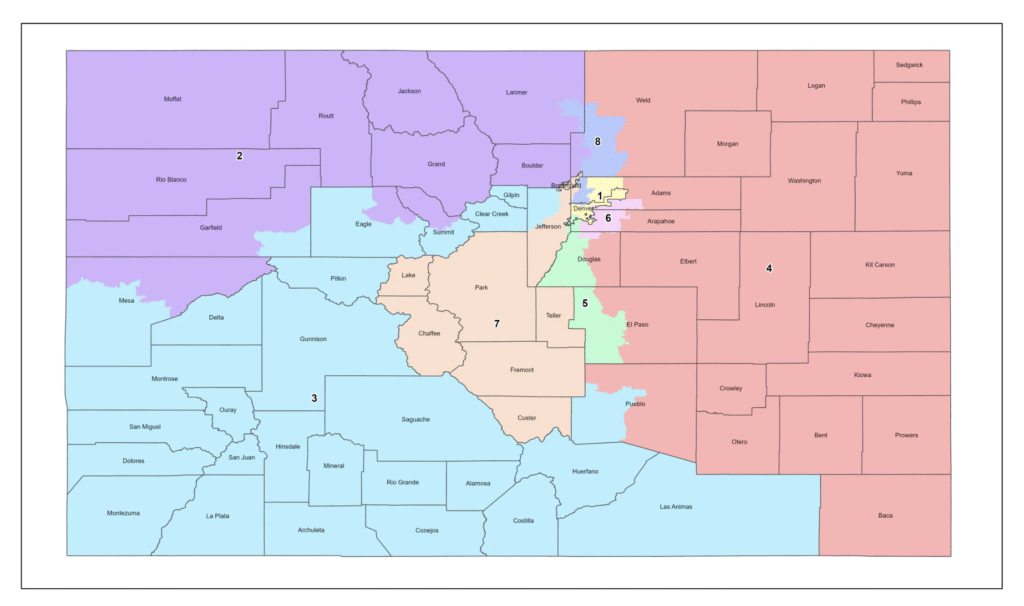
Colorado Title Board advances competing redistricting proposals and revised Pinnacol measure as April ballot deadline nears
Marianne Goodland
marianne.goodland@coloradopolitics.com
Updated 14 hours ago
With just two meetings left before an April 15 deadline, the state’s Title Board on Wednesday pushed through a slate of ballot measures — including a revised proposal to privatize Pinnacol Assurance and dueling plans to redraw Colorado’s congressional map...
SAVE America Act showdown relished by GOP and Democrats alike
Ramsey Touchberry, Washington Examiner
ramsey.touchberry.washington.examiner@gazetteedit.wpenginepowered.com
Updated 15 hours ago
Both political parties have found rare agreement in a divided Washington, convinced that the GOP’s federal voter ID and election bill is a slam-dunk messaging opportunity. But that’s where the bipartisanship quickly ends. The two sides are diametrically opposed over...
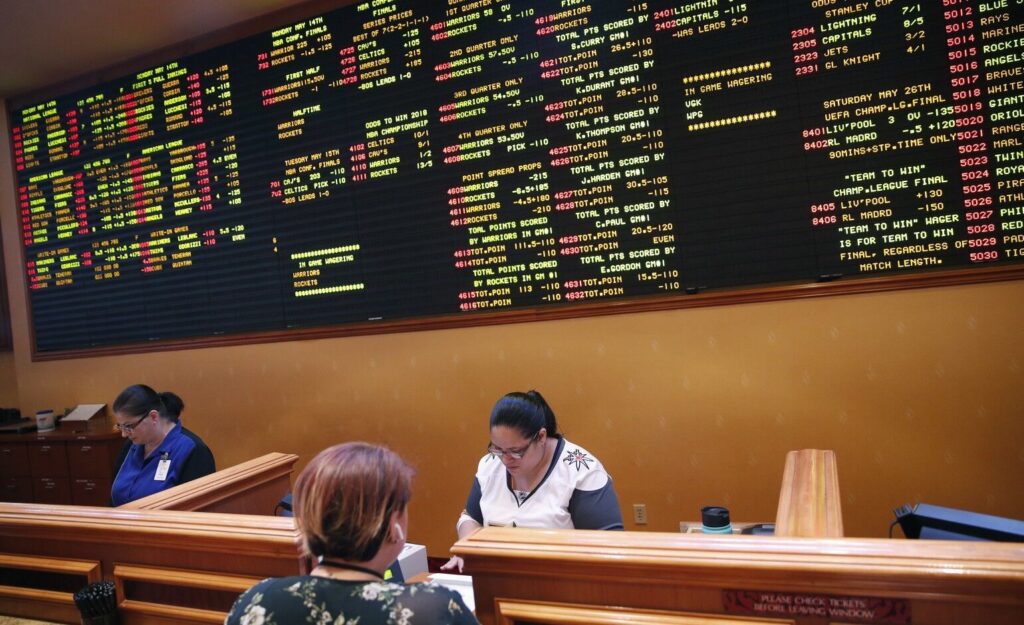
Senate panel advances bill to tighten Colorado sports betting rules amid youth addiction concerns
Marissa Ventrelli
marissa.ventrelli@coloradopolitics.com
Updated 14 hours ago
A divided Senate Finance Committee on Tuesday narrowly advanced a bill to impose new restrictions on Colorado’s booming sports betting industry, as lawmakers cited rising concerns about youth gambling and addiction while operators warned the changes could drive bettors to...
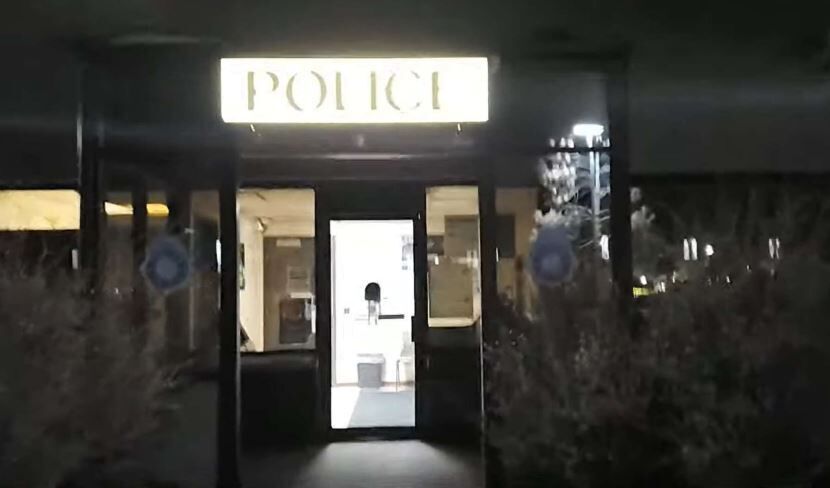
Federal judge green-lights trial against Denver officer over race-based enforcement
Michael Karlik
michael.karlik@coloradopolitics.com
Updated 16 hours ago
A federal judge green-lit a jury trial last week on a man’s claim that a Denver police officer engaged in racially selective enforcement of the law by arresting him for video recording at a police station, while not arresting a...
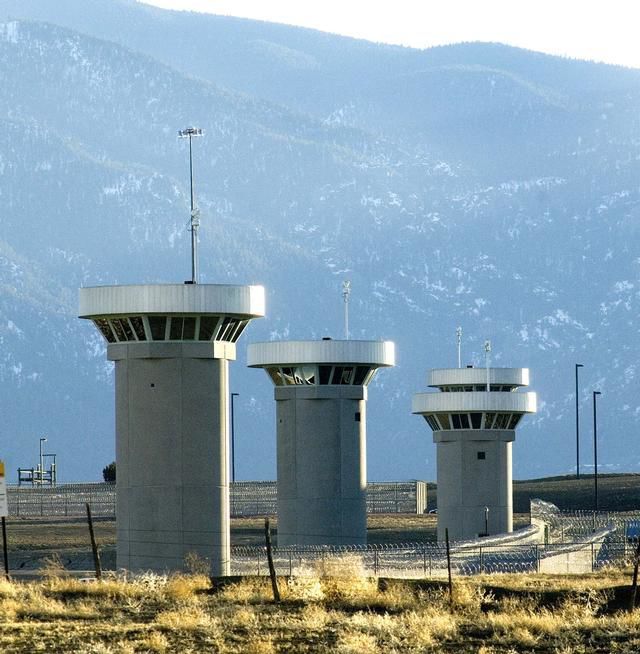
Federal judge says 8 years in solitary confinement not grounds to reduce man’s sentence
Michael Karlik
michael.karlik@coloradopolitics.com
Updated 16 hours ago
A federal judge concluded earlier this month that a man’s eight years allegedly spent in solitary confinement did not justify granting his request for a sentence reduction. However, U.S. District Court Senior Judge William J. Martínez signaled his willingness to...
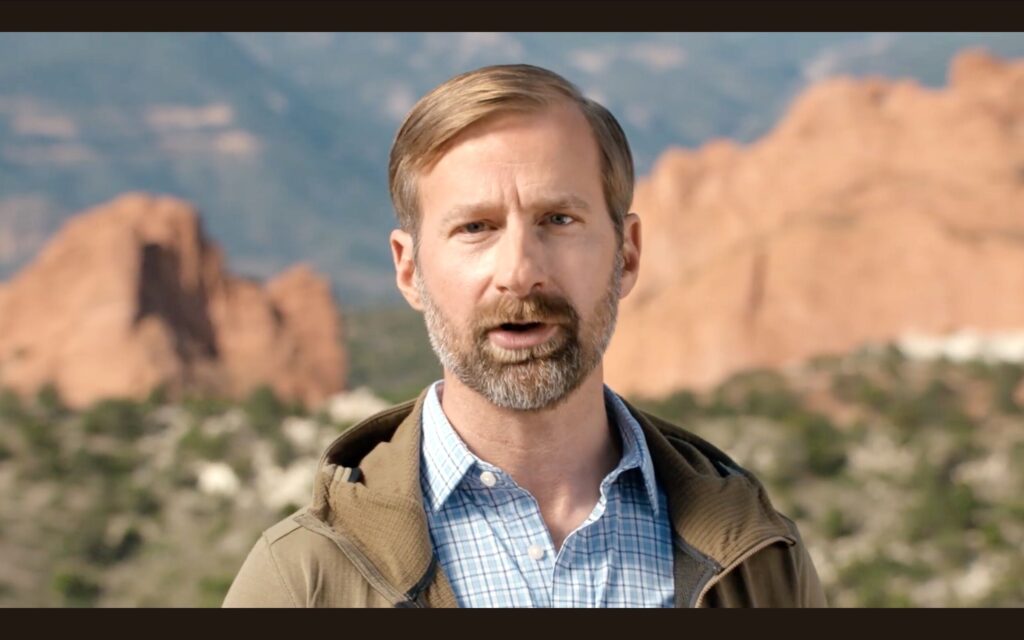
Democrat Matt Cavanaugh ends campaign in Colorado’s 5th CD, says petition firm came up short
Ernest Luning
ernest.luning@coloradopolitics.com
Updated 13 hours ago
Democratic congressional candidate Matt Cavanaugh said Wednesday that he was ending his bid to challenge Republican U.S. Rep. Jeff Crank in Colorado’s 5th District because the firm his campaign hired to gather petition signatures failed to deliver. Cavanaugh, an Army...
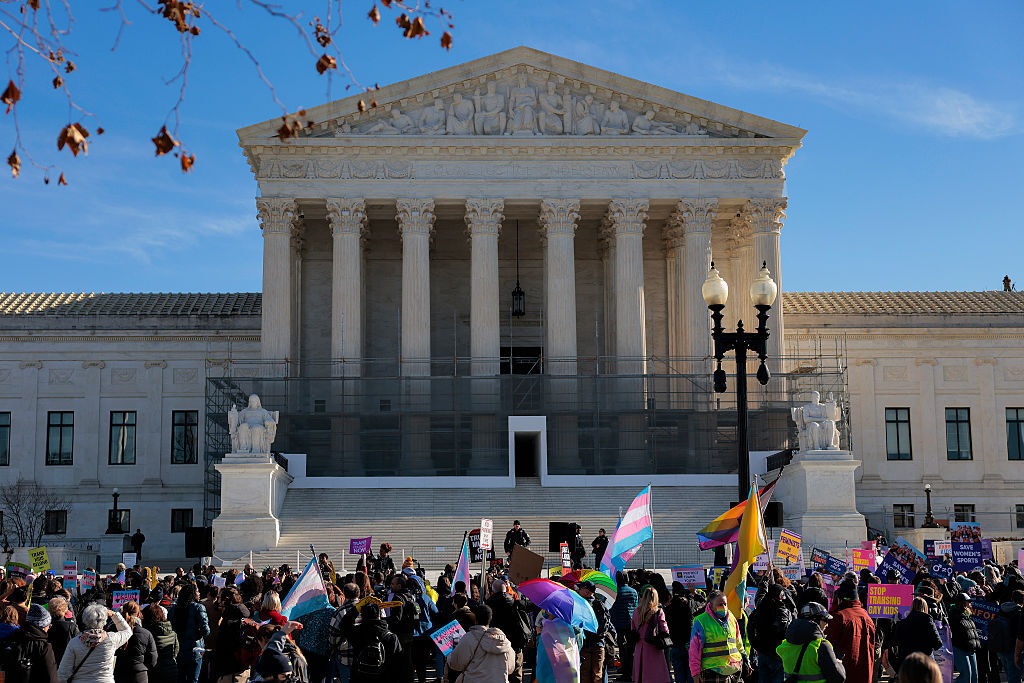
Colorado voters to decide whether to ban gender surgeries for minors
Marissa Ventrelli
marissa.ventrelli@coloradopolitics.com
Updated 11 hours ago
Colorado voters will decide this November whether to prohibit gender surgeries for minors and bar public funding or insurance coverage for procedures that alter children’s biological sex characteristics. The measure qualified for the ballot amid a push by the federal...

Democrats want to bar use of consumer data to set Colorado prices, employee wages
Marissa Ventrelli
marissa.ventrelli@coloradopolitics.com
Updated 14 hours ago
A closely divided House committee advanced a bill aimed at curbing the use of personal data to set individualized prices and wages, reviving a proposal that failed last year and setting up a broader debate over how far the state...
PREV
PREVIOUS

2020 is already Denver’s worst year for air quality in recent memory
Despite clear skies in metro Denver for the first time in a while this week, 2020 has had far more dangerous air quality alerts than any full year in the last 10 years, according to the Colorado Department of Public Health and Environment. Air quality alerts measure fine particulate matter in the air that is […]

State took in over $132.8 million in criminal fines and fees in 2019
Colorado generated more than $132.8 million from fines and fees paid by criminal defendants and those in civil litigation last year. “Fees and surcharges may substantially increase a defendant’s court-ordered debt,” described an Oct. 9 memo from Legislative Council Staff that outlined the various costs imposed on those in the criminal justice system. “I do […]