

With Drake closing moved up, Colorado Springs Utilities prepares for transition from coal to natural gas
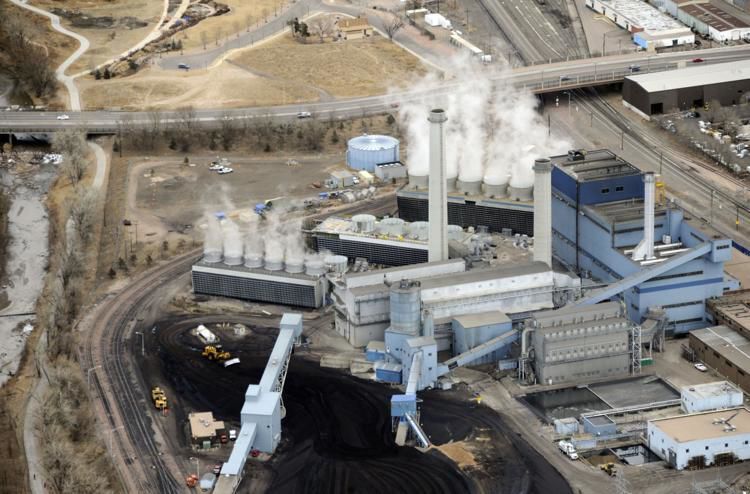
Colorado Springs Utilities recently committed to closing the coal-fired portions of Martin Drake Power Plant by 2023 and investing significantly more in renewable energy in coming decades. Here’s a look at some of the plant’s inner workings and what will change. (Video by Skyler Ballard)
New natural gas generators expected to be the last fossil fuel equipment Colorado Spring Utilities will purchase are anticipated no later than 2022, moving in next to the massive coal pile that has long fed the downtown Martin Drake Power Plant.
Utilities expects solar, wind and utility-scale batteries to largely replace traditional fossil-fuel generation and serve city growth into the coming decades because they have fallen dramatically in price and are likely to continue getting cheaper, said Michael Avanzi, manager of energy planning and innovation for the city-owned utility.
“We will continue to evaluate the most cost-effective option that makes the most sense for us,” he said.
The Utilities board, made up of the Colorado Springs City Council, voted in June to close the coal-fired generation at Martin Drake by 2023 and replace the two operating coal units with natural gas generators that will be later moved off site. The council voted to close the plant 12 years earlier than previously planned because of the falling cost of renewable power. Wind generation has fallen about 70% in price, and solar generation has declined about 90% over the last decade, Avanzi said.
“Where coal is holding steady … wind and solar are declining rapidly,” he said.
Colorado Springs Utilities commits to closing coal-fired generation at Drake Power Plant
Wind turbines, solar arrays and utility-scale batteries are in the long term cheaper for utilities than running a large coal plant because they require far fewer workers and there are no fuel costs, he said. Rather than building the new generation, Utilities contracts with other companies which take on the upfront construction costs and Utilities locks in a flat energy price for 20 to 25 years, avoiding the volatility of the fossil fuel prices, Avanzi said.
Drake’s closure will not trigger rate hikes because of the savings in operation and maintenance costs Utilities is expecting, Avanzi said. Drake employees are expected to be transitioned to other departments within Utilities to avoid layoffs, CEO Aram Benyamin has said previously.
The economics, as well as stricter state air quality regulations, have prompted several other major utilities in the state to start more aggressively transitioning to renewable energy. Tri-State Generation and Transmission, the electricity generator for Mountain View Electric Association in El Paso County, said in January that it would close its New Mexico coal-fired power plant this year and its Colorado coal plants and coal mine by 2030. The closures were expected to cut Tri-States coal emissions in Colorado and New Mexico by 100% and keep its rates stable, according to a news release.
Xcel Energy, the largest electric utility in the state, expects to transition to 55% percent renewable energy by 2026 and achieve 100% carbon-free generation by 2050.
RELATED: Colorado Springs Utilities preparing for 80% carbon reduction by 2030, early closure of Drake
Utilities’ generation is now 20% renewable after agreeing to a five-year contract last week to purchase 60 megawatts of wind from northeast Colorado, according to a news release. By 2050, utilities expects to transition to 90% renewable energy, with wind accounting for the largest portion of the new generation.
Climate concerns
Many of those who urged the closure of Drake in Colorado Springs this year called for action to cut carbon and address climate change.
Retired University of Colorado at Colorado Springs professor Carole Huber was among those who called for Drake’s early closure to fight climate change and urged her students to lobby the Utilities board.
“It’s an existential threat for them and for future generations,” said Huber, a former geography and environmental studies professor.
In her decades of living in Colorado Springs, she’s observed some shifting patterns driven by climate change such as hotter summer days and plants blooming earlier.
“During the summer, in particular, I feel the difference,” she said.
Eliminating the carbon produced by Drake will help in the fight against climate change, but addressing transportation is a much bigger issue because it is a more substantial source of greenhouse gases, she said.
In 2019, Drake emitted 871,000 metric tons of greenhouse gases or about 2.6% of the greenhouse gas emissions in the state, said John Putnam, director of environmental programs at the Colorado Department of Public Health and Environment. The state estimates transportation is responsible for about 33% of the greenhouse gases this year.
Closing Drake could also help the area abide by federal ozone limits by eliminating the emission of more than 1,000 tons of nitrogen oxides per year and more than 170 tons per year of sulfur dioxide, said Amy Trinidad, a spokeswoman for Utilities. Ozone near the ground is formed when pollutants such as nitrogen oxides react with sunshine. High levels of ozone can make it difficult to breathe by causing airway inflammation and reduced lung function.
Ozone is difficult to keep in check because so many factors contribute to it, including wildfires that might be out of the area.
The only day this summer the Colorado Springs area exceeded federal ozone standards was on June 17, when heavy smoke from fires in southwest Colorado and Arizona blew into the area, Putnam said.
Reclaiming Drake
Utilities expects to hire a contractor to tear down Drake, and crews might have to excavate the site to remove the coal that’s been compacted on the site over time, said Somer Mese, interim north district manager for Utilities. Fully removing the plant could take a couple of years, she said. The state health department will be overseeing the closure of the plant to ensure workers and neighbors are safe throughout the process, Putnam said.
It’s possible the new natural gas generators could coexist with coal-burning generation during a transition period, Mese said.
“There may be a time when we are still working on construction and we are still burning coal to make that transition seamless to make sure people have power from one source or another,” she said.
Once transmission lines are built, the natural gas generators will be moved off the Drake site. It is yet to be determined what could be done with the Drake site once the coal-burning units, cooling towers, coal pile and remnants of the plant are gone.


10th Circuit rules State Farm not required to pay benefits in I‑25 swerving crash
Michael Karlik
michael.karlik@coloradopolitics.com
Updated 1 hour ago
The Denver-based federal appeals court concluded last week that two vehicle occupants who were injured while swerving to avoid a man in the middle of Interstate 25 are not entitled to insurance benefits. Plaintiffs Stephanie Mazur and Julia Wunder were...

Colorado House ethics committee to review complaint alleging misuse of Democratic Caucus funds
Marianne Goodland
marianne.goodland@coloradopolitics.com
Updated 1 hour ago
The House Ethics Committee is scheduled to meet Wednesday to review a complaint alleging that Aurora Democrat Rep. Mandy Lindsay misused House Democratic caucus funds. Rep. Bob Marshall, D‑Highlands Ranch, filed the complaint on Jan. 26. Marshall’s complaint outlines the...
Proposal to ban appointed Colorado legislators from serving in next term fails to advance
Marissa Ventrelli
marissa.ventrelli@coloradopolitics.com
Updated 2 hours ago
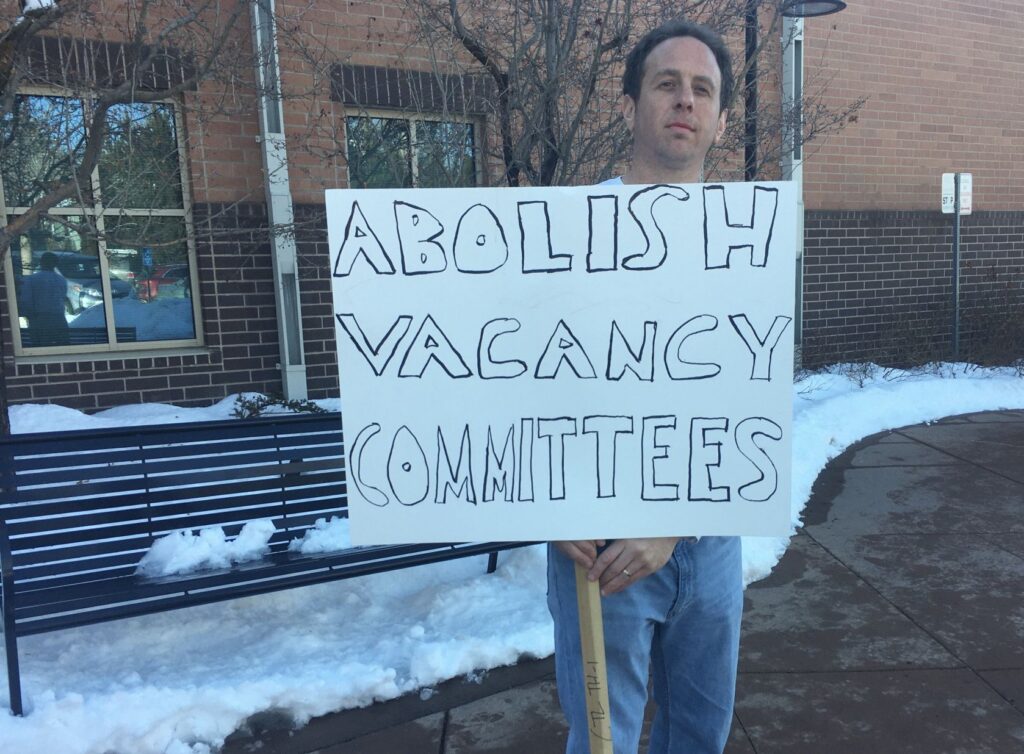
For the third year in a row, lawmakers have struck down a proposal that would have prohibited members of the Colorado General Assembly who were appointed through a vacancy committee from serving in the term immediately after. Sponsored by Rep....

Trump says Strait of Hormuz won’t reopen until Iran strikes a deal with US
Mabinty Quarshie, Washington Examiner
mabinty.quarshie.washington.examiner@gazetteedit.wpenginepowered.com
Updated 38 minutes ago
President Donald Trump said in a new interview that the Strait of Hormuz will remain closed until the United States and Iran reach a peace deal to end the ongoing war. The two nations are set to begin a second...

US and Iran signal new ceasefire talks in Islamabad as truce nears end
Jon Gambrell
jon.gambrell@associatedpress.com
Updated 6 hours ago
ISLAMABAD (AP) — The United States and Iran have signaled they will hold a new round of ceasefire talks in Pakistan, two regional officials said Tuesday, as leaders on both sides warned they were prepared for more fighting if a...
Aurora council moves forward with statement of ‘mourning’ for police shooting victims
Kyla Pearce
kyla.pearce@gazette.com
Updated 5 hours ago
In Monday night’s Aurora City Council study session, councilmembers moved forward with a resolution stating that the City Council “stands in mourning” with people who have lost loved ones to officer-involved shootings. The resolution, which initially passed through the Public...

Denver City Council makes annual bison donation permanent
Deborah Grigsby
deborah.smith@denvergazette.com
Updated 5 hours ago
Denver has codified its annual donation of surplus buffalo to American Indian tribes and American Indian nonprofits into law after a unanimous vote by the City Council on Monday. The City and County of Denver has managed one of the...

Colorado lawmakers push reforms for handling defendants deemed incompetent
Marissa Ventrelli
marissa.ventrelli@coloradopolitics.com
Updated 4 hours ago
Colorado lawmakers from both parties are backing a bill that would reshape how the state handles defendants found incompetent to stand trial and unlikely to regain competency, aiming to fill long-standing gaps in treatment and placement. Sponsors of Senate Bill...

Colorado title board rejects government transparency measure, backers plan appeal
Marianne Goodland
marianne.goodland@coloradopolitics.com
Updated 19 hours ago
A broad coalition’s push for stronger government transparency hit a major setback last week when Colorado’s title board rejected a proposed ballot measure that would allow more public access to most legislative deliberations. The three‑member title board on April 15...

Polis administration awards $12.4 million for geothermal projects in Colorado
Scott Weiser
scott.weiser@gazette.com
Updated 5 hours ago
The Polis administration is awarding another $12.4 million in state energy tax credits and cash to advance geothermal energy development in Colorado, supporting seven new projects for building heating and cooling systems as well as electricity generation. The funding, announced...
PREV
PREVIOUS

INSIGHTS | Colorado voters of color lead the way to D.C.
Soon after she announced she was running for president, Hillary Clinton met with 350 supporters at La Rumba night club in Denver on a hot summer night in 2015. She talked to the young, diverse crowd about Planned Parenthood. She talked about health care. She talked about climate change. She spoke from her talking points […]

Court sides with Denver Public Schools in hiring discrimination lawsuit
The U.S. Court of Appeals for the 10th Circuit on Thursday dismissed a lawsuit from a man alleging that Denver Public Schools did not hire him because of his age and national origin. Alireza Vazirabadi applied to be a process improvement engineer with DPS in 2015. Vazirabadi, who was Iranian American and in his 50s, […]