

Chamber of Commerce endorses ballot measure proposing to broaden fiscal analysis

The Colorado Chamber of Commerce has endorsed a proposed initiative that would allow third parties to submit economic analyses for future ballot measures, a summary of which would appear before voters.
“All too often when lawmakers or advocacy groups look to create costly new state programs, the burden falls on the business community to foot the bill,” said the group’s president, Chuck Berry. “When these issues make it to the ballot, voters should know just how much they will cost, who pays, and what the impacts will be. Initiative 304 is about transparency and providing voters with an accurate reflection of how future ballot initiatives impact the overall health of our economy.”
The proposal, from designated representatives Emily Martini and Greg Kishiyama, is in the signature-gathering phase. If passed, it would permit economists to prepare and parties to submit an analysis using dynamic modeling, which is an attempt to quantify the effects of a citizen-initiated ballot measure on employment and gross domestic product, among other metrics.
Although the analyses can come from proponents, opponents or others, the state legislature’s chief economist would summarize their findings and include the commentary on the ballot. Currently, nonpartisan staff estimate the effects of measures on governmental spending and revenue, and provide a sense of an initiative’s impact on the state economy.
“A dynamic model attempts to quantify the downstream effects of a policy change throughout the economy, based on assumptions about how the policy change influences people’s economic behavior over time,” reads a draft summary of the initiative that Legislative Council staff has prepared for the ballot information booklet.



Poll: Colorado Gov. Jared Polis loses support among Democrats
Marissa Ventrelli
marissa.ventrelli@coloradopolitics.com
Updated 1 hour ago
Gov. Jared Polis is losing steam among members of his party, particularly progressive Democrats, according to a recent poll. Other statewide Democrats also saw their favorability ratings drop, though relatively stable compared to the governor’s numbers, the poll conducted by...

Kentucky Gov. Andy Beshear set to headline Colorado Democrats’ annual fundraising dinner
Ernest Luning
ernest.luning@coloradopolitics.com
Updated 5 days ago
Kentucky Gov. Andy Beshear, one of the Democrats’ top 2028 presidential prospects, is scheduled to deliver the keynote address at the Colorado Democratic Party’s annual fundraising dinner in June in Denver, the party said Friday. Serving his second term as...
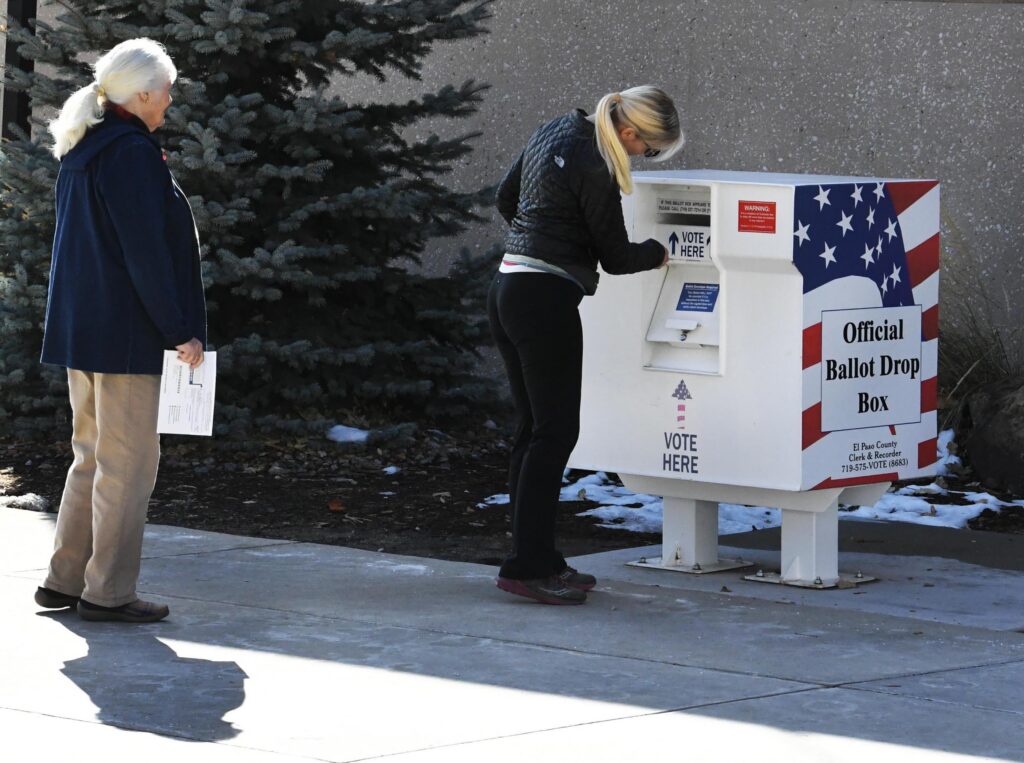
Colorado sues Trump administration over elections order
Marissa Ventrelli
marissa.ventrelli@coloradopolitics.com
Updated 2 days ago
Colorado has joined a coalition of states in suing President Donald Trump over his new executive order on elections, arguing the directive unlawfully intrudes on their authority to run their own voting systems and threatens access to mail ballots for...
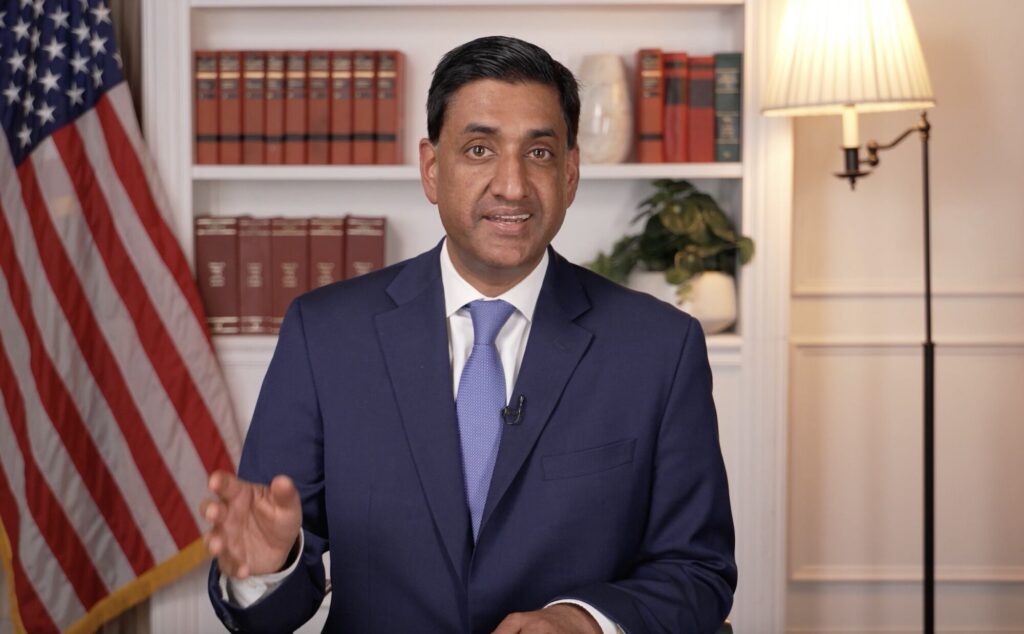
Denver Democrat Neal Walia lands endorsement from Ro Khanna in Colorado’s state House District 9
Ernest Luning
ernest.luning@coloradopolitics.com
Updated 2 days ago
California Rep. Ro Khanna on Friday endorsed legislative candidate Neal Walia in the race for an open state House seat, praising the Denver Democrat’s commitment to public service and progressive goals. Walia, who mounted an unsuccessful challenge against U.S. Rep....
Redistricting fight escalates as Colorado Title Board clears competing ballot proposals
Marianne Goodland
marianne.goodland@coloradopolitics.com
Updated 5 days ago
Colorado’s title board on Wednesday gave final approval to multiple ballot measures related to congressional redistricting, setting up a series of proposals that could alter how the state draws its U.S. House districts for the 2028 and 2030 elections. The...
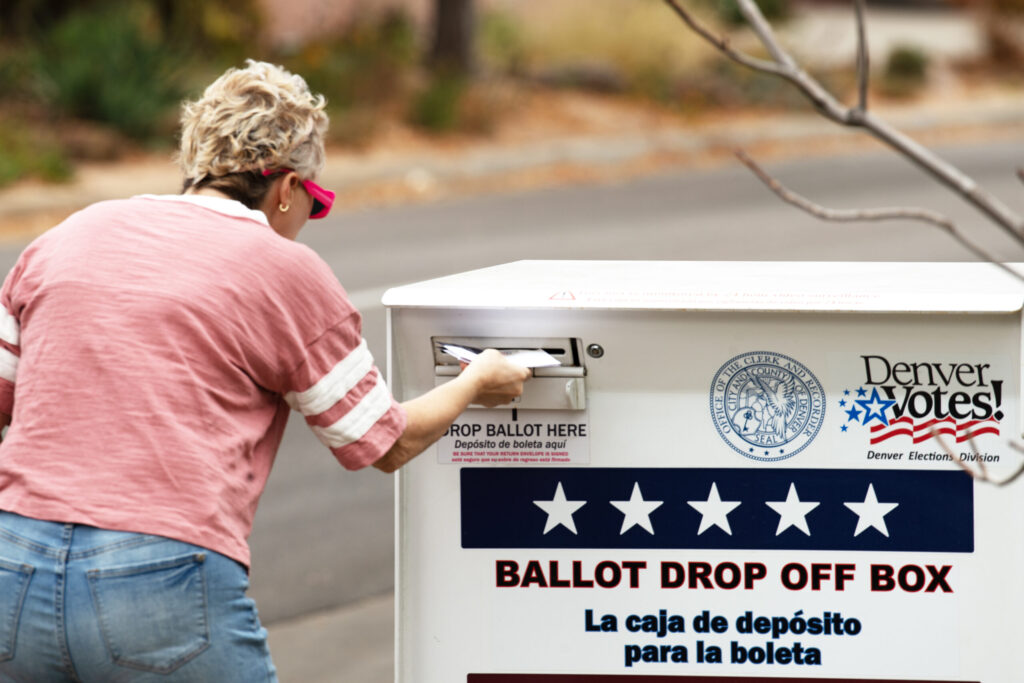
Judge rules that Colorado law makes it too hard for parties to bar unaffiliated voters from primaries
Ernest Luning
ernest.luning@coloradopolitics.com
Updated 6 days ago
A federal judge ruled in favor of the Colorado Republican Party late Tuesday, saying that a portion of the state law that allows unaffiliated voters to cast ballots in party primaries is unconstitutional because it imposes an unrealistic burden on...
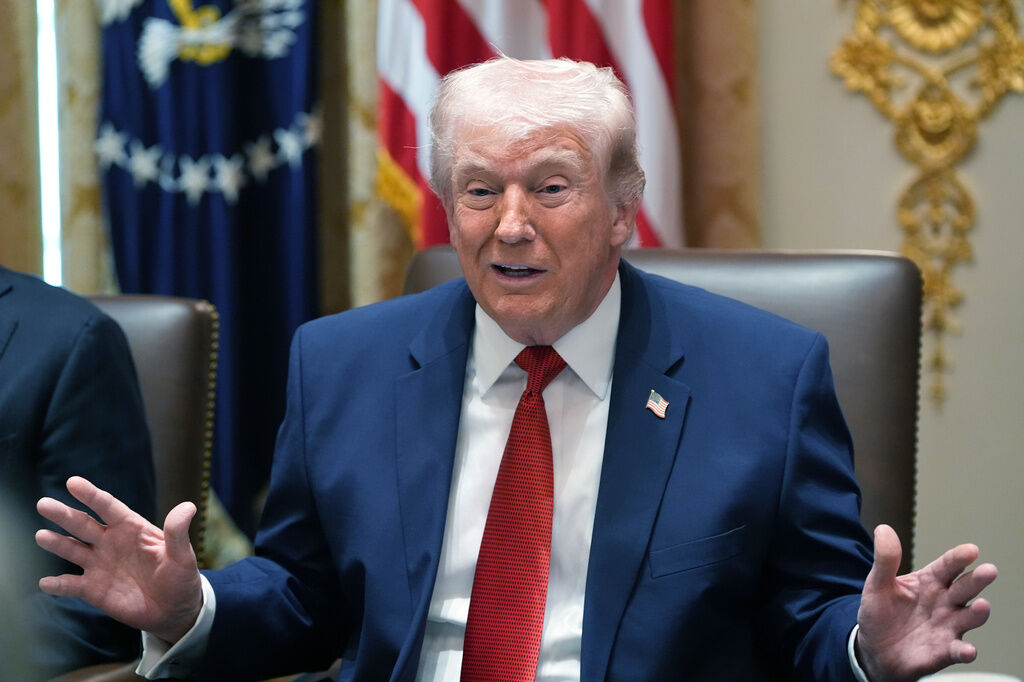
Colorado leaders say Trump’s executive order targeting mail voting violates state election authority
Marissa Ventrelli
marissa.ventrelli@coloradopolitics.com
Updated 7 days ago
Colorado leaders criticized President Donald Trump’s new executive order issued Tuesday, arguing that its creation of a national voter‑eligibility list and new limits on mail voting violate states’ constitutional authority to run their own elections. President Donald Trump has frequently...
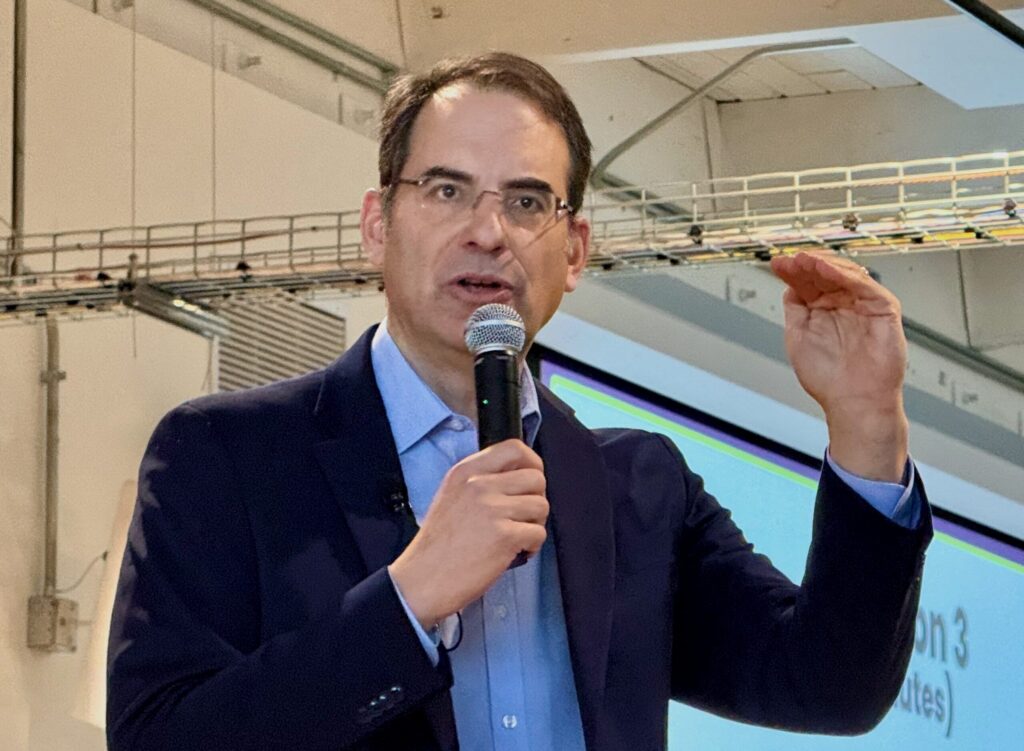
Phil Weiser wins top spot in Colorado’s Democratic gubernatorial primary at party’s state assembly
Ernest Luning
ernest.luning@coloradopolitics.com
Updated 2 weeks ago
Attorney General Phil Weiser’s name will appear first on Colorado’s Democratic gubernatorial primary ballot after his overwhelming win Saturday at the party’s state assembly in Pueblo. Weiser joins U.S. Sen. Michael Bennet in the June 30 primary for the office...
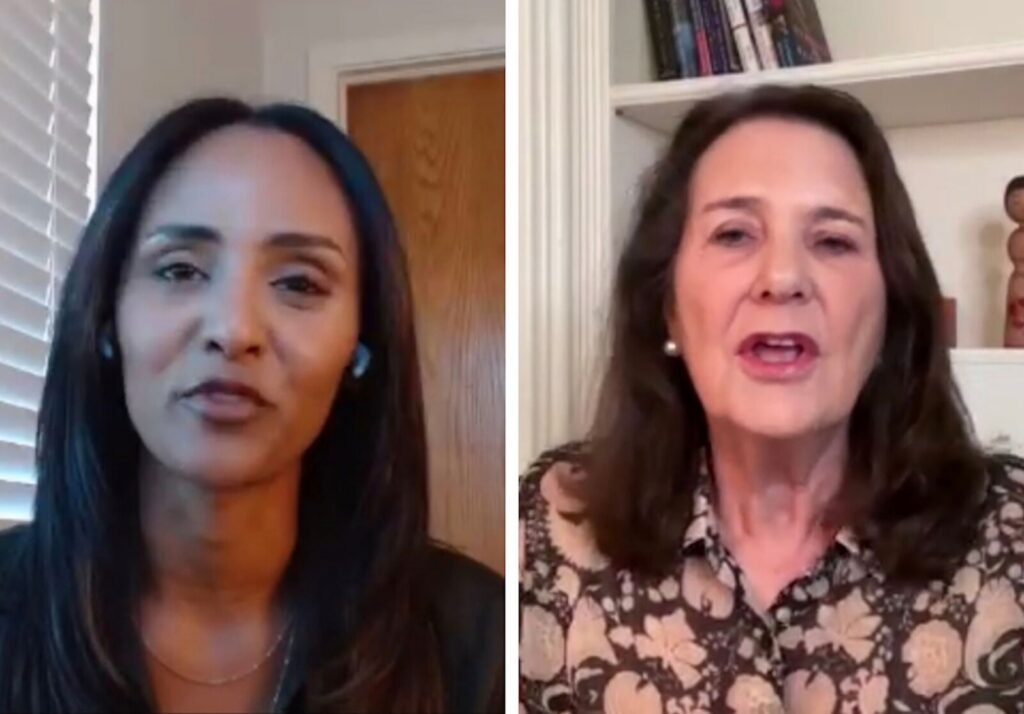
Denver Democrat Diana DeGette trails challenger Melat Kiros at assembly as both qualify for primary
Ernest Luning
ernest.luning@coloradopolitics.com
Updated 1 week ago
U.S. Rep Diana DeGette, a Denver Democrat, qualified for Colorado’s June primary by the skin of her teeth Friday at the party’s district assembly, where the 15-term incumbent received fewer than half as many delegate votes as her challenger, 28-year-old...
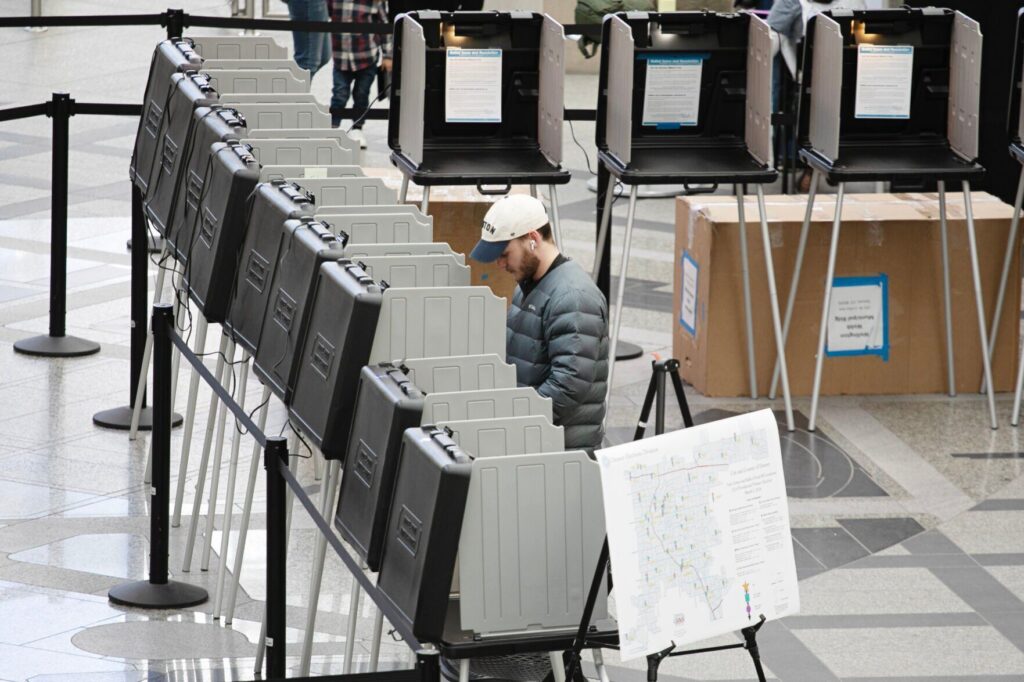
Federal judge upholds constitutionality of Colorado campaign contribution limits
Michael Karlik
michael.karlik@coloradopolitics.com
Updated 2 weeks ago
A federal judge upheld Colorado’s individual campaign contribution limits as constitutional on Thursday, finding that three Republican plaintiffs failed to prove the campaign finance framework violates their First Amendment rights. U.S. District Court Senior Judge John L. Kane recognized that...
PREV
PREVIOUS

Cases declined in 2019 for Arapahoe sheriff
The Arapahoe County Sheriff’s Office saw case reports within its service area decline by nearly one-quarter between 2018 and 2019, the office disclosed this week in its 2019 annual review. A spokesperson for the office said that the the decline was due to more incidents being resolved “without the need for a full case report […]

U.S. Sen. Cory Gardner's public lands bill passes the House, heads to the president
The Great American Outdoors Act, authored and driven by Coloradans, passed the U.S. House Wednesday by a vote of 310-107 and now heads to President Trump, who is expected to sign the most sweeping public lands legislation in a generation. The bill, authored by Sen. Cory Gardner, a Republican from Yuma, fully funds the Land […]