

Court of Appeals dismisses claim against passenger injured in road rage encounter

For the first time on Thursday, the Colorado Court of Appeals addressed the question of whether a passenger injured outside of his vehicle in a road rage encounter was entitled to an insurance payment. The court answered that he was not.
Robert Boyle was riding as a passenger when the driver of his vehicle and the driver of a Jeep began cutting each other off in traffic, braking suddenly and behaving aggressively. At a red light, Boyle exited his own vehicle to confront the Jeep’s driver, but the driver turned around and hit Boyle. The Jeep dragged and injured him.
Bristol West Insurance Company issued the policy for the vehicle in which Boyle rode, and it contained a provision addressing any “person while occupying, maintaining or using [the owner’s] covered auto.” Boyle received payments from his own insurance and the Jeep’s insurer, but also filed an underinsured motorist claim with Bristol West.
When the company denied his claim, Boyle took the issue to court, where a Mesa County district judge dismissed the case. The court concluded that Boyle was not “using” the vehicle at the time of his injury.
Judge Ted C. Tow, III, writing for the three-member appeals panel, agreed that Bristol West only covered Boyle for use of the insured vehicle, a Toyota, which was not the source of his injuries.
“Boyle also argues that because he only stepped out of the Toyota briefly and remained within a few feet of it, he was still using the vehicle,” Tow explained. “But the key inquiry is not how long he was outside of the car or how far he strayed from it. Rather, the question is whether the activity he was engaged in was a cognizable use of the vehicle.”
Although past courts have upheld claims for injuries not incurred while inside the vehicle — such as by changing a tire or rendering assistance to other motorists — Boyle’s situation did not fall into those categories. Getting out of the car to prolong a road rage confrontation “is not inherent to using a vehicle for transportation or a use contemplated by the insurer when issuing the policy,” the appellate judges concluded.
The case is Boyle v. Bristol West Insurance Company.

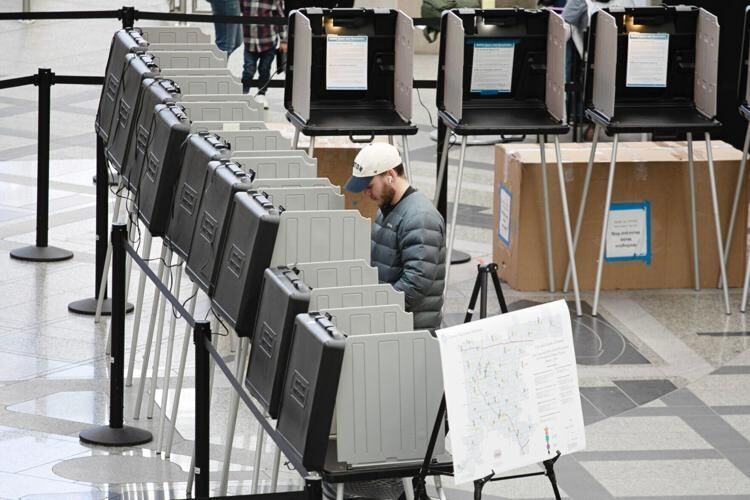
The coming election and mischief in the making | SONDERMANN
Eric Sondermann
eric-sondermann@coloradopolitics.com
Updated 3 days ago
America’s tribalism is such these days that we struggle to even agree on the basic rules. Elections have always been hotly contested. As the saying goes, “Politics ain’t beanbag.” The process has long involved elements of nastiness and underhanded conduct....
Colorado Politics Calendar Aug. 31-Sept. 6
Rachael Wright, Special to Colorado Politics
rachael.wright@coloradopolitics.com
Updated 3 days ago
CoPo’s weekly political calendar will help you find political and public-policy events throughout Colorado. It includes candidate and issue campaign events, public policy meetings, court hearings, state and local party conventions, assemblies, debates, rallies, parades, speaking engagements, traveling dignitary appearances,...
Tancredo in Running for Dept. of Ed. Position | A LOOK BACK
Rachael Wright, Special to Colorado Politics
rachael.wright@coloradopolitics.com
Updated 3 days ago
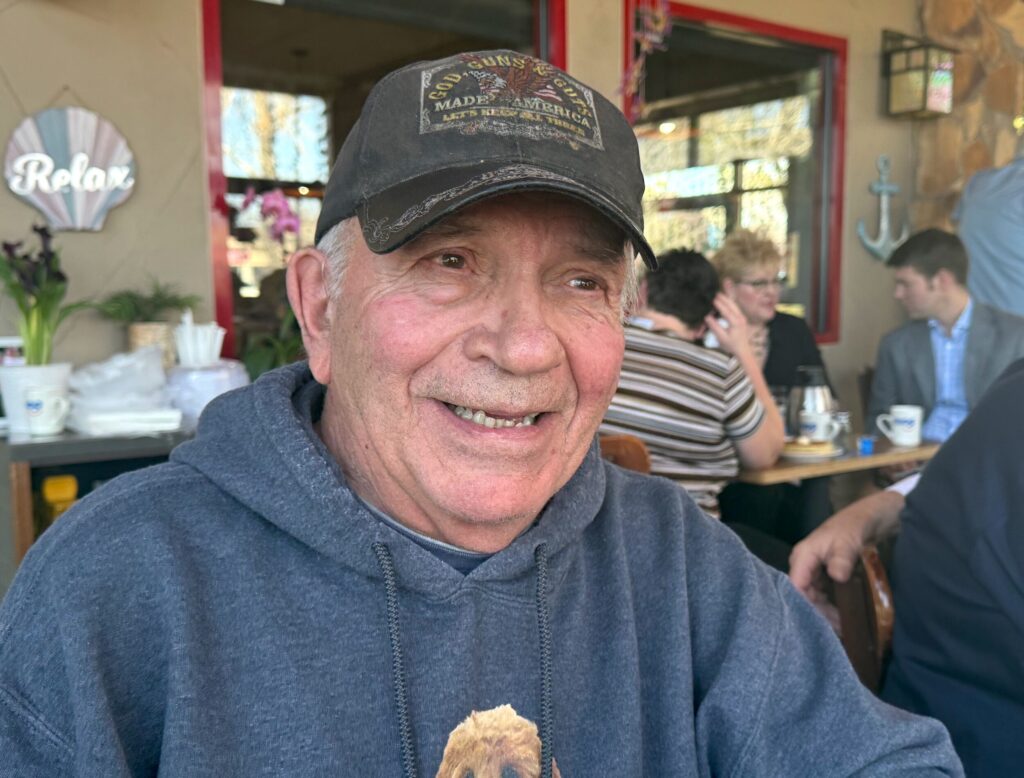
Forty-five years ago this week: “I know that my name has been placed before the Secretary of Education, and I know that I’m one of three or four being considered for the Department of Education’s Region 8,” said state Rep....
Colorado measure adding ID checks to mail-in voting qualifies for ballot
Marissa Ventrelli
marissa.ventrelli@coloradopolitics.com
Updated 19 hours ago
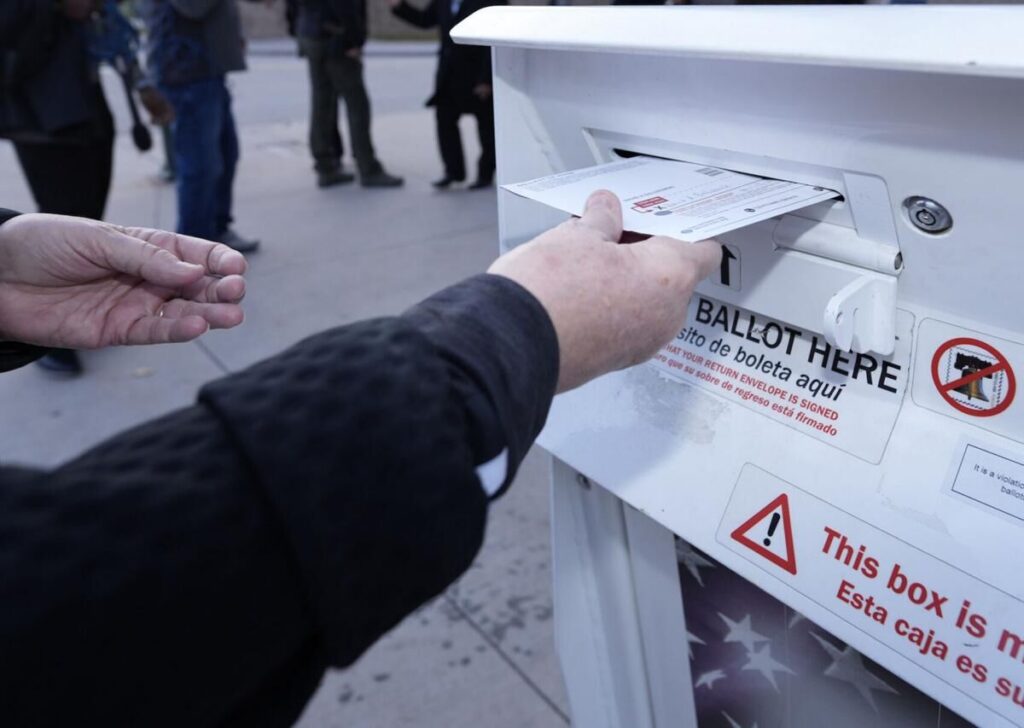
A ballot initiative that would require voters to include additional information on mail-in ballots has qualified for the November election, according to the Secretary of State’s Office. Backed by El Paso County Treasurer Chuck Broerman and former Deputy Secretary of...
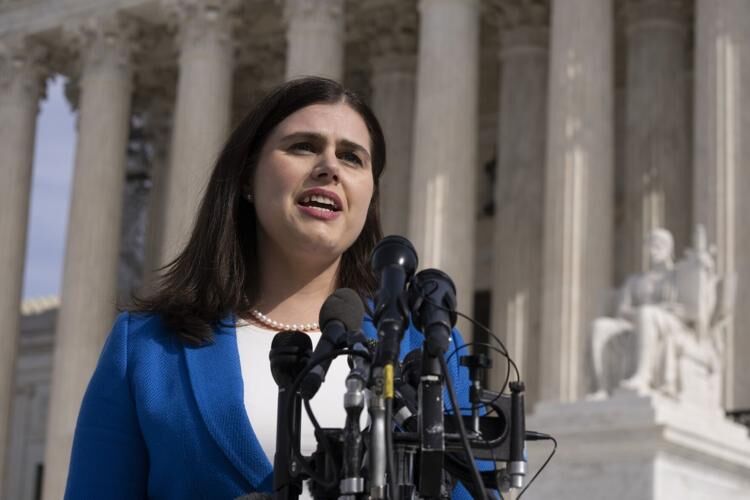
Colorado election website error exposes personal data of confidential voters
Marissa Ventrelli
marissa.ventrelli@coloradopolitics.com
Updated 20 hours ago
A system update accidentally lifted protections on confidential records in Colorado, exposing dozens of voters’ personal information, according to the Secretary of State’s Office. The limit that normally blocks access to confidential voter profiles was inadvertently disabled during an update...
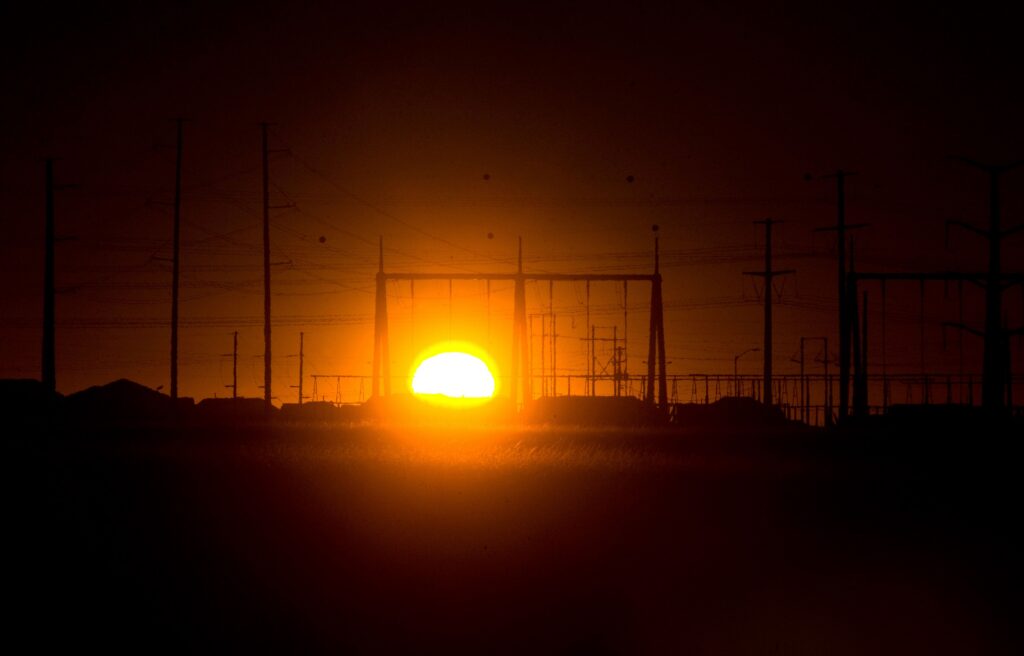
PUC adds weekly comment after killing private talks
Scott Weiser
scott.weiser@gazette.com
Updated 20 hours ago
The Colorado Public Utilities Commission will take public comment at the start of every commissioner’s weekly meeting beginning Sept. 9 as part of its new transparency mandate, the commission announced, expanding a slot previously limited to the second Wednesday of...
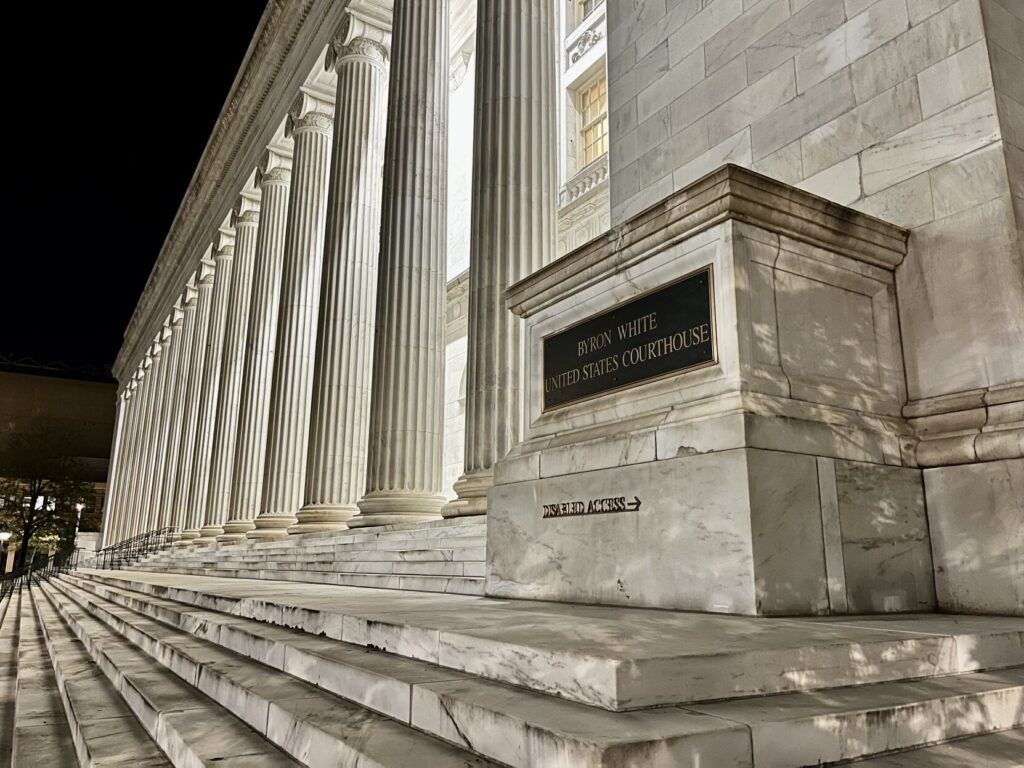
10th Circuit overturns framework for sentencing probation violators by 11-1
Michael Karlik
michael.karlik@coloradopolitics.com
Updated 21 hours ago
In a rare decision by all 12 of its full-time judges, the Denver-based federal appeals court ruled in a lopsided vote on Friday that one of its members created a sentencing process for probation violators that was out of step...
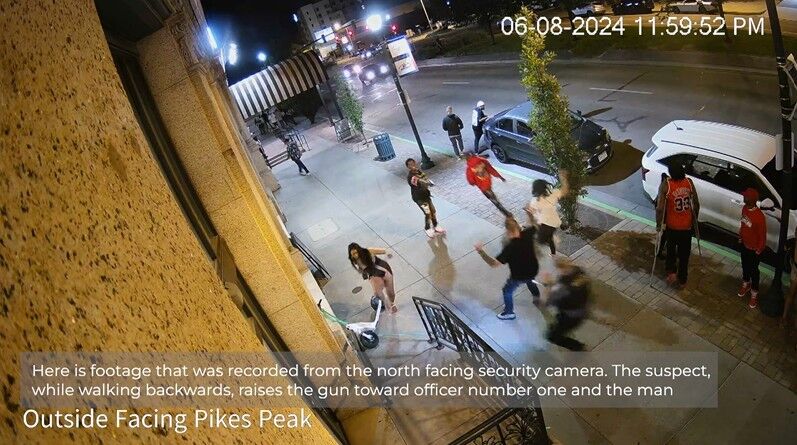
Federal judge dismisses excessive force lawsuit against Colorado Springs, officer
Michael Karlik
michael.karlik@coloradopolitics.com
Updated 2 hours ago
A federal judge concluded last week that a Colorado Springs police officer could not be held liable for shooting a suspect three times after the man menaced two victims with a gun and fled the scene. Al’morion Germany was involved...
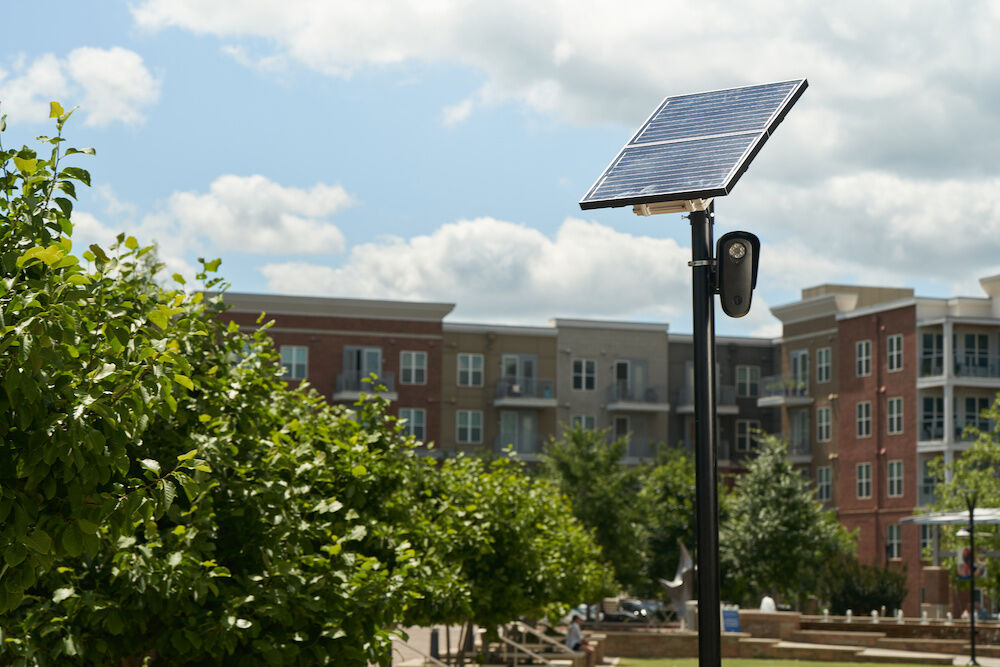
DeFlock started from one man’s curiosity — now Flock cameras are a midterm issue
Claire Carter
claire.carter@washingtonexaminer.com
Updated 24 hours ago
Will Freeman wasn’t looking to start a national movement when he launched DeFlock after noticing Flock Safety’s automatic license plate readers along the side of the road. The software engineer was driving across the country in 2024 when the cameras...

Aurora student journalist cleared of disciplinary charges after ignoring ‘gag order’
Kyla Pearce
kyla.pearce@gazette.com
Updated 21 hours ago
A Community College of Aurora student who accused the college of putting an “unconstitutional gag order” on his student-run publication was cleared of disciplinary charges against him. CCA student Andrew Green tried to register his independent student publication, called “FoxTalk,”...
PREV
PREVIOUS

Former state judge pleads guilty for obstructing federal drug investigation
A former district court judge in Weld County pleaded guilty to obstructing a federal cocaine trafficking investigation, U.S. Attorney Jason R. Dunn announced on Wednesday. Ryan Kamada had been friends since high school with a Greeley man involved in a cocaine distribution organization in northern Colorado. In April 2019, Kamada received a phone call from […]
Rep. Jason Crow to Aurora police: 'The lack of empathy is astonishing'
When U.S. Rep. Jason Crow argued in favor of a police reform bill on the floor of the U.S. House last month, he told the chamber and the nation the story of Elijah McClain, the 23-year-old Black Aurora man who died after a struggle with police last year. Wednesday, news broke that three Aurora police […]