

INSIGHTS | Colorado’s Super Tuesday was hardly heroic
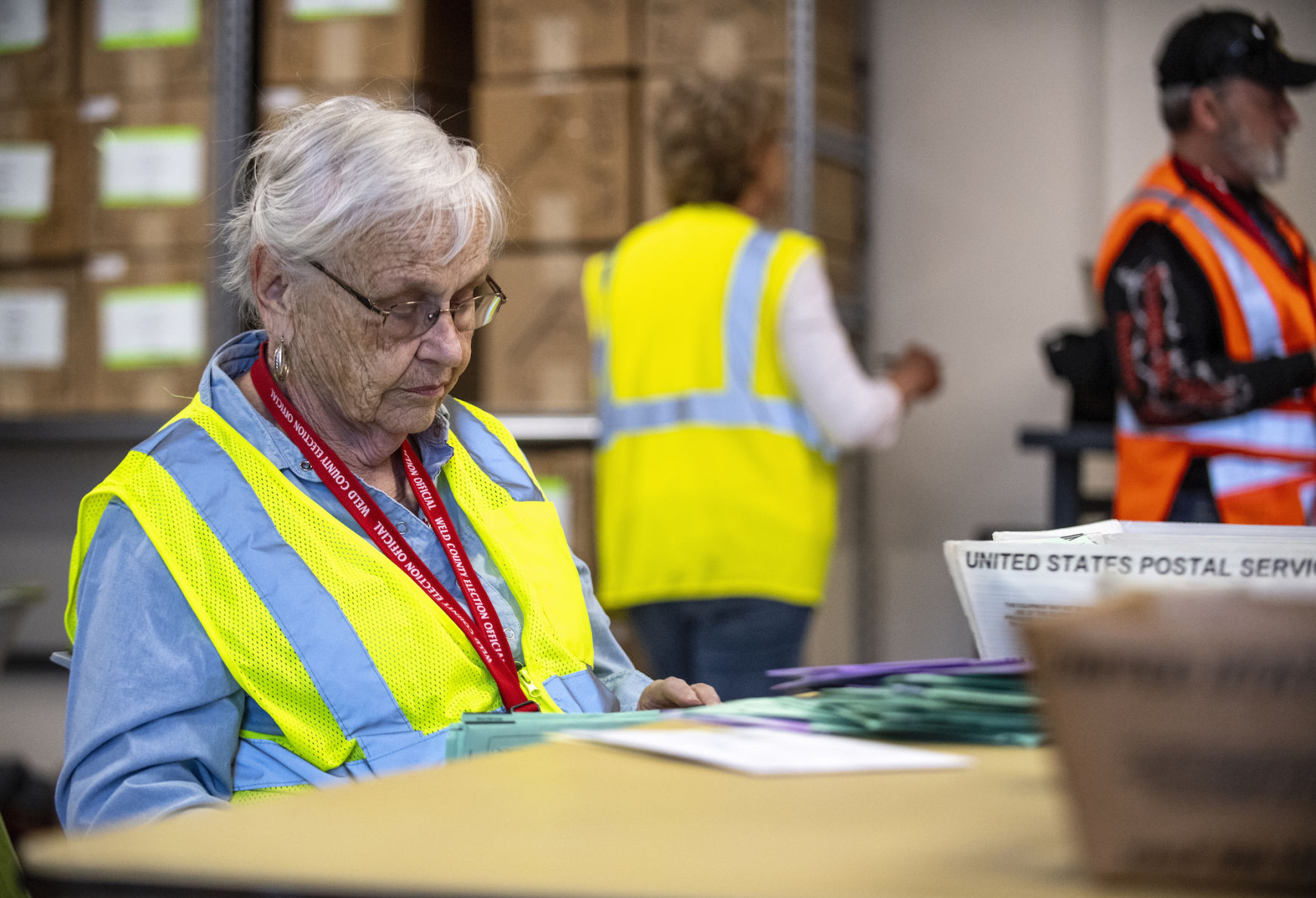
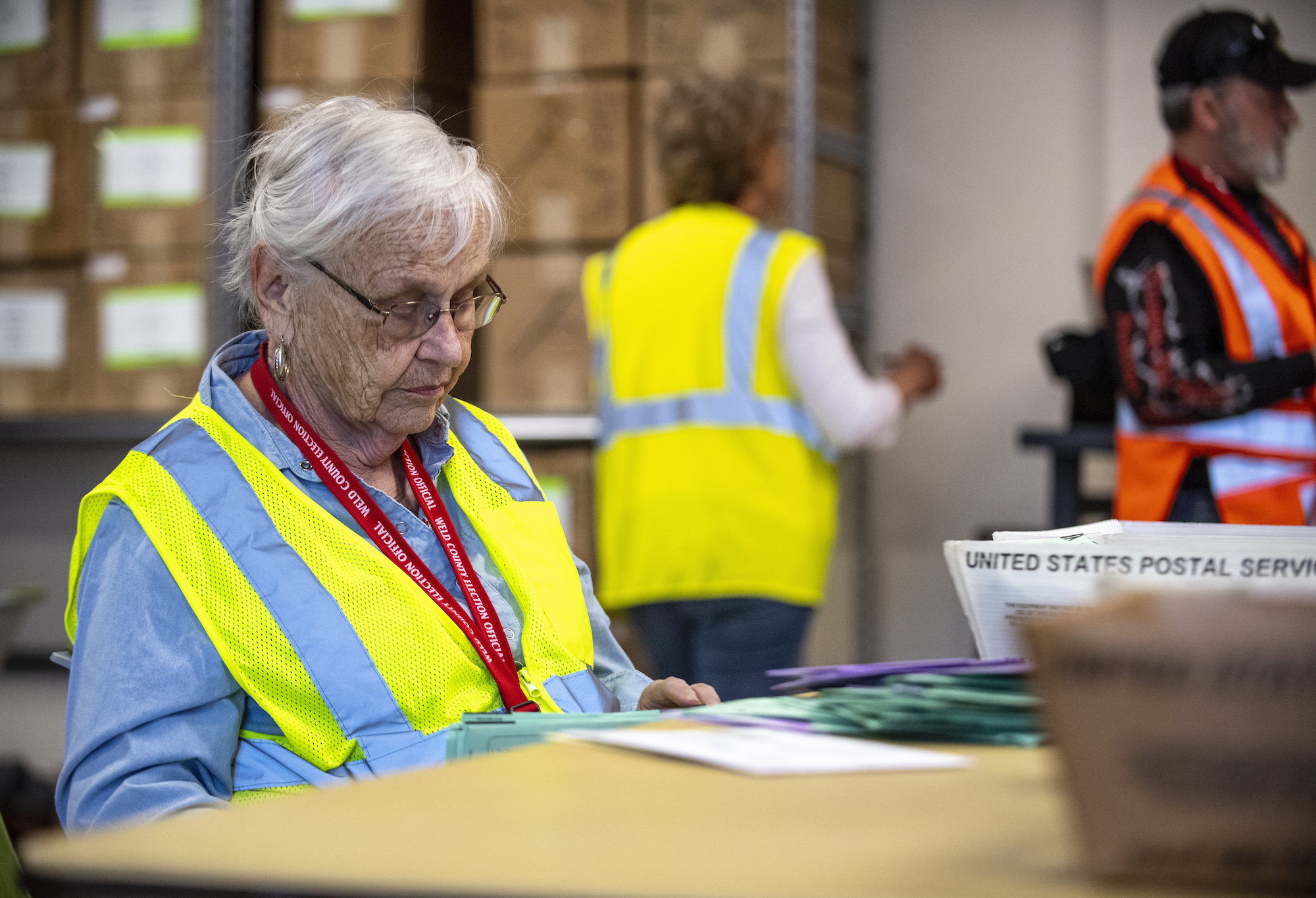
Super Tuesday was historic and a little confusing. Every election is. Was it super? Meh.
By Tuesday there weren’t any surprises in Colorado.
The state switched to a primary contest from a caucus – which Bernie Sanders won with a 60-40 split in 2016 – to have more of a say in who reached the White House, rather than waiting until June when the thing was all but settled.
This year it seemed Colorado was just lost in the shuffle, siding still with Sanders as former Obama vice president Joe Biden chewed up the former front runner’s lead in delegates across the South.
Fourteen Super Tuesday states, citizens abroad and the American Samoa awarded 34% of the 3,979 pledged delegates at stake on the way to the Democratic National Convention this summer in Milwaukee.
Colorado had just 67 of the 1,357 delegates up for grabs Tuesday. The nominee will need at least 1,991 delegates.
This was the socialist Democrat’s state to lose, especially since so many of the moderate votes that belonged to Amy Klobuchar and Pete Buttigieg had already been cast before their campaigns flickered out after South Carolina on Saturday.
Before the shakeup, the polls-watching website FiveThirtyEight predicted Sanders would get 35 Colorado delegates to Biden’s 11, with Elizabeth Warren, heavy-spending Mike Bloomberg and Buttigieg dividing the rest. My colleague Ernest Luning reported Tuesday that it could be days before we get an official delegate count.
Four years ago, Colorado’s delegates to the Republican National Convention were selected at the state assembly. Ted Cruz was the Colorado choice. At the RNC, the state’s delegates walked out, a rare and notable act of defiance.
Tuesday night on Twitter, Erik Maulbetsch of the Colorado Times Recorder reminded me on Twitter that Tuesday was the first time U.S. Sen. Cory Gardner ever voted for Trump, since he didn’t in 2016.
Colorado Democrats have sought to amplify every possible connection between Gardner and the president.
They want Gardner to answer for everything related to the top of his ticket, yet the field had little to say about their own ticket top this week.
I asked all nine who they were voting for. Only two would say. I can’t say if that speaks to loyalty, fear or politics. Diana Bray said she backed Sanders, and Michelle Ferrigno Warren was all-in for Elizabeth Warren (no relation).
Former governor and ex-presidential candidate John Hickenlooper is hard to pin down these days – Ernest and I have been trying for weeks – so I asked Melissa Miller, his campaign spokeswoman, about where Hick stood. She provided his response on Feb. 19 to Fox 31’s Joe St. George. Hickenlooper said, in part, “Well, let’s see how this process unfolds.”
But what about Bernie, I asked. She provided a quote Hickenlooper gave a reporter she didn’t identify about what it would be like to share the ticket with Sanders.
“Well first, I’m not sure, you know, it’s a little too early to call the race I think,” Hickenlooper said, according to Miller. “But I, look, you know, I’m gonna support whoever is on the ballot.”
Four years ago, he was glad to say he picked Hillary Clinton over Sanders, when many of us thought he might wind up her running mate.
Hickenlooper was booed in California as a presidential candidate last year when he spoke against socialism.
Andrew Romanoff is camped out far to the left of the former governor, but he also would not pick a favorite, even though he has done all he could to align himself with icons of the progressive left, including Rep. Alexandria Ocasio-Cortez. Perhaps Romanoff will jump on the bandwagon when he’s sure it’s headed in his direction.
Sunday, Colorado Politics got an email from Sanders supporter Zach Cheikho, a University of Colorado-Denver student who in 2016 was not yet old enough to vote.
Four years ago, “I realized that something was fundamentally wrong with our country,” he told us. “How is it that in the wealthiest country in the history of this planet, our Democratic presidential nominee was unwilling to promise a serious investment in the American people?”
We live in a swing state, and the pendulum is on the left for the while.
Things that start here, however, don’t last forever, but they serve to mark history.
Colorado is where the late Rodolfo “Corky” Gonzales became a Hall of Fame boxer then led the Chicano Movement, before leading the Poor People’s March on Washington in 1968, weeks after the death of Martin Luther King Jr.
Ronald Reagan led what people called a revolution, and Denver is where the president addressed an NAACP convention in 1981. He estimated the crowd was 10,000. The hostility Reagan had expected toward a Republican president did not manifest itself, Reagan wrote in his diary that night.
“A few isolated groups in the backwater of American life still hold perverted notions of what America is all about,” he told the convention. “Recently in some places in the nation there’s been a disturbing reoccurrence of bigotry and violence. If I may, from the platform of this organization, known for its tolerance, I would like to address a few remarks to those groups who still adhere to senseless racism and religious prejudice, to those individuals who persist in such hateful behavior.”
Revolution is in the soil, and every cause has its spring.

Judge rules that Colorado law makes it too hard for parties to bar unaffiliated voters from primaries
Ernest Luning
ernest.luning@coloradopolitics.com
Updated 9 hours ago
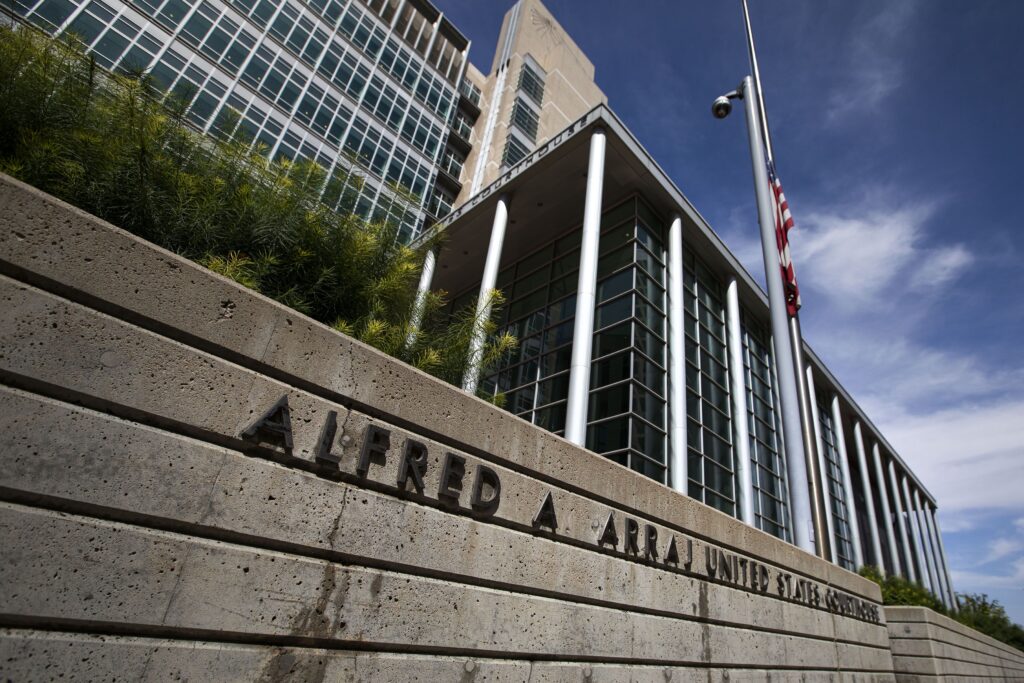
A federal judge ruled in favor of the Colorado Republican Party late Tuesday, saying that a portion of the state law that allows unaffiliated voters to cast ballots in party primaries is unconstitutional because it imposes an unrealistic burden on...
10th Circuit upholds regulator’s methodology for Tri-State exit fees
Michael Karlik
michael.karlik@coloradopolitics.com
Updated 12 hours ago
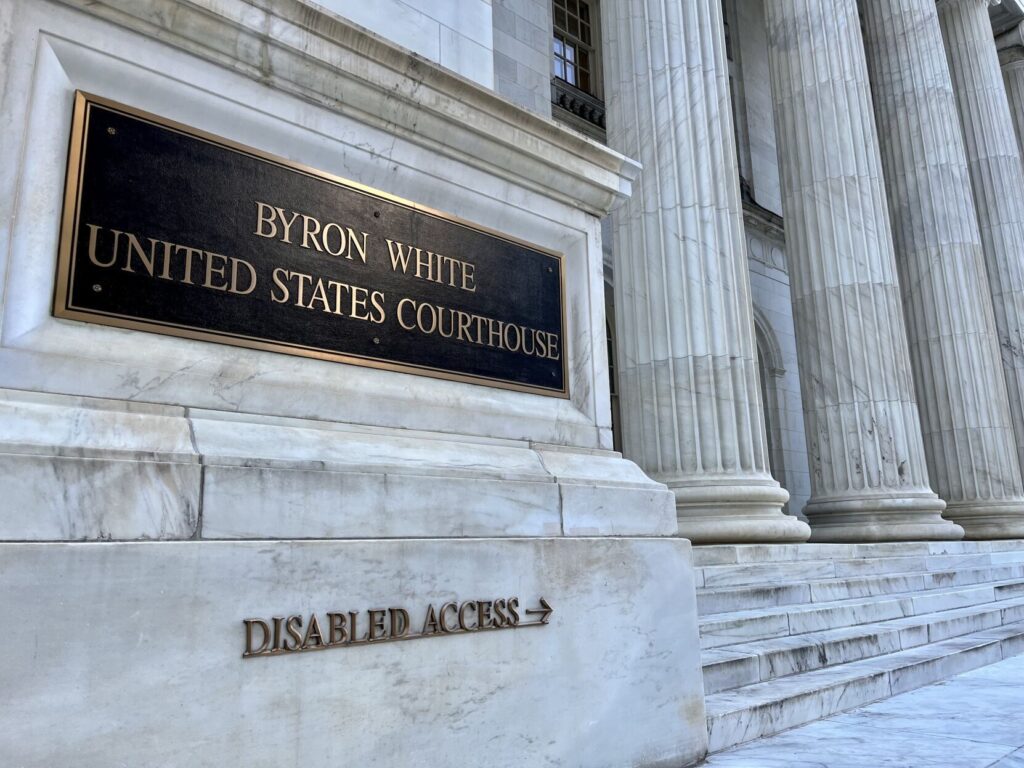
The Denver-based federal appeals court upheld a regulatory agency’s methodology for calculating the fee owed by entities seeking to withdraw from Tri-State Generation and Transmission Association last week. Tri-State is a Westminster-based cooperative that provides and transmits electricity to member...
Federal judge proposes sanctions against Mike Lindell’s lawyers for continued fake citations
Michael Karlik
michael.karlik@coloradopolitics.com
Updated 13 hours ago
A federal judge is once again pursuing sanctions against lawyers for MyPillow CEO Mike Lindell for continuing to cite to court cases that do not exist, likely based on the faulty output of artificial intelligence tools. Last year, a jury...

Front Range cities oppose Democratic proposal to permit lot‑splitting as a path to affordable housing
Marianne Goodland
marianne.goodland@coloradopolitics.com
Updated 13 hours ago
Colorado lawmakers are pressing ahead with a plan to let homeowners split their lots to make room for smaller, more affordable houses. The proposal has drawn sharp opposition from Aurora, Colorado Springs, Denver and other Front Range cities that argue...
Susan Blanco signals views on role of appellate courts in first opinion as Colorado justice
Michael Karlik
michael.karlik@coloradopolitics.com
Updated 16 hours ago
Justice Susan Blanco’s first solo opinion as a new member of the Colorado Supreme Court made clear her view of the guardrails that keep the state’s highest court tethered to the issues it is asked to decide. On Monday, the...

Hegseth features Fort Carson soldiers after returning from Middle East, gives warning on Iran war
Reuters
reuters@gazette.com
Updated 16 hours ago
Defense Secretary Pete Hegseth said on Tuesday the next few days in the war against Iran would be decisive and warned Tehran that the conflict would intensify if it did not make a deal. Hegseth also highlighted his trip to the Middle...

Denver Council narrowly approves deal with Axon
Deborah Grigsby
deborah.smith@denvergazette.com
Updated 20 hours ago
After weeks of delay, the Denver City Council narrowly approved a one-year $150,000 contract with Axon for 50 automated license plate-reading cameras and the necessary system hardware, replacing the city’s former vendor, Flock. The 7-6 vote came during Tuesday’s regular...
Colorado leaders weigh next steps after Supreme Court rejects state ban on ‘conversion therapy’
Marissa Ventrelli
marissa.ventrelli@coloradopolitics.com
Updated 1 day ago
Colorado leaders said they are weighing next steps after the U.S. Supreme Court on Tuesday rejected the state’s ban on “conversion therapy” for children, as critics and supporters cheered or lambasted the ruling. The court’s near-unanimous decision called the Colorado...
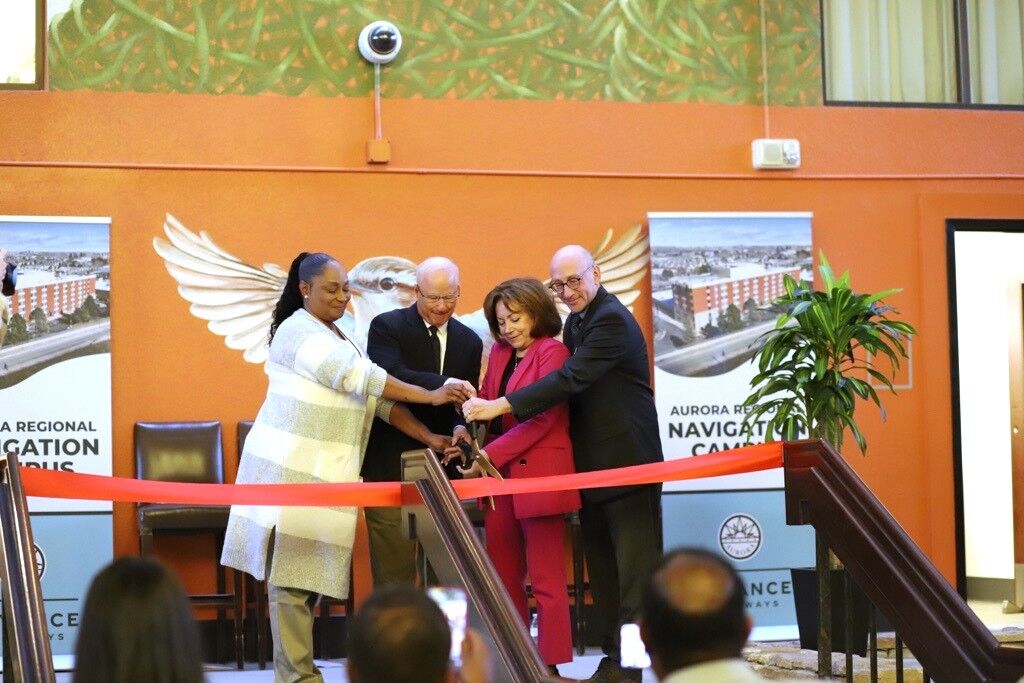
Aurora homeless shelter opened too early, CEO says, as mold and plumbing issues emerge
Kyla Pearce
kyla.pearce@gazette.com
Updated 20 hours ago
Aurora’s largest homeless services project launched “way too early,” its CEO told city leaders Tuesday, saying the rushed opening left residents living amid mold, plumbing failures, and other issues inside the former hotel. During Tuesday’s Housing, Neighborhood Services and Redevelopment...

Gov. Polis declares April ‘dig safely month’ to mark 40th anniversary of Colorado 811
Scott Weiser
scott.weiser@gazette.com
Updated 20 hours ago
Gov. Jared Polis declared April 2026 as “Dig Safely Month” in Colorado, an annual observance that this year highlights the 40th anniversary of Colorado 811, the state’s One-Call Notification System. “Before everyone starts their warm weather projects around the house,...
PREV
PREVIOUS

Sanders, Trump carry Colorado in Super Tuesday presidential primaries
Bernie Sanders jumped to an early lead Tuesday Night and kept it as the Vermont senator carried Colorado’s Democratic presidential primary, repeating the double-digit win he scored four years ago in the state’s caucuses. The race for second place tightened as late returns poured in, with former Vice President Joe Biden and former New York […]

GOP gathers to cheer on Trump, relishes contest with Sanders
When Fox News’ announcement that Bernie Sanders had won Colorado flashed on the big-screen TV overhead on Super Tuesday night at Washington Park Grille in Denver, hardly anyone at the Trump monthly “MAGA meet-up” batted an eye. The crowd of about 75 people seemed to be unanimously confident that, no matter who ultimately wins the […]