

Denver pledges to further invest in electric vehicles to help curb carbon emissions

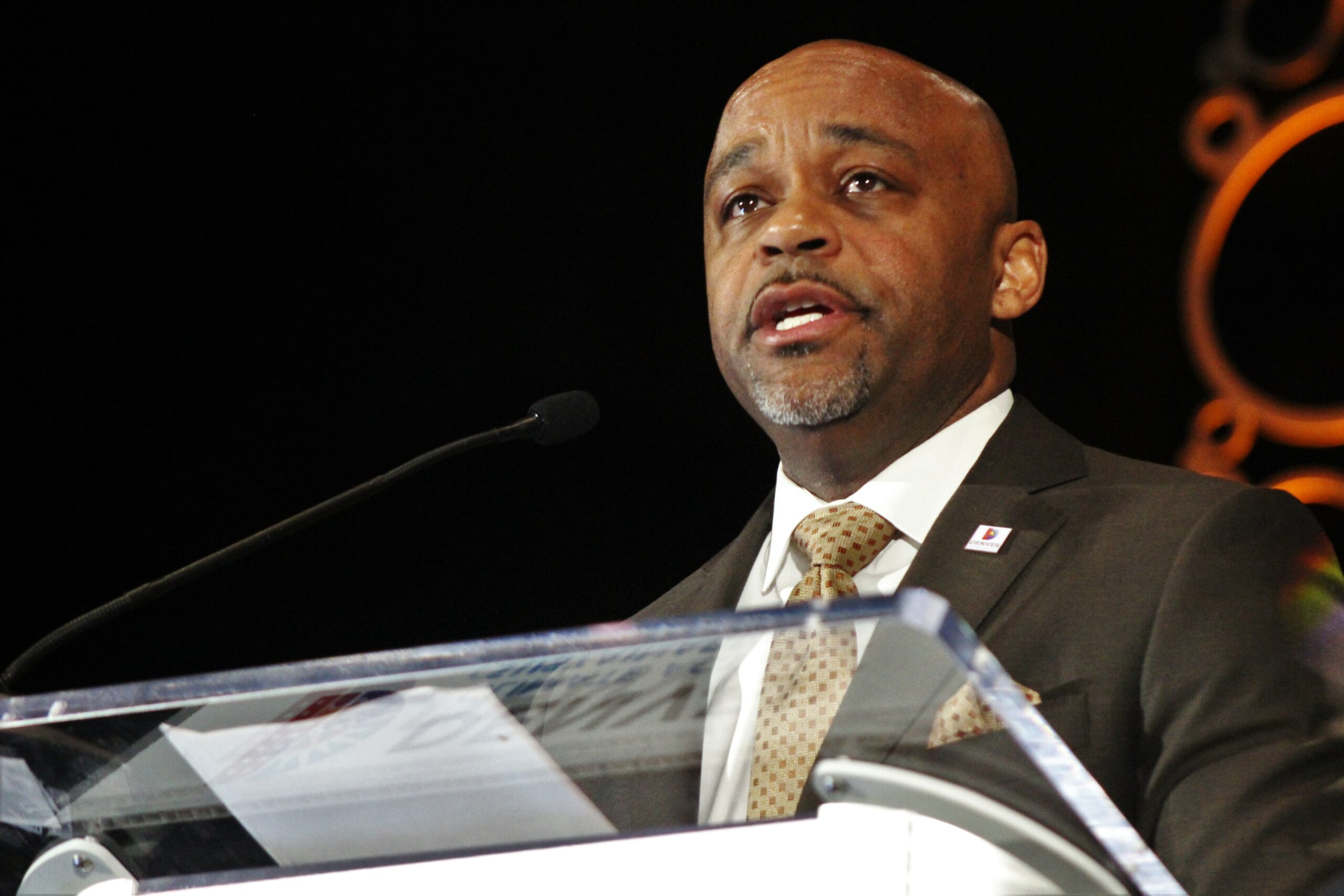
By 2029, nearly a quarter of Denver city fleet vehicles could be electric, according to Mayor Michael Hancock, who announced the city’s commitment during the fifth annual Sustainable Denver Summit on Thursday.
Under the pledge, an estimated 850 city vehicles will be replaced by electric ones, which could take up to 11,500 tons of emissions out of the air. Transportation is a leading source of air pollution in Denver and accounts for nearly 30% of its carbon emissions.
“Leading the change isn’t just about setting nice goals – it’s about turning those goals into the way we do business as a city. That’s why we’re going to make it a standard practice to replace our city fleet vehicles, where we can, with EVs,” Hancock said. “This is an actionable step we can take right now to make a real impact on this issue.”
The city’s commitment aligns with Hancock’s $2 billion Mobility Action Plan, which intends to reduce 80% of emissions by 2050. The initiative’s goal is to cut back on single-occupancy vehicle commuters by encouraging shifts to alternative, cleaner modes of transportation; cut transportation-caused carbon pollution; encourage and increase electric-vehicle usage; and make Denver’s transportation network safer.
The city has taken steps to increase electric vehicle usage and infrastructure for the last two years.
For example, the city committed in 2017 to adding 200 electric vehicles to its fleet, which Hancock said will be achieved and surpassed next year.
The Denver Housing Authority also has partnered with the city to pilot Colorado’s first EV car share location at the Mariposa Redevelopment, a mixed-income community.
Hancock’s $1.5 billion 2020 budget was approved by City Council last month and allocates nearly $3 million to purchase more EVs and the infrastructure needed to support them.


Colorado to get $615M from Meta child safety settlement
Thelma Grimes
thelma.grimes@coloradopolitics.com
Updated 5 hours ago
The parent company of Facebook and Instagram will pay hundreds of millions of dollars to Colorado, part of an $18 billion multistate deal, in which the company also agreed to adopt extensive child-safety changes to its operations. The settlement ended...

Colorado’s chief federal judge orders return of wrongfully deported man, second judge to explore ‘series’ of violations
Michael Karlik
michael.karlik@coloradopolitics.com
Updated 8 hours ago
Colorado’s chief federal judge took the extraordinary step of directing the government on Tuesday to do everything it can to return a man it deported in violation of his order. At the same time, Colorado’s chief magistrate judge has set...

Counties warn CPW that new comment limits sideline local governments
Marianne Goodland
marianne.goodland@coloradopolitics.com
Updated 6 hours ago
The September meeting of the Colorado Parks and Wildlife Commission will feature newly revised public‑comment rules — changes introduced by chair Jay Tutchton of Bent County, who announced them without first discussing the revisions publicly with the rest of the...

Controversial two-bag furbearer limit heads to CPW meeting under legal threat
Marianne Goodland
marianne.goodland@coloradopolitics.com
Updated 6 hours ago
Next week’s Colorado Parks and Wildlife Commission meeting in La Junta is likely to open under the cloud of threatened legal action. Safari Club International and the Sportsmen’s Alliance Foundation warned the commission this month that its July vote imposing...

Golden to pay $155,000 to fired city manager
Matt Kyle
matt.kyle@denvergazette.com
Updated 8 hours ago
The Golden City Council on Tuesday approved a roughly $155,000 severance payout to former city manager Scott Vargo, who was fired earlier this month following a “racist incident” at a city fire station. The payout is part of a separation...

Trump says the US doesn’t need Canada. America’s economy says otherwise.
The Associated Press
the-associated-press@coloradopolitics.com
Updated 9 hours ago
TORONTO (AP) — U.S. President Donald Trump says his country does not need Canada. But every day, roughly 4 million barrels of Canadian crude oil flow south, helping fuel American cars, trucks and airplanes and supply U.S. industry. And oil...

USPS ballot rule faces lawsuit from Colorado, other states
Thelma Grimes
thelma.grimes@coloradopolitics.com
Updated 7 hours ago
Colorado, along with 25 other states, filed a lawsuit against the U.S. Postal Service to challenge a new rule that seeks to restrict the mailing of ballots to American citizens in an eligible voters list. Colorado relies heavily on the...

FDA approves landmark pancreatic cancer drug that’s shown to improve survival
The Associated Press
the-associated-press@coloradopolitics.com
Updated 9 hours ago
WASHINGTON (AP) — The Food and Drug Administration on Wednesday approved a groundbreaking new drug for advanced pancreatic cancer, offering U.S. patients a more effective treatment against one of the deadliest types of cancer. FDA officials gave expedited approval to...

Trump defends pause on beef tariffs: Prices are ‘coming down very rapidly’
Naomi Lim
naomi-lim@coloradopolitics.com
Updated 11 hours ago
President Donald Trump defended his decision to pause tariffs on some beef imports, even as Republicans criticize the decision. “Prices are coming down very rapidly, and now beef is starting to come down,” Trump told The Glenn Beck Program on...
Denver murder, assault convictions reversed due to faulty jury instructions
Michael Karlik
michael.karlik@coloradopolitics.com
Updated 6 hours ago
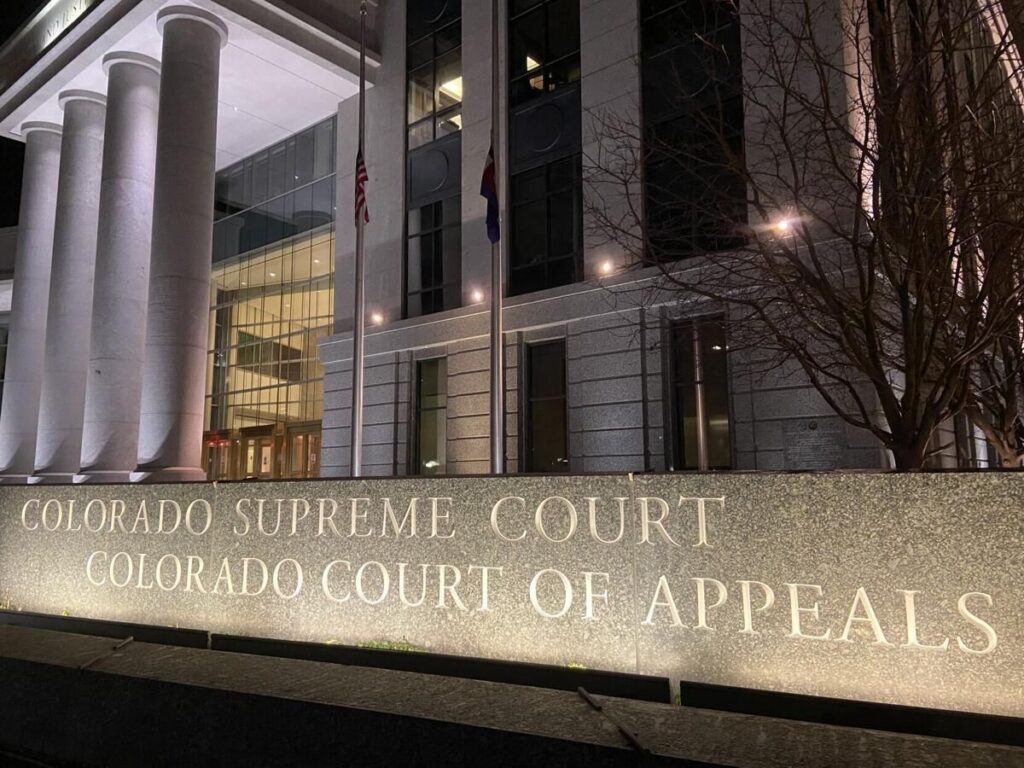
Colorado’s second-highest court reversed a defendant’s convictions for murder and assault last week after concluding a Denver judge incorrectly omitted key jury instructions that could have affected the verdict and sentencing. Stephen C. Swainson fatally stabbed Israel Casillas in downtown...
PREV
PREVIOUS

Colorado Springs among top 10 metro areas for VA home loans
Colorado Springs ranks among the top 10 cities for the number of Department of Veterans Affairs home loans in 2019, according to the Missouri-based Veterans United Home Loans. More than 10,500 VA Home Loans took place in the Colorado Springs metropolitan area, an increase of 56% from five years ago. Approximately 25% of the population […]

Inaccurate methane reporting data uncovered by NOAA scientist
A scientist for the National Oceanic and Atmospheric Administration discovered that the company that processes Colorado’s methane data was reporting erroneous measurements. CPR reports that Gabrielle Petron realized that the reported measurements of methane at sites in Denver and Platteville were lower than those from the South Pole, which has some of the purest air […]