

State evaluating dam safety in context of climate change

In the coming year, Colorado’s dam inspectors will determine which pieces of infrastructure need repairs and reinforcements, partly in response to concerns over the effect of climate change.
The Denver Post reports that a recent federal study conducted alongside the University of Colorado helped induce an “atmospheric moisture factor” to be added to the state’s dam safety rules.
“In the past, we assumed a stationary climate. The methods that we used to determine rainfall were all backward-looking, at historic storms,” said the state’s director of dam safety, Bill McCormick, according to The Post. “Now it doesn’t seem that is the smartest way to do it anymore.”
The majority of dams in the United States are privately owned. The Association of State Dam Safety Officials found that nearly one-quarter of Colorado’s 1,763 state-regulated dams, nearly one-quarter have “high hazard” potential, meaning a potential loss of life if the dam were to fail.
State regulators can restrict the amount of water that dams can store out of caution.
Most recently, a 1982 dam failure in Rocky Mountain National Park killed three people. Colorado has had 87 other failures since 1848, according to a Stanford University study. Old mines in the West also serve as dams, holding hazardous waste intended for permanent storage. In Colorado, those sites receive monthly inspections and are built to withstand rain from 100-year storms.



Colorado justices agree to review insurance question that has divided federal judges
Michael Karlik
michael.karlik@coloradopolitics.com
Updated 3 hours ago
The Colorado Supreme Court granted a federal judge’s request on Friday to address an issue that has produced conflicting answers in policyholders’ lawsuits against insurance companies over unpaid benefits. “Parties (and judges) regularly spend undue time and money fighting in...

Farmworker overtime bill advances after lengthy debate in Colorado Senate
Marianne Goodland
marianne.goodland@coloradopolitics.com
Updated 4 hours ago
The Colorado Senate on Tuesday narrowly advanced a bill to raise the overtime threshold for agricultural workers, defeating more than a dozen amendments from its leading opponent aimed at rewriting the measure. As introduced, Senate Bill 121 would raise the threshold for...

Colorado Agriculture Day: A feast for the ears, eyes and stomachs
Marianne Goodland
marianne.goodland@coloradopolitics.com
Updated 3 hours ago
Gov. Jared Polis, legislators and friends of agriculture gathered at the state Capitol on Tuesday to celebrate Colorado Agriculture Day. The annual recognition of the contributions of Colorado farmers, ranchers and agribusiness drew hundreds to the Capitol’s west foyer, where...

Pueblo man held in Afghanistan for more than a year released, Taliban says
The Associated Press
the-associated-press@coloradopolitics.com
Updated 2 hours ago
KABUL, Afghanistan — Afghanistan’s Taliban authorities on Tuesday released American academic Dennis Coyle after holding him for over a year, with the foreign ministry saying the release came on the occasion of Eid al-Fitr, the Muslim holiday that marks the end of the...

Mortgage rates rise in defiance of Trump’s $200 billion push, hurting GOP on affordability
Zach Halaschak, Washington Examiner
zach.halaschak.washington.examiner@gazetteedit.wpenginepowered.com
Updated 6 hours ago
After months of a gradual decline, mortgage rates are trending back up because of the war with Iran, defying President Donald Trump’s efforts to lower them and undercutting Republicans on the key issue of affordability. As of Monday, the average rate on a 30-year...

Federal judge dismisses background screeners’ challenge to Colorado law
Michael Karlik
michael.karlik@coloradopolitics.com
Updated 8 hours ago
A federal judge dismissed a challenge on Friday to a portion of Colorado law that prohibits certain information from being included in consumer reports, in what seemed to be a conflict with federal law. Congress originally enacted the Fair Credit...
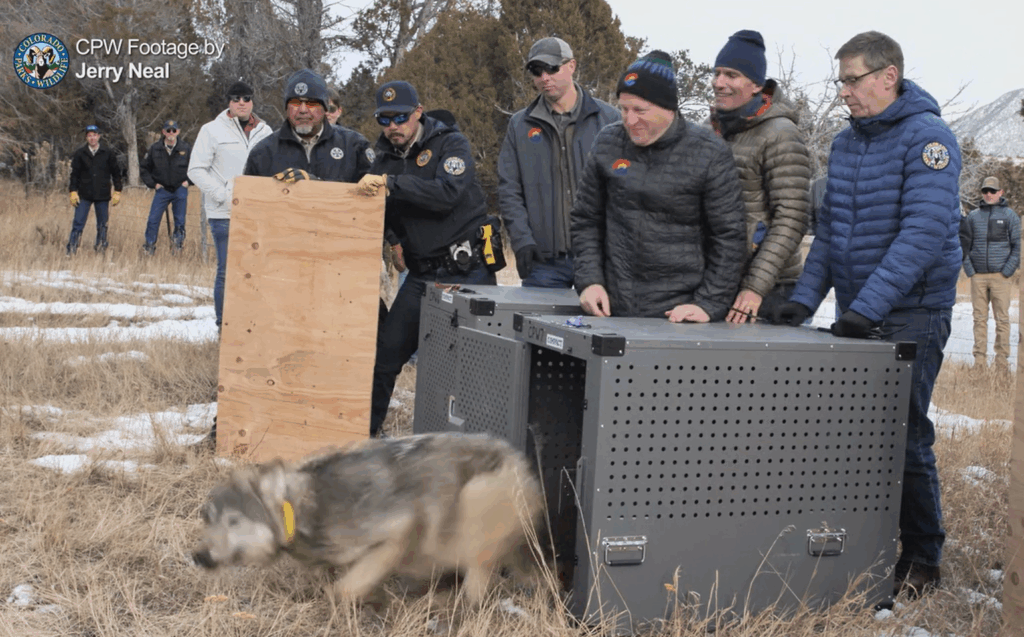
Wildlife agency asks for $450,000 to bring more wolves to Colorado
Marianne Goodland
marianne.goodland@coloradopolitics.com
Updated 45 minutes ago
The panel of legislators charged with crafting the budget on Monday rejected a proposal that proponents said would increase transparency around how much Colorado Parks and Wildlife spends to bring additional wolves into the state. At the same time, the...
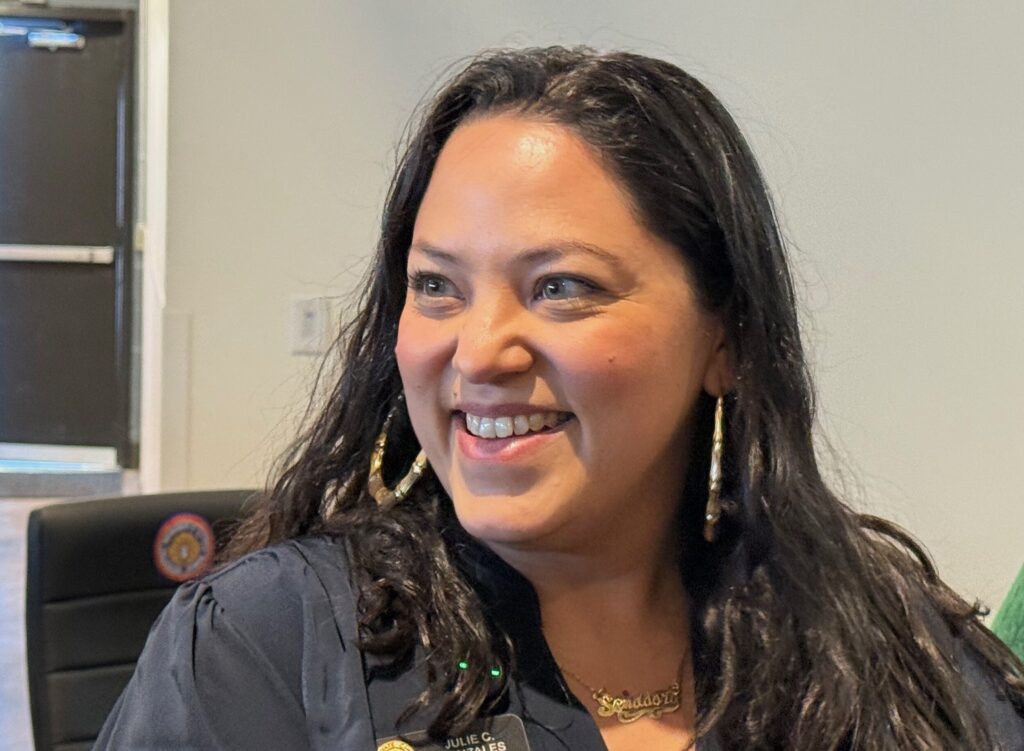
Hickenlooper primary challenger Julie Gonzales endorsed by national progressive group Indivisible
Ernest Luning
ernest.luning@coloradopolitics.com
Updated 1 hour ago
State Sen. Julie Gonzales’ bid to challenge U.S. Sen. John Hickenlooper in Colorado’s Democratic primary got a boost Tuesday from Indivisible when the national arm of the progressive grassroots group endorsed the Denver lawmaker. The national group’s endorsement comes less...
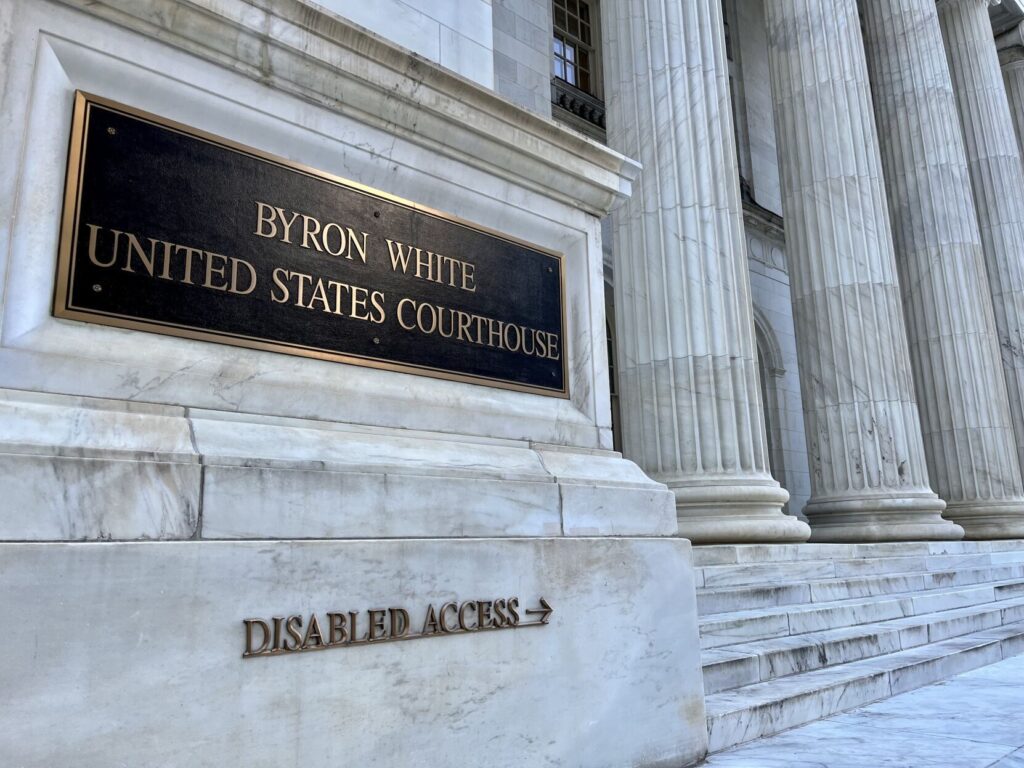
10th Circuit rejects ‘penalty’ for children of naturalized citizens seeking visas
Michael Karlik
michael.karlik@coloradopolitics.com
Updated 1 hour ago
The Denver-based federal appeals court joined three of its peers earlier this month and determined the child of a newly naturalized U.S. citizen is not moved to a longer visa line as a result of his parent gaining citizenship, and...
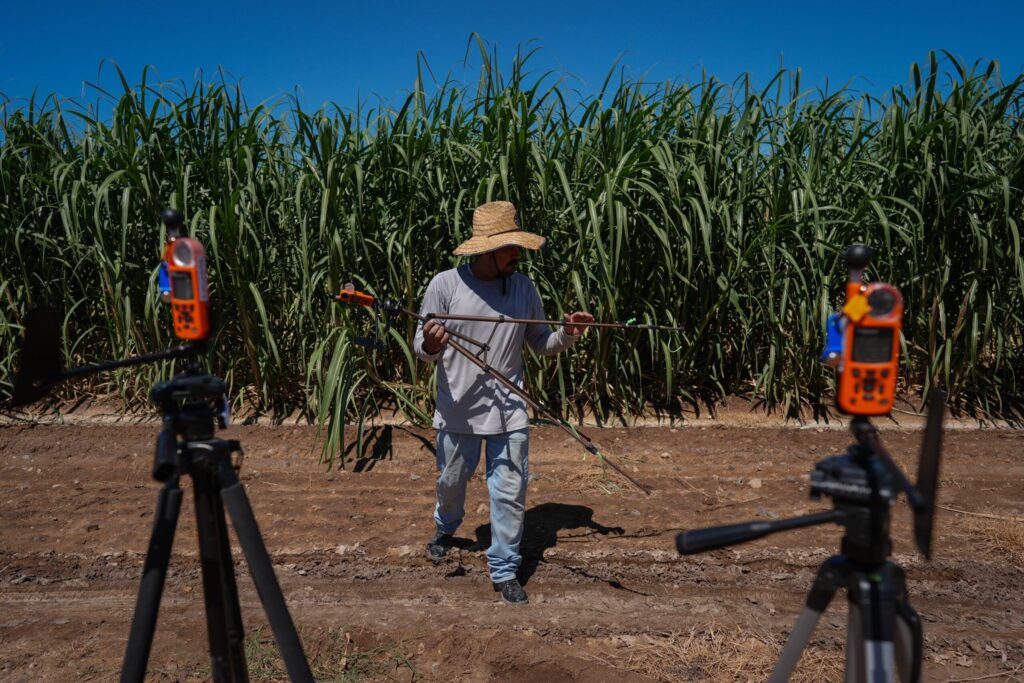
Colorado lawmakers mull renaming César Chávez Day to Farm Workers Day
Marianne Goodland
marianne.goodland@coloradopolitics.com
Updated 10 hours ago
A Colorado House committee has voted to rename the March 31 state holiday from César Chávez Day to Farm Workers Day, following a national shift prompted by sexual abuse allegations against the labor leader. The State, Civic, Veterans, and Military...
PREV
PREVIOUS

Western bishops proclaim "safe harbor" ahead of new anti-LGBT Methodist rules
Bishops in the Western Jurisdiction of the United Methodist Church have declared a “safe harbor” for LGBTQ people and clergy ahead of punitive new rules scheduled to take effect in 2020. The Denver Post reports that the regional conferences of the eight westernmost states will not enforce mandatory suspensions for clerics who perform same-sex marriages. […]

State requires muscular atrophy screening for newborns beginning in 2020
Colorado’s Board of Health last month added Spinal Muscular Atrophy to the conditions for which newborns must be tested. “There are few false positives with the test, but there are effective treatments that, if started early enough, prevent or minimize the devastating consequences of this disorder and save families health care costs down the road,” […]