

Delayed Democratic immigration bill slimmed down to pass muster with Polis
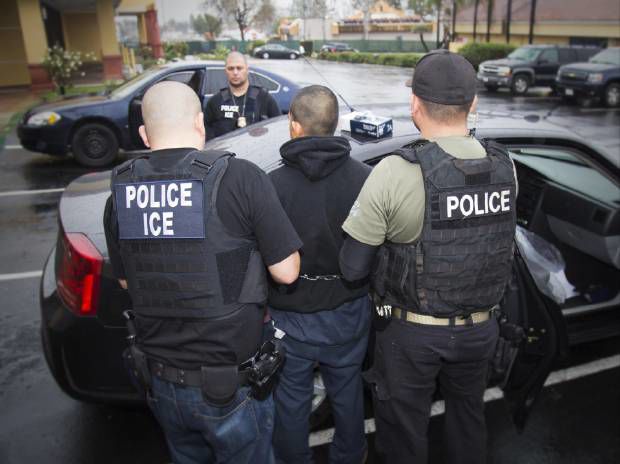
The Colorado House might finally hear a Democratic immigration bill that has lingered since it was introduced in January.
Sponsors have been negotiating with the governor’s office to get House Bill 1124 in a form Gov. Jared Polis, a Democrat, would sign.
Republicans have characterized the bill as a “sanctuary state” effort, comparing it to politically divisive sanctuary cities that don’t cooperate with federal immigration enforcement efforts. Denver, Aurora and Boulder are most often cited as sanctuary cities in Colorado.
The bill’s title is “Protect Colorado Residents From Federal Government Overreach.”
As introduced, the bill would have barred any state agency or employee “from using public funds or resources to assist in the enforcement of federal civil immigration laws,” but would have allowed state employees to assist federal authorities in executing criminal warrants or writs issued by a judge.
State Rep. Adrienne Benavidez, D-Commerce City, a sponsor of the legislation, said Friday that the measure has been slimmed down since it was introduced on Jan. 16 and postponed repeatedly on the House floor’s daily calendar, which is controlled by the chamber’s Democratic majority.
She was hopeful the bill would get a floor debate on Monday. The session adjourns in two weeks.
Benavidez said the more narrowly worded bill received the governor’s support Friday morning, possibly clearing a legislative path, as Democrats have a majority in the House and Senate.
“We had to negotiate with the governor’s office, so they’d feel comfortable,” she explained.
The governor’s office said Friday that it’s getting there.
“The governor is generally pleased with the current direction of the bill,” said Polis’s spokesperson, Laurie Cipriano. “We are monitoring the legislation.”
The bill still prevents state probation officers from notifying U.S. Immigration and Customs Enforcement about their undocumented wards. It also requires jails to inform inmates they don’t have to talk to ICE agents, because anything they say could be used against them in an immigration case unrelated to their detainment.
It also prevents ICE agents from talking to inmates in “the secure areas of any city or county jail or other law enforcement facility for the purpose of conducting investigative interviews or for any other purpose related to the enforcement of federal civil immigration laws unless federal immigration authorities present a warrant issued by a federal judge or magistrate.”
The bill’s main objective, however, is to clarify for all cities and counties what state law and the courts have already say about holding undocumented immigrants for federal agents, Benavidez said.
Some counties, including El Paso, had charted their own course on holding undocumented inmates for ICE, even after individuals have posted bond, until the American Civil Liberties Union filed an injunction last year. The courts later upheld that injunction.
> RELATED: Colo. Supreme Court denies El Paso County appeal in ACLU battle over ICE holds at jail
“Part of the reason you do state law is so you don’t have a patchwork going on,” Benavidez said.
The bill originally prevented jail employees from talking to ICE, but it was amended to allow them to notify federal immigration authorities when undocumented inmates would be released. They still cannot, however, hold inmates longer than their normal release date or after they post bond, Benavidez said.
Regardless of the changes, the bill will still weather the broad characterization that it sets up a “sanctuary state” for undocumented immigrants, she acknowledged.
“Sanctuary state is in the eye of the beholder,” Benavidez said. “There was nothing in this bill, after committee (amendments) to stop jails from contacting ICE. That doesn’t sound like a sanctuary state to me … It’s not sweeping because it’s not about a sanctuary state, I never thought it was.”

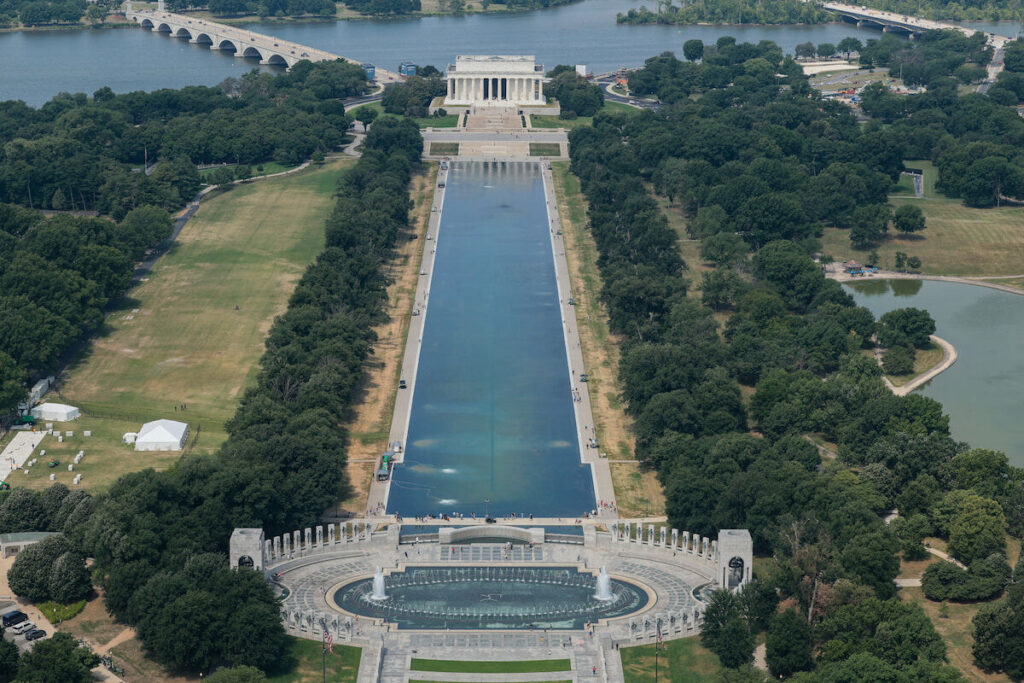
Colorado to participate in Great American State Fair in Washington
Marissa Ventrelli
marissa.ventrelli@coloradopolitics.com
Updated 16 hours ago
Visitors to Washington, D.C., for the country’s 250th anniversary will have the opportunity to learn about Colorado’s natural beauty and culture during the Great American State Fair, a World’s Fair-style event that opened Thursday at the National Mall. While all...
Colorado health officials say federal budget adds pressure to already stressed system
Marissa Ventrelli
marissa.ventrelli@coloradopolitics.com
Updated 16 hours ago
As the first anniversary of H.R. 1 approaches, Colorado Democrats and hospital executives say the law’s Medicaid reductions and eligibility rules are accelerating financial stress in a system where many facilities were already operating on the brink. Signed by President...

Phil Weiser leading Michael Bennet in Colorado’s Democratic gubernatorial primary, internal poll finds
Ernest Luning
ernest.luning@coloradopolitics.com
Updated 11 hours ago
Attorney General Phil Weiser holds a lead over U.S. Sen. Michael Bennet among likely voters less than a week before ballots are due in Colorado’s Democratic gubernatorial primary, according to a new poll released Thursday by a group backing Weiser....
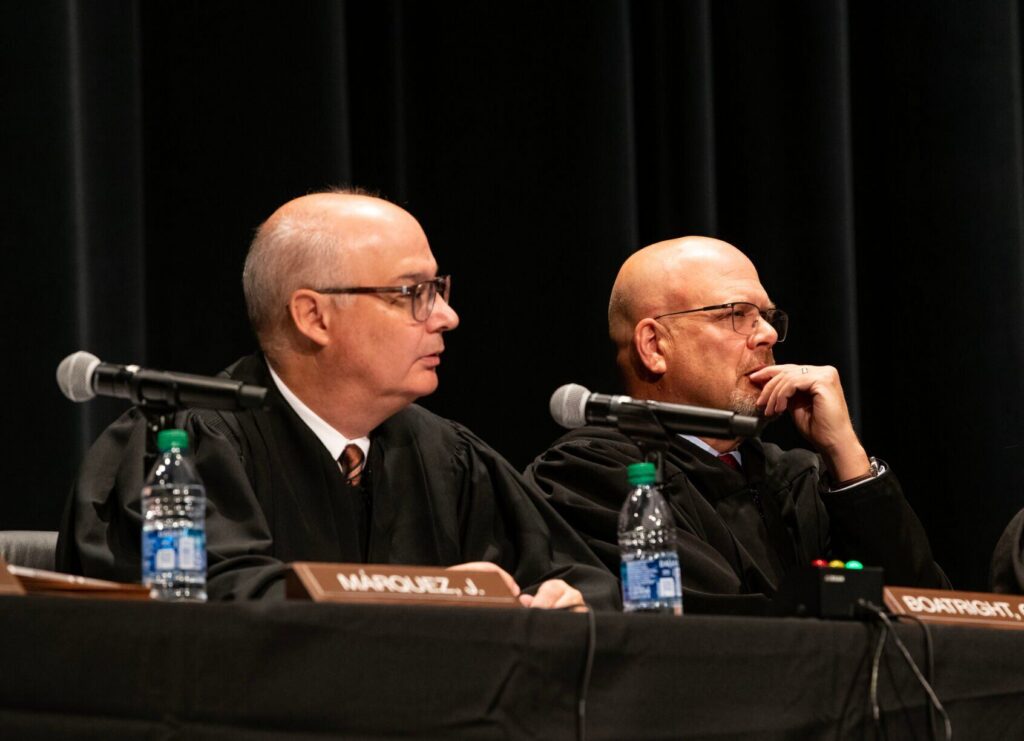
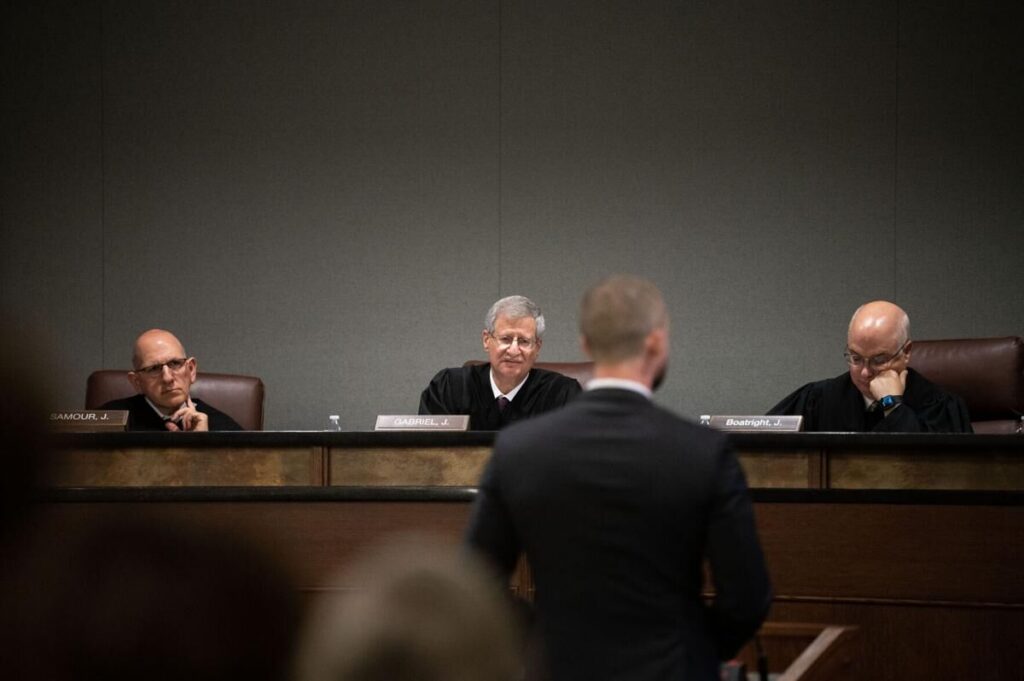
Colorado justices suggest father entitled to appeal of custody decision
Michael Karlik
michael.karlik@coloradopolitics.com
Updated 19 hours ago
Members of the Colorado Supreme Court signaled strongly on Tuesday that a father deserved some avenue for challenging a temporary child custody order that no lower court believed it could review due to the unusual circumstances of the case. Because...
Colorado justices agree fraud claims belong in corporate dispute
Michael Karlik
michael.karlik@coloradopolitics.com
Updated 21 hours ago
The Colorado Supreme Court decided on Tuesday that a corporate plaintiff validly pursued fraud claims over conduct that was not covered by a contract or by a set of interrelated business agreements leading up to the contract. Previously, the Court...
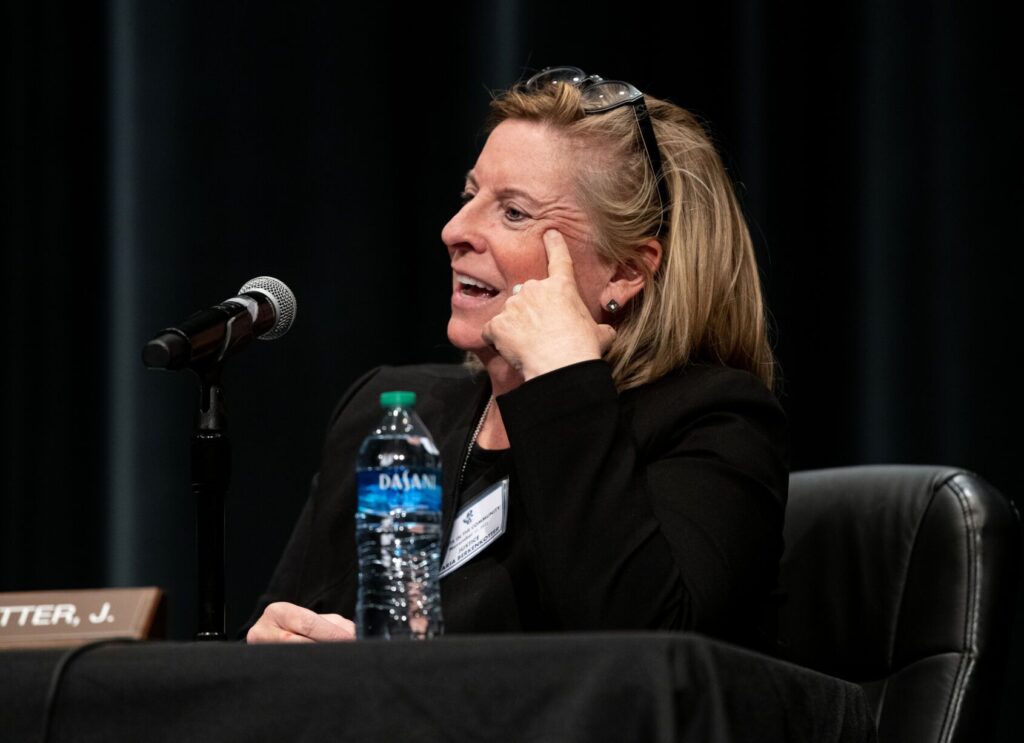
Colorado Supreme Court says intimate messages irrelevant to assault case
Michael Karlik
michael.karlik@coloradopolitics.com
Updated 23 hours ago
The Colorado Supreme Court decided on Tuesday that a Douglas County judge acted reasonably by blocking evidence of a defendant’s BDSM-related conversations with the victim in his trial for assault and false imprisonment. While the Court of Appeals believed that...
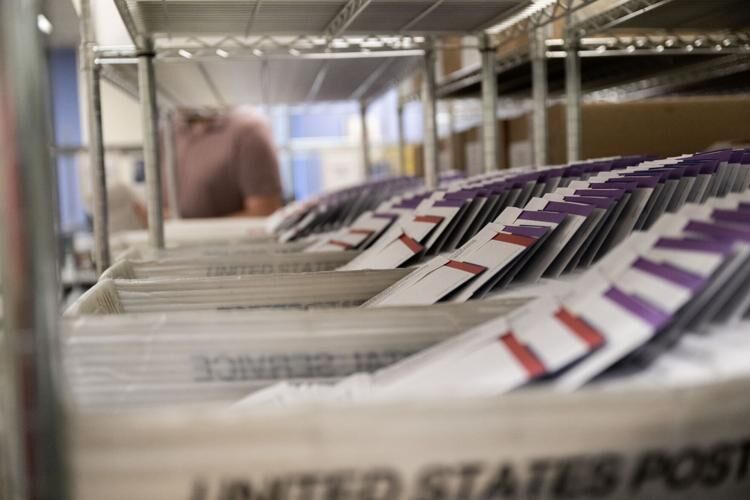
Postmaster general spars with Senate Democrats over mail-in ballot restrictions
Molly Parks
molly.parks@washingtonexaminer.com
Updated 23 hours ago
Senate Democrats sparred with Postmaster General David Steiner on Wednesday over the U.S. Postal Service’s move to stop delivering mail-in ballots in states that don’t hand over their voter rolls to the federal government. Steiner, who has stayed out of...

Douglas County water plan entering public review phase
Nicholas Fogleman
nicholas.fogleman@denvergazette.com
Updated 21 hours ago
After more than two years of formal work, Douglas County officials are moving into the public review phase of a countywide water plan they say will help guide future development and water resources through 2050. The Douglas County Water Commission...

Douglas County cracks down on illegal scooter, off-road vehicle use
Nicholas Fogleman
nicholas.fogleman@denvergazette.com
Updated 20 hours ago
Douglas County joined a growing list of local governments regulating electric scooters and motorcycles, setting standards and penalties for misuse. County commissioners approved an ordinance Tuesday regulating off-highway vehicles and low-powered scooters following broad community support and a presentation from...
Homeless recruits of ‘The Program’ say they were told to sign NDAs amid investigations in Colorado
David Migoya
david.migoya@gazette.com
Updated 2 days ago
Several formerly homeless people — each drawn into an Aurora-based enterprise known as “The Program” that promised free housing and cash in return for letting a home-health business administer prescriptions they were given — said they were pressed into signing...
PREV
PREVIOUS

Bennet's cancer surgery called 'completely successful'; 2020 run ahead
U.S. Sen. Michael Bennet is recovering from successful surgery for prostate cancer, his staff says, paving the way for a planned 2020 presidential campaign. The Colorado Democrat’s office said Friday that Bennet underwent surgery last weekend and is recovering at home. His doctors termed the procedure “completely successful” and say he won’t require further treatment, […]

Hancock proposes new Denver department for housing and homelessness
Denver Mayor Michael Hancock said Friday that he will seek to create a new city department of Housing and Homelessness aimed at focusing efforts to create affordable housing and help homeless people find places to live. Hancock also unveiled two new initiatives intended to ease the persistent problem of homelessness: ? A $5 million program […]