

Republicans in Colorado House, Senate approach immigration bills differently
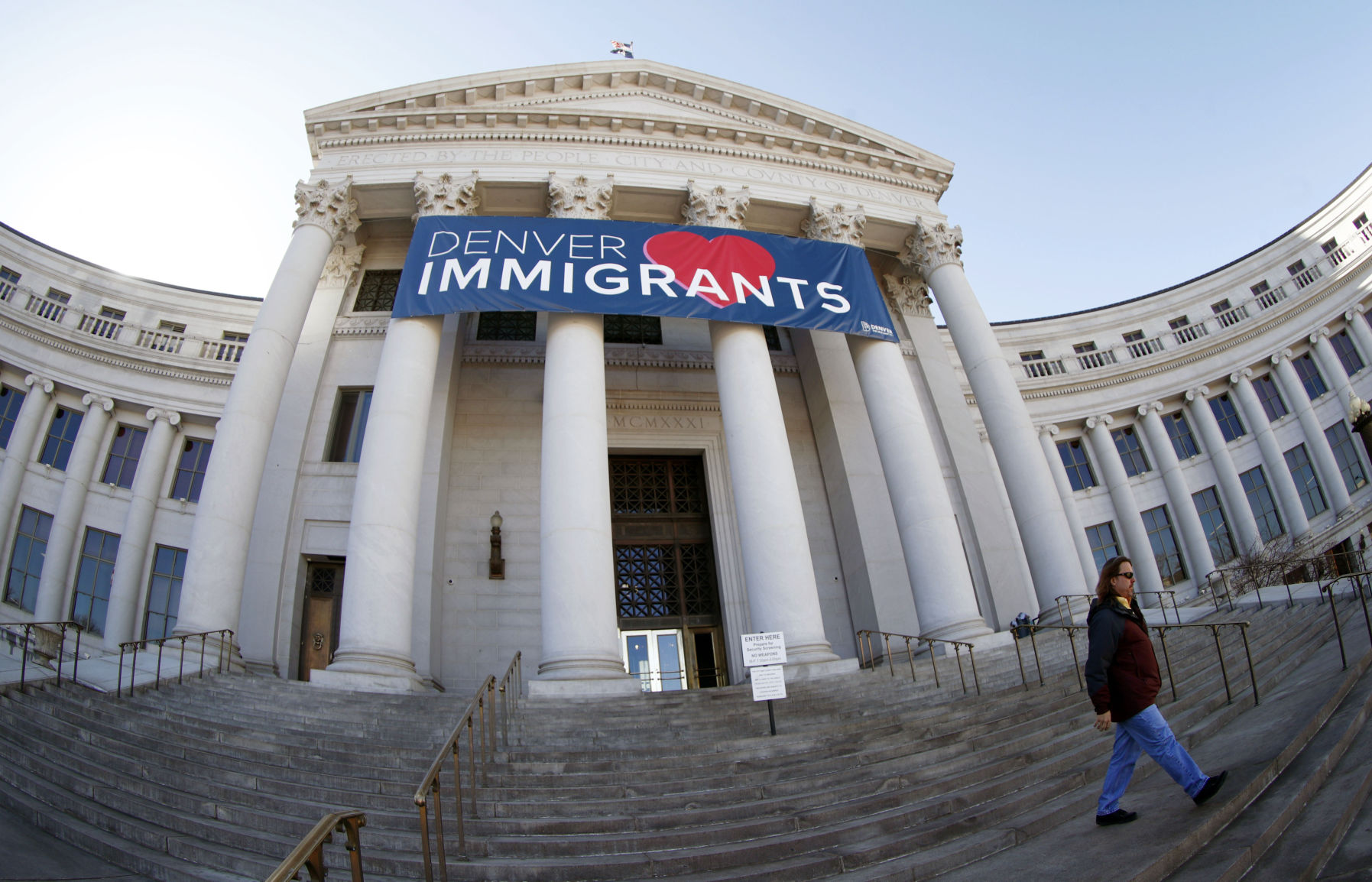
Two bills this legislative session — both dealing with services to immigrants living in Colorado unlawfully — show how Republicans in the House differ on the issue from their counterparts in the state Senate.
The most recent example: A bill that would allow undocumented college students to apply for instate financial aid.
The issue dates back to 2013, when the General Assembly — under Democratic control then as it is now — passed Senate Bill 33, known as ASSET. It granted undocumented high school students who attended a Colorado high school for three years (and graduated) the opportunity to apply for in-state tuition status, so long as the student signed an affidavit that they would apply for legal status as soon as they were eligible to do so.
The bill cleared the state Senate that year with three Republican “yes” votes in the 20-15 divided chamber and four “yes” votes in the 36-29 divided House.
That same year, the legislature also approved a new program, under Senate Bill 251, that would let undocumented residents obtain special driver’s licenses, which supporters pointed to as a public safety issue. The law would mean fewer uninsured drivers on the road, they claimed.
The bill passed on a party-line vote in the Senate and with two Democratic “no” votes in the House, including that of now-Lt. Gov. Dianne Primavera, who represented Broomfield at the time.
Both issues have resurfaced at the General Assembly in the 2019 session.
The first: A fix to the driver’s license program, something of a victim of its own success. More people sought appointments at the three offices that processed those licenses, as well as for identification cards, than the offices could handle.
Under Senate Bill 139, the program will expand to 10 offices around the state, primarily in rural communities, which supporters say will relieve the backlog and potentially putting to an end brokers who have been illegally selling those appointments.
The license is clearly marked that it cannot be used for voting, federal identification or to apply for public benefits, and the program is self-funded through the fees paid for by the applicants.
The bill cleared the Senate on a 25-10 vote, picking up six Republican votes from lawmakers who were persuaded by the agriculture industry, which supported the measure based on workforce needs.
But in the House, where Democrats hold a wider majority, just one Republican, Rep. Hugh McKean of Loveland, voted along with the chamber’s Democrats to pass the bill. Gov. Jared Polis is expected to sign it.
The second: Allowing undocumented students who are already eligible for in-state tuition status to apply for instate financial aid. They still cannot apply for federal aid — like the Pell grant, for example — but would be eligible for work-study and scholarships paid for by the state.
House Bill 1196 cleared the House on a 41-24 party-line vote, on March 25.
The Senate debated House Bill 1196 — so to speak — on Tuesday. Its sponsor, Sen. Dominick Moreno of Commerce City, explained the bill and that was that. Not one Republican voiced any objections to the bill.
The measure passed the Senate Wednesday on a 21-13 vote, with three Republicans voting yes. It was not amended in its trip through the Senate and now heads straight to the governor for signing.
In both situations, Senate Republicans had little to say about the immigration issue as it related to the bills. It was a different story in the House.
Republican Rep. Mark Baisley, in House debate on HB 1196 on March 22, argued that the bill “transfers the burden” of those who are struggling to make it in America to those who are struggling to put food on the table. This bill is unfair to citizens, he said.
Rep. Perry Buck of Greeley added that the nation is not doing all it can to encourage immigrants to become citizens. “We’re not doing enough for those who are here legally,” she said.
Similar arguments were raised when SB 139 went through House debate on April 10 and from some of the same lawmakers.
Republican Rep. Larry Liston of Colorado Springs drew gasps from House Democrats when he referred to those seeking the license as “illegals” and calling the bill “BS.”
Democratic Rep. Jovan Melton of Aurora, a sponsor of the 2013 law, took offense with Liston’s characterization, adding that making the issue about immigration, “is completely out of line.”
Republican Rep. Steve Humphrey of Ault pointed out that the bill identifies the recipients as “not lawfully present” and Baisley said the bill extends an “embrace” to those not in the country legally.
“This gets us to chaos,” accepting lawlessness, he said.
So why do some House Republicans treat these bills differently from GOP Senate lawmakers?
Former state Sen. Greg Brophy of Wray has a theory. He was in the Senate in 2013, and voted for the ASSET bill but against the driver’s license bill.
He characterized the difference between the House and Senate on these issues in a couple of ways. First, he tells Colorado Politics, those in the Senate have served longer, have discussed these issues in greater depth and have gained more wisdom on the issues.
Brophy noted that several Republican members of the Senate voted in favor of the ASSET bill when they were in the House. “This is the next logical step,” he explained.
With regard to the driver’s license bill, the argument in favor for those opposed to illegal immigration is that providing undocumented residents with driver’s licenses actually assists law enforcement. An undocumented resident who gets into an accident and without a valid license is unlikely to be held accountable; either their license is fraudulent or they have no identification documents at all.
“Now we know for certain who they are,” with a valid license, Brophy said.
Brophy said the division between House and Senate Republicans on the issue may also reflect the different numbers of Republicans in both chambers. House Republicans are further out of the majority than they’ve ever been in state history, he noted. Republicans in the Senate are just two votes shy of a majority, and held the Senate majority for the previous four years.


Appeals court orders new menacing trial after faulty self-defense instruction
Michael Karlik
michael.karlik@coloradopolitics.com
Updated 33 minutes ago
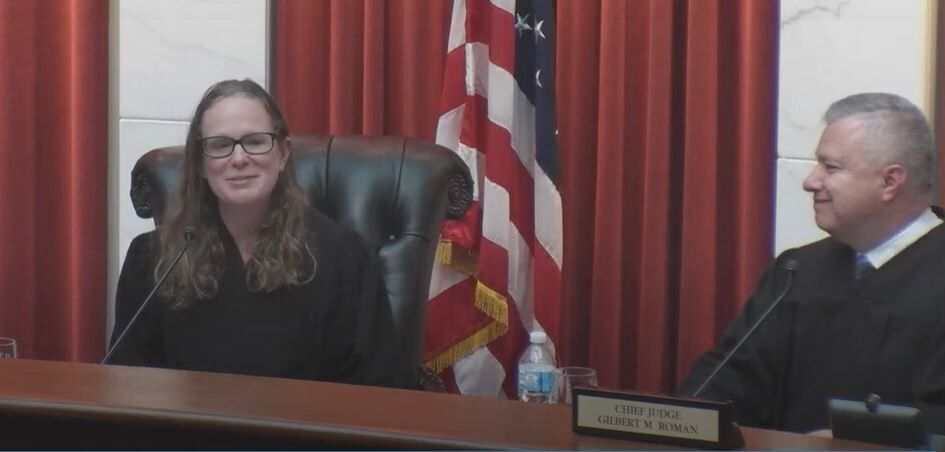
Colorado’s second-highest court ordered a new trial last week for an El Paso County defendant convicted of felony menacing, concluding an erroneous self-defense instruction may have influenced the verdict. Under Colorado law, self-defense is an affirmative defense, meaning the prosecution...

Investment and innovation expected across the defense community in town
Mary Shinn
mary-shinn@coloradopolitics.com
Updated 2 hours ago
Investment and innovation are on the horizon for the defense community in Colorado Springs over the coming year. In December, the Missile Defense Agency selected 2,100 companies to compete for work on Golden Dome through a contract known as SHIELD...

Colorado eyes shift in particulate oversight amid EV push
Scott Weiser
scott.weiser@gazette.com
Updated 2 hours ago
Colorado’s Air Pollution Control Division proposed shifting oversight of solid particulates as small as one-seventh the width of a human hair from federal to state-only authority on Dec. 19, citing more than 20 years of compliance with national standards. The...

Colorado Cowboy Gathering adds new performance venue | NONPROFIT REGISTER
Joanne Davidson Special to Colorado Politics
joanne-davidson-special-to-colorado-politics@coloradopolitics.com
Updated 2 hours ago
COLORADO COWBOY GATHERING Golden News: For the first time in its 35-year history, the Colorado Cowboy Gathering will expand to one show in the Stadium Arena on the National Western Stock Show campus. The Jan. 25 event runs from 10 a.m. to 3 p.m. and stars Dave Stamey and Kristyn...

Saudi Arabia strikes Mukalla port over ‘extremely dangerous’ actions by ally UAE
Brady Knox, Washington Examiner
brady.knox.washington.examiner@gazetteedit.wpenginepowered.com
Updated 2 hours ago
Saudi Arabia launched airstrikes targeting Emirati equipment unloading at the port of Mukalla in Yemen on Tuesday after accusing its ally of “extremely dangerous” actions, a major escalation in the war-torn nation. After weeks of high tensions following the Emirati-backed...
Trump’s latest funding cuts dampen bipartisan dealmaking in 2026
Ramsey Touchberry, Washington Examiner
ramsey.touchberry.washington.examiner@gazetteedit.wpenginepowered.com
Updated 2 hours ago
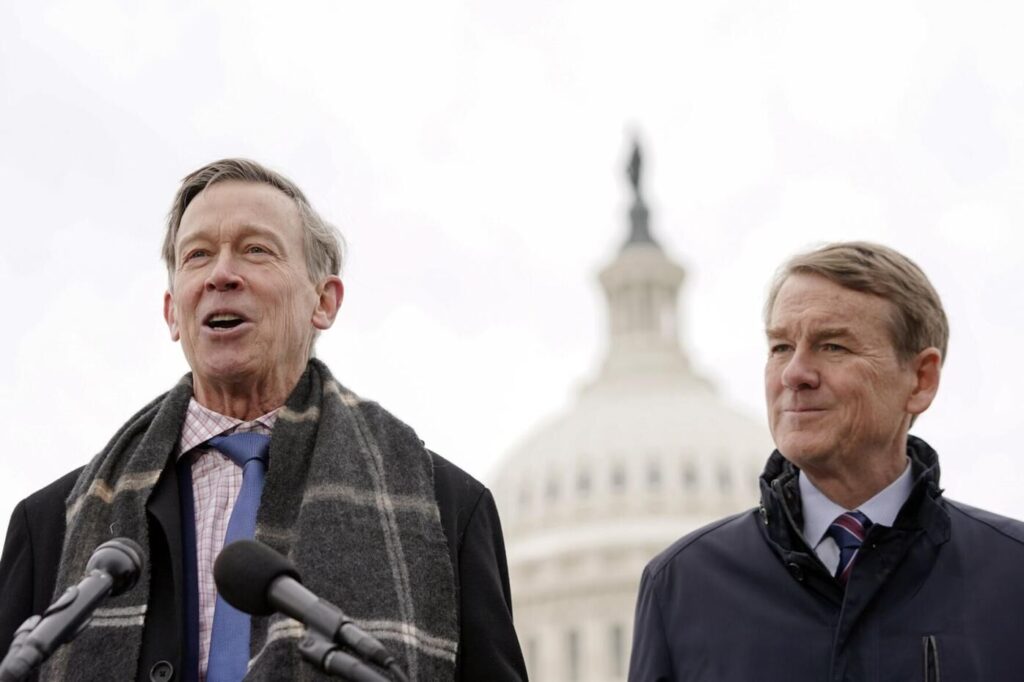
Senate Republicans are optimistic about bipartisanship beyond healthcare next year, despite the looming midterm elections, but some of President Donald Trump’s latest actions could thwart the appetite for deal-making. The administration is dismantling a federal climate center and halting construction...
The 2026 battleground: Congress’s most vulnerable House and Senate seats
Samantha-Jo Roth, Washington Examiner
samantha-jo.roth.washington.examiner@gazetteedit.wpenginepowered.com
Updated 3 hours ago
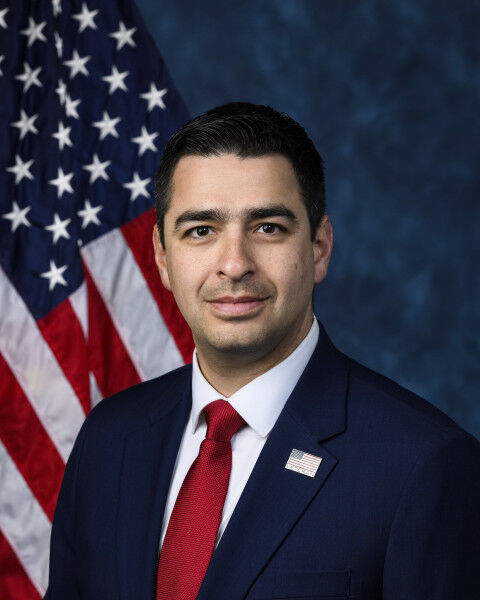
With control of Congress expected to hinge on a narrow margin in 2026, a small group of House and Senate incumbents is already emerging as the most vulnerable lawmakers of the coming cycle. Both parties are already zeroing in on...
From mental health coverage to bison protection: New Colorado laws that take effect Jan. 1
Marissa Ventrelli
marissa.ventrelli@coloradopolitics.com
Updated 5 hours ago
A new year means new laws in Colorado, covering everything from health insurance and gun shows to “junk fees” and protections for wild bison. Here’s a list of laws passed during the 2025 legislative session that will go into effect...
Appeals court clarifies framework for parents’ First Amendment rights in child-naming disputes
Michael Karlik
michael.karlik@coloradopolitics.com
Updated 5 hours ago
Colorado’s second-highest court overturned a Jefferson County judge’s order last week in a long-running dispute about whether two ex-spouses must call their child by his first name or middle name outside the home. In doing so, a three-judge Court of...

Organizers of petition to recall City Councilmember Tom Bailey turn in signatures
Brennen Kauffman
brennen-kauffman@coloradopolitics.com
Updated 5 hours ago
A group of northern Colorado Springs residents turned in a stack of signed petition forms Monday afternoon in an attempt to recall City Councilmember Tom Bailey. Timothy Lewin, Paul Carson and Laura Wilkey were the main organizers who dropped off...
PREV
PREVIOUS

Denveright: 5 key points from the roadmap to the city's future
The Denveright plan – an ambitious 325-page document three years in the making – attempts to map out what Denver might look like in 20 years by setting goals and values. It’s the result of 42 community workshops, 40 task force meetings, 17,600 online responses and 1,700 survey responses. Why does it matter? Well, it’s […]
Senate advances birth certificate bill for transgender Coloradans
The state Senate on Wednesday approved, on a bipartisan vote, a bill that would allow transgender Coloradans to obtain new birth certificates instead of amended ones. House Bill 1039 is the fifth, and likely final, effort to allow transgender individuals to seek new birth certificates without being required to first go through gender reassignment surgery […]