

Polis signs electioneering communications bill into law

A bill to tighten up the law around campaign communications that have slipped under the radar of Colorado’s campaign finance system was signed into law Tuesday.
Senate Bill 68 makes two changes to how campaign mailers and other printed materials disclose who pays for them.
The law closes the door on a loophole for communications delivered between a primary election and 60 days before the general election, a problem that surfaced in 2016 after lawmakers moved the state’s primary from August* to June.
Current law requires that communications sent out by candidates and campaign committees during certain periods clearly identify the candidate and who paid for the communications — that’s the “paid for by” line you see on TV ads or on mailers or social media.
In addition, communications about a candidate must disclose who paid for it and whether the candidate is supported or opposed. This information is contained in campaign finance reports filed with the Secretary of State’s TRACER system.
But these rules applied only to the 30 days before a primary election and the 60 days before a general election; they do not apply to the roughly three-month period in between.
Senate Bill 68 will close that loophole by requiring that communications costing more than $1,000 must disclose on TRACER who paid for it. It would cover anything paid for 30 days before the primary through the November general election.
In addition, under the measure, the communication itself must include the name of the person or entity that paid for it. The only exclusion, supporters said, would be for items like bumper stickers or buttons, because they are too small to include that information, as well as op-eds and news articles.
RELATED: Campaign-ad disclosures would tighten under Colorado Senate bill
In the House, Democratic Reps. Mike Weissman of Aurora and Lisa Cutter of Evergreen sponsored the bill, which was unchanged in its trip through that chamber. The bill got four Republican Senate “yes” votes although no House Republican voted for it.
The law goes into effect on Aug. 2 unless challenged by a citizen-driven ballot initiative.
Correction: An earlier version said Colorado’s primary was in March.


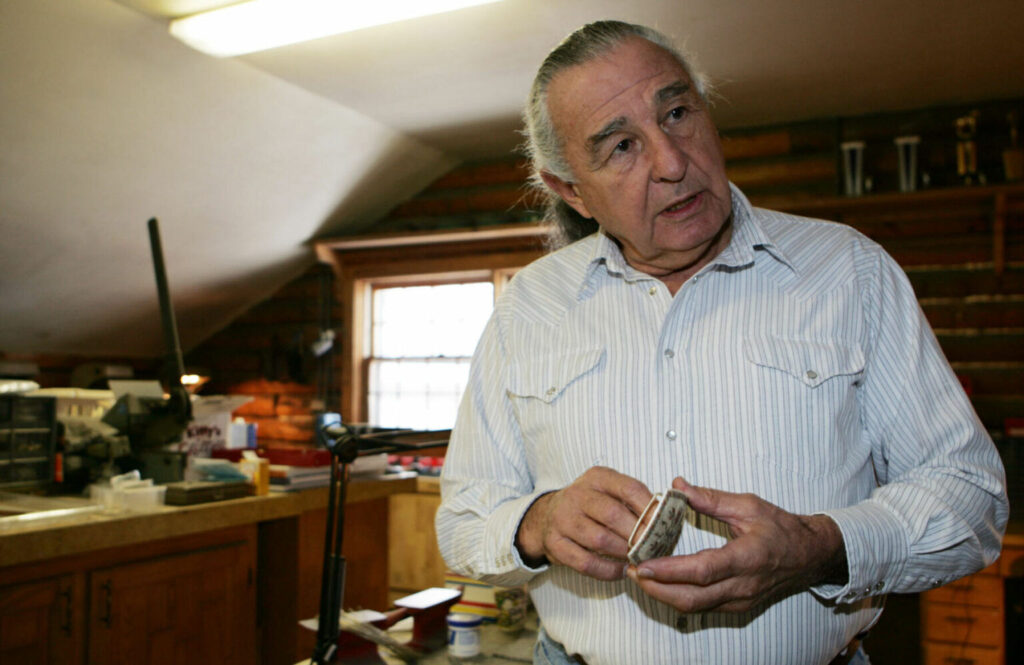
Ben Campbell, former US senator from Colorado and advocate for Native American rights, dies at age 92
Ernest Luning
ernest.luning@coloradopolitics.com
Updated 44 seconds ago
Former U.S. Sen. Ben Nighthorse Campbell, who represented Colorado for two terms beginning in 1993 and was the first Native American elected to the chamber since the 1920s, died Tuesday, his family and close associates confirmed. He was 92. Campbell,...

Federal judge sides with Douglas County School District in ex-admin’s discrimination lawsuit
Michael Karlik
michael.karlik@coloradopolitics.com
Updated 3 hours ago
A federal judge concluded last week that a former high school administrator had not proven his claims of religious discrimination against the Douglas County School District. Corey McNellis had worked at Ponderosa High School since 2002 and served as the athletic...
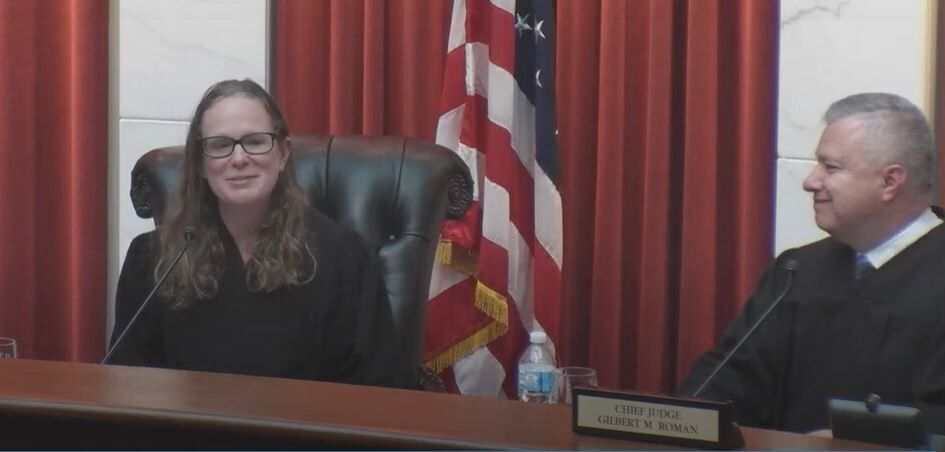
Appeals court orders new menacing trial after faulty self-defense instruction
Michael Karlik
michael.karlik@coloradopolitics.com
Updated 4 hours ago
Colorado’s second-highest court ordered a new trial last week for an El Paso County defendant convicted of felony menacing, concluding an erroneous self-defense instruction may have influenced the verdict. Under Colorado law, self-defense is an affirmative defense, meaning the prosecution...
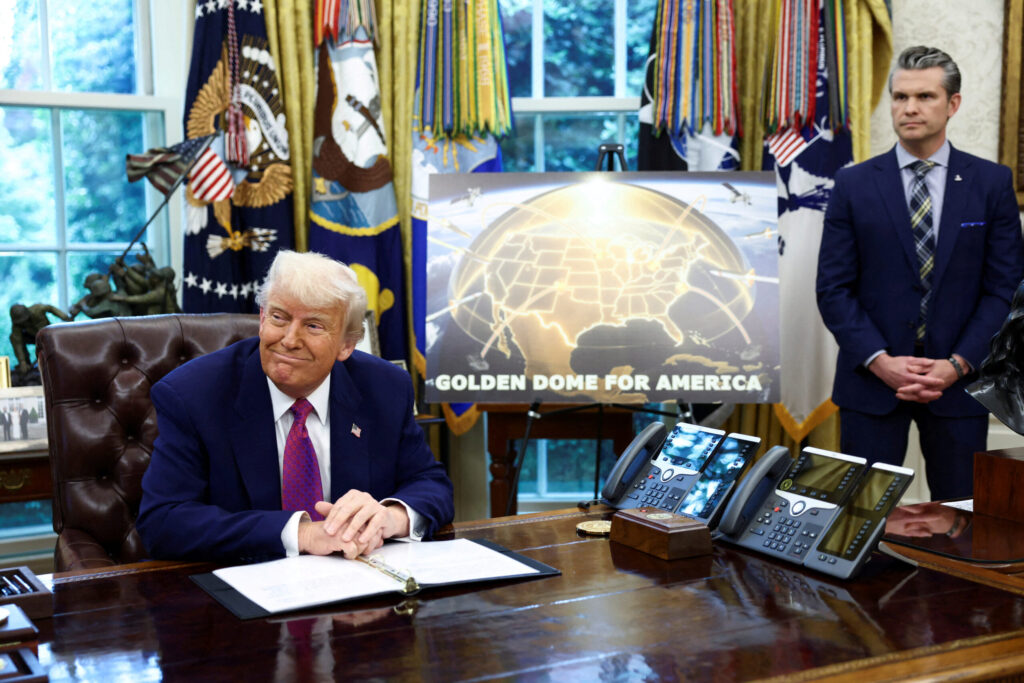
Investment and innovation expected across the defense community in town
Mary Shinn
mary-shinn@coloradopolitics.com
Updated 5 hours ago
Investment and innovation are on the horizon for the defense community in Colorado Springs over the coming year. In December, the Missile Defense Agency selected 2,100 companies to compete for work on Golden Dome through a contract known as SHIELD...

Colorado eyes shift in particulate oversight amid EV push
Scott Weiser
scott.weiser@gazette.com
Updated 5 hours ago
Colorado’s Air Pollution Control Division proposed shifting oversight of solid particulates as small as one-seventh the width of a human hair from federal to state-only authority on Dec. 19, citing more than 20 years of compliance with national standards. The...

Saudi Arabia strikes Mukalla port over ‘extremely dangerous’ actions by ally UAE
Brady Knox, Washington Examiner
brady.knox.washington.examiner@gazetteedit.wpenginepowered.com
Updated 6 hours ago
Saudi Arabia launched airstrikes targeting Emirati equipment unloading at the port of Mukalla in Yemen on Tuesday after accusing its ally of “extremely dangerous” actions, a major escalation in the war-torn nation. After weeks of high tensions following the Emirati-backed...
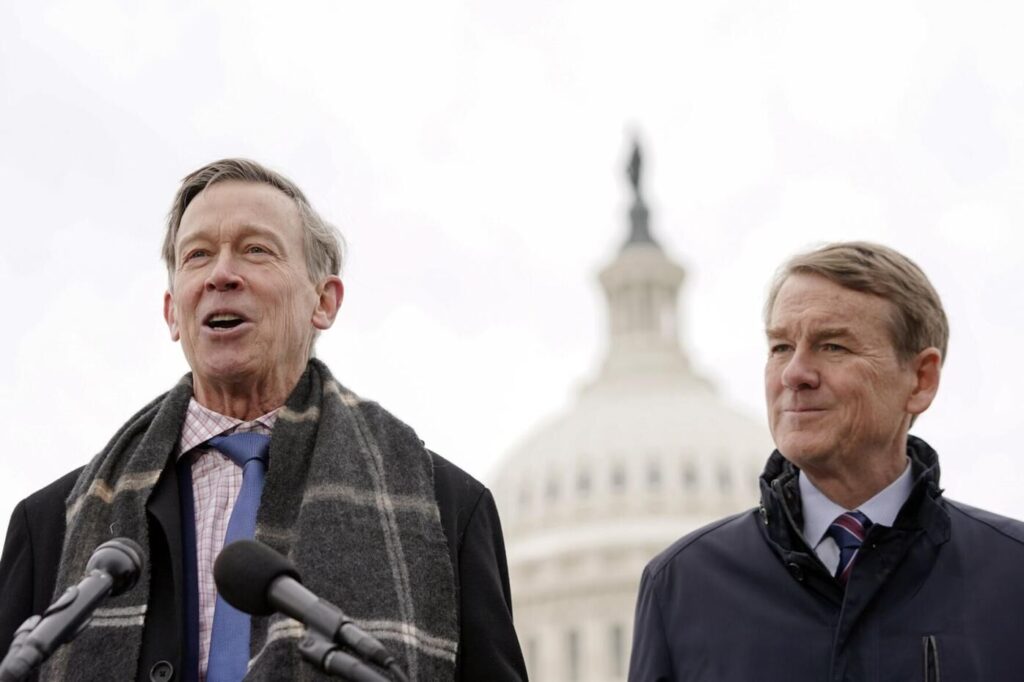
Trump’s latest funding cuts dampen bipartisan dealmaking in 2026
Ramsey Touchberry, Washington Examiner
ramsey.touchberry.washington.examiner@gazetteedit.wpenginepowered.com
Updated 5 hours ago
Senate Republicans are optimistic about bipartisanship beyond healthcare next year, despite the looming midterm elections, but some of President Donald Trump’s latest actions could thwart the appetite for deal-making. The administration is dismantling a federal climate center and halting construction...
The 2026 battleground: Congress’s most vulnerable House and Senate seats
Samantha-Jo Roth, Washington Examiner
samantha-jo.roth.washington.examiner@gazetteedit.wpenginepowered.com
Updated 7 hours ago
With control of Congress expected to hinge on a narrow margin in 2026, a small group of House and Senate incumbents is already emerging as the most vulnerable lawmakers of the coming cycle. Both parties are already zeroing in on...
From mental health coverage to bison protection: New Colorado laws that take effect Jan. 1
Marissa Ventrelli
marissa.ventrelli@coloradopolitics.com
Updated 8 hours ago
A new year means new laws in Colorado, covering everything from health insurance and gun shows to “junk fees” and protections for wild bison. Here’s a list of laws passed during the 2025 legislative session that will go into effect...
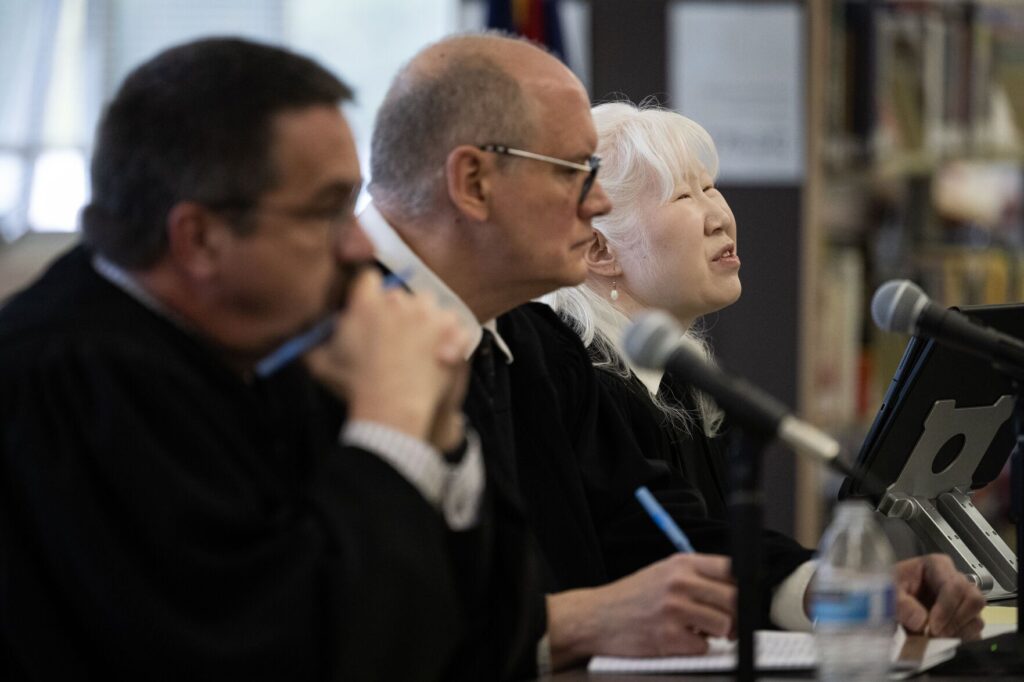
Appeals court clarifies framework for parents’ First Amendment rights in child-naming disputes
Michael Karlik
michael.karlik@coloradopolitics.com
Updated 9 hours ago
Colorado’s second-highest court overturned a Jefferson County judge’s order last week in a long-running dispute about whether two ex-spouses must call their child by his first name or middle name outside the home. In doing so, a three-judge Court of...
PREV
PREVIOUS

Women rally at the Colorado Capitol for equal pay
On Equal Pay Day, women were told to wait at least one more day on Colorado legislation for pay parity. Senate Bill 85, the proposed Equal Pay for Equal Work Act, was bumped off the calendar in the upper chamber Tuesday. The bill is now scheduled to be heard on Wednesday. The legislation would give […]

Neguse bill on Colorado wilderness gets hearing
WASHINGTON — A Colorado Department of Natural Resources official told a congressional committee Tuesday that a bill to designate more than 400,000 acres of land in the state as “protected” would benefit conservation and the local economy. “I support this bill because it will benefit our wildlife by protecting critical habitat and migration corridors,” said […]