

The Colorado Springs Gazette: Prosecutor’s bill could reduce stoned driving
Credible indicators tell us traffic deaths involving marijuana are on the rise in Colorado. The system is defective, and we should fix it. A new bill headed for committee in February might help.
A few examples of the problem:
? The Colorado Department of Transportation reports fatalities were up between 2016 and 2017 (latest available data) for fatalities involving at least one driver testing positive for any amount of THC, the psychoactive ingredient in pot.
? The Insurance Institute for Highway Safety reports “The legalization of retail sales in Colorado, Washington and Oregon was associated with a 5 percent higher rate of police-reported crashes compared with neighboring states that did not legalize retail sales.”
? Colorado has the highest increase in traffic crashes, at 7.4 percent, and the most commercialized and permissive pot laws of states studied by the Insurance Institute.
? The Denver Post analyzed federal and state data in 2017 and concluded “traffic fatalities linked to marijuana are up sharply in Colorado.”
Cops and prosecutors say the numbers make sense, given what they see on the roads and in court.
State Rep. Dylan Roberts stands out among those concerned about this apparent public safety dilemma. Roberts doubles as an Eagle County deputy district attorney who has prosecuted hundreds of driving under the influence cases.
A liberal Democrat and the former Western Slopes field director for President Barack Obama’s re-election campaign, Roberts is not leading an anti-pot campaign wrapped in public safety. He supports Colorado’s “cannabis industry” but has a heartfelt concern for the public safety consequences.
Roberts sees the lives ruined by drivers under the influence of alcohol and/or drugs and wants to save lives.
As explained in a remarkably balanced and objective story by Westword writer Thomas Mitchell, Roberts introduced House Bill 1146 because of his relation “with parents who’ve lost children to impaired drivers.”
It is hard to imagine anything more traumatic than a late-night knock on the door from cops bringing news of a fatal car crash involving one or more kids. It is harder to imagine contending with that grief if the crash involved alcohol and/or drugs and could have been prevented.
Roberts and others in Colorado law enforcement assure us marijuana is a problem on the roads, but say charging and convicting for THC impairment is problematic at best. The legal threshold is 5 nanograms of THC, which poses big problems in proving impairment in court. Some law enforcement consider the conviction process so futile they seldom charge for DUI impairment.
“The 5 nanogram number is scientifically dubious, and not on the same level [of accuracy] as a 0.08 alcohol limit for drivers,” Roberts told Westword.
“Someone who’s a habitual user could be totally fine to drive at or above 5 nanograms, while someone who doesn’t use it a lot could be really impaired at 3 nanograms.”
Mitchell’s article collaborated that observation, telling of the publication’s former pot critic – a heavy marijuana user – going 15 hours without using THC. He tested at 13.5 nanograms. He was triple the “lab level” for intoxication, but a physician involved in the experiment said he was “in no way incapacitated.”
The Roberts bill would give police conducting crash investigations and traffic stops more on-site discretion in determining whether marijuana or other drugs have impaired a driver’s abilities. Prosecutors could prove impairment per se, Roberts explains, with evidence pertaining to “behavior and roadside testing, instead of numbers that don’t mean the same from person to person.”
The bill would authorize an officer to arrest a driver for “tandem DUI per se” with “evidence to believe that a driver had consumed alcohol or drugs, that the driver was substantially incapable of safely operating a vehicle, and that the driver had any measurable amount of a drug in his or her blood or oral fluid.” Measurable amounts of drugs would qualify as evidence if collected within four hours of a suspect driving.
Something has to be done about pot-related traffic fatalities, and the nanogram threshold is not working. Take it from a legislator whose other job involves pursuing justice for grieving survivors of preventable deaths.
Pot industry leaders are balking. Larissa Bolivar, executive director of the Cannabis Consumer Coalition, went for the race card.
“This will negatively impact people of color and poor people, as they may not be able to afford the attorney fees associated with defending such a case,” Bolivar said.
We can apply that concern to nearly all criminal statutes. The answer is not weaker enforcement, but better funding of private and public legal aid services and a successful war on poverty.
As always, the details and potential unintended consequences of HB 1146 should determine whether it becomes law.
We only know the system isn’t working, and something needs to change. Any proposal that could save lives on our highways – empowering cops and courts to protect us within constitutional limitations – deserves serious consideration as a better option.


Denver Gazette: When American Indians root for Yuma
Denver Gazette Editorial Board
denver_gazette_editorial_board@coloradopolitics.com
Updated 9 months ago
Yuma Indians (Yuma Athletics) In a fit of orchestrated indignation last spring, our legislature banned the use of American Indian-themed mascots by public schools in Colorado. The Democratic majority at the Capitol deemed all such mascots offensive to American Indians....
Denver Gazette: Missed opportunities on statewide ballot
Denver Gazette Editorial Board
denver_gazette_editorial_board@coloradopolitics.com
Updated 9 months ago
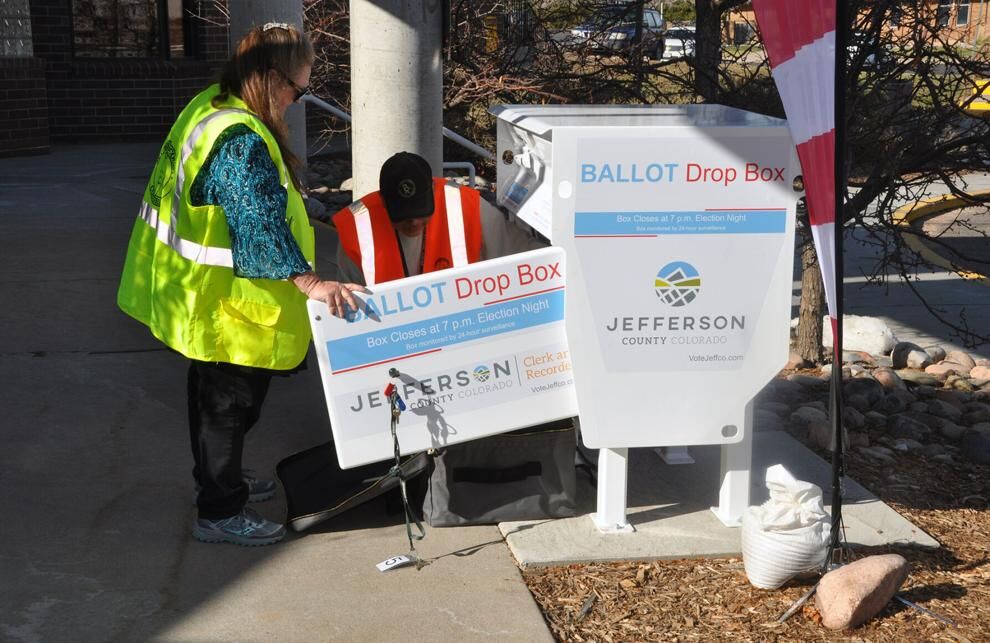
Jefferson County election workers collect ballots in this Gazette file photo.Ernest Luning / Colorado Politics To our disappointment, Coloradans turned down three sound policies proposed on the statewide ballot on Tuesday. Amendment 78, which needed 55% to become part of...

Colorado Springs Gazette: Parents take back their schools
Colorado Springs Gazette Editorial Board
colorado_springs_gazette_editorial_board@coloradopolitics.com
Updated 9 months ago
110421-cp-web-oped-csgeditorial-1 An uprising by parents in key school board races across the state Tuesday has opened the schoolhouse doors to fresh thinking, needed reforms – and new hope for many Colorado kids. Voters in those districts toppled an elected hierarchy...

Denver Gazette: Tuesday’s tale of two cities
Denver Gazette Editorial Board
denver_gazette_editorial_board@coloradopolitics.com
Updated 9 months ago
Syringes and drug paraphernalia found during the cleaning of an illegal homeless camp in Denver. Photo courtesy of the Denver Department of Public Health and Environment In Denver, it’s not a matter of if, but when. Right next door in Aurora,...
Colorado Springs Gazette: Locally and nationally, ‘it’s education, stupid!’
The Colorado Springs Gazette editorial board
the_colorado_springs_gazette_editorial_board@coloradopolitics.com
Updated 9 months ago
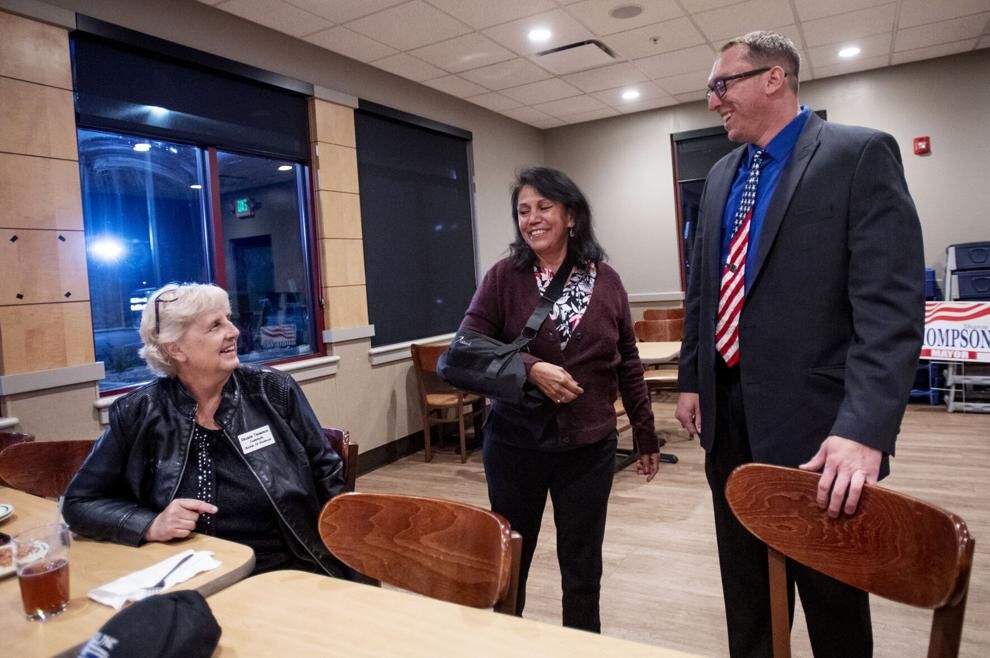
Fountain Councilwoman Sharon Thompson, left, is greeted by Cory Applegate, right, with Brenda Miller, who is running for election for an at-large seat of the Widefield School District 3 School Board, middle, during Thompson’s watch party at IHOP in Fountain...

Colorado Springs Gazette: Trust mama bears to improve public schools
The Colorado Springs Gazette editorial board
the_colorado_springs_gazette_editorial_board@coloradopolitics.com
Updated 9 months ago
Morsa Images Mama bears have awakened from their hibernation, and Big Education knows it. Union leaders, puppeteering public education for decades, are worried and they should be. Colorado in the past year has seen the sprouting and growth of grassroots,...

Denver Gazette: This Halloween, let’s let kids be kids
The Denver Gazette editorial board
the_denver_gazette_editorial_board@coloradopolitics.com
Updated 9 months ago
Harleigh Anderson rides a train during a Halloween celebration Thursday at Denver’s Union Station.The Associated Press In an era of American civilization chock full of difficulty, here’s some jubilant breaking news: It’s the best kind of weekend to be a...

Colorado Springs Gazette: Simon says put your masks back on
Colorado Springs Gazette Editorial Board
colorado_springs_gazette_editorial_board@coloradopolitics.com
Updated 9 months ago
Getty Images It should be a given: Local elected leaders – whether in Pueblo or Aurora or Colorado Springs or anyplace else – are in a better position to contain COVID than are officials who are higher up and farther...
Denver Gazette: Gazette report shows need for Amendment 78
Denver Gazette Editorial Board
denver_gazette_editorial_board@coloradopolitics.com
Updated 9 months ago
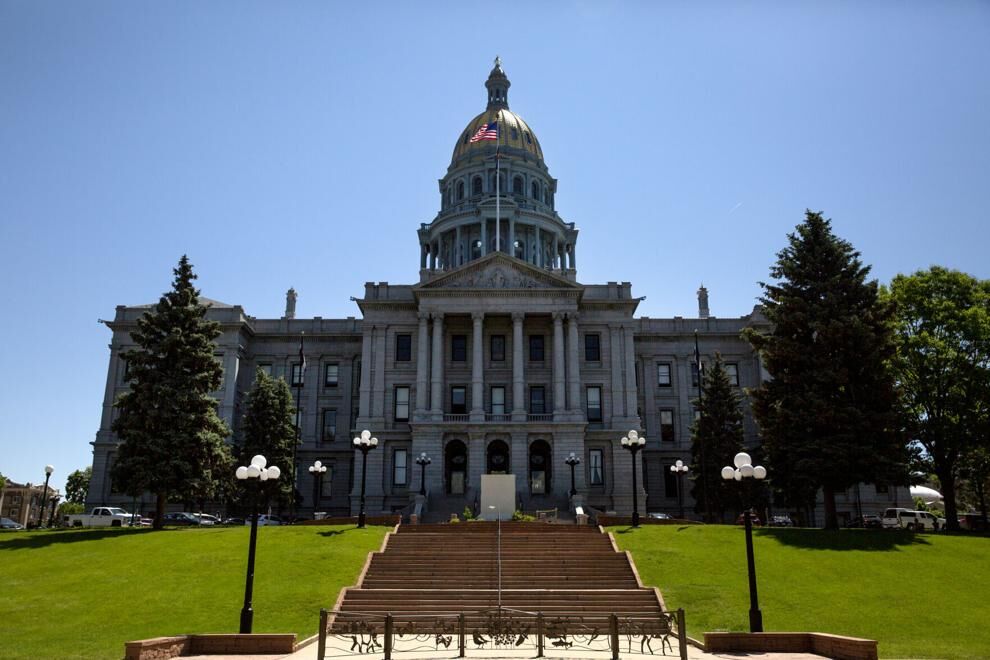
The state Capitol building is seen on the final day of the legislative session.The Denver Gazette The wind blew a branch on the roof and caused a leak. Dad obtained emergency aid to fix it. He easily patched the damage...

Denver Gazette: City schools need Jones, Villagrana, Fashaw
The Gazette editorial board
the_gazette_editorial_board@coloradopolitics.com
Updated 9 months ago
100521-cp-web-oped-dgeditorial The latest unsettling news about Denver Public Schools reaffirms the need for a change of elected leadership at Colorado’s largest and most prominent school district. It seems the Denver school board’s reigning embarrassment, first-term member Tay Anderson, has stepped...