

Q&A with Howard Geller | Toward a less wasteful energy economy

The folks who drill the earth, or who harvest the sun or wind to power and heat Colorado homes and businesses – they get the headlines. They dominate the unending policy debates over alternative fuels vs. fossil fuels; over fracking and climate change. But they’re not the only ones moving the needle.
Amid all that noise over on the supply side of the energy economy, Howard Geller has been advancing a low-key but influential agenda on the demand side. Its premise: Whatever the sources of the energy we produce, we must consume less. It’ll save us money, resources and maybe even our planet.
His Boulder-based Southwest Energy Efficiency Project (SWEEP), an advocacy group he founded in 2001, has been pushing for greater efficiency and more conservation across the southwestern U.S. for a long time, and it has scored noteworthy successes along the way.
Geller tells us more about those accomplishments and explains how his organization – which among other endeavors, works closely with major public utilities on efficiency programs – isn’t just another environmental group. But then, Geller isn’t just another environmental activist; the PhD holder has been nationally and internationally recognized for his work in re-thinking the way society consumes energy.
Geller even shares his (very) educated guess as to when the majority of the vehicles on Colorado roads will be powered by electricity; it’s sooner than you might think. For that and more, read the rest of today’s Q&A.
Colorado Politics: SWEEP’s basic premise – conserve what you use, whatever the energy source – seems so fundamental that it’s almost a given. Yet, it also could be more challenging to implement than even the most exotic new energy technology, considering the barriers inherent in human behavior. Does SWEEP’s mission extend beyond changing policy – to changing the average energy consumer’s mind-set?
Howard Geller: Yes, but indirectly. We do not work directly with consumers by and large, but we do work to increase consumer and business awareness of energy efficiency opportunities by supporting effective energy efficiency programs that states, municipalities and utilities implement.
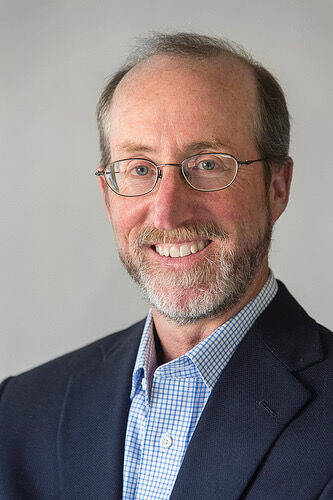
Howard Geller
CP: What have been some of SWEEP’s successes in pursuing its mission?
Geller: One of our main focus areas has been to build up the energy efficiency programs implemented by electric and gas utilities in the region – programs that educate consumers and provide incentives for adoption of energy efficiency measures.
Utilities in the region spent about $400 million on these programs in 2017, up from just $25 million in 2001, the year we got started. As a result of these programs, utilities have avoided building 10 large power plants while households and businesses in the region will realize more than $7 billion in net economic benefits through lower utility bills.
CP: What first inspired you to start SWEEP nearly two decades ago, and how has its role in the energy-policy debate evolved over the years?
Geller: The Southwest region was a lagging region in terms of energy efficiency efforts 20 years ago. As I noted above, utility companies did relatively little to help their customers save energy. Also, building energy codes were outdated or nonexistent and state and local governments were not actively promoting more efficient energy use.
Thanks to the work of SWEEP (and others), the region is no longer lagging in terms of policies and efforts to cut energy waste. Energy efficiency is now recognized throughout the Southwest as a cornerstone for rational energy policy.
CP: The makeup of your organization’s board includes corporate as well as consumer perspectives. At the same time, SWEEP has a decidedly “green” vibe, supporting, for example, Gov. John Hickenlooper’s much-debated implementation of “clean car” standards. What distinguishes SWEEP from some of the historically prominent players in the environmental movement?
Geller: SWEEP focuses on policies and programs to increase energy efficiency both for the economic benefits (i.e., saving money) and the environmental benefits (i.e., reducing fossil fuel use and pollutant emissions). In this respect we are not strictly an environmental group, and we attract considerable business support.
CP: What next steps would you like to see Colorado’s legislature and governor take as a matter of public policy?
Geller: A few critical next steps include ramping up energy efficiency efforts outside the service territories of the investor-owned utilities given that energy efficiency opportunities abound in rural as well as urban areas, and adopting new initiatives to accelerate the adoption of electric vehicles (EVs).
EVs are highly energy efficient and also cleaner than gasoline or diesel-fueled vehicles. And as our electricity supply moves away from fossil fuel-based generation and towards renewable power, electric vehicles become even better for the environment.
CP: What difference(s) could this fall’s election make on the future of Colorado energy policy?
Geller: The Republican-controlled state Senate has been hostile to policies that would advance energy efficiency and clean energy, and cut carbon pollution. A shift to Democratic control of the state Senate, along with a Democratic governor, could make a huge difference for advancing a cleaner, low-carbon-emissions future for our state.
CP: Give us a prediction: By roughly what year will the majority of Colorado’s motor vehicles no longer be powered by fossil fuels?
Geller: With the right kind of leadership and pro-EV policies, we could see the majority of vehicles on the road in 2040 powered by electricity rather than gasoline or diesel oil. Achieving this target in Colorado as well as other states would boost our economy and help limit the devastation caused by carbon pollution and climate disruption.


New jaguar spotted in Arizona points to progress in endangered species’ recovery | OUT WEST ROUNDUP
The Associated Press
the-associated-press@coloradopolitics.com
Updated 5 days ago
ARIZONA New jaguar spotted in wild The spots gave it away. Just like a human fingerprint, the rosette pattern on each jaguar is unique so researchers knew they had a new animal on their hands after reviewing images captured by...
8 exemplars to guide us into the new year | SONDERMANN
Eric Sondermann
eric-sondermann@coloradopolitics.com
Updated 5 days ago
It started as a one-off in my first year of writing this regular column. To ring in the new year back in the eventful year of 2020, I offered a shoutout to eight Coloradans who served as models of how...
Raids, pushback and TdA indictments defined Denver’s immigration story in 2025
Nico Brambila
nico.brambila@denvergazette.com
Updated 1 day ago
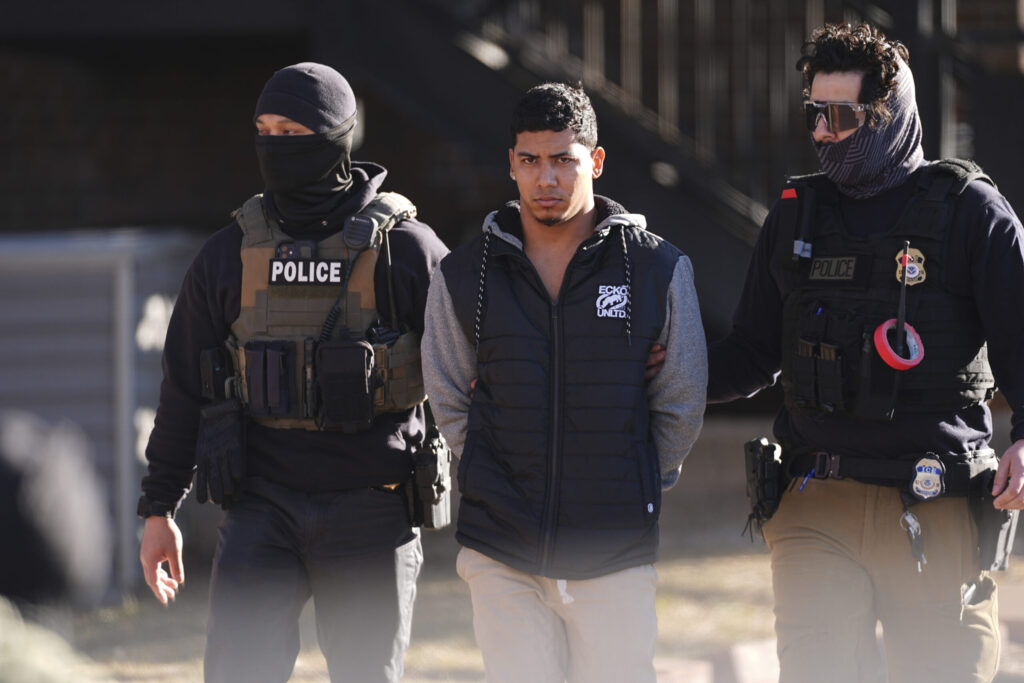
The Trump administration’s push for a large-scale, deportation effort — built around campaign warnings about Tren de Aragua, the Venezuelan prison gang that established a foothold in Colorado — collided with the realities on the ground in Denver, where raids...
Denver’s budget deficit shaped 2025 news coverage
Deborah Grigsby
deborah.smith@denvergazette.com
Updated 1 day ago
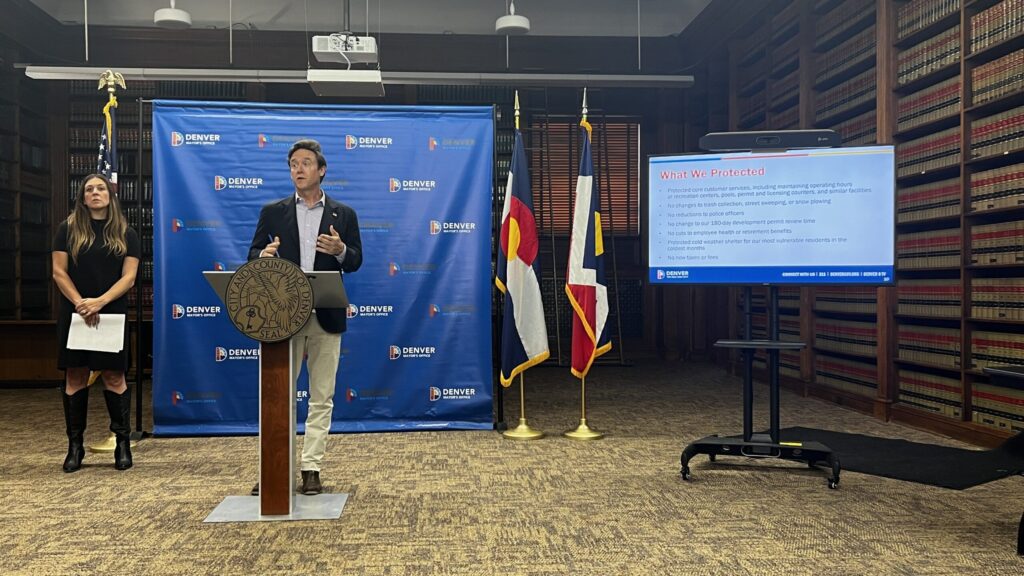
It was a year of big goals on a tight budget for the Mile High City, where Mayor Mike Johnston’s announcement of a $200 million city budget deficit dominated the news coverage. Facing a $50 million gap in its 2025...
Colorado podcaster who has called for political foes to be executed joins GOP primary for governor
Ernest Luning
ernest.luning@coloradopolitics.com
Updated 1 day ago
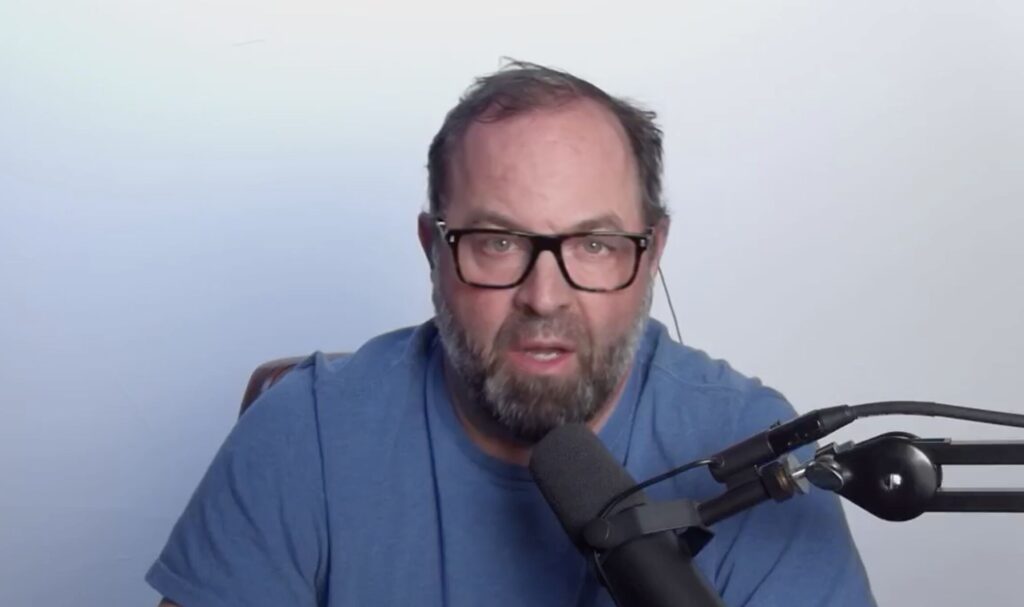
Joe Oltmann, the conservative Colorado podcaster who has repeatedly called for Colorado’s top elected officials to be executed and whose uncorroborated claims that the 2020 election was rigged spawned multiple defamation lawsuits, declared his candidacy for the Republican nomination for...
‘The canary in the democracy mine is local journalism’ | Vince Bzdek
Vince Bzdek
vince.bzdek@gazette.com
Updated 1 day ago
Colorado could do a lot more to save newspapers – and democracy – in rural areas By Vince Bzdek As another new year and another legislative session dawn for Colorado, it’s a good time to ask what the absolute most...
Colorado’s national correspondent recounts violent KKK march in D.C. | A LOOK BACK
Rachael Wright
rachael.wright@coloradopolitics.com
Updated 5 days ago
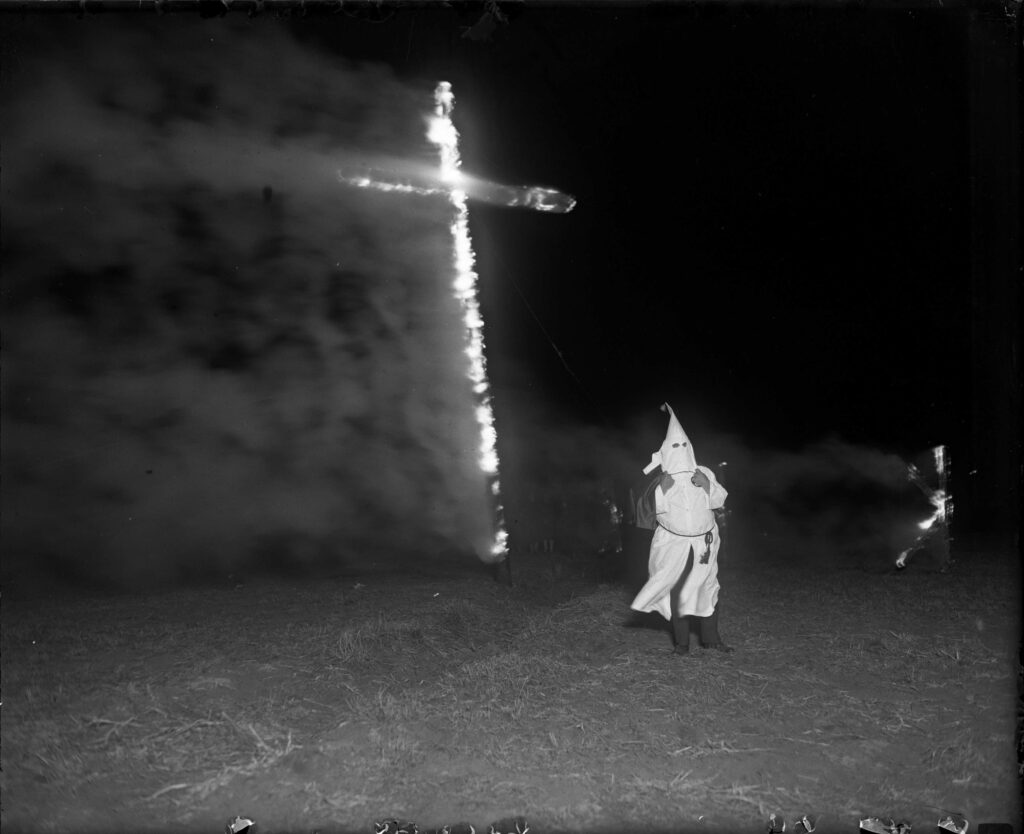
by Rachael Wright Thirty-Five Years Ago This Week: “I had forgotten about the Ku Klux Klan,” said Ann Downing Schmidt, The Colorado Statesman’s Washington, D.C., correspondent. In a commentary piece published in The Statesman, Schmidt described trying to make the ten-minute drive from...
2025 Unfiltered: Ethics investigations, scandals plague Colorado Capitol
Marianne Goodland
marianne.goodland@coloradopolitics.com
Updated 1 day ago
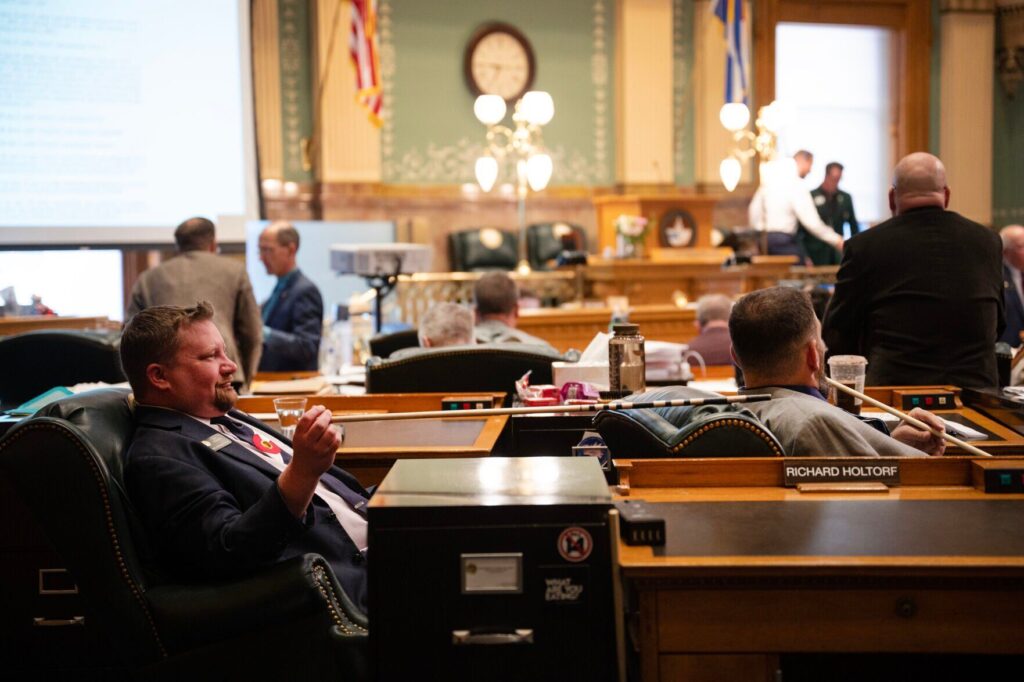
Over the course of the year, a series of investigations, allegations and controversies emerged at the state Capitol, drawing scrutiny to the behavior of elected officials and, in some cases, overshadowing policy debates. Here are some of the notable investigations,...
2025 Unfiltered: Top stories of the Colorado General Assembly
Marianne Goodland
marianne.goodland@coloradopolitics.com
Updated 11 minutes ago
In 2025, the Colorado legislature faced a budget deficit, sought to tackle a lingering housing crisis and saw a wave of lawmakers leaving for other opportunities, prompting multiple vacancy committees to act. Here are a look at the year’s top...
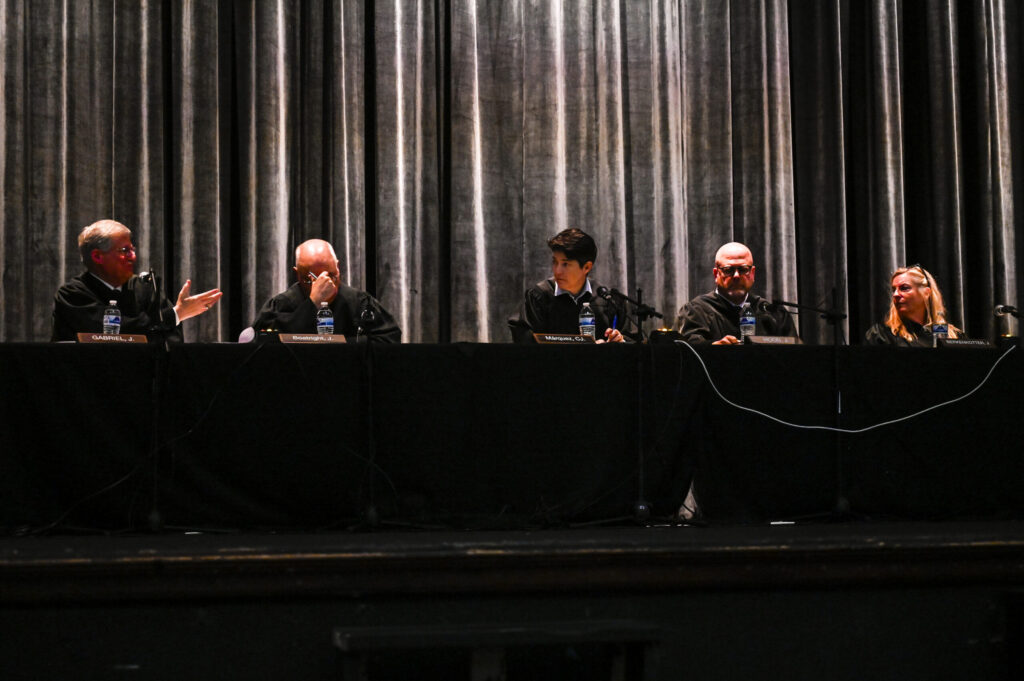
2025 Unfiltered: Colorado Supreme Court vacancy, surge in federal filings and more
Michael Karlik
michael.karlik@coloradopolitics.com
Updated 1 day ago
This year was awash in legal news nationally, with federal courts taking an outsize role in responding to executive branch actions. In Colorado, that effect was evident, but it was not the only factor at play. Here are the top...
PREV
PREVIOUS

Country sees high number of Native American candidates
FLAGSTAFF, Ariz. – Deb Haaland is not the first Native American woman to run for Congress, but she could be one of the first elected Tuesday. More than 100 Native Americans are seeking seats in Congress, governor’s offices, state legislatures and other posts across the country in what political observers say has been a record […]

Early voter participation surges in New Mexico
SANTA FE, N.M. – New Mexico election regulators are reporting a major surge in early and absentee balloting as voters decide on a new governor, two open congressional seats and whether to re-elect a Democratic U.S. Senator. The New Mexico secretary of state on Sunday reported that 430,796 ballots had been cast as of the […]