

The Gazette Editorial Board: Court liberates government workers
Public-sector workers have rights. They should not be subjects for pillaging, by whimsical government authorities and union bosses stretching limits of the law. On this, the U.S. Supreme Court finally concurs.
The First Amendment protects individuals from government. It guarantees us the freedom to communicate, to associate, or to disassociate from people and causes we don’t like. Everyone can give thanks for this concept, as they can love puppies, moms, baseball and the Fourth of July.
The First Amendment means no state can force a pro-choice activist to directly support a pro-life pregnancy center. Or, vice versa. It means the state cannot force peace activists to directly fund candidates who support the NRA, or gun owners to fund gun-control candidates.
Only the imagination limits the potential horrors of governments forcing workers to spend hard-earned payroll proceeds on causes they oppose.
Despite common support for the freedom to choose values, causes, candidates and beliefs, governments force workers to commit portions of their wages to labor unions. If the union uses those proceeds to support a candidate or a cause the worker does not like, tough bounce. The union can take dues straight out of payroll, regardless of a worker’s values – even if the employee does not join the union. Public-sector employees have suffered under this affront to liberty for the past 41 years, since the U.S. Supreme Court upheld compulsory dues in Abood v. Detroit Board of Education in 1977.
Thanks to a Supreme Court ruling announced Wednesday, public-sector workers are free at last. It began when plaintiff Mark Janus, a public employee in Illinois, sued to liberate himself from compulsory dues. He refused to join his employer’s labor union, which funds and otherwise advocates a litany of causes he opposes – including collective bargaining. Despite his disassociation from the union, the organization took a portion of his earnings by force. The Abood opinion allowed it. In the 5-4 ruling, the court explained how the now-abated Abood decision imposed “a blanket requirement that all employees subsidize private speech with which they may not agree.”
The fact we lived under this oppressive violation of the First Amendment should chill informed Americans of all political persuasions. Aside from the obvious free speech issues, workers should object to losing wages to anything other than fairly imposed taxation and benefits they agreed to fund upon accepting employment.
Incredibly, dissenters in the ruling invoked the First Amendment as rationale for their objection to workers’s rights.
“The First Amendment was meant for better things,” wrote dissenting Justice Elena Kagan. “It was meant not to undermine but to protect democratic governance – including over the role of public-sector unions.”
The dissent reads like gobbledygook because it rests on spongy rationale. Never did the founders contemplate imposing compulsory dues while writing the First Amendment. They wrote the First Amendment to limit the role of government and maximize an individual’s province over words, actions, values and personal associations.
Nothing in the Bill of Rights increases government authority over individuals. Framers crafted the amendments to protect individuals from government. Period.
Founders wrote the First Amendment more than 100 years before anyone conceived of a public-sector union. Kagan’s tortured logic has no place on the Supreme Court.
“The majority has overruled Abood for no exceptional or special reason, but because it never liked the decision. It has overruled Abood because it wanted to,” Kagan wrote.
In stark contrast, the majority cited founding-era evidence and court precedent to determine nothing “supports the view that the First Amendment was originally understood to allow States to force public employees to subsidize a private third party. If anything, the opposite is true…
“The First Amendment is violated when money is taken from nonconsenting employees for a public-sector union; employees must choose to support the union before anything is taken from them,” the ruling said. “Accordingly, neither an agency fee nor any other form of payment to a public-sector union may be deducted from an employee, nor may any other attempt be made to collect such a payment, unless the employee affirmatively consents to pay.”
Wednesday’s ruling expands liberty for government workers by upholding the First Amendment. Unions no longer can take money, by force, from employees who choose not to join. If union bosses want dues, they should win the hearts and minds of individuals they hope to represent. It will improve the quality of unions and the lives of their members.

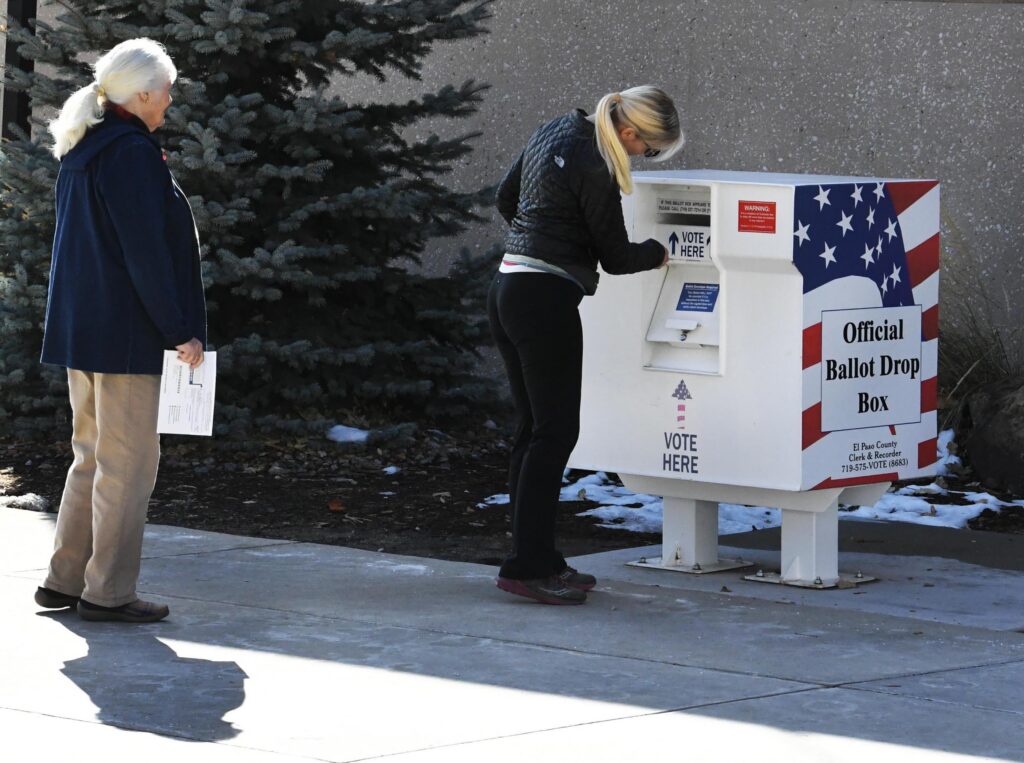
Colorado sues Trump administration, calling new election order ‘unconstitutional’
Marissa Ventrelli
marissa.ventrelli@coloradopolitics.com
Updated 38 minutes ago
Colorado Attorney General Phil Weiser has joined a multistate coalition suing President Donald Trump over a new executive order on elections, arguing the directive unlawfully intrudes on states’ authority to run their own voting systems and threatens access to mail...
Federal judge sides with Mesa County school district in ex-student’s First Amendment claims
Michael Karlik
michael.karlik@coloradopolitics.com
Updated 1 hour ago
A federal judge concluded last week that Mesa County Valley School District 51 and three of its administrators did not violate the First Amendment rights of a former student when they imposed minor discipline in response to disruptive behavior. In...
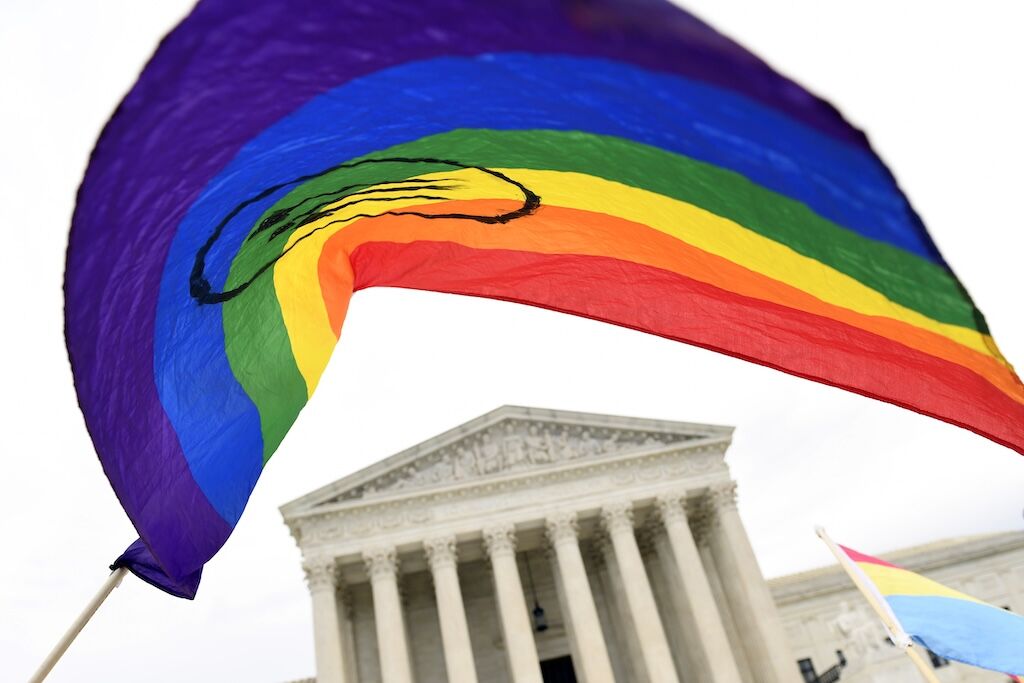
Why Colorado’s LGBTQ laws keep getting struck down by the Supreme Court
Jack Birle, Washington Examiner
jack.birle.washington.examiner@gazetteedit.wpenginepowered.com
Updated 16 minutes ago
The Supreme Court has been a house of horrors for Colorado over the past decade, with the state facing a trio of major losses over laws it claims it has enacted to protect LGBT people but that the justices found...
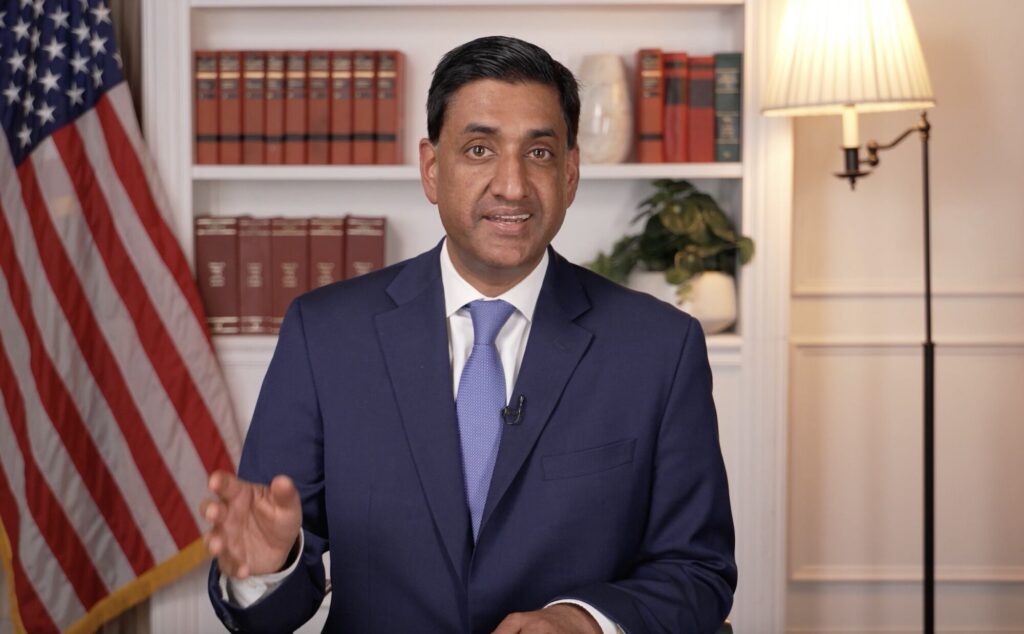
Denver Democrat Neal Walia lands endorsement from Ro Khanna in Colorado’s state House District 9
Ernest Luning
ernest.luning@coloradopolitics.com
Updated 3 hours ago
California Rep. Ro Khanna on Friday endorsed legislative candidate Neal Walia in the race for an open state House seat, praising the Denver Democrat’s commitment to public service and progressive goals. Walia, who mounted an unsuccessful challenge against U.S. Rep....
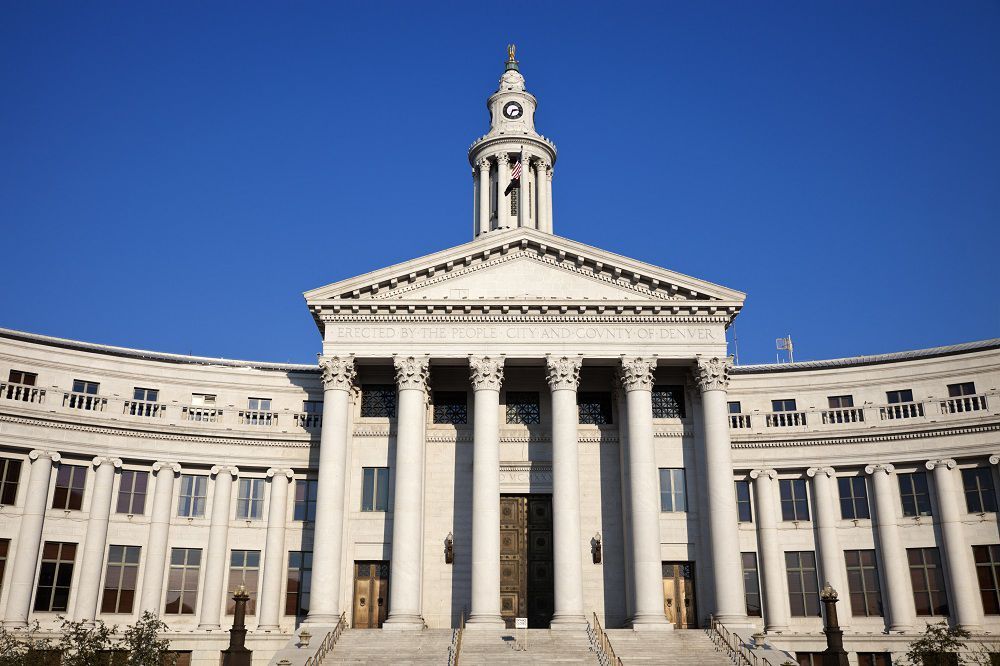
Denver judge denies Gov. Polis request to dismiss ICE-related records case
Marianne Goodland
marianne.goodland@coloradopolitics.com
Updated 5 hours ago
A year after blocking the release of state records to federal immigration agents, a Denver judge has now denied Gov. Jared Polis’ effort to end the lawsuit at the center of the dispute. The lawsuit filed against the governor in...
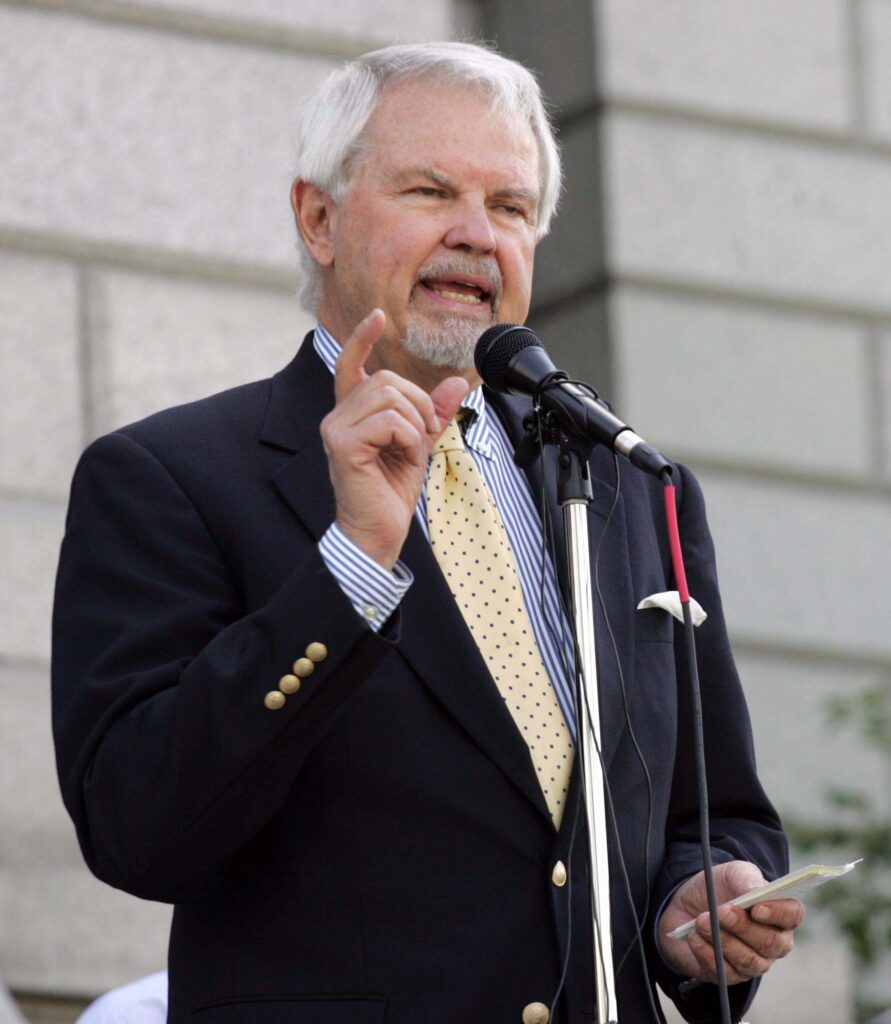
Gov. Lamm challenges Congress to stop ‘decontrol’ of natural gas | A LOOK BACK
Rachael Wright, Special to Colorado Politics
rachael.wright@coloradopolitics.com
Updated 2 days ago
Forty-Five Years Ago This Week: In a memo to Colorado’s congressional delegation, Gov. Dick Lamm urged them to vote against the phased pricing deregulation provisions in the Natural Gas Policy Act, a measure introduced in Congress in 1978 and still...

Environmentalists and Colorado Springs Utilities split on retirement date for Ray Nixon coal power plant
Brennen Kauffman
brennen-kauffman@coloradopolitics.com
Updated 3 hours ago
On Tuesday night, around 25 people gathered at Old Colorado City Brewing to celebrate Ray Nixon’s retirement. Nixon is only 46 years old, but the retirement has been expected for several years. The crowd delivered toasts and signed a poster-sized...
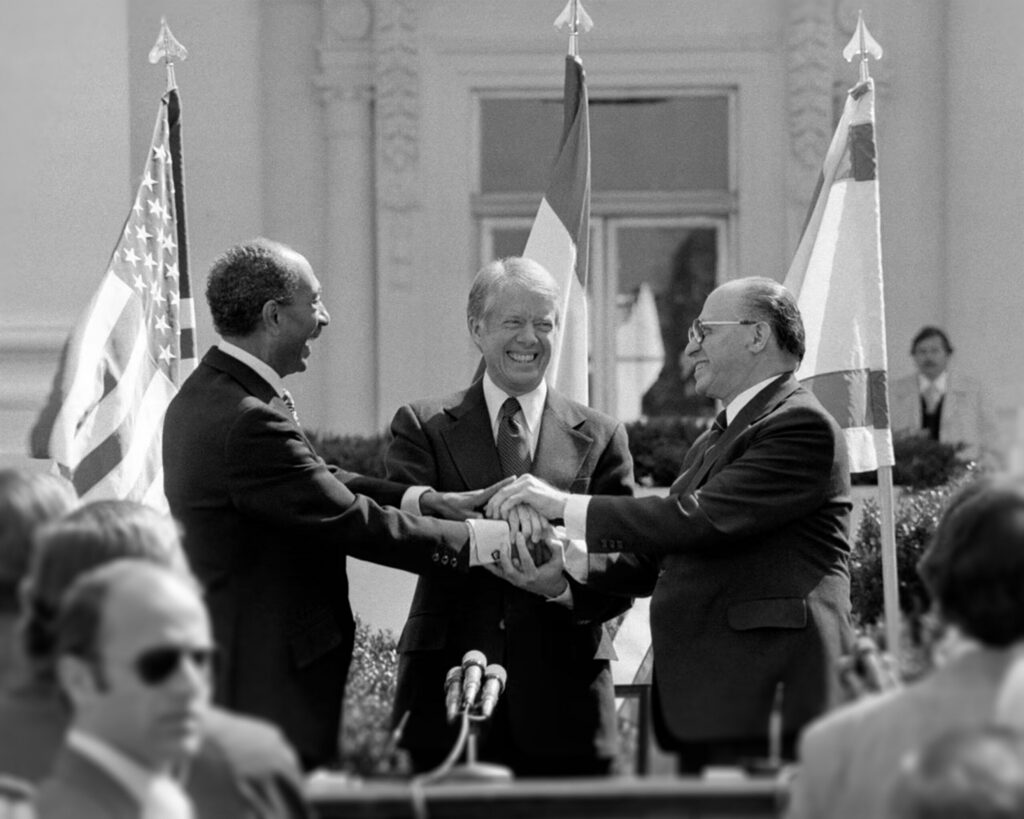
Colorado National Guard members deployed to the Middle East
The Gazette
the-gazette@coloradopolitics.com
Updated 3 hours ago
The Colorado Army National Guard announced Thursday that more than 200 members are deploying to the Middle East. The members of the 1st Battalion, 157th Infantry Regiment (Mountain), a unit based at Fort Carson, are deploying to help support an...
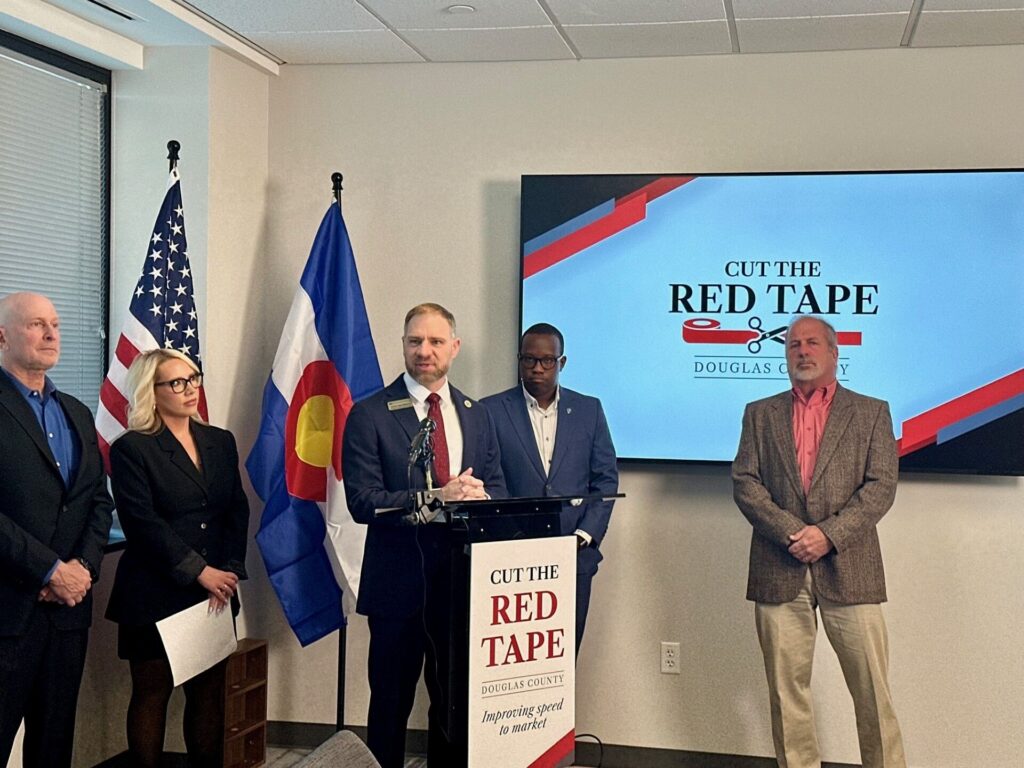
Douglas County task force targets development regulations
Nicholas Fogleman
nicholas.fogleman@denvergazette.com
Updated 3 hours ago
Douglas County kicked off its first Red Tape Reduction Task Force Thursday aimed at speeding up commercial and industrial development timelines in the county, a move leaders said is necessary to keep the county competitive with other regions nationwide. The...
Energy constraints loom larger than water for Colorado AI boom, experts say
Deborah Grigsby
deborah.smith@denvergazette.com
Updated 51 minutes ago
As artificial intelligence reshapes almost every sector of the economy, experts at this year’s Colorado Climate Week gathering in Boulder said it is also reshaping local physical infrastructure. From grid demand and water use to data center construction, scaling the...
PREV
PREVIOUS

2nd protest held in Colorado Springs over separation of families at the border
Around 400 people gathered Saturday outside City Hall in Colorado Springs, chanting, “It is our duty to fight for freedom” and “We must love and support one another,” in the second protest in the past two weekends over the Trump administration’s zero-tolerance immigration policy at the U.S.-Mexico border. “These families are never going to forget […]

Protesters flood US cities to fight Trump immigration policy
WASHINGTON – They wore white. They shook their fists in the air. They carried signs reading: “No more children in cages,” and “What’s next? Concentration Camps?” In major cities and tiny towns, hundreds of thousands of marchers gathered Saturday across America, moved by accounts of children separated from their parents at the U.S.-Mexico border, in […]