

The Colorado Springs Gazette: Banning Lewis development will benefit all
Imagine a company announcing relocation plans. It poses a 30-year expansion of 36,000 jobs, $49 million in net revenue to city government, $434 million in net revenue to Colorado Springs Utilities, and economic growth worth $4.5 billion.
The chosen community would grow by 62,000 taxpaying residents, each sharing the costs of better roads, schools, transportation and public safety.
Every city in the country would fight for this opportunity, with the winner dancing in the streets.
With far less fanfare, the Colorado Springs City Council plans to ignite these economic outcomes by approving a new annexation agreement Tuesday for Banning Lewis Ranch. The agreement will facilitate development of office complexes, parks, trails, open space, and thousands of homes our community desperately needs.
This is not some spur-of-the-moment decision full of exaggerated expectations. City officials have negotiated and scrutinized the proposed agreement for two years, and more than 40 property owners within the proposed development wait to break ground on new assets.
The original agreement, approved in 1988, is full of requirements and restrictions designed to make homes and offices too expensive to develop and sell. That was by design, and for good reason. At the time, 30 years ago, Colorado Springs lacked water, utilities infrastructure, and roads sufficient to serve the area. Development could have come at a sudden burden to the community.
Over 30 years, Colorado Springs and its infrastructure have grown contiguous to the proposed development. Water is no longer in short supply, because Colorado Springs Utilities ratepayers invested in and completed the Southern Delivery System to provide adequate water for at least 50 years of anticipated growth.
During 30 years of prohibiting development in Banning Lewis, Colorado Springs has grown pent-up demand for housing stock and office space. Declining to accommodate this demand – after investing toward it for decades – comes at an enormous cost to taxpayers, utility ratepayers, and people who need affordable homes. It is a cost of $4.5 billion in lost wages, tax revenues, and overall economic growth.
Additionally, failure to develop Banning Lewis will cause expensive sprawl.
Back in 1988, Banning Lewis was an island of proposed development east of Colorado Springs. Because of growth along Powers Boulevard, the ranch is a direct part of the developed city. As it sits undeveloped, neighborhoods emerge beyond the annexed region in unincorporated parts of El Paso County. Those developments create the expenses associated with sprawl, but generate no property tax revenues for Colorado Springs. The developments don’t help pay for our roads, our police, or our firefighters. Most don’t pay for the Southern Delivery System. Residents benefit from the nearby city, creating costs for city taxpayers, but pay almost nothing for the privilege.
Developing Banning Lewis will reduce demand for suburban sprawl, infilling the growing gap between the Springs and unincorporated subdivisions.
The proposed agreement forces developers to pay $2,338 for each developed acre toward police and fire services. A proposed City Council resolution records the commitment of the primary developer, Nor’wood Development Group, to create “a meaningful open space system that improves connectivity of existing city-owned parks, trails, and open space.” It also expresses Nor’wood’s commitment to protect “sensitive landscapes and creek corridors.”
Whatever costs Banning Lewis creates are dwarfed by the $49 million city government will net, as a benefit to taxpayers. When Colorado Springs Utilities nets $434 million in revenue, it represents $434 million in savings the utility can pass along to ratepayers by reducing or negating rate hikes, or even lowering rates.
A professional economic analysis by the Maryland-based economic firm TischlerBise shows no net economic downside to unleashing development in Banning Lewis Ranch, and extraordinary upsides. Development will benefit city taxpayers and ratepayers in the short-term, long-term, and all points between.
Tuesday will be a milestone for Colorado Springs, in the likely event City Council approves this agreement. By doing so, the council will launch economic growth most other cities only get to dream about.


8 exemplars to guide us into the new year | SONDERMANN
Eric Sondermann
eric-sondermann@coloradopolitics.com
Updated 4 days ago
It started as a one-off in my first year of writing this regular column. To ring in the new year back in the eventful year of 2020, I offered a shoutout to eight Coloradans who served as models of how...

Raids, pushback and TdA indictments defined Denver’s immigration story in 2025
Nico Brambila
nico.brambila@denvergazette.com
Updated 11 hours ago
The Trump administration’s push for a large-scale, deportation effort — built around campaign warnings about Tren de Aragua, the Venezuelan prison gang that established a foothold in Colorado — collided with the realities on the ground in Denver, where raids...
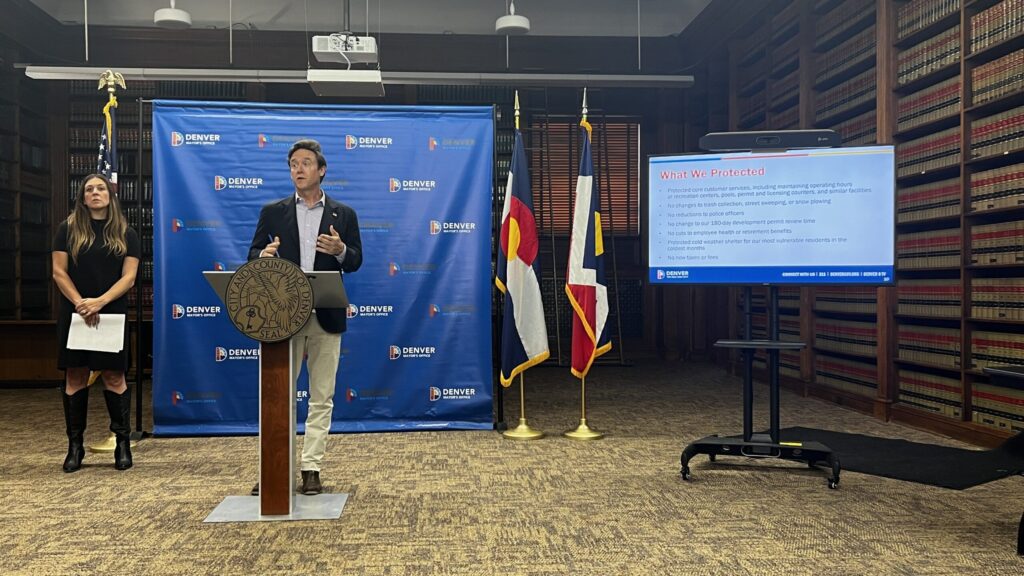
Denver’s budget deficit shaped 2025 news coverage
Deborah Grigsby
deborah.smith@denvergazette.com
Updated 10 hours ago
It was a year of big goals on a tight budget for the Mile High City, where Mayor Mike Johnston’s announcement of a $200 million city budget deficit dominated the news coverage. Facing a $50 million gap in its 2025...
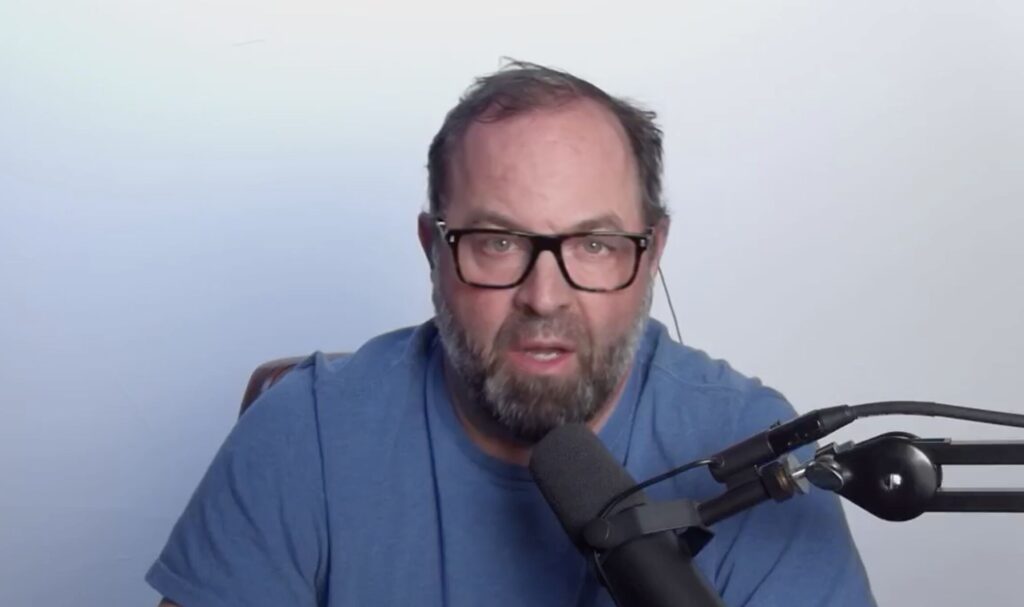
Colorado podcaster who has called for political foes to be executed joins GOP primary for governor
Ernest Luning
ernest.luning@coloradopolitics.com
Updated 12 hours ago
Joe Oltmann, the conservative Colorado podcaster who has repeatedly called for Colorado’s top elected officials to be executed and whose uncorroborated claims that the 2020 election was rigged spawned multiple defamation lawsuits, declared his candidacy for the Republican nomination for...

‘The canary in the democracy mine is local journalism’ | Vince Bzdek
Vince Bzdek
vince.bzdek@gazette.com
Updated 17 hours ago
Colorado could do a lot more to save newspapers – and democracy – in rural areas By Vince Bzdek As another new year and another legislative session dawn for Colorado, it’s a good time to ask what the absolute most...
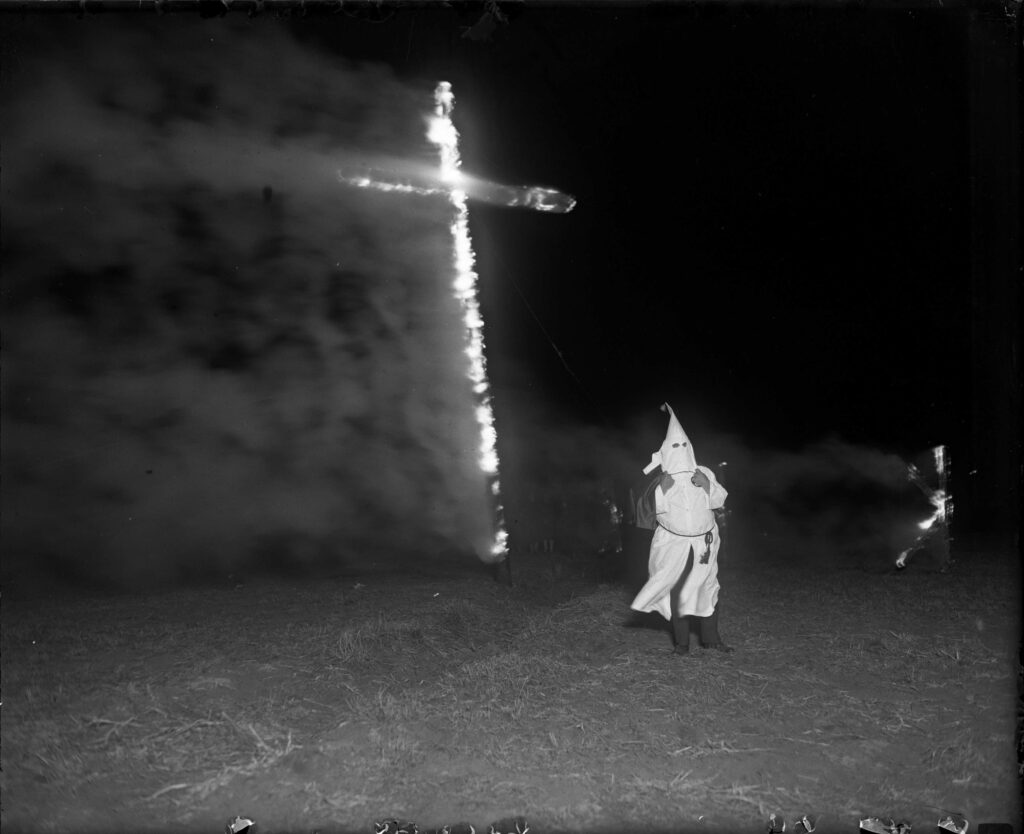
Colorado’s national correspondent recounts violent KKK march in D.C. | A LOOK BACK
Rachael Wright
rachael.wright@coloradopolitics.com
Updated 5 days ago
by Rachael Wright Thirty-Five Years Ago This Week: “I had forgotten about the Ku Klux Klan,” said Ann Downing Schmidt, The Colorado Statesman’s Washington, D.C., correspondent. In a commentary piece published in The Statesman, Schmidt described trying to make the ten-minute drive from...

2025 Unfiltered: Ethics investigations, scandals plague Colorado Capitol
Marianne Goodland
marianne.goodland@coloradopolitics.com
Updated 16 hours ago
Over the course of the year, a series of investigations, allegations and controversies emerged at the state Capitol, drawing scrutiny to the behavior of elected officials and, in some cases, overshadowing policy debates. Here are some of the notable investigations,...

2025 Unfiltered: Top stories of the Colorado General Assembly
Marianne Goodland
marianne.goodland@coloradopolitics.com
Updated 16 hours ago
In 2025, the Colorado legislature faced a budget deficit, sought to tackle a lingering housing crisis and saw a wave of lawmakers leaving for other opportunities, prompting multiple vacancy committees to act. Here are a look at the year’s top...

2025 Unfiltered: Colorado Supreme Court vacancy, surge in federal filings and more
Michael Karlik
michael.karlik@coloradopolitics.com
Updated 15 hours ago
This year was awash in legal news nationally, with federal courts taking an outsize role in responding to executive branch actions. In Colorado, that effect was evident, but it was not the only factor at play. Here are the top...
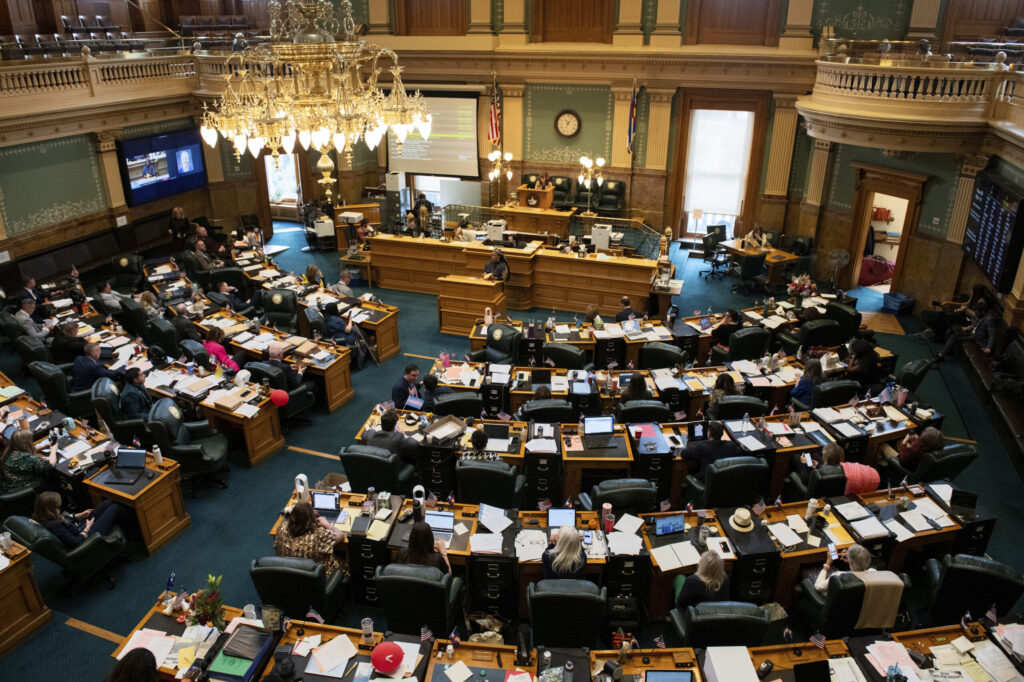
2025 Unfiltered: Unions, guns and vetoes — inside Colorado’s political year
Marissa Ventrelli
marissa.ventrelli@coloradopolitics.com
Updated 14 hours ago
From affordability and labor rights to gun policy — as well as public safety and gubernatorial vetoes — 2025 proved to be one of the most consequential and contentious years in recent Colorado political history. Lawmakers entered the session pledging...
PREV
PREVIOUS

What's next for Lamborn? Questions & answers on Colo.'s ballot mess
So what lies ahead for U.S. Rep. Doug Lamborn? The Colorado Supreme Court on Monday ordered state officials to leave the Colorado Springs congressman’s name off the Republican primary ballot, causing jaws to drop and heads to spin. Almost immediately, attorneys for the six-term representative vowed to take their case to federal court, where they […]
The Pueblo Chieftain: PERA reform in trouble
Faced with $32 billion in unfunded liabilities, the Colorado Public Employees’ Retirement Association is in very serious jeopardy of falling short of the income needed to meet future pension obligations to state, local government and school employees – unless the system is fixed and soon. The Republican-controlled state Senate has passed legislation (SB200) to reform […]