

The Colorado Springs Gazette: Illegal gaming spreading throughout the state
Gambling arcades aren’t legal in Colorado, except in communities that vote to tax and regulate them. That means no one gets to run slot machines outside of Cripple Creek, Central City or Black Hawk.
That has not stopped a proliferation of about 30 slot machine businesses, known as “internet sweepstakes cafes,” from popping up throughout the state, primarily in Pueblo, Grand Junction and metropolitan Denver.
House Bill 1234, slated for hearing in the House Business Affairs and Labor Committee on Thursday, should put a stop to this flouting of the law.
Gov. John Hickenlooper signed legislation crafted to stop the illegal gaming in 2015, but technical problems in the wording of the law obstructs enforcement.
“Prosecutions under the act ensued, and in 2017 a county and district court judge in El Paso County each examined the act and concluded that it is unconstitutionally vague,” 4th Judicial District Attorney Dan May wrote in a letter to state Rep. Tracy Kraft-Tharp, a Democrat and chair of the House Business Affairs and Labor Committee.
May believes the new bill better defines “gambling,” which should clear things up for the courts.
Grand Junction City Councilman Duncan McArthur wrote to Kraft-Tharp to say gambling machines are proliferating in his community in violation of the Colorado Constitution’s requirement for voter approval.
Colorado Springs Mayor John Suthers, former Colorado attorney general, also wrote his support for the bill in a letter to Kraft-Tharp. The Colorado Municipal League, Colorado Counties Inc., Attorney General Cynthia Coffman, the Colorado Council of District Attorneys, the Colorado Association of Chiefs of Police, Denver and Aurora support the bill.
Gambling cafes create confusion by telling law enforcement, and the courts, their slot machines are not games of chance. Rather, the machine owners insist, winning involves “skill.” The “skill” may be little more than a requirement to move one digit manually before pulling the lever. It’s a joke because the machines operate almost identically to traditional slot machines. They risk each player’s money with a promise of riches.
Even if one buys the flimsy “skill” excuse, the Colorado Constitution expressly includes games of skill if they cost money to play and offer potential rewards in the definition of “slot machine.”
Voters throughout Colorado have repeatedly rejected widespread gambling and have allowed expansion only in communities that vote for it and impose strict regulations to protect gamers and everyone else. As recently as 2014, voters overwhelmingly rejected expansion of gaming by 70.23 percent of the vote.
There’s a reason Colorado residents don’t want rogue, unregulated, untaxed gambling holes. Organized crime traditionally monopolizes unregulated gaming. Supporters of HB1234 cite police data that show higher crime rates in areas with illegal gambling. They believe profits from unregulated gaming fuel human trafficking and other sordid criminal activities.
It is hard to believe we need another law to stop what is clearly illegal. But we trust state prosecutors, judges and cops who say the law remains too vague.
Legislators should fix this loophole and stop this latest trend of unlawful gambling. Put HB1234 on the governor’s desk. This is common sense.


New jaguar spotted in Arizona points to progress in endangered species’ recovery | OUT WEST ROUNDUP
The Associated Press
the-associated-press@coloradopolitics.com
Updated 5 days ago
ARIZONA New jaguar spotted in wild The spots gave it away. Just like a human fingerprint, the rosette pattern on each jaguar is unique so researchers knew they had a new animal on their hands after reviewing images captured by...
8 exemplars to guide us into the new year | SONDERMANN
Eric Sondermann
eric-sondermann@coloradopolitics.com
Updated 4 days ago
It started as a one-off in my first year of writing this regular column. To ring in the new year back in the eventful year of 2020, I offered a shoutout to eight Coloradans who served as models of how...

Raids, pushback and TdA indictments defined Denver’s immigration story in 2025
Nico Brambila
nico.brambila@denvergazette.com
Updated 16 hours ago
The Trump administration’s push for a large-scale, deportation effort — built around campaign warnings about Tren de Aragua, the Venezuelan prison gang that established a foothold in Colorado — collided with the realities on the ground in Denver, where raids...
Denver’s budget deficit shaped 2025 news coverage
Deborah Grigsby
deborah.smith@denvergazette.com
Updated 15 hours ago
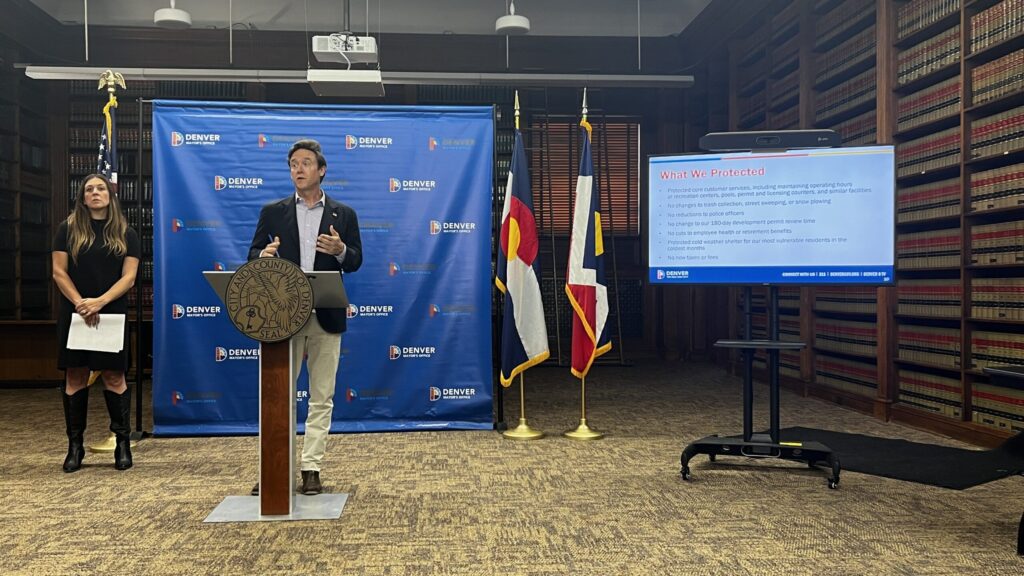
It was a year of big goals on a tight budget for the Mile High City, where Mayor Mike Johnston’s announcement of a $200 million city budget deficit dominated the news coverage. Facing a $50 million gap in its 2025...
Colorado podcaster who has called for political foes to be executed joins GOP primary for governor
Ernest Luning
ernest.luning@coloradopolitics.com
Updated 18 hours ago
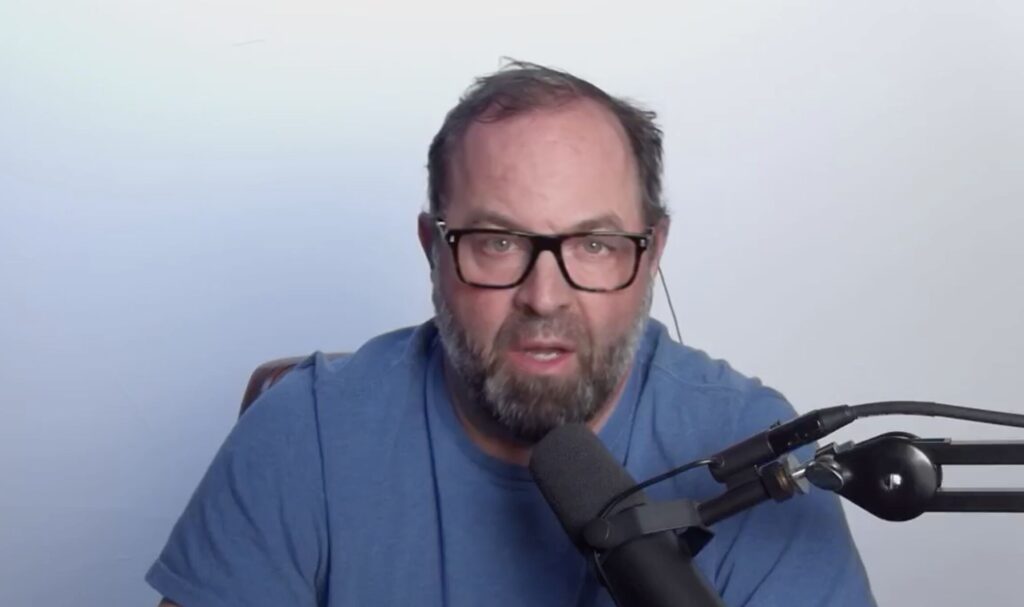
Joe Oltmann, the conservative Colorado podcaster who has repeatedly called for Colorado’s top elected officials to be executed and whose uncorroborated claims that the 2020 election was rigged spawned multiple defamation lawsuits, declared his candidacy for the Republican nomination for...

‘The canary in the democracy mine is local journalism’ | Vince Bzdek
Vince Bzdek
vince.bzdek@gazette.com
Updated 22 hours ago
Colorado could do a lot more to save newspapers – and democracy – in rural areas By Vince Bzdek As another new year and another legislative session dawn for Colorado, it’s a good time to ask what the absolute most...
Colorado’s national correspondent recounts violent KKK march in D.C. | A LOOK BACK
Rachael Wright
rachael.wright@coloradopolitics.com
Updated 5 days ago
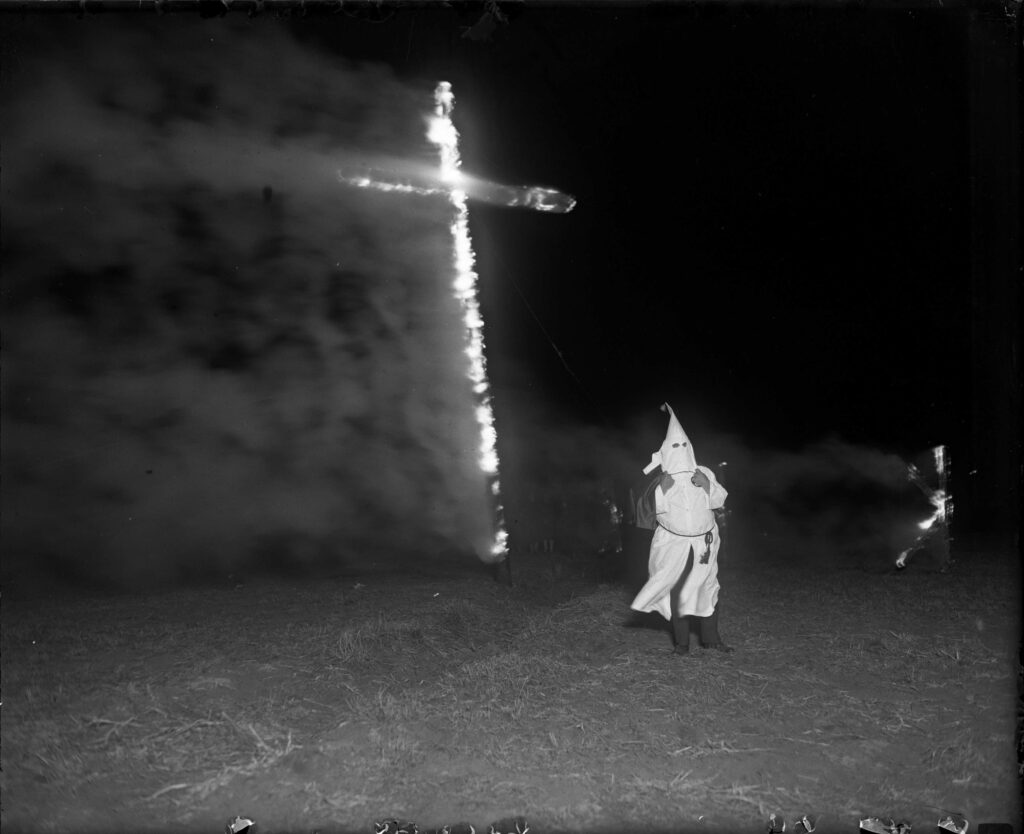
by Rachael Wright Thirty-Five Years Ago This Week: “I had forgotten about the Ku Klux Klan,” said Ann Downing Schmidt, The Colorado Statesman’s Washington, D.C., correspondent. In a commentary piece published in The Statesman, Schmidt described trying to make the ten-minute drive from...
2025 Unfiltered: Ethics investigations, scandals plague Colorado Capitol
Marianne Goodland
marianne.goodland@coloradopolitics.com
Updated 21 hours ago
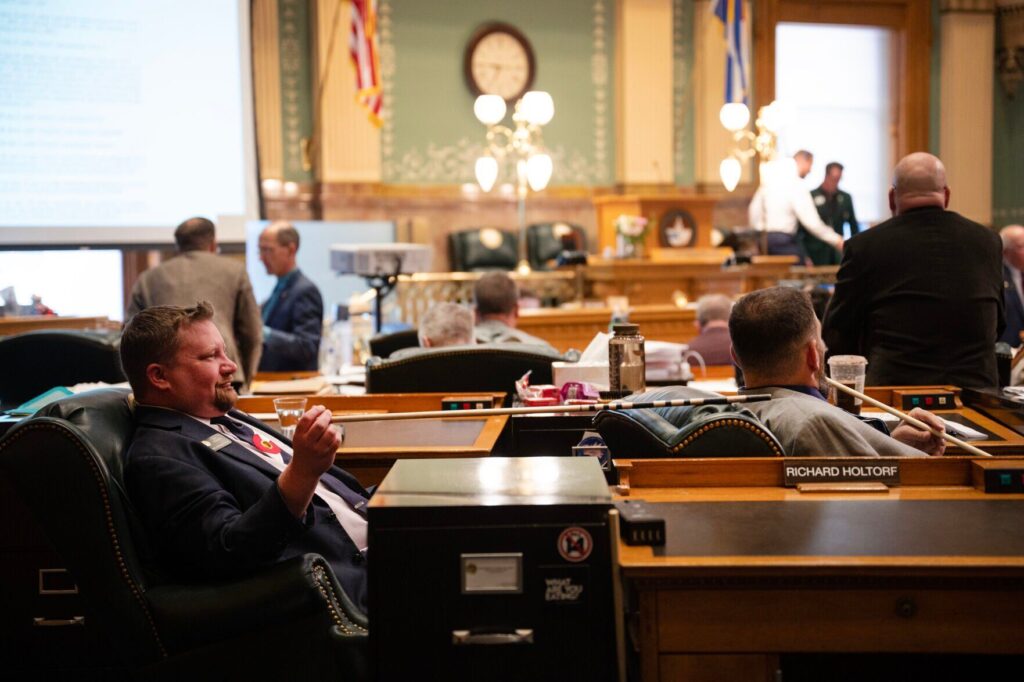
Over the course of the year, a series of investigations, allegations and controversies emerged at the state Capitol, drawing scrutiny to the behavior of elected officials and, in some cases, overshadowing policy debates. Here are some of the notable investigations,...
2025 Unfiltered: Top stories of the Colorado General Assembly
Marianne Goodland
marianne.goodland@coloradopolitics.com
Updated 21 hours ago
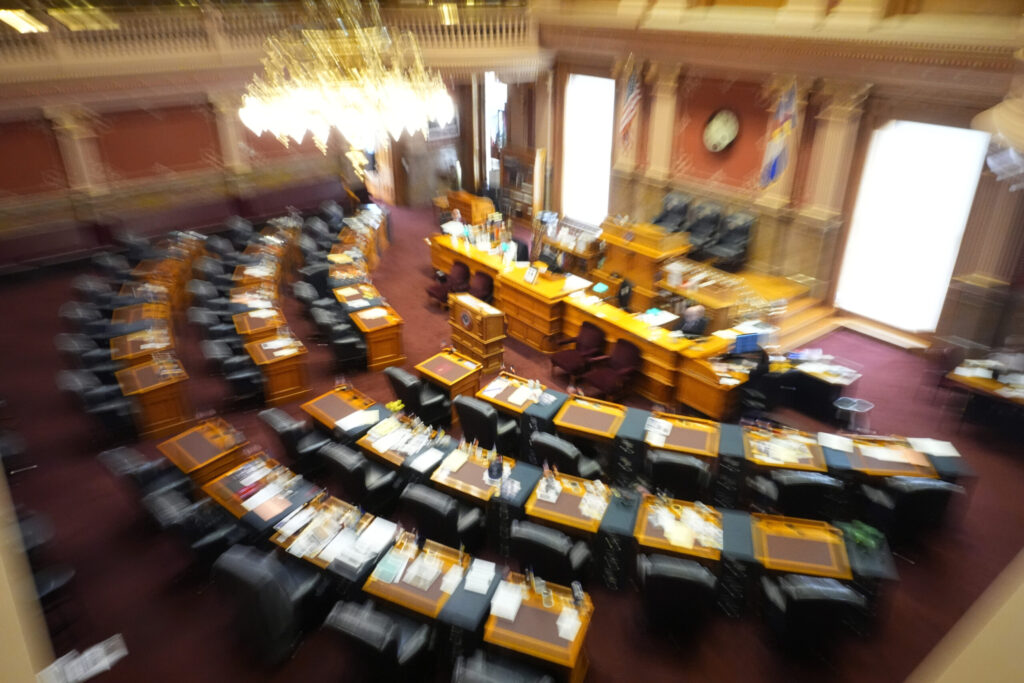
In 2025, the Colorado legislature faced a budget deficit, sought to tackle a lingering housing crisis and saw a wave of lawmakers leaving for other opportunities, prompting multiple vacancy committees to act. Here are a look at the year’s top...

2025 Unfiltered: Colorado Supreme Court vacancy, surge in federal filings and more
Michael Karlik
michael.karlik@coloradopolitics.com
Updated 20 hours ago
This year was awash in legal news nationally, with federal courts taking an outsize role in responding to executive branch actions. In Colorado, that effect was evident, but it was not the only factor at play. Here are the top...