

Analysis: Surplus, roads, pensions and pot on tap for the legislative session
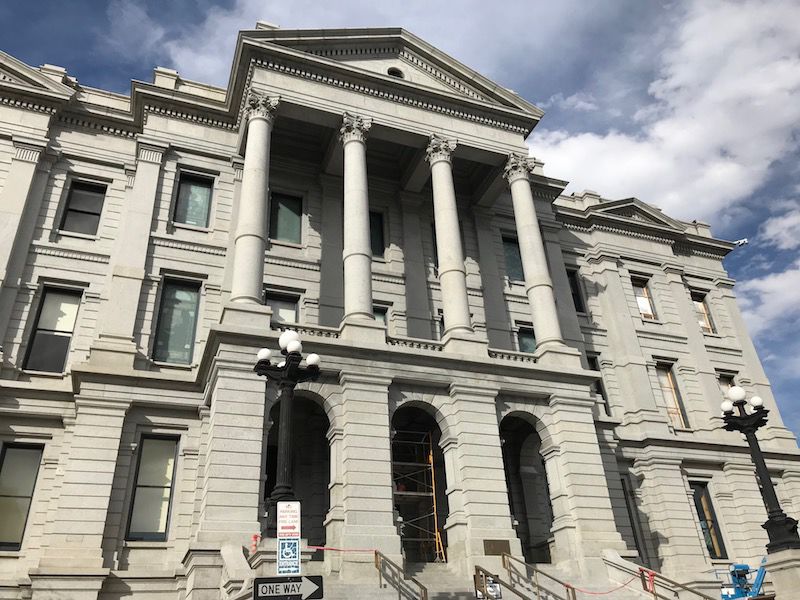
A rosy December revenue forecast gave lawmakers reason to believe they quite possibly will have an extra $300 million to spend in the legislative session that starts Wednesday, and that’s just one of their problems.
The General Assembly gavels in Wednesday, and for the ensuing 120 days 100 lawmakers will debate about 700 bills and pass a few hundred laws and resolutions. Sometimes they will compromise, but often they will argue on the most important issues in minute detail that must seem silly to those outside the Gold Dome.
Expect tan intense debate over where that extra money gets spent. And though logically much of the windfall will go into roads, but how much and for how long is the question.
Democrats and Republicans will hash out how much will go to transportation and whether a fixed amount can be locked into future budgets for maintenance and traffic relief on overcrowded interstates.
Lawmakers will fight over energy policy, school finance, rural broadband and marijuana, as well.
Predictable partisan efforts are going nowhere, however, not as long as Democrats use their majority in the House to kill Republican bills, and the Senate GOP majority returns the favor on liberal legislation.
That means curbs no dice on abortion, expanded gun rights, tax cuts or immigration enforcement in the House, while oil-and-gas regulation, equal pay laws, gay rights and transit are DOA in the Senate.
All this happens in a year where the political landscape is more uncertain than usual. No one can predict how voters in November will feel about the Republican tax cuts or how how they might feel about the Republican president.
If the national mood slides into local races, voters could remember what was said in the legislature in the spring and vote accordingly.
This year, unaffiliated voters can cast ballots in the June primary. Logic would dictate that the next four months is a time for moderation. However, logic and politics aren’t always on good terms.
Sexual harassment suspicions hang over four members. The fairness with which they are treated, as deemed by either side, threatens to divide the session in its early days, but, frankly, not much of significance happens early in the session.
Not usually, but this year legislative leaders expect to see an early version of a bill to deal with a painful plan to fill in a looming shortfall in the state employees’ pension plan. The Public Employees Retirement Association faces a $32 billion liability over the next 30 years between what it takes in from working employees and pays out to retirees.
The Democratic governor and legislative Republicans think the workers and retirees should pay for that, not taxpayers. But to ease the sting, while the governor asks employees to pay in 2 percent more into their retirement plans and receive less in annual cost-of-living adjustments, he recommended a one-time 3 percent across-the-board raise.
Democrats tend to side with state workers.
“It’s going to take a lot of wrangling,” said Senate President Kevin Grantham.
Senate Republicans have to resolve a spat with the governor’s office, however, over a mistake written into last year’s Senate Bill 267. Celebrated as a grand compromise, the bill moved a fee charged on hospital beds out from under the Taxpayer’s Bill of Rights’ spending cap.
Bill drafters inadvertently left special districts out of the bill, costing museums, municipal transit programs, firefighters and rural healthcare services millions of dollars from their share of local marijuana taxes.
Republicans balked at solving the legislative gaffe in a two-day special session in October, saying they needed more time. Time is up.
The evolution of marijuana laws also are expected to sprout more tentacles this session. Lawmakers will again consider creating public social clubs – pot clubs, as they’re called – where people can gather to get high, the same way they gather in a bar to lift a drink.
The industry also is expected to push for cannabis “tasting” rooms at existing dispensaries, delivery services and the usual series of bills that would streamline regulatory structures, industry proponents tell us.
Hickenlooper and Attorney General Cynthia Coffman, a Republican, sought to calm down the Colorado industry last Thursday, after U.S. Attorney General Jeff Sessions rescinded a Obama administration policy that allowed states where voters have legalized pot to operate outside the federal law, as long as they comply with state laws.
The governor surmised Sessions is “firing a shot across the bow” about his views on drugs and the need for stronger state laws. The Justice Department doesn’t have the staff or money for massive raids, prosecutions and lawsuits, Hickenlooper said.
“Don’t freak out,” Coffman advised.


Colorado Democrats react to Alex Pretti’s death in Minnesota
Wire Services
wire-services@coloradopolitics.com
Updated 32 minutes ago
Colorado’s Democrats called for an “impartial” investigation into the death of a man shot by a federal agent during an immigration operation on Saturday. Meanwhile, the chief of the Border Patrol defended the shooting, saying Alex Pretti inserted himself in...

National Western Junior Livestock Auction sets record
Marianne Goodland
marianne.goodland@coloradopolitics.com
Updated 2 days ago
The 120th National Western Stock Show, which closes Sunday, saw a standing-room only crowd in the CoBank auction arena at the new Sue Anschutz-Rodgers Livestock Center. Bidders set a record Friday for the top eight livestock – steers, lambs, goats...

The biggest accelerant of our political tribalism | SONDERMANN
Eric Sondermann
eric-sondermann@coloradopolitics.com
Updated 5 days ago
In years past, my go-to word in describing our political condition was “polarization.” I used it endlessly and still do on occasion. But as time has moved on, and the divide has only grown in depth and toxicity, polarization no...

Capitol M: Return to Gold Dome High, 2026 edition, and a salute to old IU
Marianne Goodland
marianne.goodland@coloradopolitics.com
Updated 4 days ago
Welcome back, campers! The 2026 legislative session is upon the good citizens of Colorado, and for a few, the first Monday of the session, Jan. 19, was pretty special. There are at least four folks in the Capitol who are...

Sundance kicks off in Utah with premieres, emotional tributes to Robert Redford | OUT WEST ROUNDUP
Ernest Luning
ernest.luning@coloradopolitics.com
Updated 4 days ago
UTAH Redford hailed at Sundance kick-off PARK CITY — Robert Redford liked to say that everybody has a story. He’s not the only person who said it, but he is one of the few who did something to celebrate it,...
Governor’s lobbyists should be banned from the house floor, legislator argues | A LOOK BACK
Rachael Wright
rachael.wright@coloradopolitics.com
Updated 3 days ago
Forty-Five Years Ago This Week: State Rep. Bob Stephenson, R-Colorado Springs, created an uproar in the chambers of the House of Representatives after he proposed a rule change that would ban the governor’s lobbyists from the House floor during the...
Republican candidates debate how to win the governor’s seat in Colorado — a position the GOP last secured in 2002
Thelma Grimes
thelma.grimes@coloradopolitics.com
Updated 3 days ago
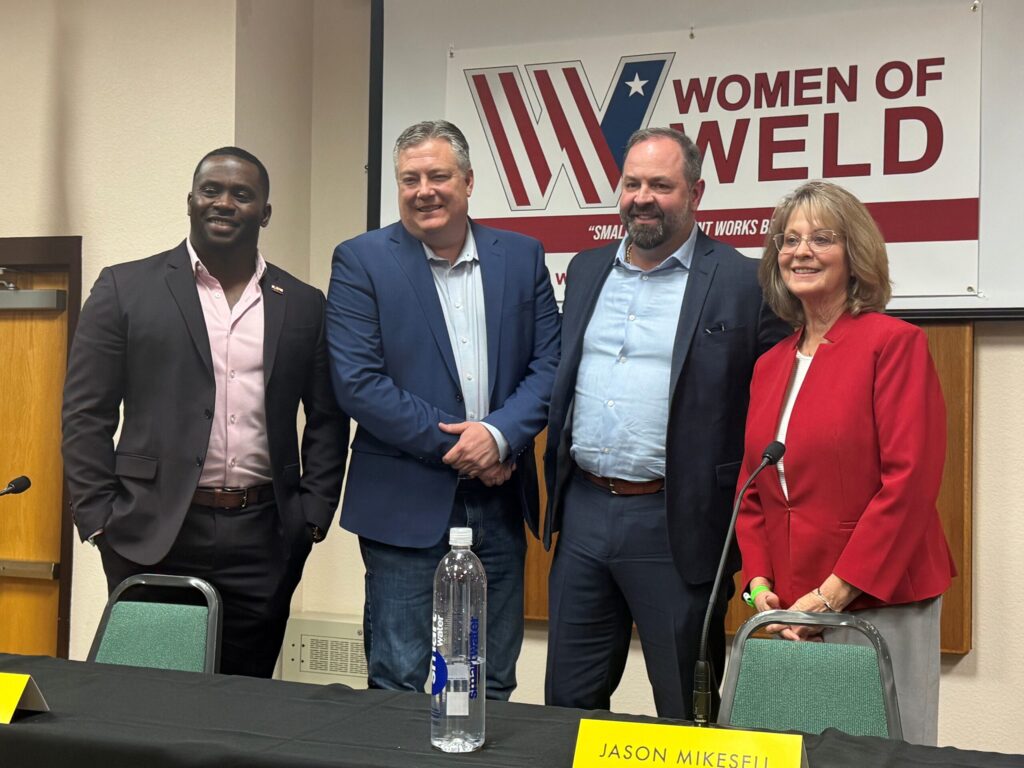
Colorado has not elected a Republican governor since 2002. On Thursday night, four candidates offered competing visions for how the party can reverse its 20-plus years of failing to secure the seat. The discussion hosted by the Women of Weld...

Colorado’s charitable gaming board to study Denver Gazette’s findings
David Migoya
david.migoya@gazette.com
Updated 3 days ago
Colorado’s freshman board overseeing the state’s $110 million charitable gaming industry on Friday created a committee to tackle issues raised in a Denver Gazette investigation that exposed, among other issues, poor supervision and illegal operators. The Colorado Charitable Gaming Board,...
10th Circuit to address resentencing of probation violators in rare all-judges hearing
Michael Karlik
michael.karlik@coloradopolitics.com
Updated 2 days ago
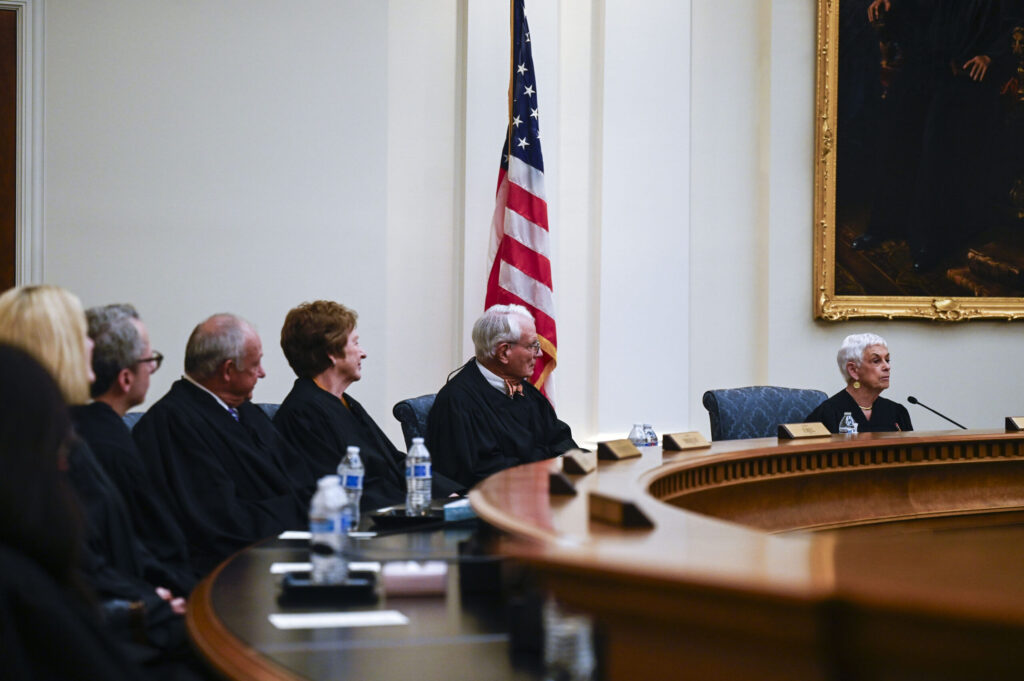
The Denver-based federal appeals court agreed on Thursday to hold a rare all-judges hearing to determine the proper procedure for resentencing a criminal defendant who has violated the terms of his probation. In the federal appellate courts, the vast majority...

Vape shops challenge Denver’s flavored tobacco ban in court
Deborah Grigsby
deborah.smith@denvergazette.com
Updated 3 days ago
The smoke has yet to settle in the battle over the city’s flavored tobacco ban as local vape shop owners have sued the City and County of Denver, asking the court to declare the ordinance unconstitutional and stop its enforcement....
PREV
PREVIOUS

Counting down the Colorado politicos to watch in 2018
10. House Speaker Crisanta Duran, D-DenverThe state’s first Latina speaker has a galaxy of political opportunities ahead of her, locally or nationally. She is term-limited in the House after this session. She hasn’t decided yet what she’ll do next,. Meanwhile, she must earn her reputation as a leader this session with a House caucus divided […]

Senate President Kevin Grantham focused on the next four months, not his legacy
State Senate President Kevin Grantham faces term limits after the next session, but he plays off questions about his political ambitions, assuming he has any. With the legislative session set to begin Wednesday, he prefers to talk about transportation, fixing state employees’ retirement plans, protecting the energy industry and handing off leadership to another Republican […]