

The Colorado Springs Gazette: Locals confront the governor about pot
Parents, teachers, law enforcement, The Gazette and others owe a big thanks to El Paso County Commissioner Longinos Gonzalez Jr. for an overdue drug intervention with Gov. John Hickenlooper.
Gonzalez and Hickenlooper exchanged their differences about recreational pot legalization this week at the annual winter conference for Colorado local governments in Colorado Springs.
Gonzalez admonished Hickenlooper for turning a blind eye to an increase in marijuana-related highway deaths, rising numbers of children and teens using pot and a surge in homelessness most of the state’s major homeless shelter directors attribute to legalization.
The criticism from Gonzalez, Hickenlooper said, is “absolute nonsense.”
Really?
The governor routinely says he discourages recreational marijuana use, but he is best known throughout the country for appearances on national television that make legalization sound harmless and successful.
On “Meet the Press,” Hickenlooper called Colorado’s legalization “one of the great social experiments of our time.”
The governor said Colorado has seen no spike in use among teenagers, which is categorically false. Ask teachers, principals and cops. Or, look to research in a 168-page report by the Rocky Mountain High Intensity Drug Trafficking Area agency. It shows Colorado ranks first in the nation for marijuana use among kids and adults, with children’s use 55 percent higher than the national average.
Gonzalez asked Hickenlooper if several negative trends he cited are related to recreational pot, and the governor said “some are, some aren’t.”
Confronted about a substantial rise in deadly car crashes involving pot, Hickenlooper said “we don’t have a good baseline” because law enforcement only recently began testing drivers for THC.
That’s not what The Denver Post reported. The newspaper’s recent investigation found the number of drivers involved in fatal crashes who tested positive jumped by 47 percent from 2013 through 2016. As for prevalence of testing in the earliest year of legalization, the Post found “testing of drivers did not change appreciably, federal fatal-crash data show.”
In supporting legalization on news and late-night shows, Hickenlooper says commercialized pot reduces drug dealing.
“We see anecdotally less drug dealers around places where they used to hang out,” he said on “Meet the Press.”
Perhaps, anecdotally, that is true. So is the observation that Colorado’s modern pot dealers work out of giant warehouses, rental homes and storefronts that dot main streets throughout Colorado cities and towns. Many operate illegally.
El Paso County Sheriff Bill Elder speaks of more than 550 illegal rural home-grow operations throughout the county.
County Commissioners Mark Waller and Stan VanderWerf joined Gonzalez in expressing frustration with Hickenlooper’s marijuana approval.
“This is a serious statewide problem that has happened as a result of the legalization of marijuana,” Waller said. “And when our governor – even tacitly – endorses (legalization), he does further harm to the security of our state.”
VanderWerf said the governor’s comments “indicate that he doesn’t understand the damage that recreational marijuana is doing to Colorado.”
Hickenlooper deserves credit for a lot of good outcomes in nearly two full terms. Alas, his barely veiled championing of Big Commercial Pot may become his legacy. That will look bad for him after the insidious consequences of legalization become more obvious throughout coming decades.
The governor could and should stop suggesting this “social experiment” has been good. He has to warn other states and spare them from making this mistake.
The Gazette editorial board


New jaguar spotted in Arizona points to progress in endangered species’ recovery | OUT WEST ROUNDUP
The Associated Press
the-associated-press@coloradopolitics.com
Updated 5 days ago
ARIZONA New jaguar spotted in wild The spots gave it away. Just like a human fingerprint, the rosette pattern on each jaguar is unique so researchers knew they had a new animal on their hands after reviewing images captured by...

8 exemplars to guide us into the new year | SONDERMANN
Eric Sondermann
eric-sondermann@coloradopolitics.com
Updated 4 days ago
It started as a one-off in my first year of writing this regular column. To ring in the new year back in the eventful year of 2020, I offered a shoutout to eight Coloradans who served as models of how...

Raids, pushback and TdA indictments defined Denver’s immigration story in 2025
Nico Brambila
nico.brambila@denvergazette.com
Updated 17 hours ago
The Trump administration’s push for a large-scale, deportation effort — built around campaign warnings about Tren de Aragua, the Venezuelan prison gang that established a foothold in Colorado — collided with the realities on the ground in Denver, where raids...
Denver’s budget deficit shaped 2025 news coverage
Deborah Grigsby
deborah.smith@denvergazette.com
Updated 16 hours ago
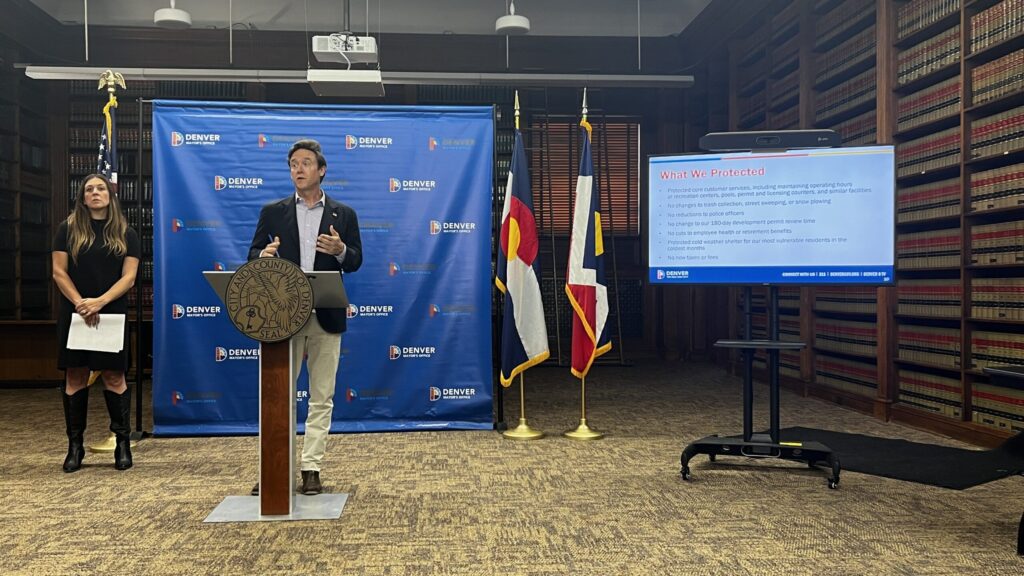
It was a year of big goals on a tight budget for the Mile High City, where Mayor Mike Johnston’s announcement of a $200 million city budget deficit dominated the news coverage. Facing a $50 million gap in its 2025...
Colorado podcaster who has called for political foes to be executed joins GOP primary for governor
Ernest Luning
ernest.luning@coloradopolitics.com
Updated 19 hours ago
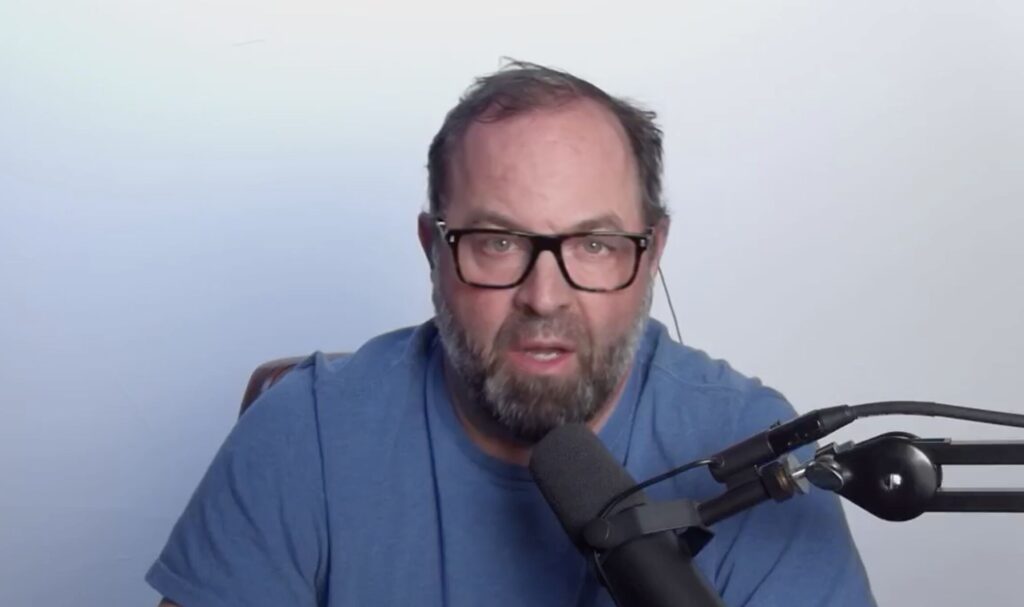
Joe Oltmann, the conservative Colorado podcaster who has repeatedly called for Colorado’s top elected officials to be executed and whose uncorroborated claims that the 2020 election was rigged spawned multiple defamation lawsuits, declared his candidacy for the Republican nomination for...

‘The canary in the democracy mine is local journalism’ | Vince Bzdek
Vince Bzdek
vince.bzdek@gazette.com
Updated 23 hours ago
Colorado could do a lot more to save newspapers – and democracy – in rural areas By Vince Bzdek As another new year and another legislative session dawn for Colorado, it’s a good time to ask what the absolute most...
Colorado’s national correspondent recounts violent KKK march in D.C. | A LOOK BACK
Rachael Wright
rachael.wright@coloradopolitics.com
Updated 5 days ago
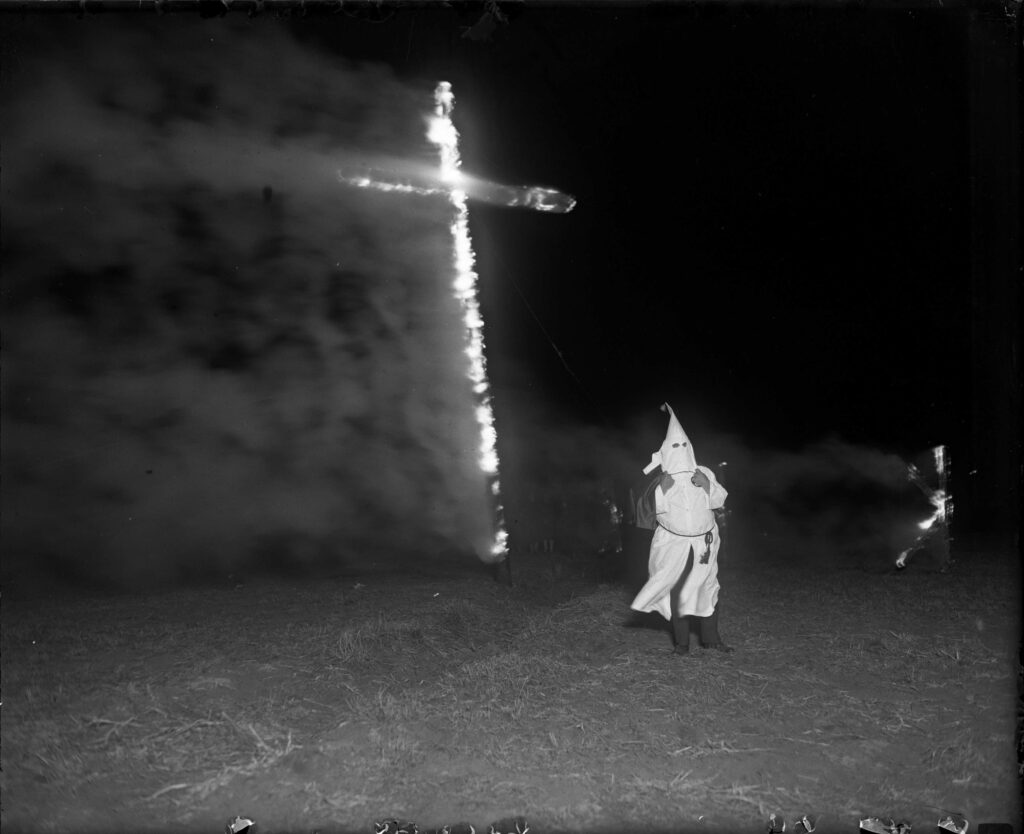
by Rachael Wright Thirty-Five Years Ago This Week: “I had forgotten about the Ku Klux Klan,” said Ann Downing Schmidt, The Colorado Statesman’s Washington, D.C., correspondent. In a commentary piece published in The Statesman, Schmidt described trying to make the ten-minute drive from...
2025 Unfiltered: Ethics investigations, scandals plague Colorado Capitol
Marianne Goodland
marianne.goodland@coloradopolitics.com
Updated 22 hours ago
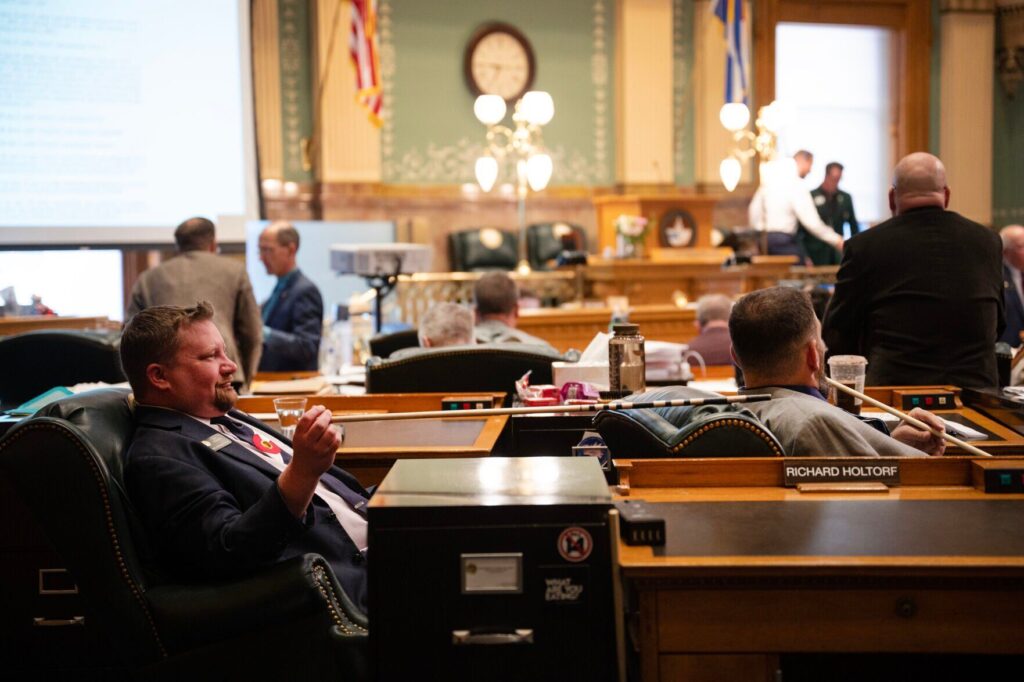
Over the course of the year, a series of investigations, allegations and controversies emerged at the state Capitol, drawing scrutiny to the behavior of elected officials and, in some cases, overshadowing policy debates. Here are some of the notable investigations,...

2025 Unfiltered: Top stories of the Colorado General Assembly
Marianne Goodland
marianne.goodland@coloradopolitics.com
Updated 22 hours ago
In 2025, the Colorado legislature faced a budget deficit, sought to tackle a lingering housing crisis and saw a wave of lawmakers leaving for other opportunities, prompting multiple vacancy committees to act. Here are a look at the year’s top...
2025 Unfiltered: Colorado Supreme Court vacancy, surge in federal filings and more
Michael Karlik
michael.karlik@coloradopolitics.com
Updated 21 hours ago
This year was awash in legal news nationally, with federal courts taking an outsize role in responding to executive branch actions. In Colorado, that effect was evident, but it was not the only factor at play. Here are the top...
PREV
PREVIOUS
U.S. Forest Service didn’t call for pulling its land from Bears Ears, USDA nominee tells Senate Democrats
Two senior Senate Democrats want President Trump to explain why he’s poised to remove protections for U.S. Forest Service land in the Bears Ears National Monument when the agency did not recommend any such change, according to a letter obtained by The Washington Post. Sen. Debbie Stabenow (Mich.), the top Democrat on the Senate Agriculture […]

After another Colorado child commits suicide, the search for solutions intensifies at schools and the statehouse
As the tragic circumstances of a Colorado fifth-grader’s suicide draws widespread attention, two state lawmakers said Friday they plan to introduce legislation next year aimed at helping schools try to prevent such cases. “I want to have a conversation that 10-year-olds die by suicide,” state Rep. Dafna Michaelson Jenet told Chalkbeat. “And we need to […]