

Forum examines Colorado’s state of marijuana 5 years after vote
It’s been five years since Colorado voters legalized recreational marijuana, so what more do we know now than we did then? It appears the answer is “not much,” at least not definitively, according to a forum held by the Denver Press Club earlier this week.
While numerous studies, polls and research projects have cranked out more numbers than you can shake a joint at, as one panelist pointed out, quoting Mark Twain, “There are three kinds of lies: lies, damned lies, and statistics.”
Chris Woods, owner and founder of Terrapin Care Station, said other states are looking at Colorado and following suit by expanding legal options to consumers. He is currently expanding his own business operations in Pennsylvania and Oregon in compliance with those state’s particular laws.
Terrapin Care Station was one of the first regulated dispensaries to open in Colorado after the 2012 passage of Amendment 64, allowing Colorado residents over the age of 21 to legally possess up to an ounce of marijuana and six plants.
Over 21. That continues to be a sticking point for advocacy groups, especially when marijuana doesn’t look like the baggie of buds some people remember from decades ago.
“I do feel one of the consequences or results of legalizing and regulating marijuana has been reducing teen use,” Woods said.
Henny Lasley, executive director of Smart Colorado, encourages parents to go visit dispensaries and gain an understanding of what’s available.
“It’s mind-blowing,” she said. “They’re going in and seeing things like a packet of brown sugar used to sweeten a cup of coffee that has pure THC in it.”
She’s also concerned about the mixed message kids might be getting now that the stigma of consuming marijuana has been lifted.
“Because we first sold medical and now we sell recreational, they drive down Broadway and they see signs with green crosses (on dispensaries) – that’s supposed to signify health and well being, benign substances – it’s an unfair message that we’ve given our kids.”
Lasley agrees with Woods and other industry professionals in making sure kids don’t come in and buy marijuana products.
Current law allows little room for error on the part of business owners.
Michael Hartman, executive director of the Colorado Department of Revenue, points out the difference in consequences for those who sell marijuana versus liquor to underage buyers.
“It’s a dramatic difference,” Hartman said. “In the liquor industry, if someone sells to an underage kid, the fine is $200 to $5,000 dollars … In the marijuana industry, I have three levels of fines that I can issue, and they range from pubic safety issues to between technicality and public safety to just technicality issues. On a minor technical issues I can issue a fine of up to $25,000. On the in between issue I can issue a fine of up to $50,000, and in the public safety category, I can issue a fine of up to $100,000. All of the underage sales fall into that upper category.”
From a business standpoint, Woods says he has a great relationship with the Department of Revenue and appreciates its work on this issue, including resources available to business owners.
“As a licensed business owner, I have responsibilities for this license, one of those is that you don’t sell marijuana to minors,” Woods said. “One of the reasons we’ve been able to expand in other states is because we are ‘the good actor’ … the practical reality is that no one is coming into our store that is under the age of 21 and buying marijuana.”
Most of the panelists agreed that in legalizing recreational marijuana, Colorado has done a lot of things right, but not everything.
Mark Bolten, chief counsel to Gov. John Hickenlooper on marijuana issues, was among them.
“The past five years, Colorado has been able to prove that states can build strong, comprehensive, regulatory systems for marijuana – I think Colorado has accomplished that,” Bolten said. “I think everyone recognizes it’s a work in progress, it’s not perfect. I think one of the strengths is – people on the state’s side, people on the industry side, folks in the advocacy organizations – are committed to continuing to evaluate the systems that we have, continuing to address unintended consequences and abuses as they materialize, and looking to improve the system that we have. That’s been our approach all along since the governor’s been in office throughout this process and will be as long as we’re around.”
Colorado’s pot history, in brief
1975 – Colorado makes possession of less than one pound a petty offense.
2000 – Medical marijuana initiative passes by 54 percent.
2007 – Denver passed an initiative to make cannabis the “lowest law enforcement priority.”
2012 – Amendment 64 passes with 55 percent of the vote, allowing recreational marijuana sales and possession, with the first $40 million in tax revenue dedicated to schools.
Current tax revenue
So far this year, $242 million has been generated in tax revenue for the state’s $11 billion general fund.
To date, there are 1,350 businesses in the state licensed to sell recreational marijuana.
Colorado dispensaries employ 30,866 badged employees.
January through September sales for 2017 total $630,136, 344.
Do voters have ‘buyers remorse’?
According to Gallup, in 1969, 12 percent of those polled supported legalization. Today that number is well over two-thirds of those polled.
Mason Tvert, legalization advocate who was instrumental in getting Amendment 64 passed in 2012, says some areas that enacted bans of regulated sales in their communities have repealed them, and that other areas, proposed bans have been defeated.
(Tvert is now working on getting initiatives passed in other states including Alaska, Nevada, Maine and Massachusetts. He is also working at the federal level, noting more states than not have regulations in place that allow some sort of cannabis sales.)
The science of THC: Much remains a mystery
Chris Halsor, a former prosecutor, started his own company in 2014, Understanding Legal Marijuana.
Now he travels throughout the country to work on the public safety side of the issue, teaching officers how to understand marijuana DUIs. He visits dispensaries in other states to see how policies stack up, and also heads up a “green lab” that studies effects of marijuana on adult participants who dose on weed.
“We have some numbers associated with DUI, some suggest numbers have risen,” Halsor said, “but in Colorado when there’s a fatal accident, there’s no directive to coroners as to what fluids to draw or samples to take. All we can conclude is that the number of DUI fatals in the last three years, there are more drivers who had marijuana in their system at the time of the crash.”
But Halsor says the question remains, “What are we looking for and what are we testing?” He points to several biological factors including Delta 9 THC, the active impairing chemical in marijuana, which doesn’t stay in a user’s system after the high is gone. That’s different from the THC component that’s stored in fat cells and can show up in testing long after the mind-altering effects are gone.
And since other types of consumption are fairly new, such as dabs and edibles, little is known about long-term effects on the adult or adolescent brain.


Legal war over Trump’s immigration detention policy far from over despite key win
Jack Birle, Washington Examiner
jack.birle.washington.examiner@gazetteedit.wpenginepowered.com
Updated 4 hours ago
The Trump administration won a key victory at a federal appeals court late last week, when its mandatory detention policy for illegal immigrants was upheld, but it still faces skepticism in various other federal courts. The administration’s mandatory detention policy...

Laura Clellan named sole finalist for Colorado Parks and Wildlife director
Marianne Goodland
marianne.goodland@coloradopolitics.com
Updated 3 hours ago
The Department of Natural Resources announced Monday that Laura Clellan, who is currently serving as acting director of Colorado Parks and Wildlife, is the only finalist for the job. Clellan has been acting director of CPW since Nov. 25, when...

Colorado budget writers put Medicaid caregiver pay cuts on hold
Marissa Ventrelli
marissa.ventrelli@coloradopolitics.com
Updated 2 hours ago
The Colorado General Assembly’s budget decision-makers have put proposed pay cuts on hold for people who care for a family member with a disability who receives Medicaid. The Joint Budget Committee made the decision after hours of testimony from family...
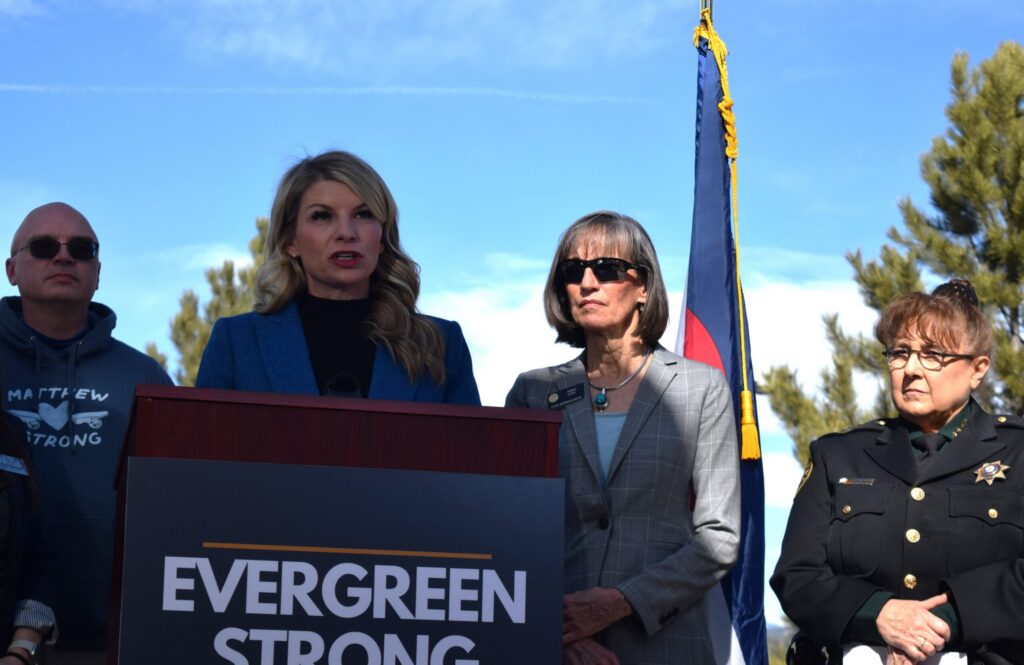
Colorado lawmakers seek faster warrant response from social media firms
Sage Kelley
sage.kelley@denvergazette.com
Updated 2 hours ago
Proponents argue legislation would prevent school shootings Colorado officials on Monday claimed that the Evergreen High School shooting could have been prevented if social media companies had been required to respond faster to warrants — and they are pushing legislation...
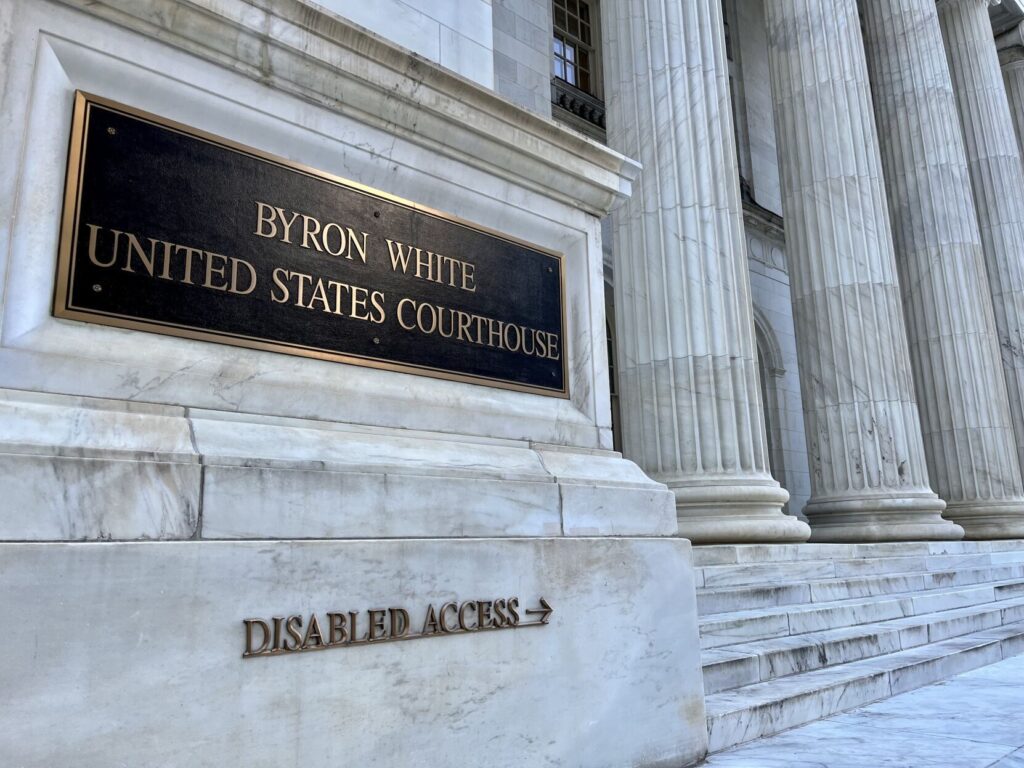
10th Circuit orders lawyer to pay $1,000 for faulty AI citations
Michael Karlik
michael.karlik@coloradopolitics.com
Updated 2 hours ago
The Denver-based federal appeals court ordered a lawyer on Monday to pay $1,000 to the opposing side for submitting a legal filing with fake case citations generated by artificial intelligence. A three-judge panel of the U.S. Court of Appeals for...

A fight over seeds and bees: Colorado Democrats target neonicotinoid pesticides
Marianne Goodland
marianne.goodland@coloradopolitics.com
Updated 3 hours ago
Colorado lawmakers are weighing new restrictions on a class of pesticides after Gov. Jared Polis signaled support for a Democratic-backed bill aimed at protecting pollinators — a proposal that has raised sharp worries from farmers who rely on treated seeds...

Supreme Court finalists selected, federal judges slash backlogs | COURT CRAWL
Michael Karlik
michael.karlik@coloradopolitics.com
Updated 9 hours ago
Welcome to Court Crawl, Colorado Politics’ roundup of news from the third branch of government. Coloradans learned who the three finalists are for a state Supreme Court vacancy, and new data show that Colorado’s federal trial judges reduced their backlog...
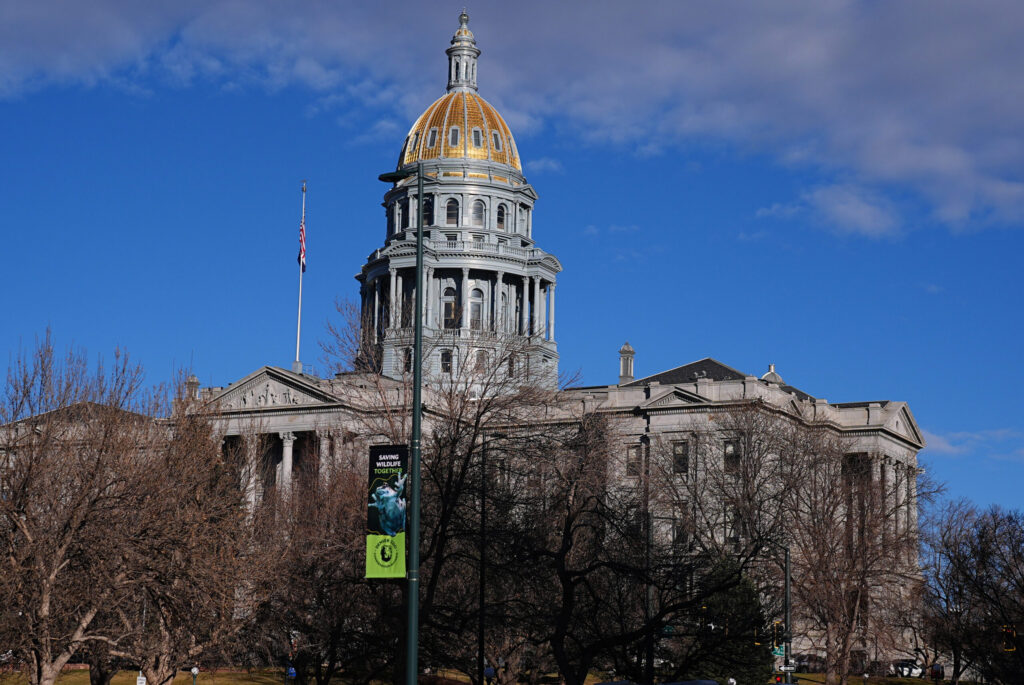
Colorado Democrats propose changes to juvenile corrections, jail searches, municipal courts | Bills in brief
Marissa Ventrelli
marissa.ventrelli@coloradopolitics.com
Updated 7 hours ago
Colorado lawmakers introduce hundreds of bills each year. Bills in brief cuts through the noise by explaining which proposals matter, what’s at stake, and how decisions at the Capitol could affect everyday life across the state. Colorado lawmakers are advancing a slate...

Colorado’s legislative activity has increased 56% since 2012, report finds
Marissa Ventrelli
marissa.ventrelli@coloradopolitics.com
Updated 2 hours ago
The Colorado General Assembly has adopted increasingly more bills in the last several years, even as the proposals have also become more complex. The legislature passed 487 bills during the 2025 legislative session, representing a 56% growth in legislative output...

Ghislaine Maxwell declined to answer questions from a House committee, citing 5th Amendment rights
Stephen Groves
stephen.groves@associatedpress.com
Updated 11 hours ago
WASHINGTON (AP) — Lawmakers tried Monday to interview Ghislaine Maxwell, but the former girlfriend and confidante of Jeffrey Epstein invoked her 5th Amendment rights to avoid answering questions that would be incriminating. Maxwell was to be questioned during a video...