

Gorsuch’s early Supreme Court record shows signs of controversy
WASHINGTON – Neil Gorsuch’s first six months on the U.S. Supreme Court indicate he is already creating sharply divided opinions about his performance.
Gorsuch was appointed to the Supreme Court in April after serving for 11 years as a federal judge in Denver.
Most of the time in Washington he has continued the staunchly conservative record he established in Colorado. Other times, he has been unpredictable and potentially divisive, according to legal experts.
“Justice Gorsuch shifted the Court to a conservative majority,” Caroline Fredrickson, president of the American Constitution Society, a nonprofit civil liberties organization, told Colorado Politics.
She added that he “may be to the right of the Republican-appointed majority.”
This week, the nonprofit legal advocacy group Free Speech For People urged the Supreme Court to reprimand Gorsuch for a Sept. 28 speech at Trump International Hotel in downtown Washington, D.C.
A statement from the group said Gorsuch created “ethical conflicts” during the luncheon speech by creating the image he endorsed President Donald Trump.
Last week, as the Supreme Court reconvened for its latest session, Gorsuch appeared to lecture the other justices with a sarcastic remark. During a hearing in a gerrymandering case, he said, “Maybe we can just for a second talk about the arcane matter of the Constitution.”
But that suited Colorado U.S. Rep. Ken Buck, R-Greeley, just fine.
“From his time on the Court of Appeals in Denver to his first few months on the U.S. Supreme Court, Judge Gorsuch has shown again and again his faithfulness to the Constitution and the original intent of the law,” said Buck, a member of the House Judiciary Committee.
However, in the case of Ronald Class, a retiree who illegally parked his car in a U.S. Capitol lot while it was packed with loaded weapons, Gorsuch seemed to depart from his conservative stances.
Class owned a concealed weapons permit but he was arrested under a federal law that bans guns on Capitol grounds.
Class told FBI agents he was a “constitutional bounty hunter” and a “private attorney general.” He said he traveled with guns to enforce criminal laws against judges who act illegally.
Class pleaded guilty in a plea bargain that would give him 24 days in jail and year of supervised release. He later tried to retract his guilty plea.
He presented several arguments for retraction, one of which claimed he had a Second Amendment right to carry arms to the Capitol.
Class lost on appeal after acknowledging he understood the plea bargain before agreeing to it. At the Supreme Court, his attorney argued that previous court rulings show defendants have rights to raise constitutional objections even after pleading guilty.
A Justice Department attorney argued defendants should not be allowed to plead guilty knowing they could retract the plea later.
Gorsuch said that some defendants admit facts when they plead guilty but not that they know they committed a crime.
“You’re admitting to what’s in the indictment,” Gorsuch said. “Isn’t that maybe the most natural and historically consistent understanding of what a guilty plea is?”
In a separate case last week, Gorsuch questioned whether courts can constitutionally enforce federal laws that are not clearly written and defined.
The case involved a permanent resident from the Philippines convicted of burglary. He argued the law authorizing deportation for violent crimes was too unconstitutionally vague to be enforced against him.
Gorsuch seemed to agree when he said that for laws to be enforced, Congress must clearly specify “when it’s going to put people in prison and deprive them of liberty and result in deportation.”
___
This story is based in part on wire services reports.


Colorado committee recommends rejecting alcohol, marijuana tax hike to fund mental health care
Marissa Ventrelli
marissa.ventrelli@coloradopolitics.com
Updated 46 minutes ago
In a rare move, Colorado’s Capital Development Committee unanimously recommended that another legislative committee reject a bill asking voters to approve higher excise taxes on alcohol and marijuana to fund a new mental health hospital in Aurora. Sponsored by Rep....
Colorado Supreme Court lifts curtain on decision-making at legal event
Michael Karlik
michael.karlik@coloradopolitics.com
Updated 1 hour ago
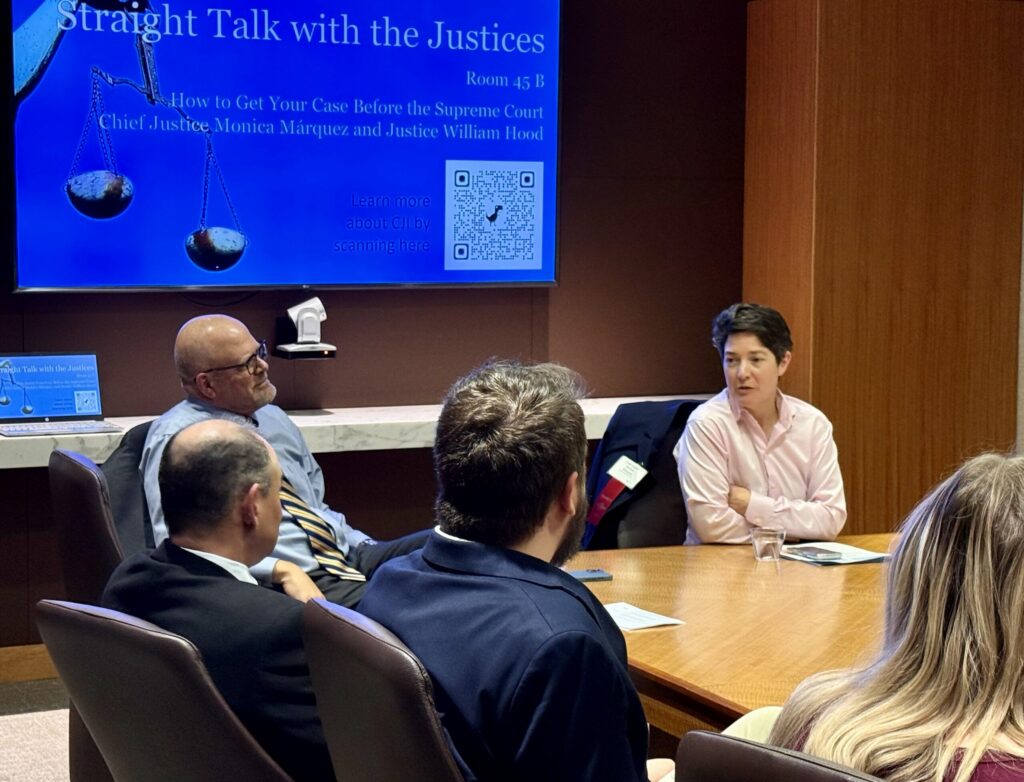
Members of the Colorado Supreme Court sat down with lawyers on Wednesday to answer questions about behind-the-scenes topics, including what happens immediately after an appeal is argued, why they might intervene in an ongoing case, and the consequence of a...
Senate, House leaders propose bill to cut outdated Colorado regulations and expand agency oversight
Marissa Ventrelli
marissa.ventrelli@coloradopolitics.com
Updated 1 hour ago
A bipartisan group of Colorado’s top legislative leaders is pushing a bill that would require periodic reviews of state regulations and expand lawmakers’ ability to scrutinize agency programs during oversight hearings. Senate Bill 137, sponsored by Senate President James Coleman,...
House Republicans split over SAVE America Act pressure campaign
David Sivak, Washington Examiner
david.sivak.washington.examiner@gazetteedit.wpenginepowered.com
Updated 5 hours ago
House Republicans are torn over how difficult to make life for the Senate as a band of rebels pressures Majority Leader John Thune (R-SD) to pass a national voter ID bill. Speaker Mike Johnson (R-LA) has cautioned House conservatives that...

Republican Jeff Crank, Democrat Jessica Killin qualify by petition for Colorado’s 5th CD primary
Ernest Luning
ernest.luning@coloradopolitics.com
Updated 5 hours ago
Republican U.S. Rep. Jeff Crank and Jessica Killin, one of the Democrats challenging the first-term incumbent, have both qualified for the primary ballot in Colorado’s 5th Congressional District after turning in a sufficient number of petition signatures, state election officials...
High winds force closures of I-25 and I-70, overturned semi-trucks, flight delays, power outages
Dan Boniface
dan.boniface@denvergazette.com
Updated 2 hours ago
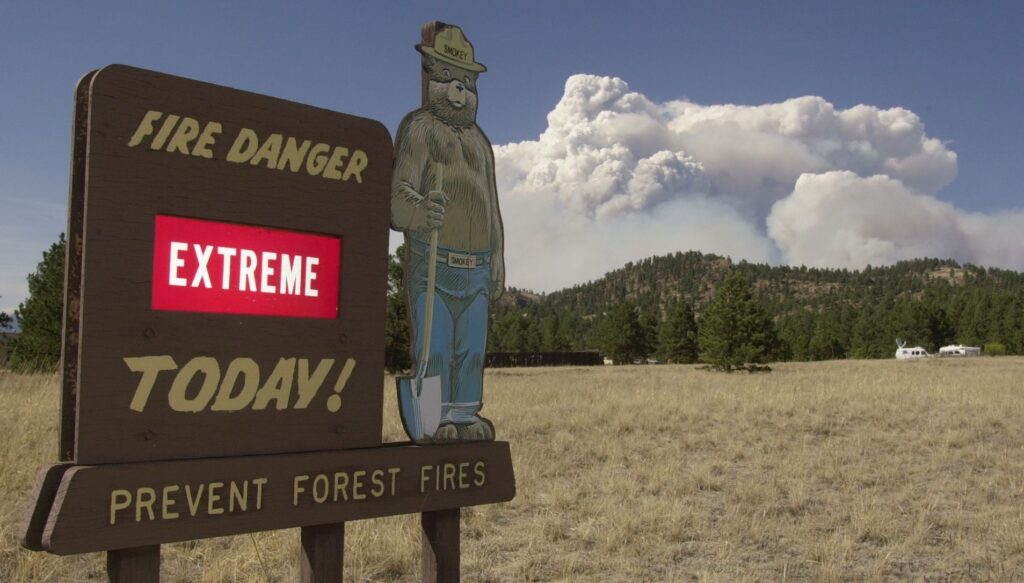
High winds, warm temperatures and dry conditions have meteorologists sounding the alarm across much of Colorado on Thursday. Here’s what you need to know. Red Flag Warning issued The National Weather Service in Boulder has issued a Red Flag Warning...
This winter was Colorado’s warmest on record
Matt Kyle
matt.kyle@denvergazette.com
Updated 3 hours ago
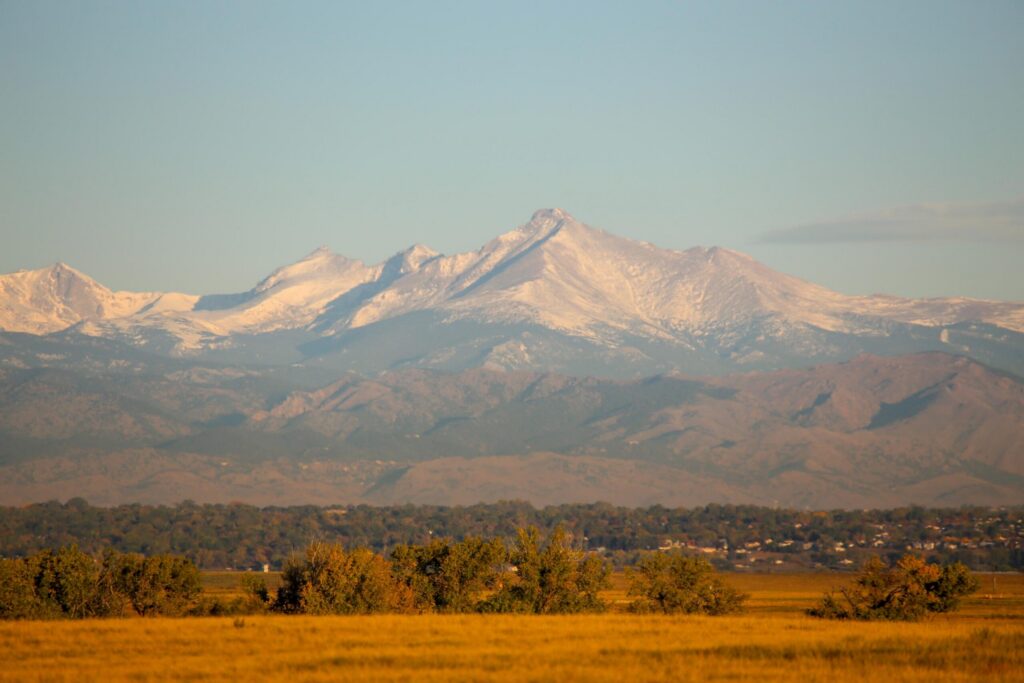
Colorado just had its warmest winter on record, while the Denver metro area had its second-warmest, according to meteorologists and National Weather Service data. Data show the average temperature between December and February was 33.6 degrees, nearly 2 degrees warmer...
Colorado auditor finds serious issues with labor agency’s unemployment insurance accounting
Marianne Goodland
marianne.goodland@coloradopolitics.com
Updated 5 hours ago
Colorado’s state auditors found serious issues with the accounting practices of the unemployment insurance division of the Department of Labor and Employment, concluding the agency underestimated and overestimated figures to the tune of billions of dollars. The auditors labeled the...
Colorado’s newest federal judge speaks about techniques for advancing cases
Michael Karlik
michael.karlik@coloradopolitics.com
Updated 20 hours ago
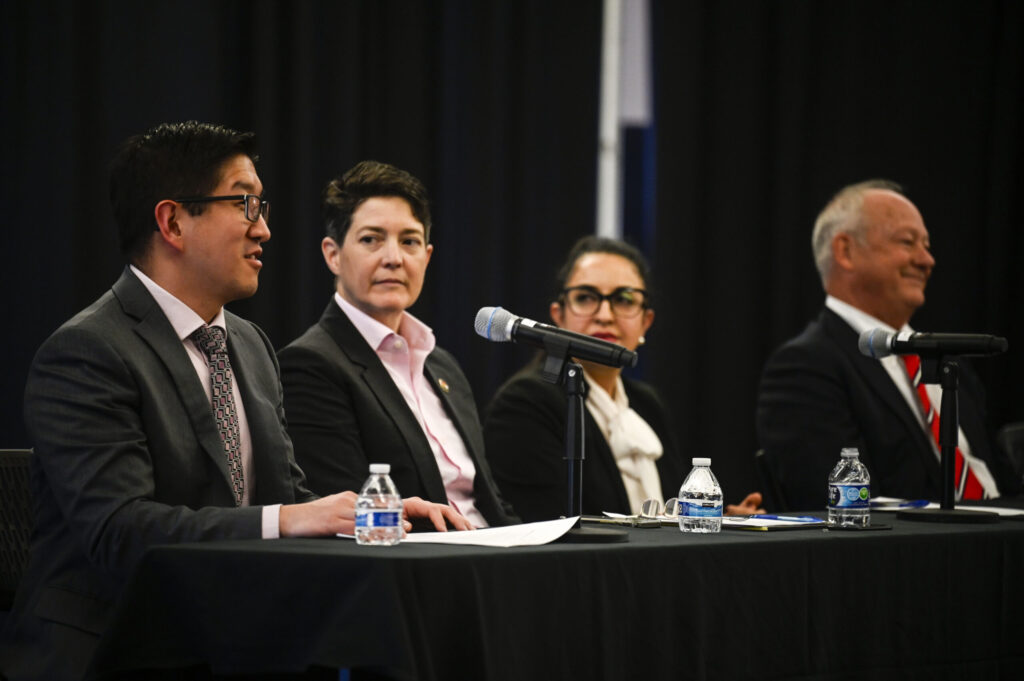
U.S. Magistrate Judge Cyrus Y. Chung described on Wednesday the various tactics he employs to resolve court cases, summing up his role with a laxative-based metaphor. “Someone told a group of us federal magistrate judges that magistrate judges are the...

Three cargo ships damaged by ‘projectiles’ in Strait of Hormuz
Brady Knox, Washington Examiner
brady.knox.washington.examiner@gazetteedit.wpenginepowered.com
Updated 1 day ago
Three cargo ships were damaged by unspecified “projectiles” while navigating the Strait of Hormuz, jeopardizing President Donald Trump’s goal of preserving the shipping lane’s safety. The strait was de facto closed the morning hostilities began on Feb. 28, with announcements...