

Hickenlooper addresses rhetoric over special session, says it should be simple, not partisan
Gov. John Hickenlooper Monday responded to criticism from Republican lawmakers and others about the special session he called last week to address a mistake made in the hospital provider fee law.
The measure, signed into law on May 30, is intended to spare hospitals from a greater than half-billion budget cut in 2017-18. The law also lowered the revenue cap under the Taxpayer’s Bill of Rights by $200 million, to account for removing the revenue from the provider fee program out of the TABOR revenue limit. Rural schools will receive a one-time boost in funding of about $30 million in 2017-18; small businesses will gain relief from business personal property taxes and another $1.8 billion will go to transportation.
Almost immediately after the bill was signed, grumblings about an error started to surface, dealing with the measure’s provision on marijuana taxes. Under the law, that $30 million for rural schools would be paid for by increasing the state’s taxes on recreational marijuana to the full 15 percent allowed by voters in 2013, and the state would no longer collect its 2.9 percent sales tax on retail marijuana.
Included in that 15 percent is a portion that goes to special districts, which are created to provide services that counties cannot, or to provide a service to multiple counties, such as the metro-Denver area Regional Transportation District (RTD) and the Scientific and Cultural Facilities District (SCFD).
But Senate Bill 17-267 didn’t include language that would ensure those special districts continue to receive their share of marijuana tax revenues. As a result, when the law went into effect, it bit those special districts right in the wallet.
RTD and SCFD are the largest, and most public, face of the error, but Hickenlooper said Monday that special districts all over Colorado have been affected.
Late last week the two Republican lawmakers who co-sponsored the bill told Colorado Politics they would not sponsor the fix. Senate President Pro-Tem Jerry Sonnenberg of Sterling said he would prefer lawmakers take up the issue when they come back for the 2018 session next January. Rep. Jon Becker of Fort Morgan said he would be a strong “no” on the fix unless the special session looked at more than just the fix. He suggested finding money for the state’s $9 billion wishlist of road and bridge projects, to be paid for with existing state dollars.
Hickenlooper Monday rejected the idea that a special session should look at transportation. That contrasts what he was thinking in May, when he raised the possibility of a special session that would look at transportation, rural broadband and even health care.
“We have a study group working on transportation right now,” the governor told media at a press conference at a meeting of the Western Governors Association in Denver. “I’m not sure [a solution] is ready, and I’m not sure Republicans agree on what they want to support. A special session should only be for surgical issues when you know what the outcome will be,” he said.
Hickenlooper put the blame for the error on the General Assembly and his own office. He said that lawmakers should be ready to correct it when the special session starts Oct. 2.
“The legislature – and it’s all of the legislature, Democrats and Republicans – let this mistake get turned into law,” as well as his own office, he said.
That mistake is now affecting special districts all over the state, including in Gunnison and Grand Junction, Hickenlooper said, “although Republicans are portraying this as a metro Denver problem.”
To those lawmakers, Hickenlooper said that he was raised that “if you’re part of an organization and make a mistake, or your team makes a mistake, you apologize and take responsibility for fixing the problem you created.”
The governor added that he was surprised by the partisan rhetoric over the fix.
“Why do we have to make everything into a partisan conflict?” he said. “Is that the new normal?”
Despite the rhetoric, the governor pledged to “work it out” with lawmakers.
And the lesson learned, as the governor sees it: Let’s do the hard bills first.
“What a concept!”


Greeley voters halt landmark development project
Hap Fry, Special to The Gazette
hap-fry@gazette.com
Updated 1 hour ago
GREELEY – The landscape-altering Cascadia development project has been put on ice, according to unofficial results of a city referendum on the project Tuesday. The proposed development would have included an 8,600-seat multiuse arena and ice center that would be home to the Colorado Eagles,...
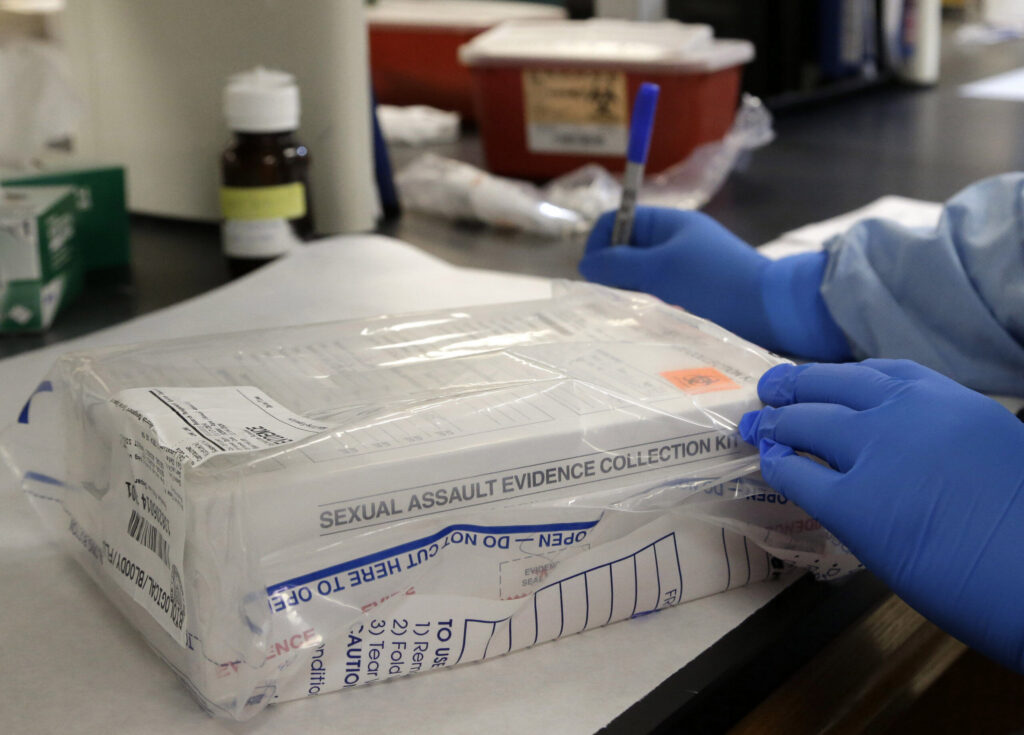
State audit: Rape kit backlog reduced but more work needed to hit goal
Jenny Deam
jenny-deam@coloradopolitics.com
Updated 2 hours ago
In the past year, the Colorado Bureau of Investigation has slashed the time it takes to process DNA collected in sexual assault cases, but the agency still is far short of its turnaround goal, the state auditor reported on Wednesday....
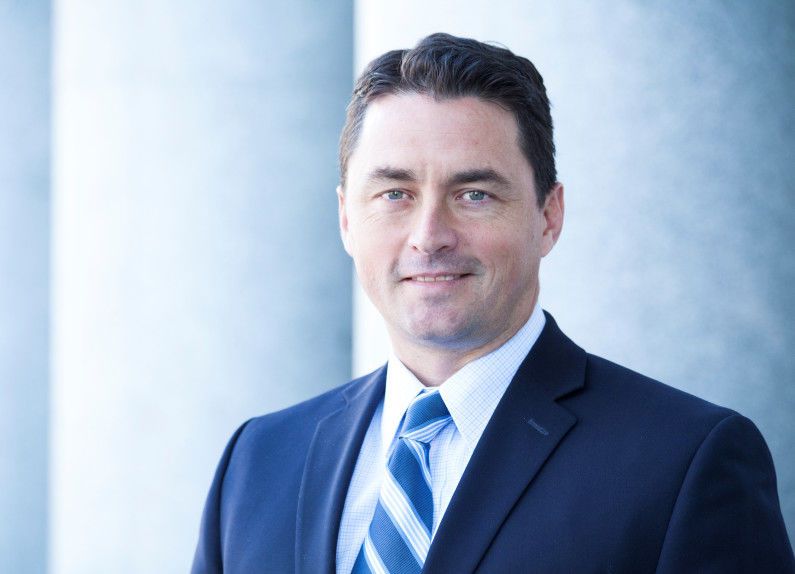
Daniel Domenico to take over as Colorado’s chief federal judge
Michael Karlik
michael.karlik@coloradopolitics.com
Updated 6 hours ago
Daniel D. Domenico will become the new chief judge of Colorado’s federal trial court next week, a role that encompasses the administration of the court as well as a judicial caseload. Under federal law, the chief judge of a U.S....
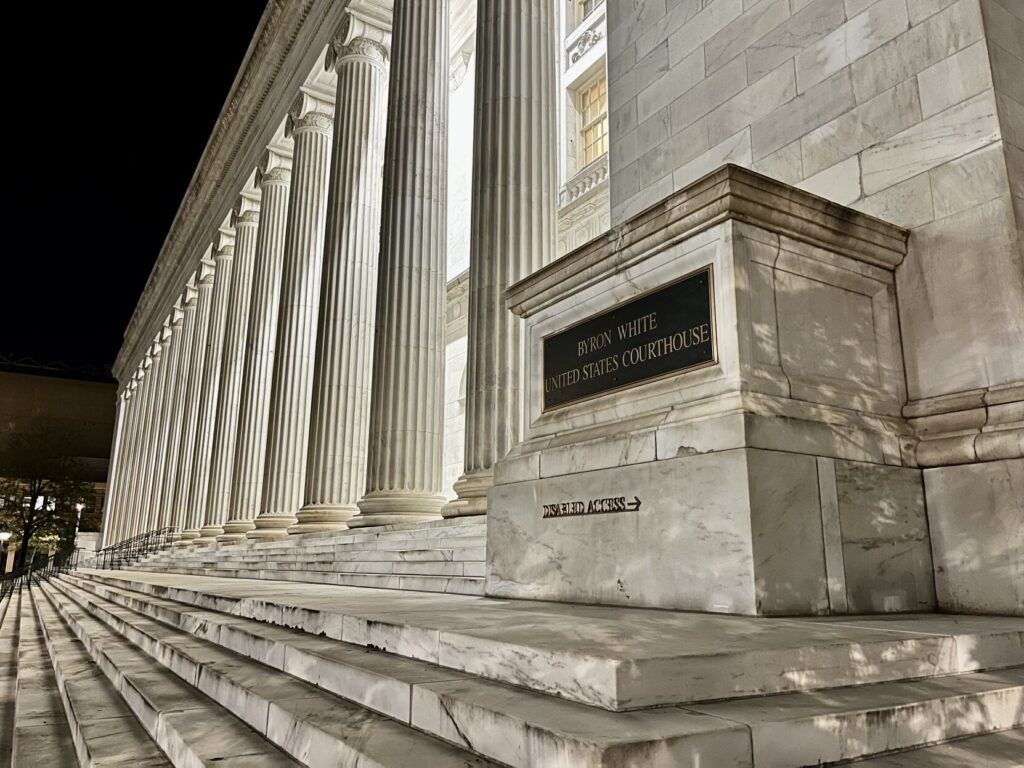
10th Circuit upholds violations, sanctions against Colorado Springs mental health hospital
Michael Karlik
michael.karlik@coloradopolitics.com
Updated 7 hours ago
The Denver-based federal appeals court agreed earlier this month that the government properly cited and penalized a Colorado Springs psychiatric hospital for failing to protect its staff from known risks posed by patients. The Occupational Safety and Health Administration inspected...
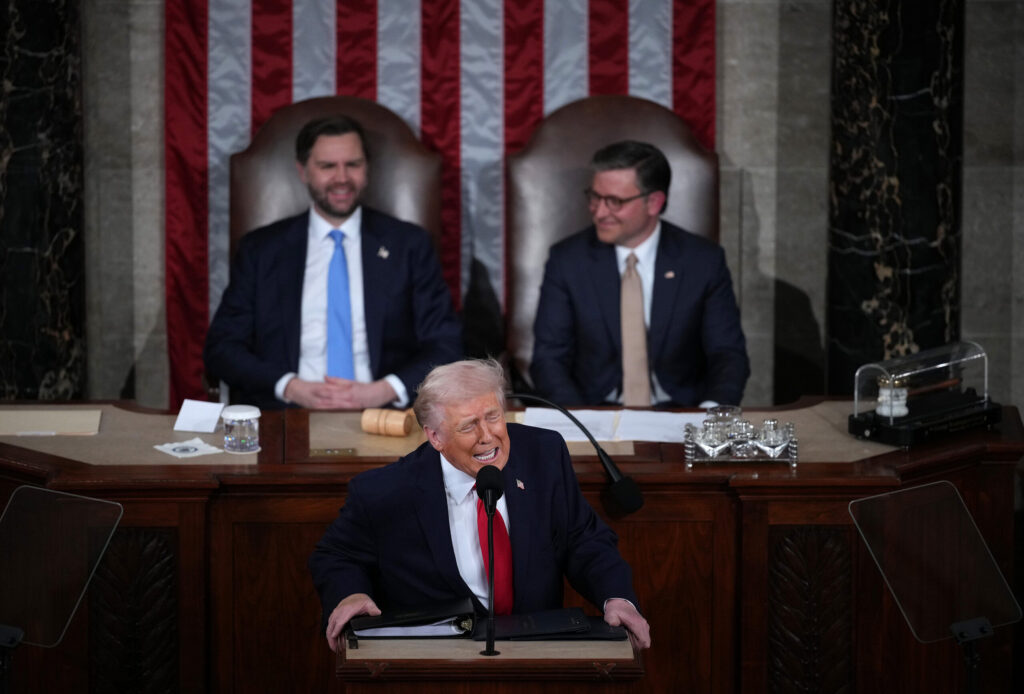
Vance working with DOJ and Treasury after Trump announces ‘war on fraud’
David Zimmermann Washington Examiner
davidzimmermannwashingtonexaminer@wpstage.coloradopolitics.com
Updated 7 hours ago
Vice President JD Vance confirmed on Wednesday that he is working with the Justice and Treasury Departments to root out fraud nationwide. During the State of the Union address Tuesday night, President Donald Trump announced Vance would lead the administration’s “war on...
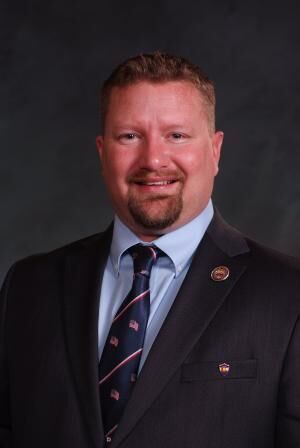
House Ethics Committee dismisses some claims, advances others against Rep. Ron Weinberg
Marianne Goodland
marianne.goodland@coloradopolitics.com
Updated 5 hours ago
The House Ethics Committee voted on Wednesday to accept three allegations filed against Rep. Ron Weinberg, R-Loveland, but combined two into one subject area. The two issues involve inappropriate comments made to female lawmakers in two separate incidents and the...
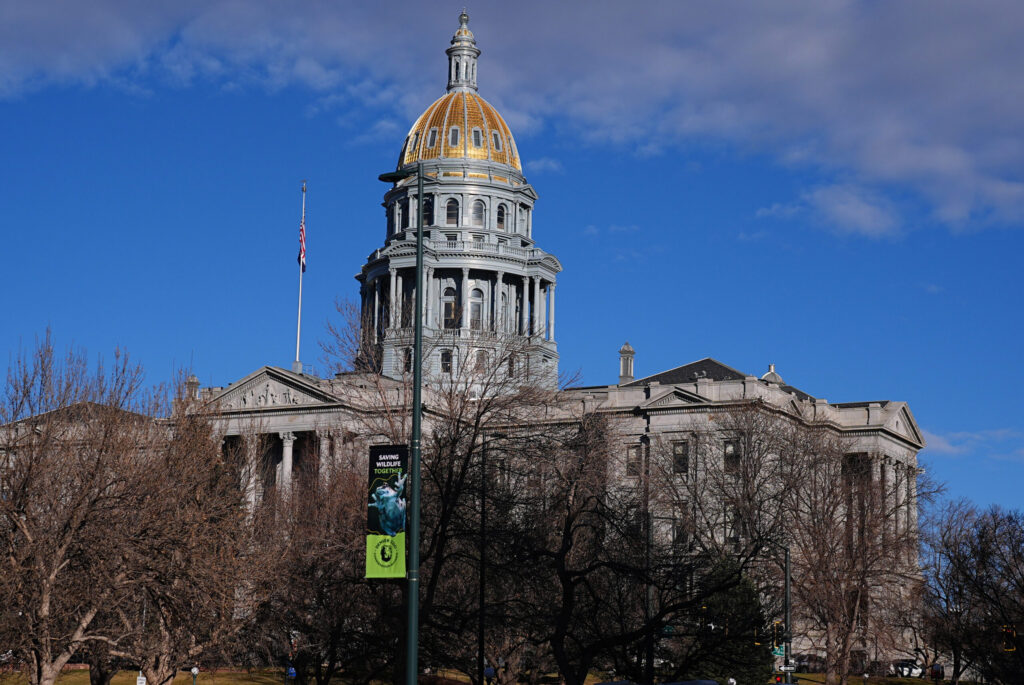
Bipartisan opposition sinks eviction bill in Colorado
Marissa Ventrelli
marissa.ventrelli@coloradopolitics.com
Updated 3 hours ago
Two Democrats sided with Republicans on a legislative panel to reject a proposal that would have made several changes to eviction filings and proceedings, including requiring judges to suppress court records. Sponsored by Rep. Junie Joseph, D-Boulder, House Bill 1047...
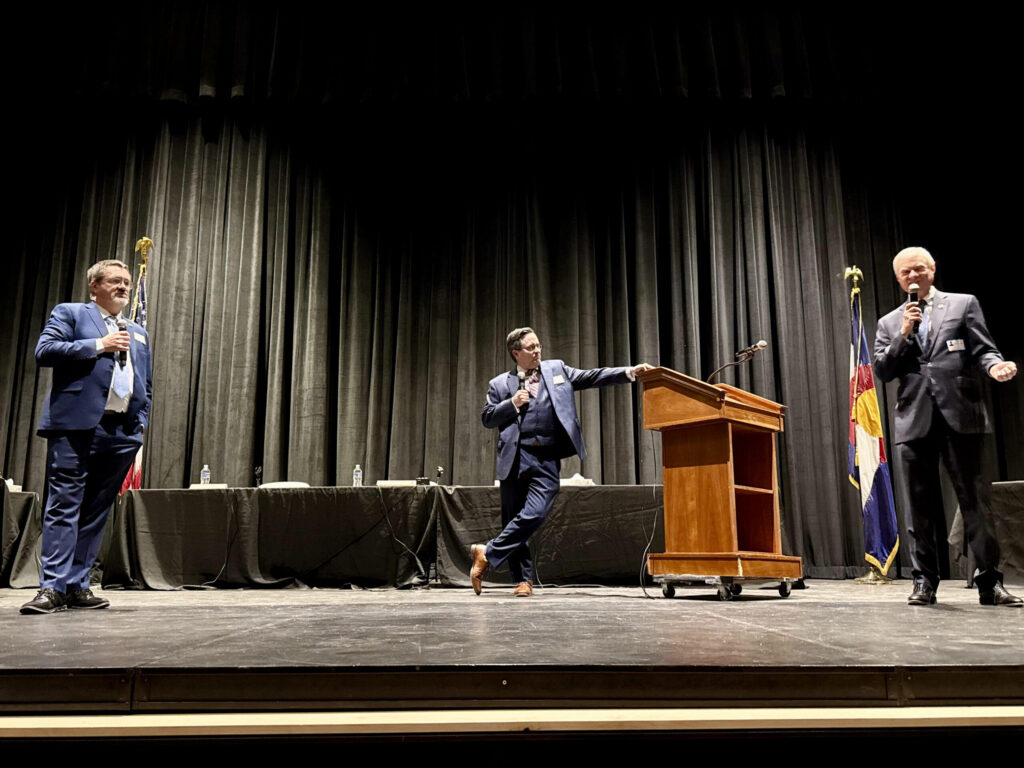
Appeals judges tell Boulder students about workload, ‘attack mode’ during school visit
Michael Karlik
michael.karlik@coloradopolitics.com
Updated 8 hours ago
Three judges on Colorado’s second-highest court traveled to Boulder on Tuesday to hear oral arguments in real cases and field questions from students about their professional paths, their workload on the Court of Appeals, and their approach to interacting with...
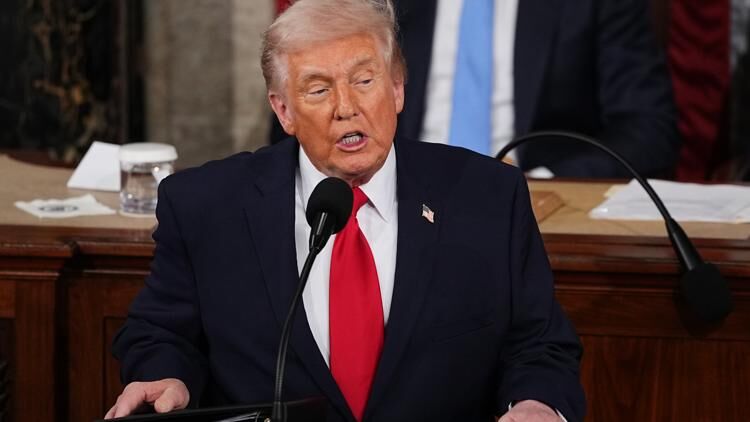
State of the Union: Here’s what Trump didn’t say
W. James Antle III Washington Examiner
wjamesantleiiiwashingtonexaminer@wpstage.coloradopolitics.com
Updated 9 hours ago
President Donald Trump made the case that happy days are here again in the first State of the Union of his second term, but there was little talk of transition or pain. “The state of our union is strong,” he...
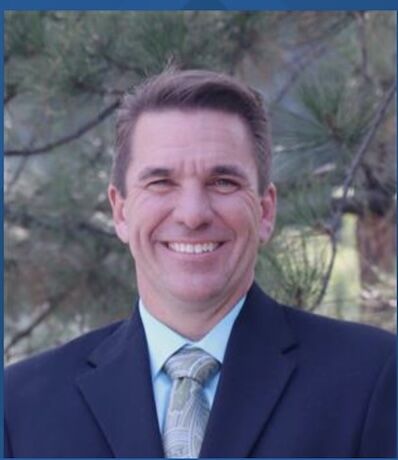
Ex-Cherry Creek superintendent must repay one month’s salary after abrupt resignation
Nico Brambila
nico.brambila@denvergazette.com
Updated 4 hours ago
Former Cherry Creek School District Superintendent Chris Smith must repay one month’s salary for failing to provide the board of education with three-month’s notice of his resignation, The Denver Gazette has learned. The board of education has not waived the...