

Pot advertising bill clears committee
A bill creating a new misdemeanor offense for the illegal sale of marijuana through advertising in print or online passed its first legislative test Wednesday, Jan. 18.
The state Senate Judiciary Committee approved Senate Bill 17-015, sponsored by Sen. Irene Aguilar, D-Denver, for consideration by the full Senate. The House sponsor is Rep. Dan Pabon, D-Denver.
The bill, recommended by the interim Cost-Benefit Analysis of Legalized Marijuana in Colorado Committee, creates a level 2 drug misdemeanor for attempting to sell marijuana or marijuana concentrate by advertising in print or online. The penalty is up to 12 months in jail, a $50 to $750 fine, or both. The offense does not apply to a primary caregiver who advertises his or her services to prospective patients.
Testimony was in favor of Aguilar’s measure. Alicia Haywood in the Prevention Services Division of the Colorado Department of Public Health and Environment said unlicensed sellers that use online outlets like Craigslist do not check the ages of the people they sell marijuana to, and often sell to people outside Colorado. And Haywood noted up to 90 percent of underage youths who get marijuana buy it from such “grey market” sellers.
“Limiting underage exposure to these types of ads is needed to reduce the use of marijuana by minors,” Haywood added.
“This bill creates a new misdemeanor offense with jail and a fine for a first offense,” said Kerry Thompson with the Colorado Criminal Defense Bar, “but it is a significant step as our laws on marijuana change.”
Ron Kammerzell, senior enforcement director for the Colorado Department of Revenue, said the advertising restrictions in the bill are similar to those placed on cigarette advertising and apply to recreational and medical marijuana. He pointed out that of 309 such ads recently reviewed on craigslist, around 200 were offered for sale by unlicensed sellers.
“One of those claimed to be from a dispensary in Detroit,” Michigan, Kammerzell added. “And a lot of these sellers ask for donations” instead of an asking price.
He noted the state Medical Enforcement Division believes most of these ads are placed by sellers in the “grey” and black markets, inside and outside of Colorado.
“They’ll list area codes outside Colorado but can actually be inside the state,” Kammerzell said, “so sting operations are usually the best way to catch them.”
Kara Miller, a founding organizer and government affairs director of the Marijuana Industry Group, said the bill would help keep the industry operating within the federal guidelines of what is known as the “Cole memo.” That U.S Department of Justice document, written by Deputy Attorney General James Cole, guides federal authorities in their approach to states that have legalized marijuana.
Arnold Hanuman, staff attorney for the Colorado District Attorneys Council, said that group has no official position on the bill but was concerned about the wording applied to the mental state of mind of the person placing the ad, and whether they “knowingly” knew they were breaking the law by placing the ad as an unlicensed seller.
Committee Chairman Bob Gardner, R-Colorado Springs, said he didn’t think the wording needed to be changed.
“Don’t they know that what they’re advertising is illegal?” he asked. “I think we should impose the duty on them to know. I think we could prohibit all forms of advertising since it’s still federally illegal. Or we could restrict it to a very, very limited area and I’m happy to see this bill does that.”
Not a big revenue producer
The fiscal note prepared for the bill noted that under current law, it is a level 1 drug misdemeanor to dispense, sell, distribute or possess less than four ounces of marijuana or less than two ounces of marijuana concentrate. The penalty is 6 to 18 months in jail, a $500 to $5,000 fine, or both.
Anyone who places an advertisement in any publication with the intent to promote the sale of drug paraphernalia commits a level 2 drug misdemeanor. That penalty is up to 12 months in jail, a $50 to $750 fine, or both. In the last three fiscal years, there have been no convictions for either of these two crimes.
Beginning this fiscal year, the bill may increase state cash fund revenue by a small amount, according to the fiscal note. The note assumes most of these cases are being charged under current law, likely as more serious offenses related to the unlawful possession or sale of marijuana.
Revenue would increase should any offenders be sentenced to probation – now a $50 fee. Since courts can impose incarceration, a fine, or both, the precise impact to state revenue cannot be determined, according to the note.
The bill may increase workload in the public safety, revenue, and judicial departments, along with revenue and costs to local governments.
If approved by the Legislature and signed by the governor, the bill will take effect Sept. 1, assuming no referendum petition is filed.

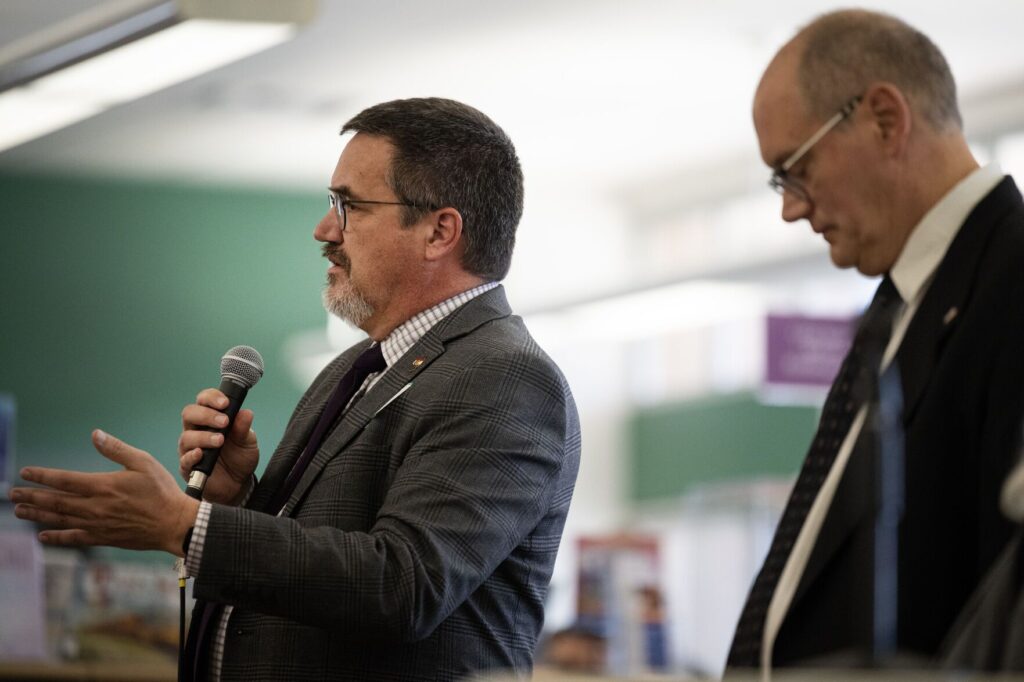
Appeals court shuts down path to challenge convictions if lawyer tells jury that defendant is guilty
Michael Karlik
michael.karlik@coloradopolitics.com
Updated 55 minutes ago
Colorado’s second-highest court concluded on Wednesday that defendants cannot challenge whether the evidence was sufficient to sustain their convictions if their lawyer argues to the jury that it should find the defendant guilty. The U.S. Supreme Court has provided guidance...
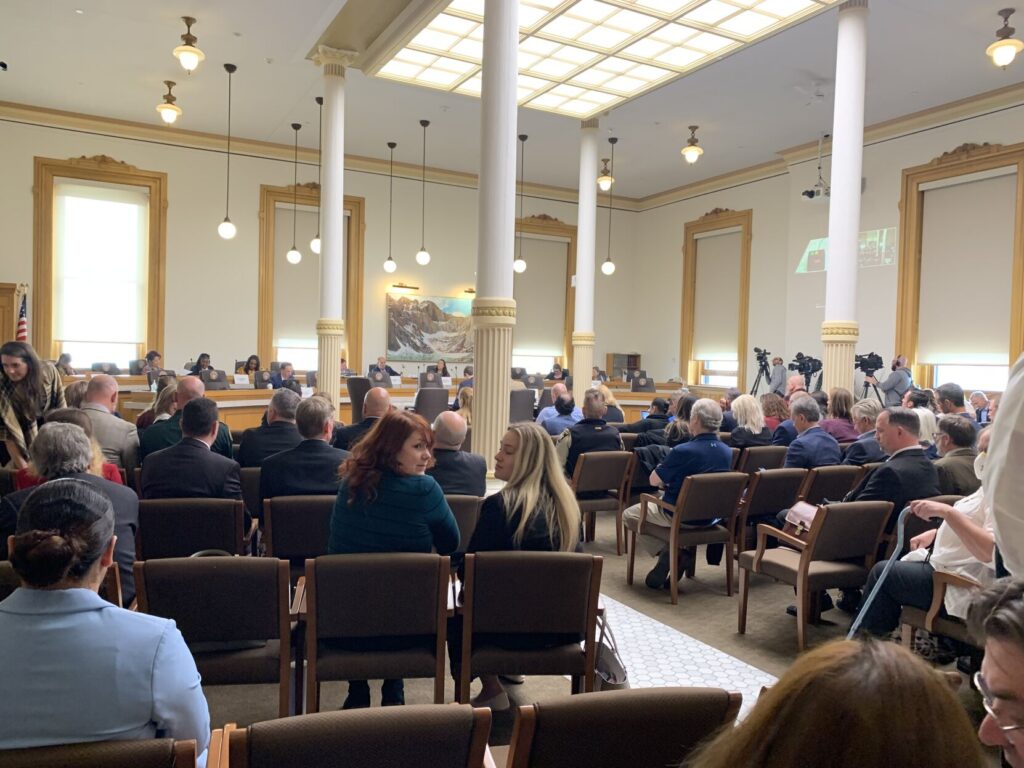
Colorado legislature votes to make committee hearing livestreams permanent
Marianne Goodland
marianne.goodland@coloradopolitics.com
Updated 57 minutes ago
The executive committee of the legislative council — the six top leaders of the House and Senate — voted 5-1 Wednesday to make permanent the video livestreaming of committee hearings, starting in the 2026 legislative session, which begins Jan. 14....
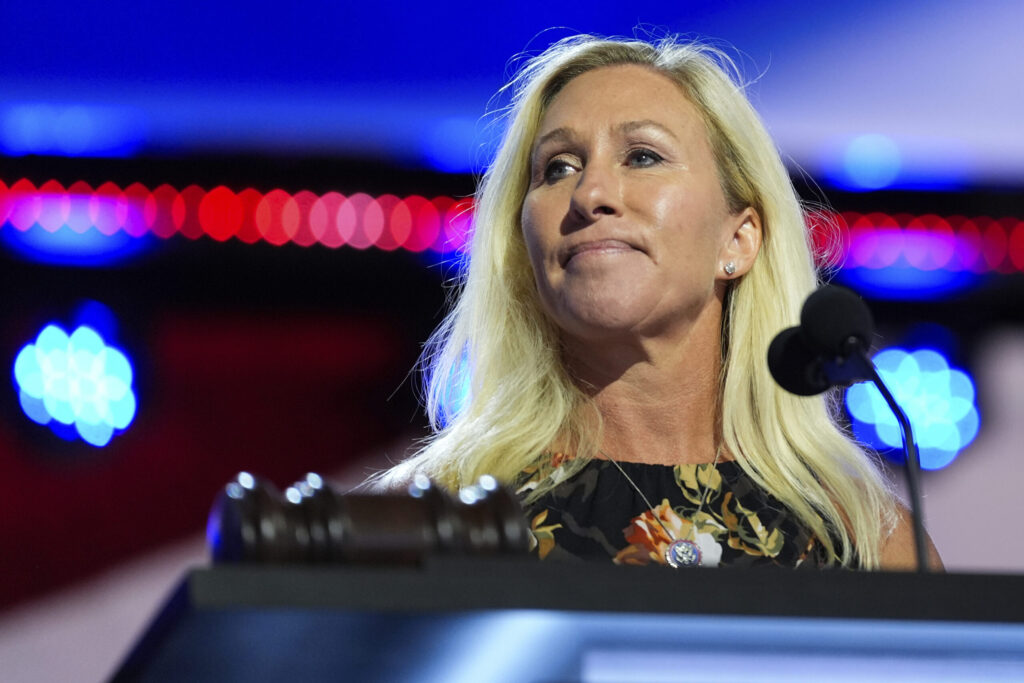
Here’s where House retirements stand as clock strikes midnight on 2025
Rachel Schilke, Washington Examiner
rachel.schilke.washington.examiner@gazetteedit.wpenginepowered.com
Updated 22 hours ago
The House will return on Jan. 6, and with it, some 10% of lawmakers will start their final year in the lower chamber, either retiring or seeking higher office in the 2026 midterm elections. The lower chamber will get its...

Colorado senator, local officials push for new Colorado Springs federal courthouse
Michael Karlik
michael.karlik@coloradopolitics.com
Updated 22 hours ago
Local officials and one of Colorado’s U.S. senators urged the judiciary earlier this year to explore placing a new federal courthouse and judge’s chambers in Colorado Springs, while the district court is cautioning that Congress must establish new judgeships before...
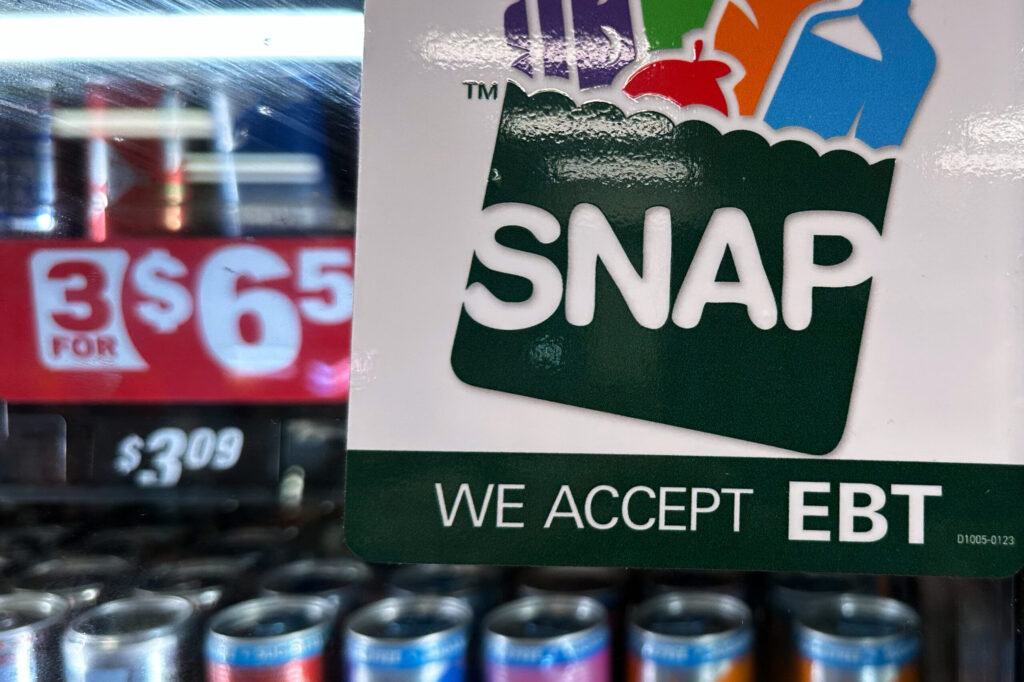
SNAP recipients in five states will be banned from using assistance for candy and soda, beginning 2026
David Zimmermann Washington Examiner
davidzimmermannwashingtonexaminer@wpstage.coloradopolitics.com
Updated 22 hours ago
More than 1.4 million recipients of the Supplemental Nutrition Assistance Program across five states will be banned from using federal food assistance for candy and soda purchases, starting Thursday. Indiana, Iowa, Nebraska, Utah, and West Virginia are the first group...

Trump’s first year back in office: Four successes and four failures
NAOMI LIM Washington Examiner
naomi-lim-washington-examiner@coloradopolitics.com
Updated 21 hours ago
President Donald Trump is closing a seismic year as the country’s commander in chief. Since the first day of his second administration, when he issued 26 executive orders, 12 presidential memos, and four proclamations, the most first-day actions of any...
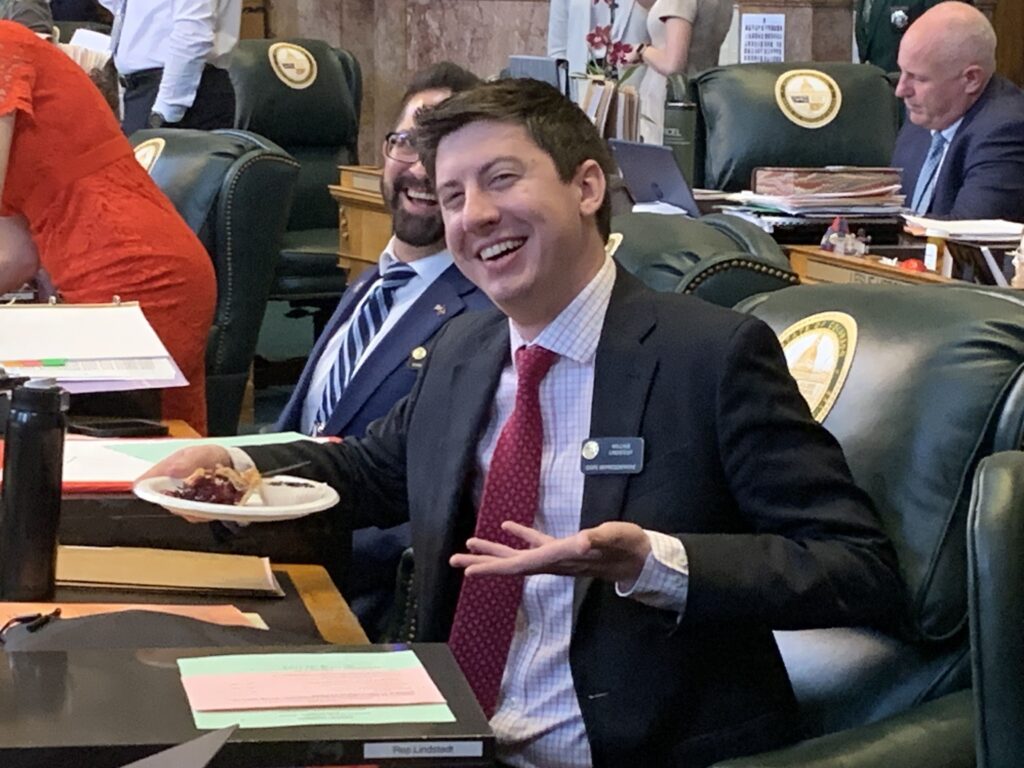
Gov. Polis appoints Lindstedt to Colorado Senate District 25 after vacancy committee misses deadline
Marianne Goodland
marianne.goodland@coloradopolitics.com
Updated 19 hours ago
Despite a similar vote by a Senate District 25 vacancy committee last week, it was up to Gov. Jared Polis on Tuesday to make sure the Senate seat was filled and ready for the 2026 session. That’s because the vacancy...
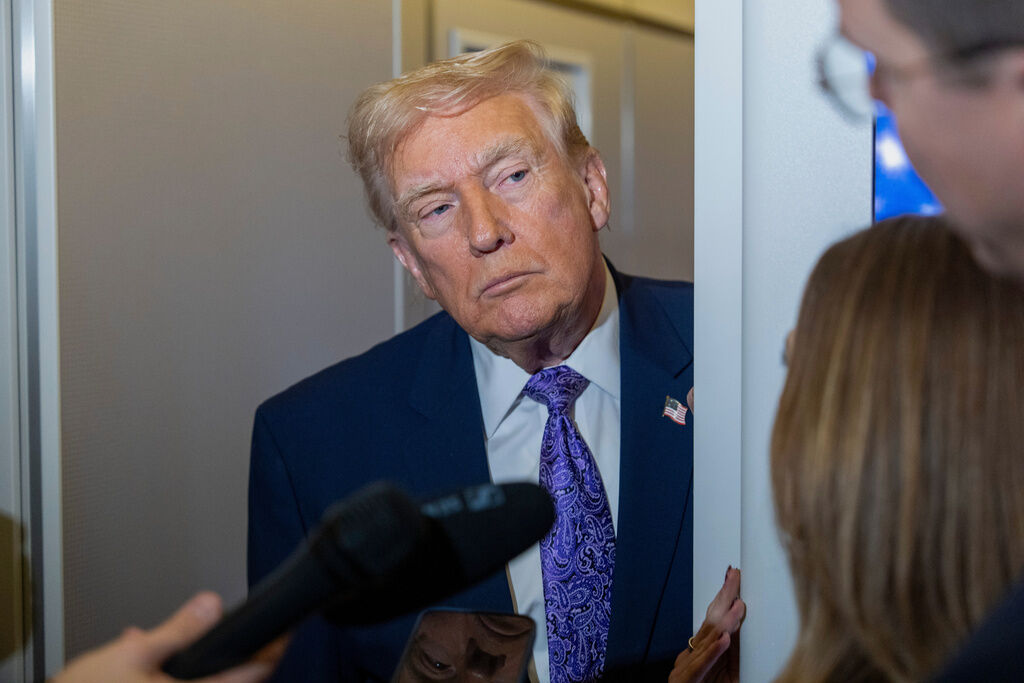
‘Rot in hell’: Trump post reignites feud with Colorado Gov. Jared Polis over Tina Peters
Thelma Grimes
thelma.grimes@coloradopolitics.com
Updated 20 hours ago
Heading into the New Year, President Donald Trump said he would like Gov. Jared Polis and others in Colorado to “rot in hell.” The object of the president’s ire is Tina Peters, the former Mesa County clerk convicted of state...
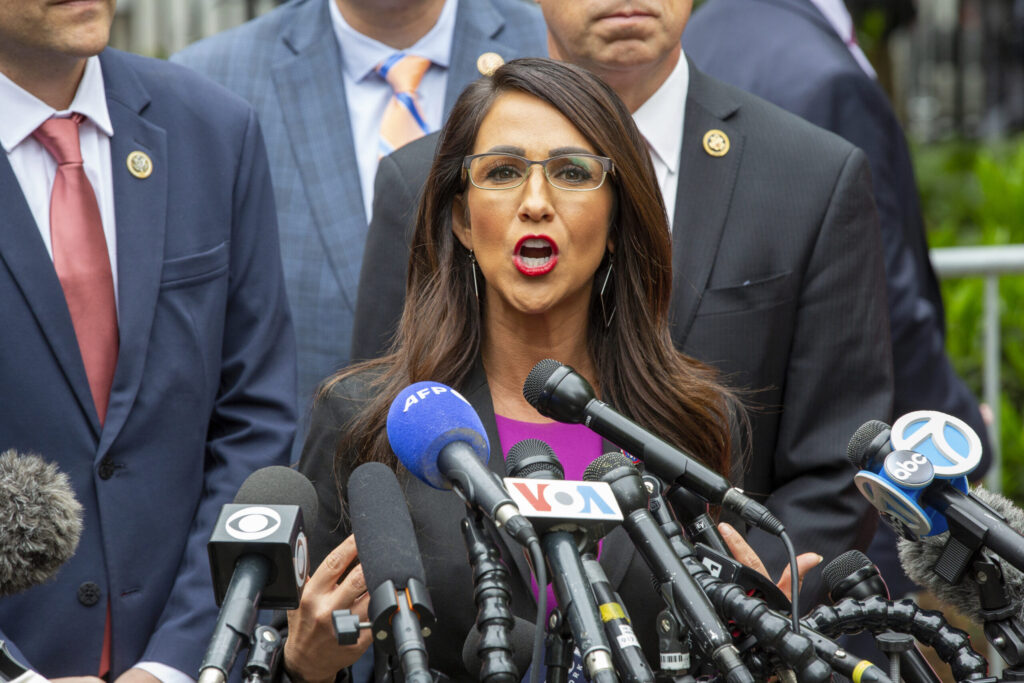
US Rep. Lauren Boebert calls for override vote after Trump vetoes bipartisan Colorado water bill
Marianne Goodland
marianne.goodland@coloradopolitics.com
Updated 20 hours ago
President Donald Trump issued the first veto of his second term Tuesday, blocking a long-awaited bipartisan effort to finish a southeastern Colorado water project that supporters say is critical to delivering clean drinking water to roughly 50,000 residents of the...

From Pope Francis to Charlie Kirk, many deaths in 2025 had a wide impact
Bernard Mcghee
bernard.mcghee@associatedpress.com
Updated 1 day ago
The death of Pope Francis brought change to the Catholic Church, which counts 1.4 billion adherents and is now led — for the first time — by an American pope. The fatal shooting of conservative activist Charlie Kirk as he...