

New Colorado poll has Clinton, Trump knotted; Bennet maintains a lead
Donald Trump and Hillary Clinton are virtually deadlocked in Colorado, according to polling released Wednesday by the Crossley Center for Public Opinion Research at the University of Denver.
Clinton clings to a 1-point lead, 42 to 41 percentage points, in a two-candidate question, but they are tied at 39 when Libertarian Gary Johnson and Green Party candidate Jill Stein are added in.
Clinton has held double-digit leads in Colorado in recent weeks, and nationally, as of Monday, she had an average lead of 1.7 percent in major polls, according to RealClear Politics.
In Colorado on Monday, she had an average lead of 3 percentage points in major polls.
The latest poll gave incumbent Democrat Michael Bennet a lead of 48 percent to 41 percent over Republican challenger Darryl Glenn in Colorado’s U.S. Senate race.
The University of Denver poll talked to 55O likely voters, using cell phones and land lines, Saturday through Monday. The margin of error is plus or minus 4.2 percent.
“The election had been going along very well for Clinton until the [FBI Director Jim] Comey letter,” said Floyd Ciruli, director of Crossley Center for Public Opinion Research. “And ever since then, she’s been on the defensive – that may be showing up in the numbers.”
The poll indicated 67 percent of likely voters opposed Amendment 69 to create the first U.S. universal health-care program called ColoradoCare, with 25 percent in support.
On Amendment 70 to raise the minimum wage incrementally from $8.31 an hour to $12 an hour by 2020, 54 percent were in favor and 41 against.
On Proposition 106 to allow terminally ill people to obtain medical aid in dying, 62 percent were in favor and 32 percent were against.
On Amendment 71, to make it more difficult to amend the state constitution at the ballot, 53 percent were in favor and 34 percent were against.
Voters for and against were split at 48 percent on raising the state cigarette tax to fund health programs through Amendment 72.
Sixty-two percent favored switching to a state presidential primary, as proposed in Proposition 107, and 31 percent were against.
Fifty percent were in favor of Proposition 108 to allow unaffiliated voters to participate in party primaries and 40 percent were against.

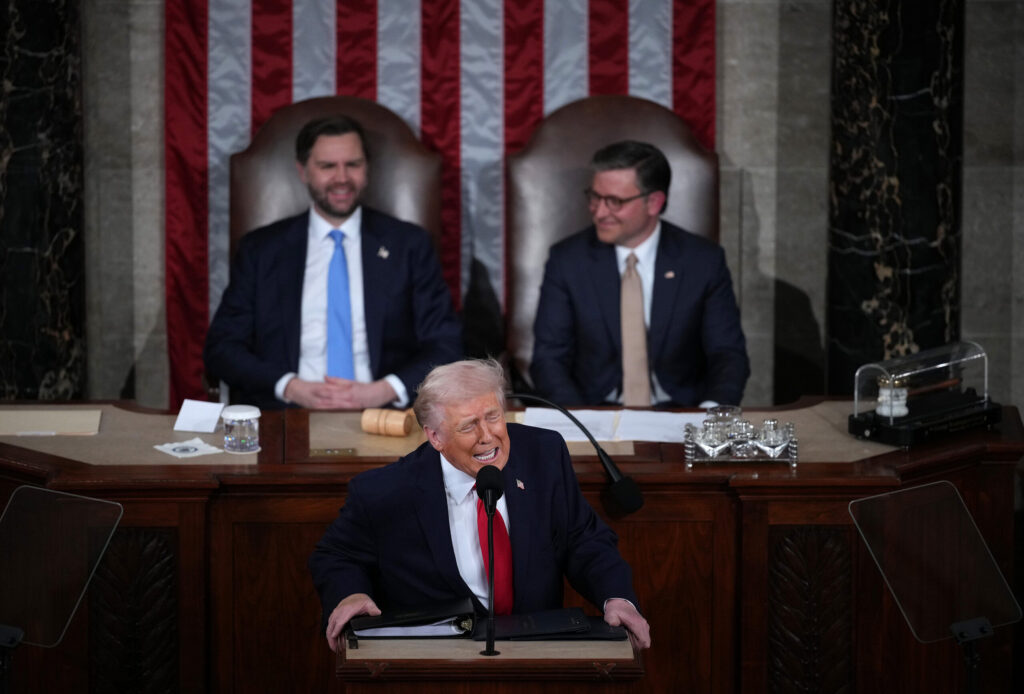
Vance working with DOJ and Treasury after Trump announces ‘war on fraud’
David Zimmermann Washington Examiner
davidzimmermannwashingtonexaminer@wpstage.coloradopolitics.com
Updated 26 minutes ago
Vice President JD Vance confirmed on Wednesday that he is working with the Justice and Treasury Departments to root out fraud nationwide. During the State of the Union address Tuesday night, President Donald Trump announced Vance would lead the administration’s “war on...
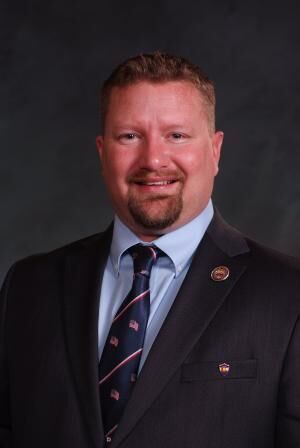
House Ethics Committee dismisses some claims, advances others against Rep. Ron Weinberg
Marianne Goodland
marianne.goodland@coloradopolitics.com
Updated 57 minutes ago
The House Ethics Committee voted on Wednesday to accept three allegations filed against Rep. Ron Weinberg, R-Loveland, but combined two into one subject area. The two issues involve inappropriate comments made to female lawmakers in two separate incidents and the...
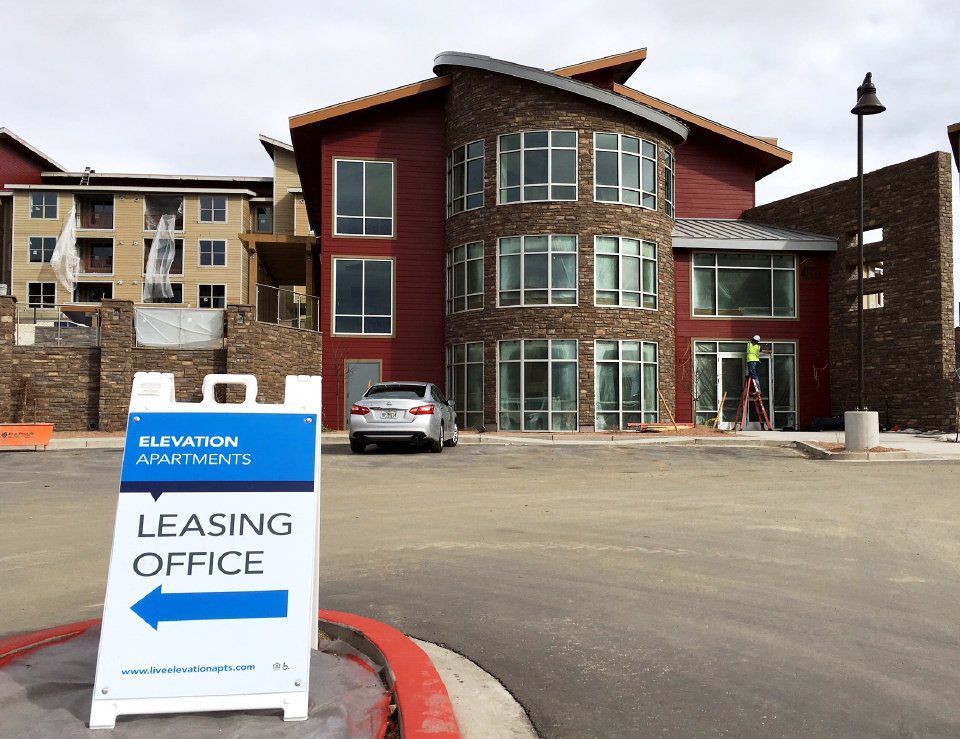
Bipartisan opposition sinks eviction reform bill in Colorado House committee
Marissa Ventrelli
marissa.ventrelli@coloradopolitics.com
Updated 2 hours ago
Two Democrats sided with Republicans on the House Judiciary Committee to kill a bill that would have made several changes to eviction filings and proceedings, including requiring judges to suppress court records. Sponsored by Rep. Junie Joseph, D-Boulder, House Bill...
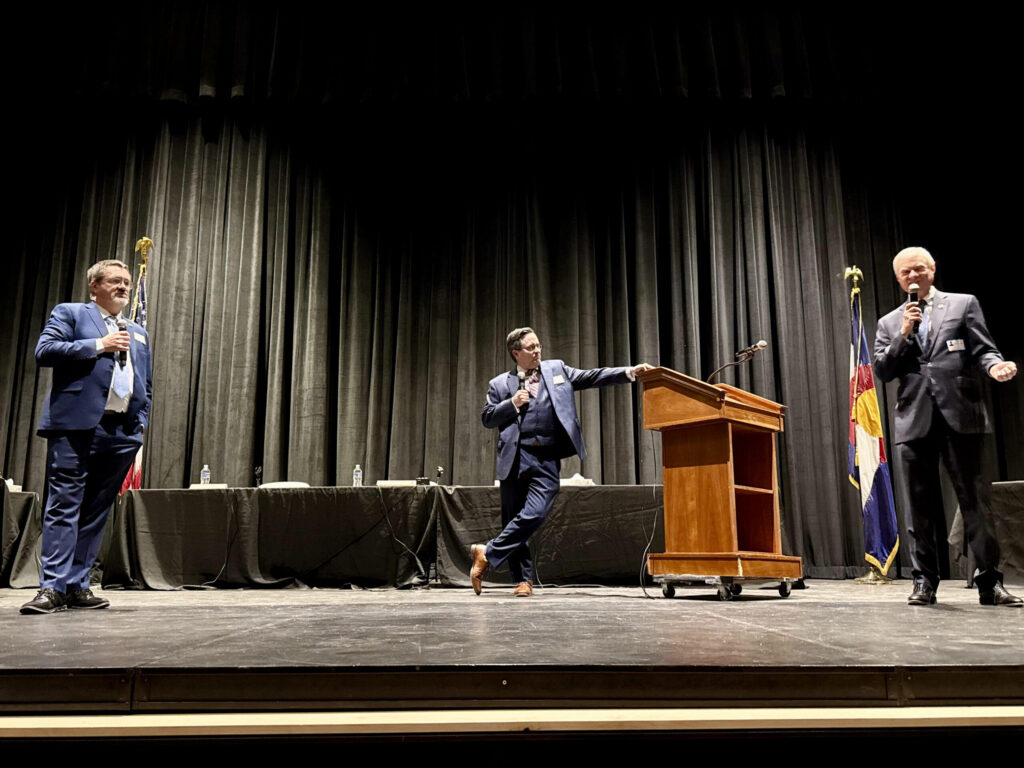
Appeals judges tell Boulder students about workload, ‘attack mode’ during school visit
Michael Karlik
michael.karlik@coloradopolitics.com
Updated 1 hour ago
Three judges on Colorado’s second-highest court traveled to Boulder on Tuesday to hear oral arguments in real cases and field questions from students about their professional paths, their workload on the Court of Appeals, and their approach to interacting with...
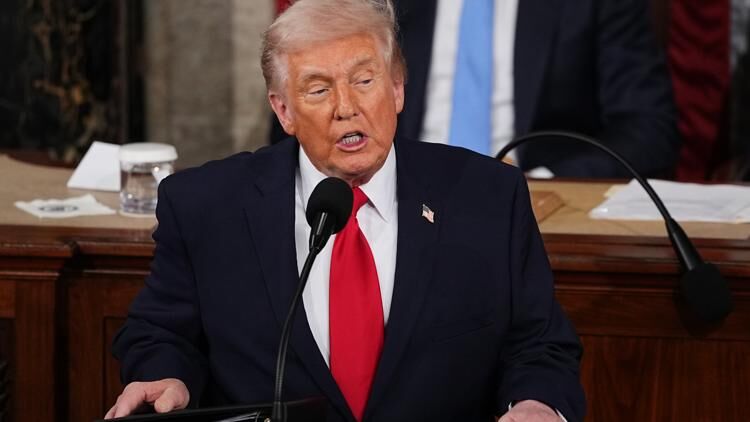
State of the Union: Here’s what Trump didn’t say
W. James Antle III Washington Examiner
wjamesantleiiiwashingtonexaminer@wpstage.coloradopolitics.com
Updated 2 hours ago
President Donald Trump made the case that happy days are here again in the first State of the Union of his second term, but there was little talk of transition or pain. “The state of our union is strong,” he...

Greeley voters halt landmark development project
Hap Fry, Special to The Gazette
hap-fry@gazette.com
Updated 3 hours ago
GREELEY – The landscape-altering Cascadia development project has been put on ice, according to unofficial results of a city referendum on the project Tuesday. The proposed Cascadia amenities included an 8,600-seat multiuse arena and ice center that would be the...
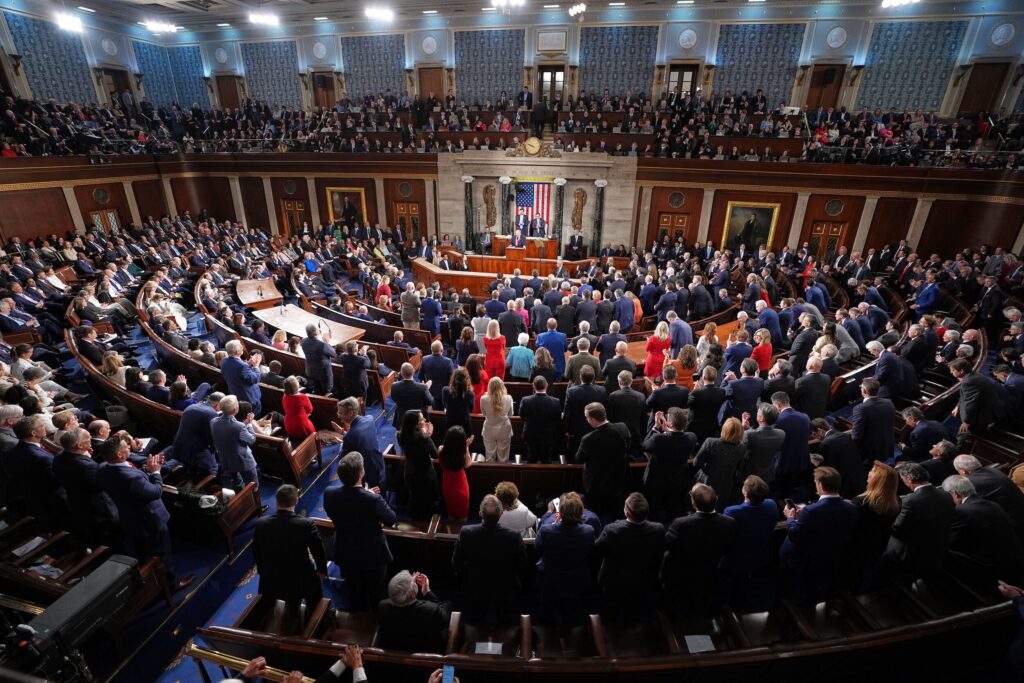
Colorado lawmakers react along partisan lines to Donald Trump’s State of the Union address
Ernest Luning
ernest.luning@coloradopolitics.com
Updated 9 hours ago
President Donald Trump could have been describing two different countries in Tuesday’s State of the Union address — one entering a “Golden Age” and the other enduring daily stress under a “lawless” regime — at least as far as the...
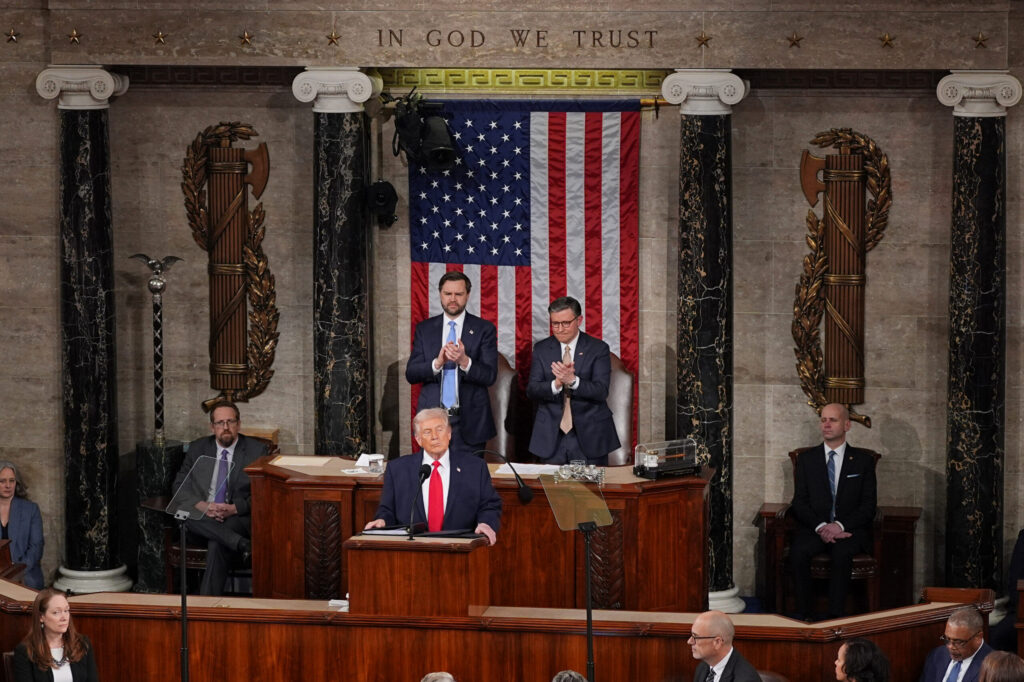
‘We’re winning so much.’ Trump delivers State of the Union address
Michelle L. Price
michelle.l..price@associatedpress.com
Updated 17 hours ago
WASHINGTON • President Donald Trump said America has been “winning so much” during Tuesday’s State of the Union, touting a jobs and manufacturing boom at home and promising a “Golden Age” as the U.S. prepares to celebrate the 250th anniversary of its...
10th Circuit upholds violations, sanctions against Colorado Springs psych hospital
Michael Karlik
michael.karlik@coloradopolitics.com
Updated 20 hours ago
The Denver-based federal appeals court agreed earlier this month that the government properly cited and penalized a Colorado Springs psychiatric hospital for failing to protect its staff from known risks posed by patients. The Occupational Safety and Health Administration inspected...
Watch Live: 2026 State of the Union Address
Will Weissert
will.weissert@associatedpress.com
Updated 20 hours ago
WASHINGTON (AP) — President Donald Trump will use Tuesday’s State of the Union address to champion his immigration crackdowns, his slashing of the federal government, his push to preserve widespread tariffs that the Supreme Court just struck down and his...