

Descendants of Utah massacre victims see likely gravesites
Nearly 160 years after the massacre of a wagon train in southern Utah, the pioneers’ descendants got their first glimpse of what is believed to be their gravesites.
Descendants of the Mountain Meadows Massacre victims gathered Saturday about 35 miles southwest of Cedar City to look at piles of rocks. Those rocks could likely be where their relatives were laid to rest, according to a California archaeologist.
In August 2014, Everett Bassett found what appeared to be two gravesites on a rancher’s land.
Bassett was back there again to lead the descendants, some of whom came from across the country, around the sites. The rocks piled in both places have lichen that is around 120 years old, Bassett said. They also look like they were built in a way that members of the military would have done.
“This is exactly what you would expect if an Army lieutenant told them what to do, but then they sent two different work groups to do it,” Bassett told The Spectrum of St. George.
The Baker-Fancher wagon train from Arkansas was heading to California when it stopped in the meadows on Sept. 11, 1857. That is when a Mormon militia shot and killed 120 men, women and children. In an article about the massacre on the Church of Jesus Christ of Latter-day Saints’ website, a historian says the wagon train was attacked during a period of high tensions between the U.S. government and Mormon settlers. The article denounces the massacre as a “terrible episode.”
Seventeen young children survived and were taken into Mormon homes. The children were later returned to relatives in the southeast.
The site was dedicated as a national historic landmark in 2011.
Shannon Novak, a professor at Syracuse University, studied the bones of the victims that where discovered in 1999. She said it may be hard to prove Bassett’s conclusions, but he has made a solid argument for the sites being the actual graves.
“There’s so much still to learn,” Novak said. “That’s what it really teaches us is that history is never finished, especially this case, it keeps unfolding.”
Several of the descendants said even knowing there are possible graves brings some closure. Scott Francher, who is related to at least 23 of the victims, said he would like the two potential gravesites to also be designated as national landmarks.
“The massacre itself was one of the most sort of important footnotes of our contribution to America’s westward expansion,” Fancher said. “And this is an incredibly significant historical event, and so as a descendant, I’m proud of the progress we’ve made.”

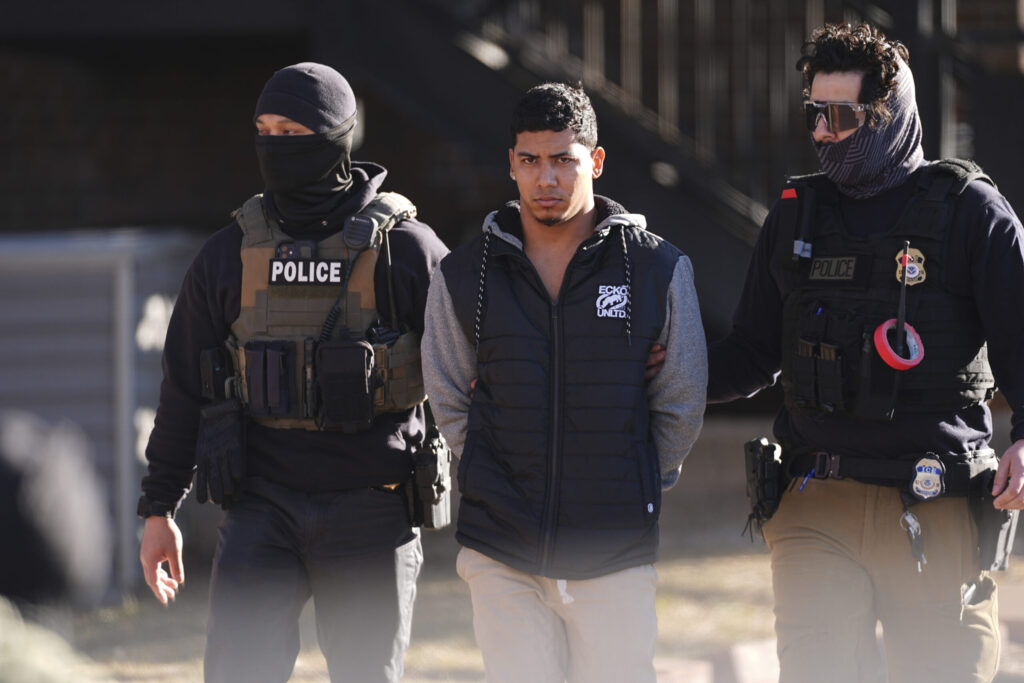
Denver police chief on mask ban, mayor’s orders: ‘What enforcement looks like, I’m not exactly sure’
Deborah Grigsby
deborah.smith@denvergazette.com
Updated 41 minutes ago
Denver bans wearing of face masks by law enforcers, use of city property to stage immigration operations As Denver takes steps to restrict federal agents conducting immigration enforcement in the Mile High City, its police chief said he is unclear...
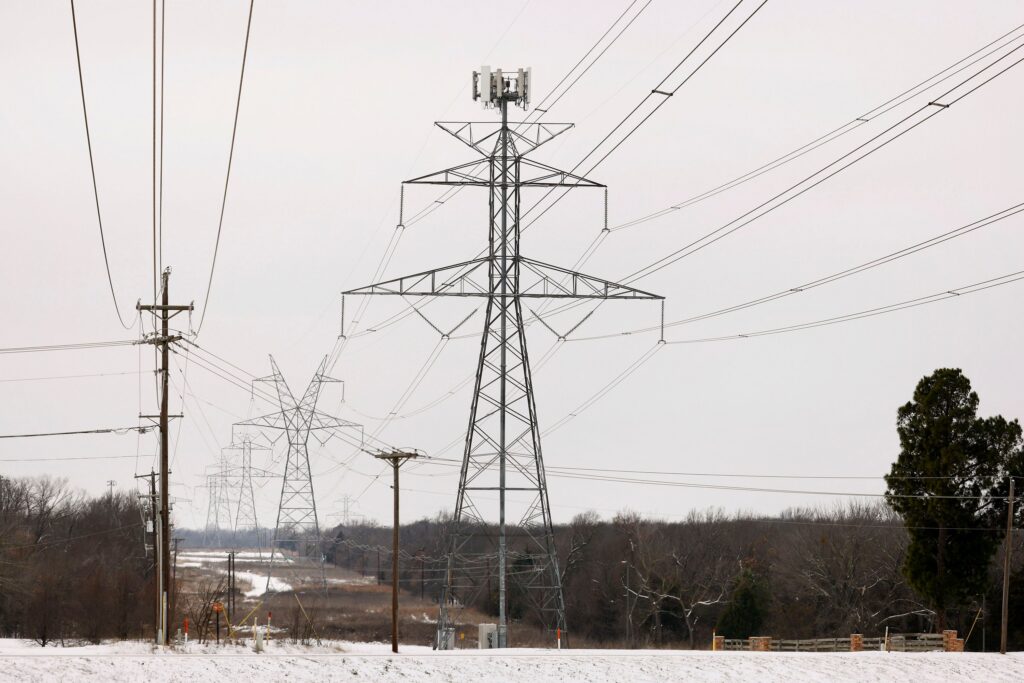
Colorado lawmakers move to curb eminent domain powers after Xcel dispute
Marissa Ventrelli
marissa.ventrelli@coloradopolitics.com
Updated 6 hours ago
After months of backlash over Xcel Energy’s use of eminent domain in eastern Colorado, lawmakers representing Elbert and El Paso counties are advancing legislation that would bar utilities from initiating property takings until they’ve secured state approval and all required...

As parents claim some AI chatbots encourage teen suicide, Colorado legislators eye regulation
Marissa Ventrelli
marissa.ventrelli@coloradopolitics.com
Updated 3 hours ago
Juliana Peralta of Thornton was a vibrant, happy kid, said her mom, Cynthia Montoya. Then, in the final months of 2023, Cynthia began to notice a change in her 13-year-old daughter. Peralta had become more withdrawn and was on her...

Trump to attend dignified transfer of six US service members killed by Iran
Christian Datoc, Washington Examiner
christian.datoc.washington.examiner@gazetteedit.wpenginepowered.com
Updated 5 hours ago
President Donald Trump will attend the soon-to-be-held dignified transfer of six American service members killed so far by Iran in Operation Epic Fury. White House press secretary Karoline Leavitt made the announcement during her Wednesday press briefing. “These heroes represent...

Judge declines to block potential Boebert challenger from going through assembly process in Colorado’s 4th CD
Ernest Luning
ernest.luning@coloradopolitics.com
Updated 7 hours ago
Congressional candidate Eileen Laubacher, one of the Democrats seeking to challenge Republican U.S. Rep. Lauren Boebert, can participate in the party’s caucuses and assemblies pending a court hearing later this month, a Denver judge ruled Tuesday in response to a...

Sanctuary cities declined 17,864 requests to hold illegal immigrants for ICE in 2025: Noem
Anna Giaritelli Washington Examiner
anna-giaritelli-washington-examiner@coloradopolitics.com
Updated 7 hours ago
Sanctuary cities and counties declined to turn over 17,864 illegal immigrants in police custody to Immigration and Customs Enforcement in 2025, according to the Department of Homeland Security. Homeland Security Secretary Kristi Noem testified before the House Judiciary Committee on...

Federal judge dismisses malicious prosecution claim against former Denver prosecutor
Michael Karlik
michael.karlik@coloradopolitics.com
Updated 8 hours ago
A federal judge concluded on Monday that a former Denver prosecutor could not be sued for allegedly causing the arrests of two plaintiffs after they failed to appear for trial on the scheduled date, even though the trial had been...
Judicial discipline commission reports increased transparency, increased submissions
Michael Karlik
michael.karlik@coloradopolitics.com
Updated 9 hours ago
The Colorado Commission on Judicial Discipline received 473 misconduct complaints about judges in 2025, which was nearly 29% higher than in 2024 and substantially greater than any time in the past decade. However, only 31 complaints were referred to the commission...
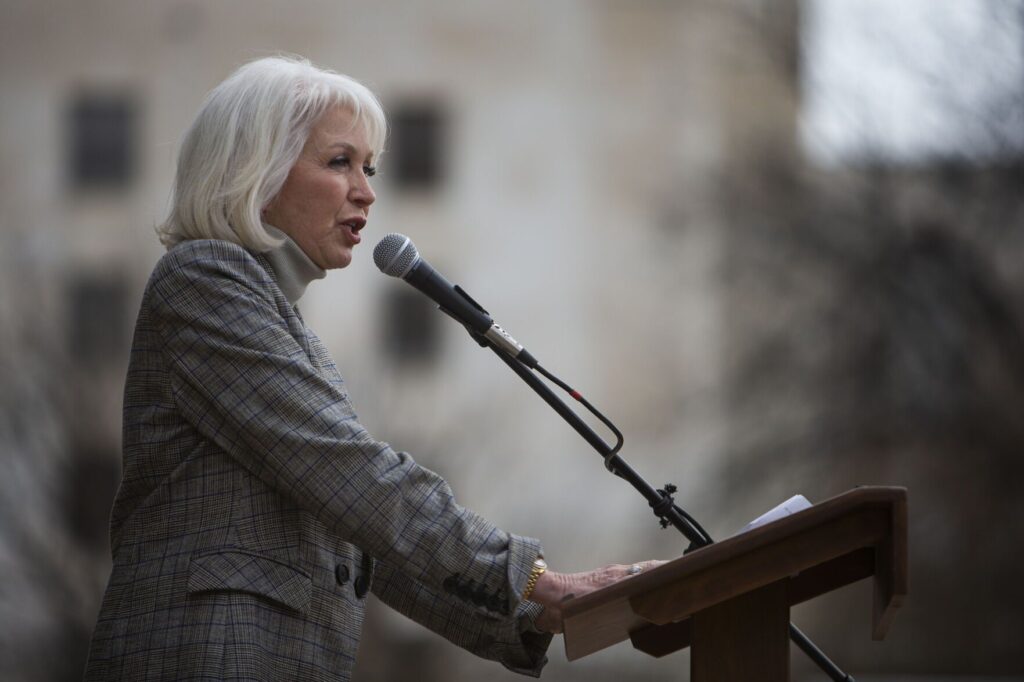
Colorado Gov. Jared Polis ignites fierce debate after raising clemency questions in Tina Peters case
Marianne Goodland
marianne.goodland@coloradopolitics.com
Updated 2 hours ago
Gov. Jared Polis ignited a political firestorm Tuesday night after weighing in on the prison sentences of two former Colorado officials — a Democrat and a Republican — convicted of attempting to influence a public servant. The comments quickly fueled...

Colorado Supreme Court signals intervention in dispute over treatment for trans children
Michael Karlik
michael.karlik@coloradopolitics.com
Updated 1 day ago
The Colorado Supreme Court ordered Children’s Hospital Colorado on Tuesday to explain why it should not direct the organization to resume providing certain types of services to transgender children in compliance with the state’s non-discrimination law. Last month, a Denver...