

Hickenlooper: Special session would only come as a result of a ‘different type of compromise’
?The talk began almost the minute the legislative session ended May 11 and it has grown ever since. Gov. John Hickenlooper, frustrated by the fact that lawmakers failed to pass a proposal to reclassify the state’s hospital provider fee and add hundreds of millions of dollars to the general fund, was going to call them back to the Capitol for a special session.
But Hickenlooper all but brushed off the idea Tuesday. Reality seems to be drowning out the buzz.
“I think there’s always a chance, an opportunity to try and think about a different type of compromise,” Hickenlooper told The Colorado Statesman at a bill signing ceremony in Vail. He said he might consider calling a special session if lawmakers could come up with some new productive angle from which to approach the topic or if they could include debate over the hospital fee with other important issues.
He added that leaders would have to believe a special session was “worth the effort.”
It was a long way from a yes. It sounded more like a no.
Senate Republican spokesman Sean Paige texted that the topic was “a delicate matter” and that Senate President Bill Cadman, R-Colorado Springs, for now would reserve comment. But lobbyists and Capitol staffers this week said they weren’t canceling vacation plans. They said they thought talk of a special session from the beginning was “just rumors” or “wishful thinking.”
Colorado special legislative sessions have been called in recent years in relatively dramatic circumstances, spurred by big issues that had yet to be fully hashed out or that caused legislative calamity.
In 2006, Republican Gov. Bill Owens called a special session on illegal immigration after the state supreme court removed a tough referendum on the topic from the ballot. Republicans that year were pushing the issue hard, and Democratic leaders agreed to take it up partly in order to try and drain the power from a major Republican party election-politics plank.
In 2012, Hickenlooper called a special session after lawmakers gridlocked on the next-to-last day of the session over a bill that would have legalized same-sex civil unions. Speaker of the House Frank McNulty, R-Highlands Ranch, at one point walked out of the chamber. The House went into recess and never came out. The civil unions bill died along with 30 other pieces of legislation, including some $20 million worth of water projects.
Sources said the breakdown this year in negotiations around the hospital provider fee reclassification doesn’t present the same kind of urgency. On the contrary, the proposal has been worked over at length. A hospital fee reclassification bill was killed by Republican leaders in 2015. Lawmakers staked their ground on the issue this year the week before the legislative session began, and they moved little if at all over the course of the next four months.
All session, Republicans sought movement from Democrats on proposals concerning construction-defects liability reform and bond-based transportation funding. Democrats sought movement from Republicans on the hospital fee. Rumors and speculation flared time and again but no solid evidence ever appeared that there was significant movement toward a deal.
That’s because, at least for leaders in the Senate, where Republicans enjoy the majority and control what bills reach the floor for debate, the hospital fee reclassification seemed to fall outside the realm of dealmaking.
From the beginning, Cadman opposed the reclassification on constitutional, ideological and practical grounds. He said repeatedly that he felt it would undercut the Taxpayer Bill of Rights, fuel unnecessary government growth and act as a mere temporary fix to long-term spending problems. He resisted the overtures of almost every interest group inside and outside the building – including powerful business, education and transportation lobbies – and the nudging of at least one member of his caucus, Sen. Larry Crowder, R-Alamosa. Cadman also brushed aside the editorial opinion of his hometown newspaper, the conservative Colorado Springs Gazette.
That’s why many have come to dismiss the idea that he might be amenable to dealmaking if he comes to believe Republicans might lose control of the Senate this year and with it all chance of wringing concessions from Democrats in exchange for agreement on the hospital fee. Nothing has happened in the last week or will have happened in the next week or month, they say, that would make it seem obvious that Democrats will retain all of the seats they now control in the Senate and will win one of the swing seats they need to take the majority.
Indeed, it’s just as likely Cadman believes that holding fast on the hospital fee will do more to preserve the Republican majority than will making a deal on the hospital provider fee.
At least, it’s hard not to read that message in the statement he posted after the Senate finance committee on May 10 voted down hospital provider fee bill HB 1420. Cadman’s statement stretched 600 words. “When the Democrats are ready to get serious about entitlement reform, and about establishing budgeting priorities that serve the entire state… they will find willing partners in Republicans,” he wrote.
In other words, Cadman agrees with Hickenlooper that lawmakers will have to “think about a different type of compromise” and, for Cadman, such a compromise likely would mean taking the hospital provider fee off the table altogether.
This story has been updated to include comments from Sean Paige. It includes reporting by David O. Williams.

Top officials in Arizona’s Maricopa County agree on how to oversee elections | OUT WEST ROUNDUP
The Associated Press
the-associated-press@coloradopolitics.com
Updated 5 days ago
ARIZONA Officials agree on election oversight PHOENIX — Election officials in Arizona’s most populous county reached an agreement a week before the state’s July 21 primary on how to jointly oversee the vote, ending a prolonged legal battle. Republican Maricopa...
Colorado Politics Calendar Aug. 3-9
Rachael Wright, Special to Colorado Politics
rachael.wright@coloradopolitics.com
Updated 5 days ago
CoPo’s weekly political calendar will help you find political and public-policy events throughout Colorado. It includes candidate and issue campaign events, public policy meetings, court hearings, state and local party conventions, assemblies, debates, rallies, parades, speaking engagements, traveling dignitary appearances,...
The primary political reform and precondition for all others | SONDERMANN
Eric Sondermann
eric-sondermann@coloradopolitics.com
Updated 5 days ago
In its current state, the American political system has no end of ailments. Far too many factors accelerate polarization and work against moderation and narrowing the differences. Media, and the way so many citizens limit themselves to agreeable, reinforcing sources,...
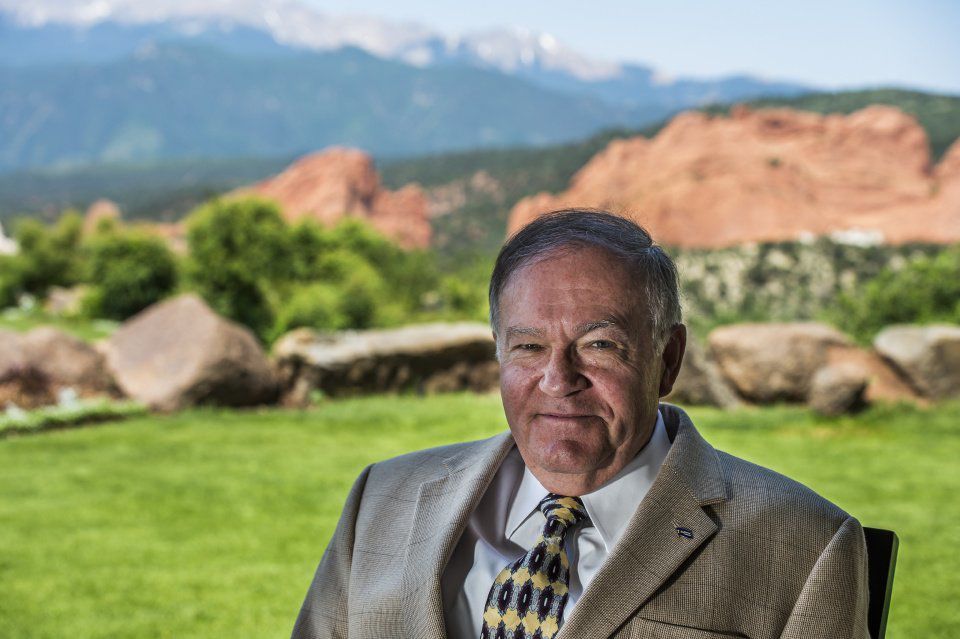
Susemihl wins surprise victory to replace Steve Durham as Colorado Springs state senator | A LOOK BACK
Rachael Wright, Special to Colorado Politics
rachael.wright@coloradopolitics.com
Updated 5 days ago
Forty-five years ago this week: In a closed session, the vacancy committee for Colorado’s Senate District 12 selected attorney Peter Susemihl to complete Sen. Steve Durham’s, R-Colorado Springs, term. Durham resigned his seat to become Region 8 Director of the...

10th Circuit partially revives lawsuit over 2020 Denver protest injuries
Michael Karlik
michael.karlik@coloradopolitics.com
Updated 17 hours ago
The Colorado-based federal appeals court revived a man’s claims against Denver on Friday after concluding a trial judge resolved the case in the city’s favor without analyzing two of the three instances of alleged excessive force and other constitutional violations....

At conservative summit, Colorado Republican leaders concede Democrats’ election edge
Marissa Ventrelli
marissa.ventrelli@coloradopolitics.com
Updated 2 days ago
Four Republican state lawmakers told attendees at a gathering of conservative leaders on Friday they doubt their party can win statewide races, noting that Colorado’s electorate has been shifting toward Democrats but adding they see an opening in several pockets....

Federal judges find Colorado immigration judge violated several orders
Michael Karlik
michael.karlik@coloradopolitics.com
Updated 2 days ago
Multiple federal judges in Colorado have freed people from immigration custody after determining that one immigration judge violated their directives for properly conducting bond hearings. For nearly a year, Colorado’s U.S. District Court has faced a flood of habeas corpus petitions...
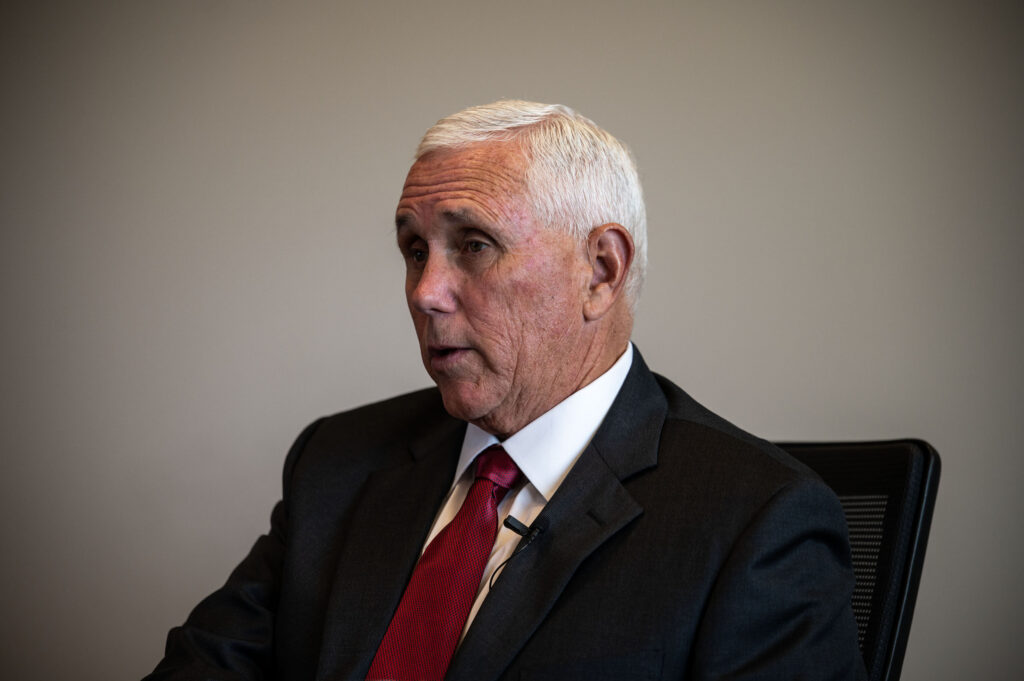
Q&A with Mike Pence | Former vice president says GOP’s populist turn from conservatism isn’t permanent
Ernest Luning
ernest.luning@coloradopolitics.com
Updated 2 days ago
Former Vice President Mike Pence says he’s concerned that the Republican Party has taken a populist turn away from bedrock conservative principles during President Donald Trump’s second term, but he believes the party will return to its roots when Trump...
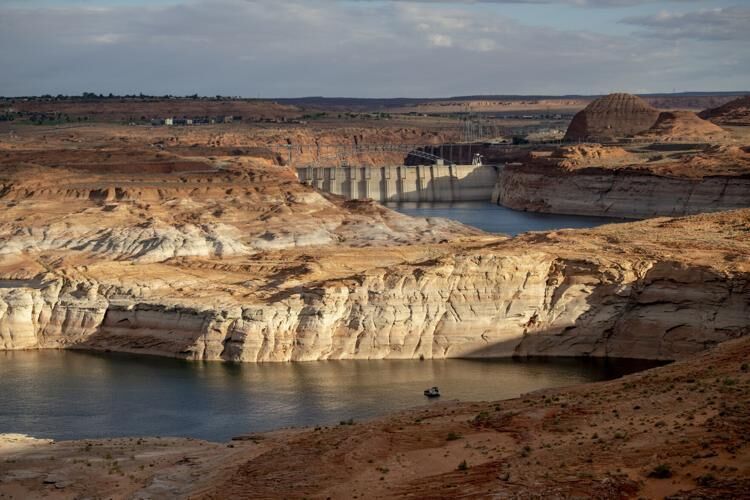
New federal plan sets short-term rules for Colorado River management
Marianne Goodland
marianne.goodland@coloradopolitics.com
Updated 3 days ago
Interior Department’s plan spares Colorado from mandatory cuts for now After years of stalled negotiations among the seven states that rely on the Colorado River, the federal government on Friday released its own plan for managing the drought-strained system. Calling...
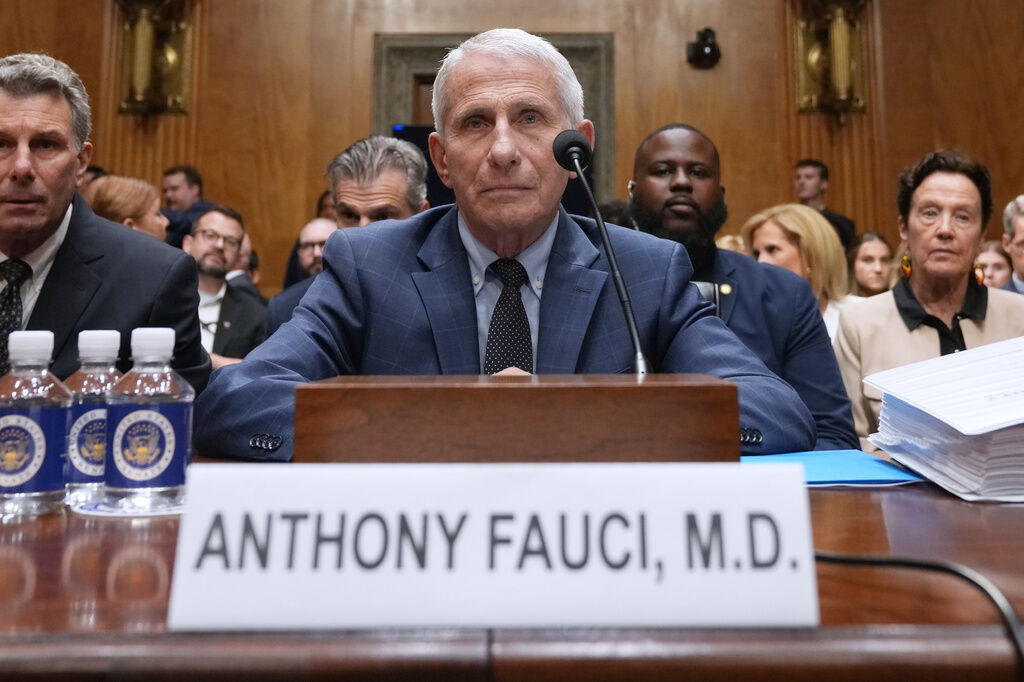
Fauci’s diary details blooming outrage toward ‘far right,’ softness toward Biden and China
Hudson Crozier
hudson.crozier@washingtonexaminer.com
Updated 3 days ago
Dr. Anthony Fauci increasingly railed against “far right” critics of his approach to COVID-19 issues while describing strong support from the Biden White House in his pandemic-era diary, which was recently released by Congress. The former National Institute of Allergy...
PREV
PREVIOUS

Campaign launch to hike Colorado minimum wage sees good turn out, high energy
Supporters of a statewide ballot initiative to increase the minimum wage to $12 an hour enjoyed an energetic formal launch on Wednesday in Denver. They’ll have to keep stoking and feeding off of the same grassroots energy if they hope to overcome stiff resistance from big-money business groups in the state. “There’s a lot of […]

Protect Colorado running strong campaign against fractivist initiatives
Among the persistent vexations in Colorado politics is the lingering and recurrent threat of ballot initiatives. These campaigns are often conceived by special interest groups to upend the balance of power in one area of law or another. Ask many who work in politics, and they will tell you ballot proposals often pose unintended consequences […]