

Half-way home: House minority tallies wins, examines remaining goals for session
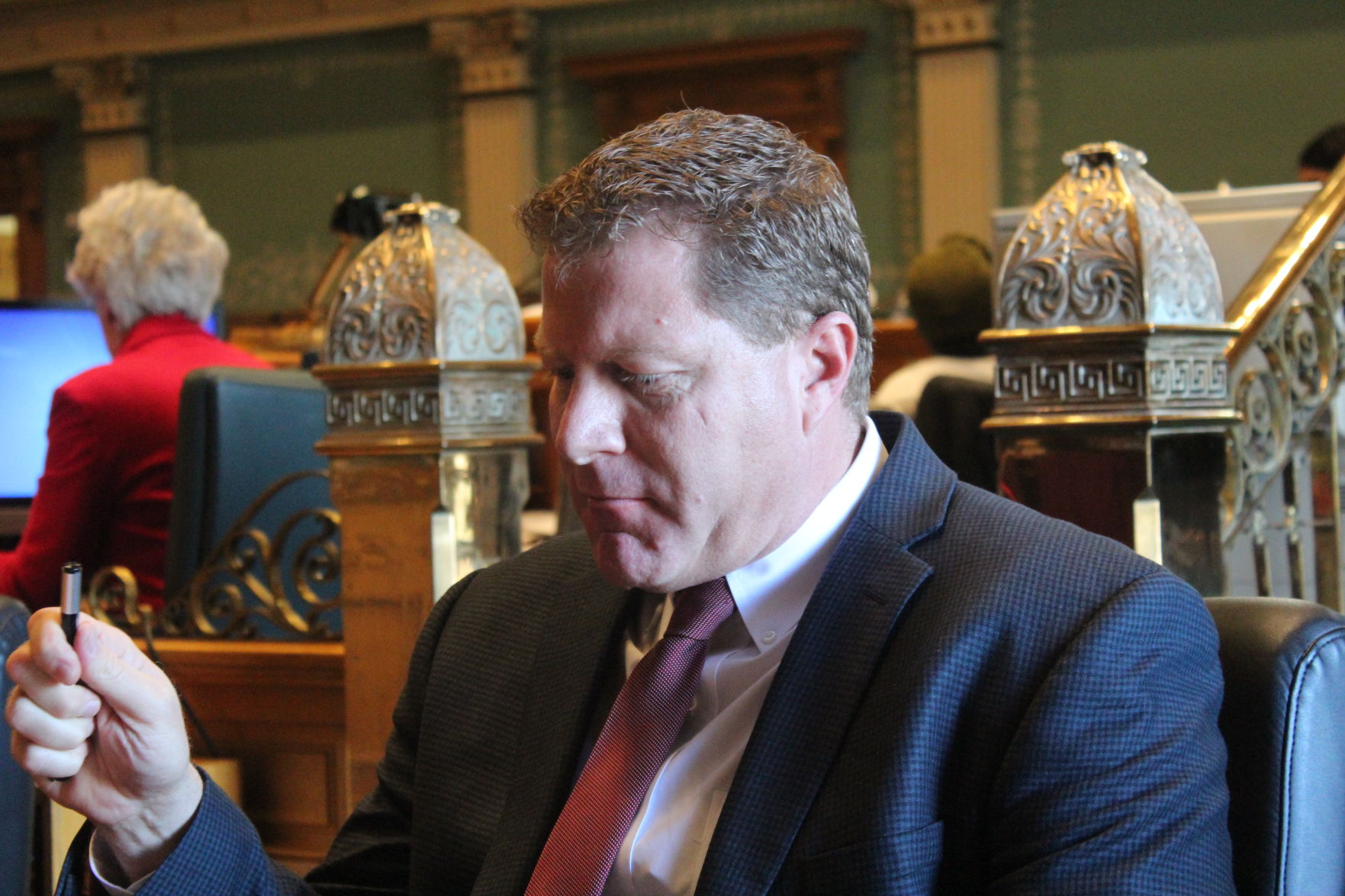
The first act of this year’s session of the Colorado General Assembly has been one of mostly compromise and accord. But in the second act, the drama will likely start up in earnest.
During a mid session review by members of the House Republican Leadership Friday, Minority Leader Brian DelGrosso, R-Loveland, said the 60 days of the 120-day session had been fairly slow and marked mostly by bills with bipartisan support. But with the state budget debate taking center stage in the last half of the session, and contentious issues like the state’s hospital provider fee and construction defects on the horizon, the legislative seas will likely start to get a little rough.
“It’s been a cordial session so far. I think the second half, once we get to the budget in a couple of weeks, that’s when it will start ramping up,” DelGrosso said. “I think there’s a lot of contentious stuff that we’re hearing to come in the second half of the session, which unfortunately that’s kind of the way it happens in an election year … We might see some choppy waters to finish off the session.”
DelGrosso, joined by House Assistant Minority Leader Polly Lawrence, R-Roxborough Park, and House Minority Caucus Chair Lois Landgraf, R-Fountain, talked about some of their legislative victories, including HB 1256 by Rep. J. Paul Brown, R-Ignacio, to study storage along the South Platte River, a bill which passed out of the House Agriculture, Livestock and Natural Resources Committee on a 10-2 bipartisan vote. The same bill failed last session.
Also recapped were some of the minority party’s early goals that fizzled out this session. Brown’s HB 1138 on transportation funding and HB 1181 by House Minority Whip Perry Buck, R-Windsor, a bill that would have compensated mineral rights owners when a fracking ban prevents extraction were two such priorities. Both died on party-line votes in the committee where legislation is sent by the majority party to quickly die with minimal political consequence — State, Veterans and Military Affairs Committee.
But the session most likely will be defined by what happens in the next couple of months over moving the state’s hospital provider fee out from underneath TABOR restrictions — an issue Democrats in both chambers are united on — and what happens with construction defects reform, a Republican priority. Increasing transportation funding also remains a top agenda item for both parties, but one that has reached little agreement over just how it is accomplished.
DelGrosso said the rumor is that House Democrats will be focused more on pushing lightning rod bills in the second half of the session that target oil and gas operations.
Regardless, DelGrosso said Republicans would introduce several bills centered on construction defects reform and that GOP members are working with the opposition to craft a bill that may even have a chance of passing out of the House. He also said a bill on transportation bonds would be coming down the pike before the session ended.
“(We’re) trying to work on collaboration before we introduce them. Construction defects is such a big deal that we don’t want to rush into anything and just have it come in and die,” DelGrosso said. “We’re basically getting everybody involved, continuing to have stakeholder meetings and just working to make sure we have a solid product before we introduce it.”
When it comes to the hospital provider fee, DelGrosso said the question for him is whether or not to give taxpayers their refunds. As one might assume, DelGrosso is for giving back the refunds — a hard-line party position in both chambers that has seen few waiver other than Sen. Larry Crowder, R-Alamosa, who is facing what could be a close reelection bid in a swing district.
“We can get bogged down all day long on legal technicalities stuff. But it is if we bring in too much revenue it’s supposed to be refunded to the people and the only way we can do that is to ask them,” DelGrosso said. “(The JBC said) it’s going to be a tight year. But definitely not a sky is falling type of scenario like the governor had painted going into this session with massive cuts in several areas of the state. Will some departments have to tighten their belt? I’m sure they will. We probably won’t be able to expand any programs, but I don’t think the sky is falling as much as people have painted.”
DelGrosso didn’t seem amenable to using the hospital provider fee as a chip to trade to get House Democrats to take action on a construction defects bill.
“For us, for me to say I believe voters should get their refund and the proposals out there don’t allow that. For me to change my mind on that to get something else through, I think is going to be a difficult path to go,” DelGrosso said.

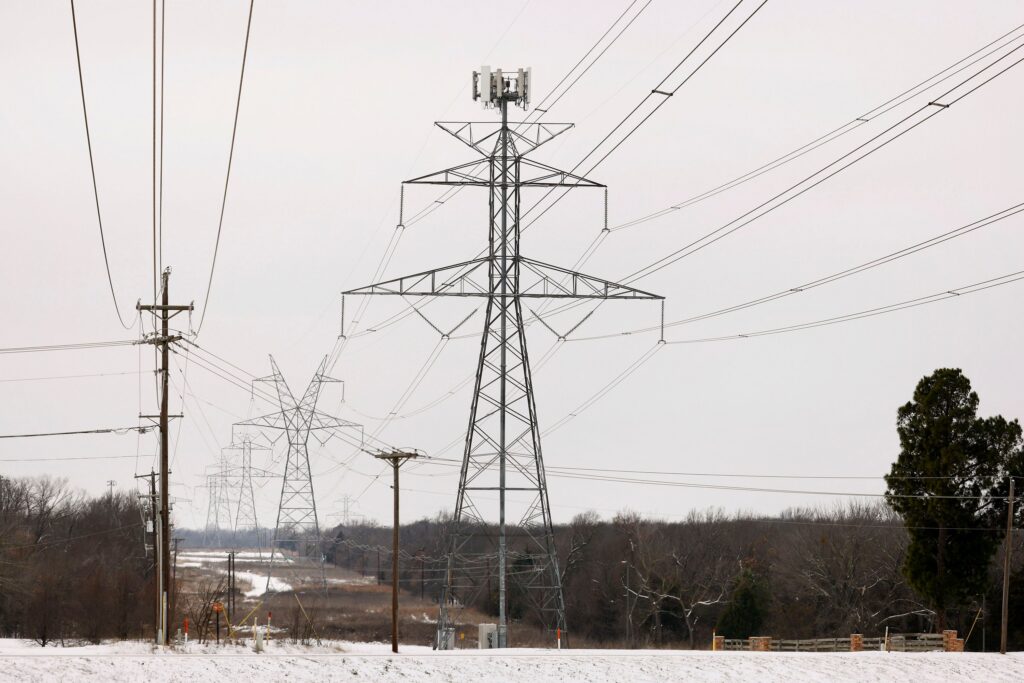
Colorado lawmakers move to curb eminent domain powers after Xcel dispute
Marissa Ventrelli
marissa.ventrelli@coloradopolitics.com
Updated 4 hours ago
After months of backlash over Xcel Energy’s use of eminent domain in eastern Colorado, lawmakers representing Elbert and El Paso counties are advancing legislation that would bar utilities from initiating property takings until they’ve secured state approval and all required...

As parents claim some AI chatbots encourage teen suicide, Colorado legislators eye regulation
Marissa Ventrelli
marissa.ventrelli@coloradopolitics.com
Updated 30 minutes ago
Juliana Peralta of Thornton was a vibrant, happy kid, said her mom, Cynthia Montoya. Then, in the final months of 2023, Cynthia began to notice a change in her 13-year-old daughter. Peralta had become more withdrawn and was on her...

Trump to attend dignified transfer of six US service members killed by Iran
Christian Datoc, Washington Examiner
christian.datoc.washington.examiner@gazetteedit.wpenginepowered.com
Updated 2 hours ago
President Donald Trump will attend the soon-to-be-held dignified transfer of six American service members killed so far by Iran in Operation Epic Fury. White House press secretary Karoline Leavitt made the announcement during her Wednesday press briefing. “These heroes represent...

Judge declines to block potential Boebert challenger from going through assembly process in Colorado’s 4th CD
Ernest Luning
ernest.luning@coloradopolitics.com
Updated 4 hours ago
Congressional candidate Eileen Laubacher, one of the Democrats seeking to challenge Republican U.S. Rep. Lauren Boebert, can participate in the party’s caucuses and assemblies pending a court hearing later this month, a Denver judge ruled Tuesday in response to a...
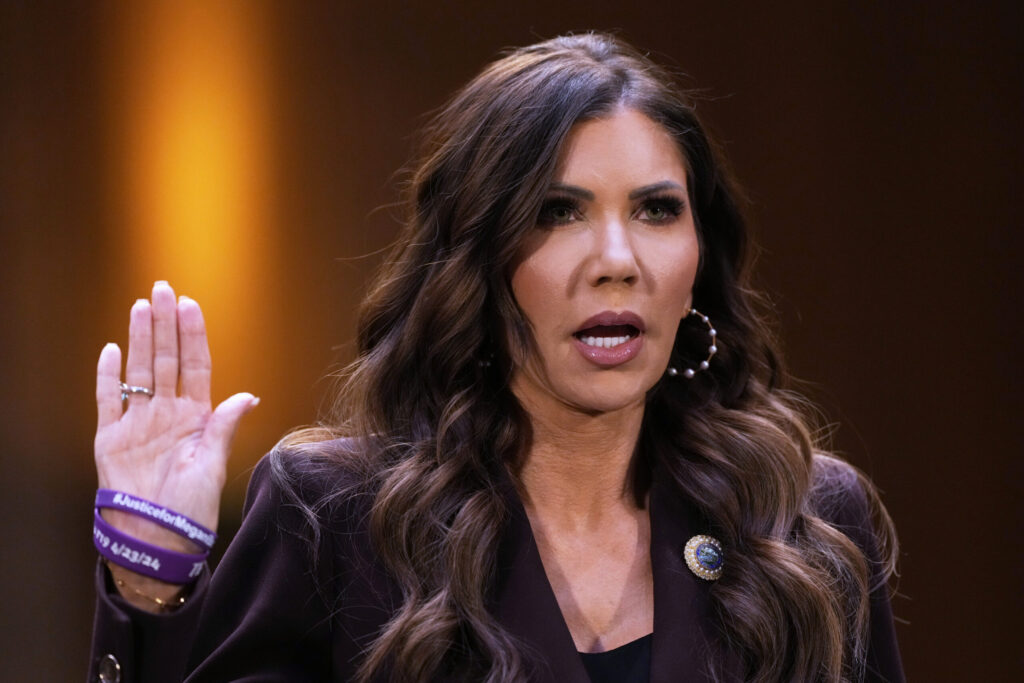
Sanctuary cities declined 17,864 requests to hold illegal immigrants for ICE in 2025: Noem
Anna Giaritelli Washington Examiner
anna-giaritelli-washington-examiner@coloradopolitics.com
Updated 5 hours ago
Sanctuary cities and counties declined to turn over 17,864 illegal immigrants in police custody to Immigration and Customs Enforcement in 2025, according to the Department of Homeland Security. Homeland Security Secretary Kristi Noem testified before the House Judiciary Committee on...
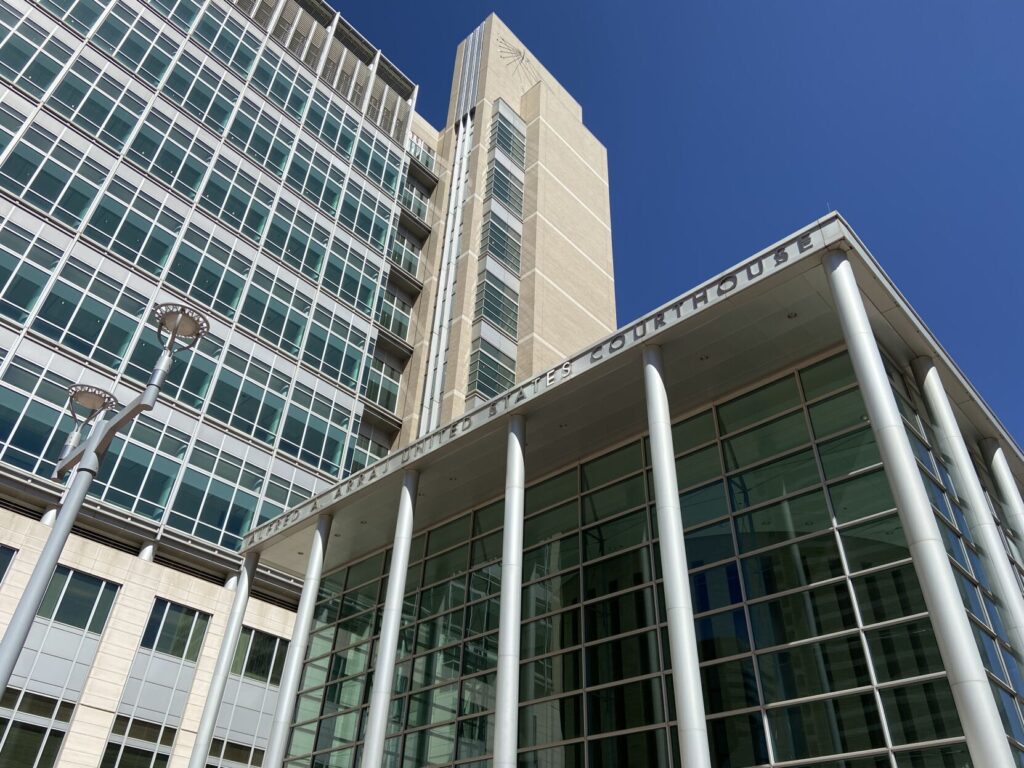
Federal judge dismisses malicious prosecution claim against former Denver prosecutor
Michael Karlik
michael.karlik@coloradopolitics.com
Updated 5 hours ago
A federal judge concluded on Monday that a former Denver prosecutor could not be sued for allegedly causing the arrests of two plaintiffs after they failed to appear for trial on the scheduled date, even though the trial had been...
Judicial discipline commission reports increased transparency, increased submissions
Michael Karlik
michael.karlik@coloradopolitics.com
Updated 6 hours ago
The Colorado Commission on Judicial Discipline received 473 misconduct complaints about judges in 2025, which was nearly 29% higher than in 2024 and substantially greater than any time in the past decade. However, only 31 complaints were referred to the commission...
Colorado Gov. Jared Polis ignites fierce debate after raising clemency questions in Tina Peters case
Marianne Goodland
marianne.goodland@coloradopolitics.com
Updated 2 hours ago
Gov. Jared Polis ignited a political firestorm Tuesday night after weighing in on the prison sentences of two former Colorado officials convicted of attempting to influence a public servant. The comments quickly fueled speculation about possible clemency for former Mesa...
Colorado Supreme Court signals intervention in dispute over treatment for trans children
Michael Karlik
michael.karlik@coloradopolitics.com
Updated 1 day ago
The Colorado Supreme Court ordered Children’s Hospital Colorado on Tuesday to explain why it should not direct the organization to resume providing certain types of services to transgender children in compliance with the state’s non-discrimination law. Last month, a Denver...

Trump faces first domestic test on Iran conflict with Senate war powers vote
Ramsey Touchberry, Washington Examiner
ramsey.touchberry.washington.examiner@gazetteedit.wpenginepowered.com
Updated 1 day ago
Administration officials are scrambling to sell members of Congress on President Donald Trump’s military operations in Iran ahead of bipartisan attempts to limit his war powers in the Middle East without approval from lawmakers. The Senate and House are set...
PREV
PREVIOUS

Salazar bill to put drillers on the hook for damages clears first hurdle
The surest sign that an oil and gas bill is about to be debated at the Capitol is the sea of “I ♥ energy” stickers affixed to lapels of well-tailored suits. The energy lobby was out in full force Thursday to oppose a bill sponsored by Rep. Joe Salazar, D-Thornton. House Bill 1310, which is […]

BARTELS: Arapahoe County GOP piggybacks on Secretary Wayne Williams’ food bank bet
Arapahoe County Republicans are borrowing a page from Secretary of State Wayne Williams and will participate in a food drive at their county assembly on March 19. County chairwoman Joy Hoffman said she was inspired by the Super Bowl bet between Williams and North Carolina Secretary of State Elaine Marshall. Both secretary of state offices […]