

Colorado GOP must keep March caucus

The race for the 2016 Republican presidential nomination has already shown itself to be a wild one – probably the wildest of our lifetimes. With a field of 16 viable candidates heading into primary season, a “brokered” convention in Cleveland in July 2016 is a very real possibility, where no single candidate has a majority of the delegates’ votes heading into the convention. In such a situation, each state’s delegation to the convention becomes extremely important. For Colorado, the No. 4 swing state in the nation, our importance in this convention cannot be overstated.
So the political gloves have come off very early, as the factions of the GOP struggle to position themselves to have a voice for their candidates at the Convention. The GOP’s establishment elite, who have control of the rule-making process, have tried to prevent Colorado’s conservative grassroots from having their voice heard at the convention in 2016. But this isn’t a new struggle.
In 2012, the rise of the conservative grassroots fueled the beginning of a revolution at the Republican National Convention in Tampa, threatening the power of the GOP’s establishment elite with the overwhelming voice of people who want something different out of our Republican Party. The elites went on the offensive to preserve their own power to crown their chosen candidate, starting with the last-minute rule changes to make sure Ron Paul could not be nominated. These rule changes were passed without regard to the actual floor vote, with convention chair John Boehner reading the pre-scripted results from a teleprompter. The amendments made to the party’s rules since then have made matters worse, presenting two obstacles to Colorado fielding a powerful delegation at the 2016 convention.
The first obstacle was the mandate that, should Colorado hold a statewide presidential preference poll (a “straw poll”), the delegates must be bound to the results of that poll. The Colorado GOP Executive Committee cleared this obstacle on Aug. 21 by unanimously voting against having a straw poll at the caucus in 2016, thereby preserving our delegates’ freedom at the convention to make coalitions beneficial to Colorado.
The second obstacle is the date of our caucus. Colorado statutes set the date of caucus as the first Tuesday in March, which is March 1 in 2016. However, the statutes provide an option for the party’s State Central Committee to choose to hold the caucus instead on the first Tuesday in February in presidential years, if they so desire. This would be Feb. 2, 2016.
The Republican State Central Committee will meet in Pueblo on Sept. 26 to decide the date of the caucus. Central Committee members — and those whom they represent — must understand what the effect would be of choosing a February caucus date. According to RNC rules, if we choose a February date, we risk a challenge to our delegation from any candidate who believes our presence could jeopardize his or her nomination — a challenge that would likely succeed, and would reduce the size of our delegation from 37 to 12.
We must be extra vigilant in safeguarding the selection and seating of our delegation at the 2016 convention. We must send our full allocation of 37 free agents to that convention — delegates empowered to do their best for Colorado in the swiftly shifting landscape of what may very well be a brokered convention.
Colorado could be the kingmakers of this cycle, but only if we are careful. We absolutely must have a March caucus date in order to preserve a full strength delegation, so that Colorado’s conservative voice is heard loud and clear in Cleveland in July.
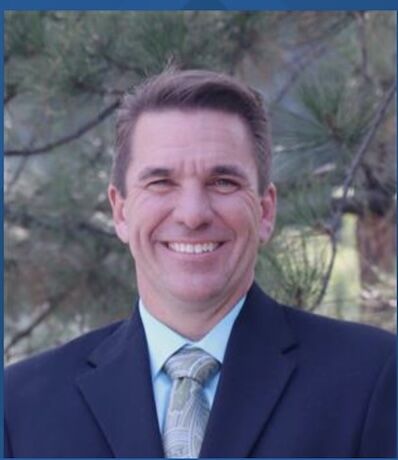
Kristina Cook is a Republican party activist and the host of Grassroots Radio Colorado, a daily podcast found at grrc.podomatic.com.


Greeley voters halt landmark development project
Hap Fry, Special to The Gazette
hap-fry@gazette.com
Updated 17 minutes ago
GREELEY – The landscape-altering Cascadia development project has been put on ice, according to unofficial results of a city referendum on the project Tuesday. The proposed development would have included an 8,600-seat multiuse arena and ice center that would be home to the Colorado Eagles,...

State audit: Rape kit backlog reduced but more work needed to hit goal
Jenny Deam
jenny-deam@coloradopolitics.com
Updated 3 hours ago
In the past year, the Colorado Bureau of Investigation has slashed the time it takes to process DNA collected in sexual assault cases, but the agency still is far short of its turnaround goal, the state auditor reported on Wednesday....

Daniel Domenico to take over as Colorado’s chief federal judge
Michael Karlik
michael.karlik@coloradopolitics.com
Updated 7 hours ago
Daniel D. Domenico will become the new chief judge of Colorado’s federal trial court next week, a role that encompasses the administration of the court as well as a judicial caseload. Under federal law, the chief judge of a U.S....
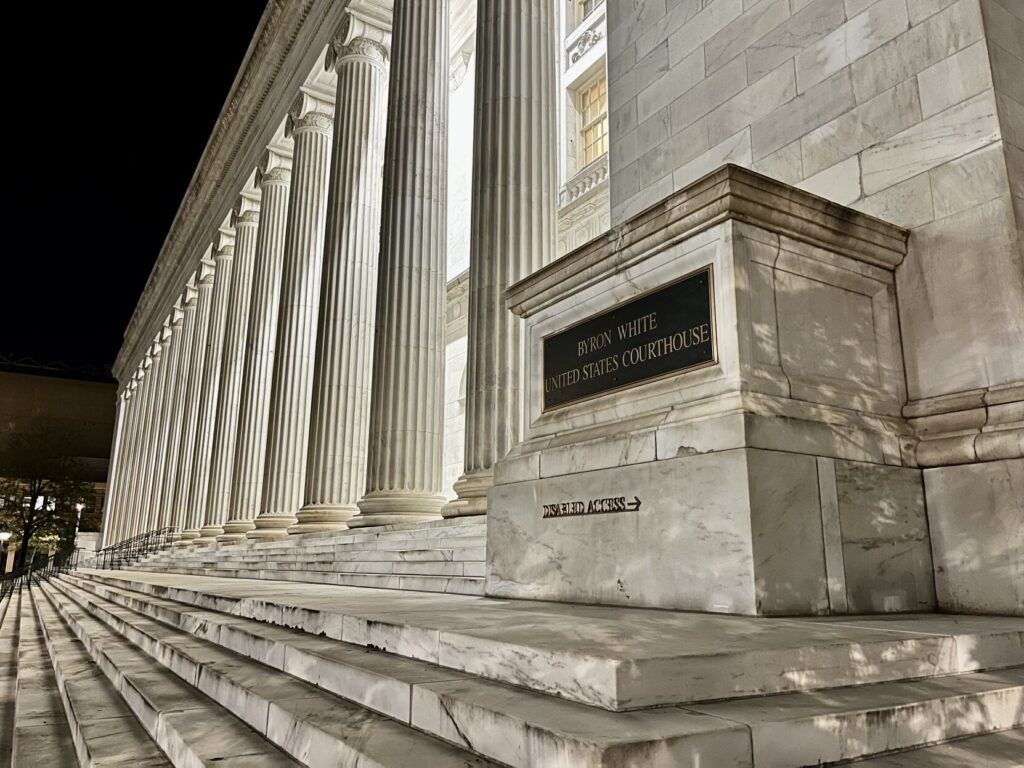
10th Circuit upholds violations, sanctions against Colorado Springs mental health hospital
Michael Karlik
michael.karlik@coloradopolitics.com
Updated 7 hours ago
The Denver-based federal appeals court agreed earlier this month that the government properly cited and penalized a Colorado Springs psychiatric hospital for failing to protect its staff from known risks posed by patients. The Occupational Safety and Health Administration inspected...

Vance working with DOJ and Treasury after Trump announces ‘war on fraud’
David Zimmermann Washington Examiner
davidzimmermannwashingtonexaminer@wpstage.coloradopolitics.com
Updated 8 hours ago
Vice President JD Vance confirmed on Wednesday that he is working with the Justice and Treasury Departments to root out fraud nationwide. During the State of the Union address Tuesday night, President Donald Trump announced Vance would lead the administration’s “war on...
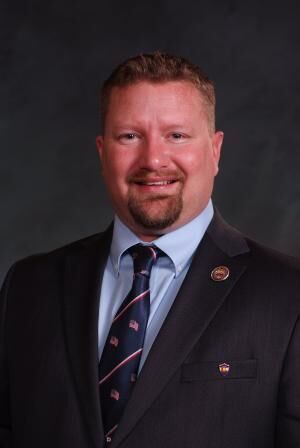
House Ethics Committee dismisses some claims, advances others against Rep. Ron Weinberg
Marianne Goodland
marianne.goodland@coloradopolitics.com
Updated 6 hours ago
The House Ethics Committee voted on Wednesday to accept three allegations filed against Rep. Ron Weinberg, R-Loveland, but combined two into one subject area. The two issues involve inappropriate comments made to female lawmakers in two separate incidents and the...
Bipartisan opposition sinks eviction bill in Colorado
Marissa Ventrelli
marissa.ventrelli@coloradopolitics.com
Updated 4 hours ago
Two Democrats sided with Republicans on a legislative panel to reject a proposal that would have made several changes to eviction filings and proceedings, including requiring judges to suppress court records. Sponsored by Rep. Junie Joseph, D-Boulder, House Bill 1047...
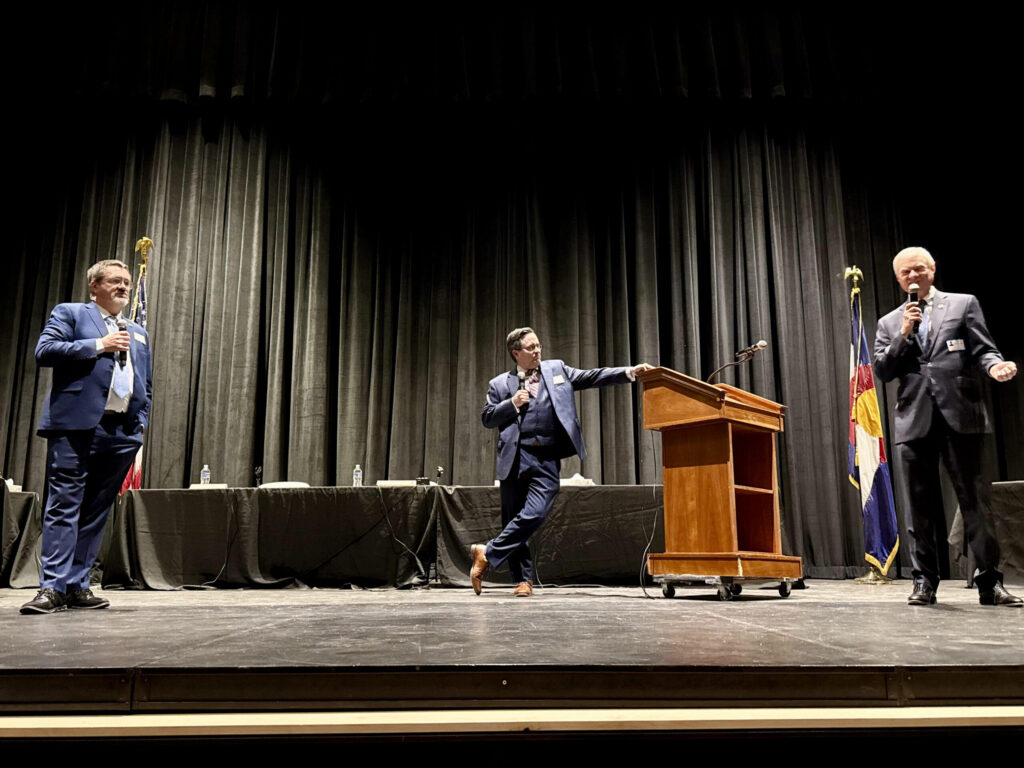
Appeals judges tell Boulder students about workload, ‘attack mode’ during school visit
Michael Karlik
michael.karlik@coloradopolitics.com
Updated 8 hours ago
Three judges on Colorado’s second-highest court traveled to Boulder on Tuesday to hear oral arguments in real cases and field questions from students about their professional paths, their workload on the Court of Appeals, and their approach to interacting with...

State of the Union: Here’s what Trump didn’t say
W. James Antle III Washington Examiner
wjamesantleiiiwashingtonexaminer@wpstage.coloradopolitics.com
Updated 9 hours ago
President Donald Trump made the case that happy days are here again in the first State of the Union of his second term, but there was little talk of transition or pain. “The state of our union is strong,” he...
Ex-Cherry Creek superintendent must repay one month’s salary after abrupt resignation
Nico Brambila
nico.brambila@denvergazette.com
Updated 5 hours ago
Former Cherry Creek School District Superintendent Chris Smith must repay one month’s salary for failing to provide the board of education with three-month’s notice of his resignation, The Denver Gazette has learned. The board of education has not waived the...