

Sen. Morgan Carroll: Laying the foundation for the economy
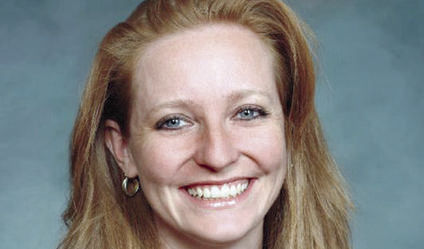
Right now, the Colorado economy is working for the wealthy few, not for everyone. This session Senate Democrats fought against the widening disparity between the top 1 percent and everyone else who works hard, plays by the rules, but cannot get ahead. In Colorado the problem is all too familiar. Between 2009 and 2012 all income growth occurred in the top 1 percent, leaving millions of Coloradans in its backwash.
We worked to mend the growing disparity, provide opportunity, and ensure the adage — a rising tide lifts all boats — is true.
We addressed the economy through a variety of ways from approving skills training programs to debating equal pay for equal work and the minimum wage. The unsung economic story, though, was the fight for affordable and accessible higher education — the foundation of our economy.

Knowing that in a few short years, 70 percent of Colorado jobs will require a degree or certificate, we tried to build on our Senate Bill 1 passed last year, known as the College Affordability Act. It invested an additional $100 million into public colleges with nearly $40 million going to financial aid, and established a 6 percent cap on tuition hikes. The summer it went into effect, the University of Colorado at Boulder, for example, only saw a 3.3 percent tuition increase, when the year prior, it went up 8.7 percent.
The College Affordability Act was a bipartisan and effective policy, so we attempted to advance it further in 2015, but efforts to cap tuition increases in the coming years were thwarted early in the legislative session.
We suffered partisan defeats on vital policies that would have directly aided students and prospective students, and helped address the national $1 trillion in student loan debt. We tried:
Providing income tax deductions for payments made on student loans — both principal and interest. Republicans said no.
Increasing transparency in the student lending process by requiring that lenders disclose the interest rate and whether it could be adjusted, as well as an estimate of what the total repayment will be. Republicans chose banks, defeating the effort.
Providing in-state college scholarships to the top three graduating students at each Colorado public high school and establishing another merit-based aid program for academic achievers. Republicans nixed both scholarship programs, potentially causing Colorado to lose top students to other states.
Educating high school students about student loans, interest, debt, repayment options, earning potential, and the requirement to repay student loans even if the student does not graduate. Republicans rejected the pragmatic course.
Attempting to help middle class families save for college through increasing state income tax deductions for college savings accounts for those who earn under $250,000 per year. Republicans rejected the move, choosing to help families who make over $500,000 a year, instead.
Prohibiting excessive student loan interest rates by capping private student loan rates at two percentage points above what federal lenders would charge. Again, Republicans chose banks over students.
For those who can afford it, higher education is almost always worth the effort and expense. College graduates typically earn $1 million more over their lifetimes than people with only a high school diploma. In turn, these graduates will also boost their local economies as they spend their hard earned dollars at local businesses.
Colorado is experiencing a workforce gap, meaning it lacks qualified candidates for higher earning positions. In recent years, we have worked toward growth in our “advanced industries,” basically high-tech fields such as aerospace or bioscience, and opportunity exists in Colorado for those with the right degrees. We now rank second in the nation in private-sector aerospace employment, with 1,700 companies in bioscience operating here, and we are attracting new companies like Arrow Electronics to set up shop in our great state.
This year, the General Assembly also passed eight bills from a package called “Colorado Ready to Work,” fostering new opportunities for on-the-job apprenticeships, training in the trades, and earning college credits while students are still enrolled in high school.
But if people still can’t pay for higher education, it will be more difficult for them to land the better-paying jobs or take their existing skills to new levels. That’s why we must continue to fight on behalf of Coloradans who truly don’t want handouts — they just want a fair shot to make a living and to provide for their families.
Despite our battles lost this year, we will not be deterred. We cannot allow education to become a commodity only available to the top 1 percent. Education is the Great Liberator. When students have access to it, it yields opportunity for anyone who is willing to study hard and stick with it — no matter where or how they grew up.
We are fortunate to live in Colorado. We are a state of thinkers and innovators. Colorado consistently ranks the highest in the nation for innovation, entrepreneurship and startups. We need to harness those strengths, and education is the best way to do that.
— Sen. Morgan Carroll is the Senate Democratic leader. She represents Aurora.

Five ways Mullin is already pushing DHS in a new direction
Anna Giaritelli Washington Examiner
anna-giaritelli-washington-examiner@coloradopolitics.com
Updated 2 hours ago
The Trump administration’s newest Cabinet secretary, Markwayne Mullin, has already begun to implement major changes across the Department of Homeland Security Mullin replaced President Donald Trump’s first DHS secretary, Kristi Noem, and was an unexpected pick to lead the department...
Appeals court finds Prowers County judge incorrectly analyzed firetruck collision lawsuit
Michael Karlik
michael.karlik@coloradopolitics.com
Updated 2 hours ago
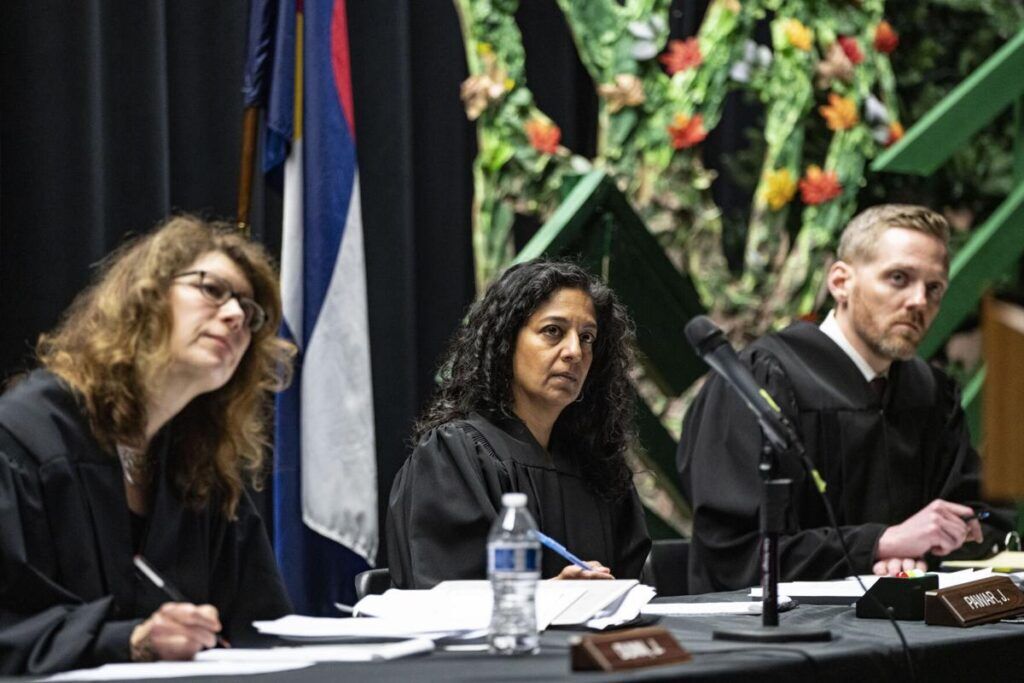
Colorado’s second-highest court directed a Prowers County judge last month to take a second look at whether a firetruck operator and the county itself can be held liable for a collision with a motorist. Donald Williamson was driving through a...
Appeals court reverses assault convictions after jury received no definition of ‘harm’
Michael Karlik
michael.karlik@coloradopolitics.com
Updated 3 hours ago
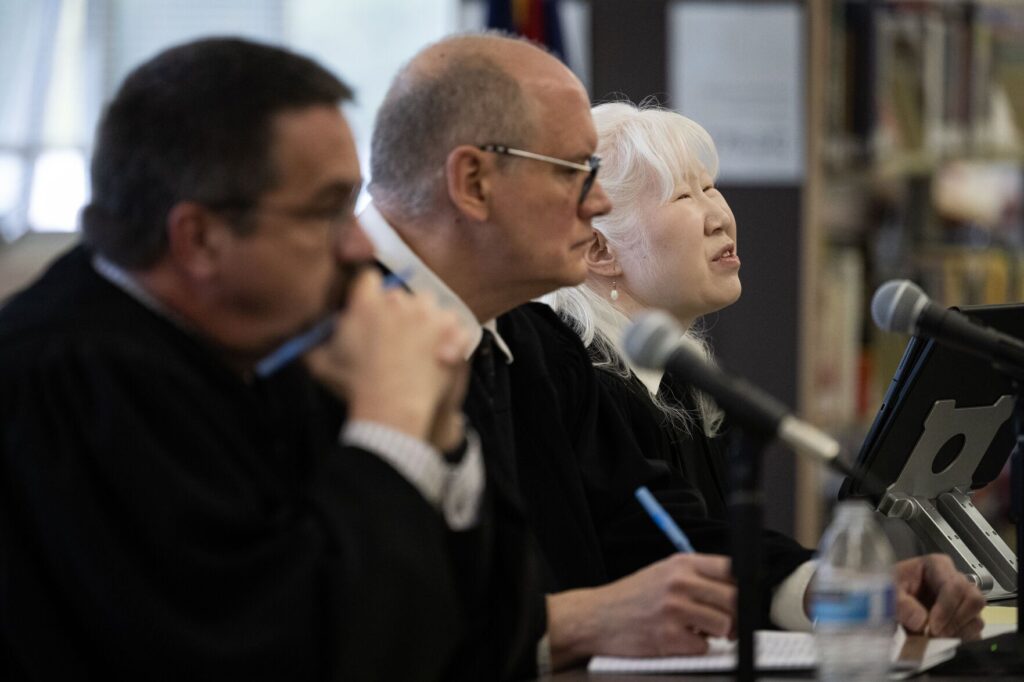
Colorado’s second-highest court reversed an Arapahoe County defendant’s assault convictions last week, concluding the trial judge neglected to define a key, ambiguous term for jurors. Police officers arrested David Cristobal Aragon at a house party for allegedly violating a restraining...
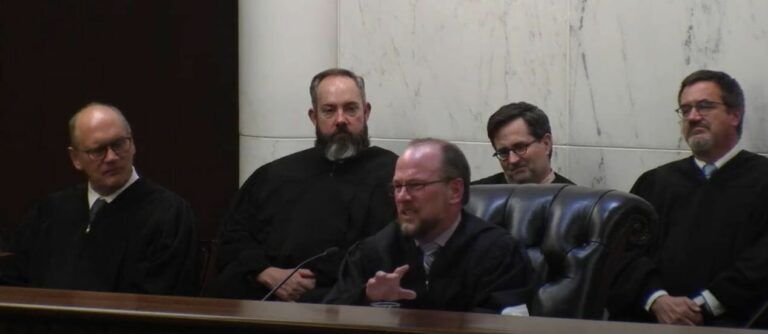
Colorado counties cannot challenge state law restricting immigration contracts, appeals court says
Michael Karlik
michael.karlik@coloradopolitics.com
Updated 5 minutes ago
Colorado’s second-highest court ruled on Thursday that counties lack standing to challenge a 2023 state law that restricts their ability to contract with the federal government or private entities for immigration detention. A three-judge Court of Appeals panel agreed with...
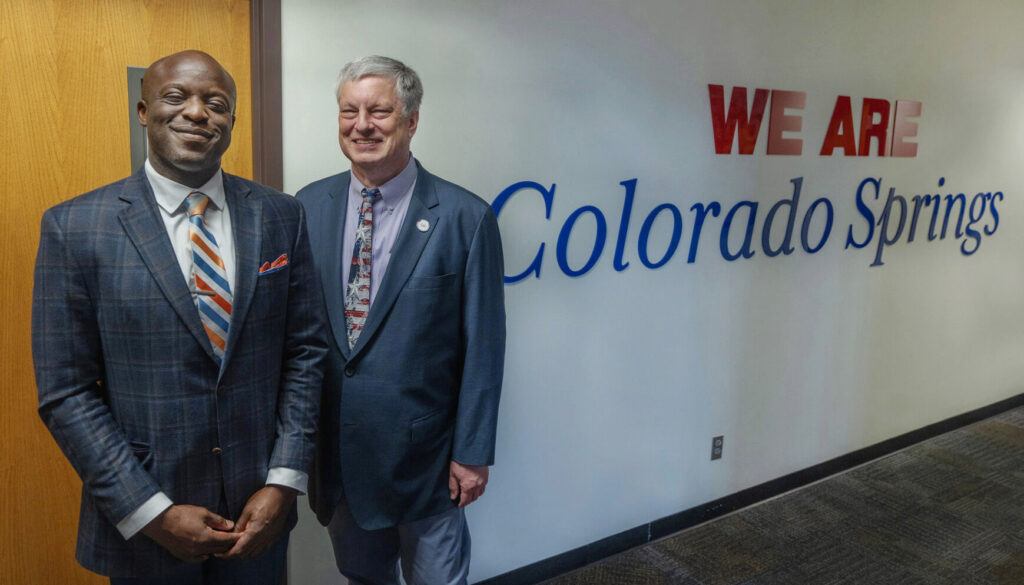
Wayne Williams joins city as Colorado Springs Mayor Mobolade’s new chief of staff
Brennen Kauffman
brennen-kauffman@coloradopolitics.com
Updated 42 minutes ago
Wayne Williams will be the next chief of staff for Colorado Springs Mayor Yemi Mobolade, turning the two former election opponents into partners in city government. The two officially announced the hire Thursday, citing Williams’ decades of experience with city,...
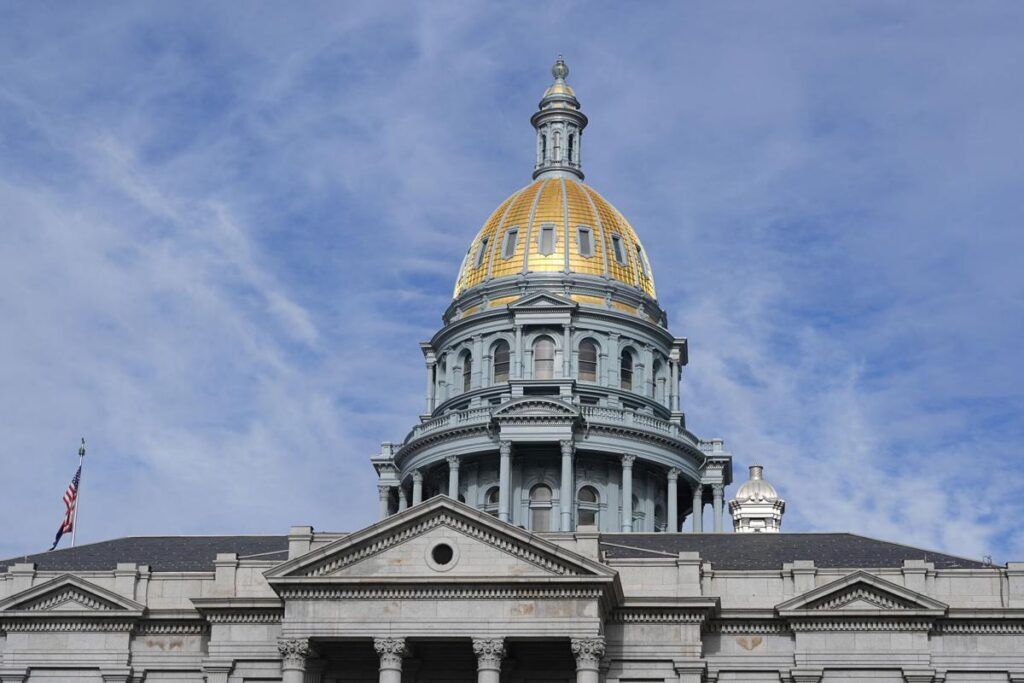
House GOP stalls Colorado budget debate by forcing full reading of 661-page bill
Marianne Goodland
marianne.goodland@coloradopolitics.com
Updated 7 minutes ago
A procedural battle at the Colorado Capitol boiled over Wednesday night, when a House Republican triggered one of the chamber’s most time‑consuming tactics, demanding the 661‑page state budget be read aloud in full — a move that halted progress on...

Colorado lawmakers propose changes to family court procedures | Bills in Brief
Marissa Ventrelli
marissa.ventrelli@coloradopolitics.com
Updated 21 hours ago
Colorado lawmakers introduce hundreds of bills each year. Bills in brief cuts through the noise by explaining which proposals matter, what’s at stake, and how decisions at the Capitol could affect everyday life across the state. Colorado lawmakers from both parties are...

Denver Water approves drought pricing, will apply to May usage
Deborah Grigsby
deborah.smith@denvergazette.com
Updated 58 minutes ago
While this summer may be a hot one, it will most definitely be a more expensive one for some Denver Water customers. The Denver Board of Water Commissioners on Wednesday approved temporary drought pricing on outdoor water use as part...
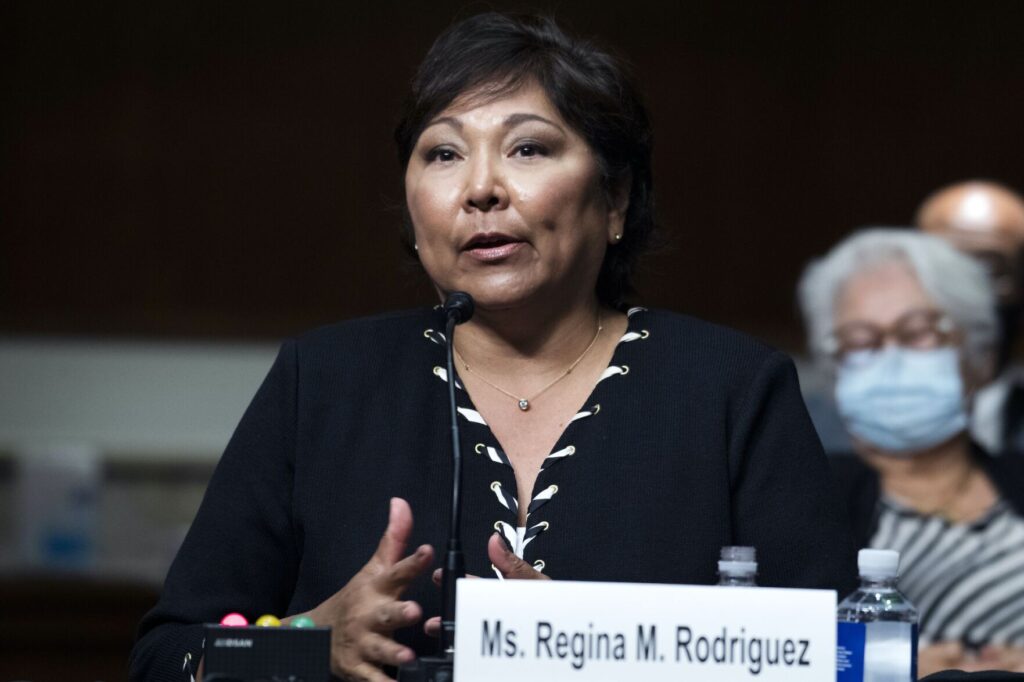
Federal judge partially allows second World Cup trafficking lawsuit to move forward
Michael Karlik
michael.karlik@coloradopolitics.com
Updated 24 hours ago
A federal judge allowed some claims to move forward last month against companies operating out of Colorado that allegedly participated in a human trafficking venture involving Filipino laborers who constructed facilities for the 2022 World Cup in Qatar. There are...
Officials, residents respond to Lakewood rezoning special election results
Sage Kelley
sage.kelley@denvergazette.com
Updated 41 minutes ago
Nearly 17,000 residents fought back against Lakewood zoning changes on Tuesday, reversing the ordinances put in place that sought to allow for more housing density. The City of Lakewood’s special election regarding the zoning code changes put in place in...
PREV
PREVIOUS
Letter: Sena writes in support of Clean Water Rule
Dear Editor, Colorado is known for its wealth of outdoor activities, from hiking one of our beautiful mountain ranges to kayaking our mountain streams. Try to imagine our state with more than 73,000 miles unavailable for safe enjoyment. This is a reality that may be realized sooner than Coloradan’s know. Colorado’s waterways are under attack […]

Gov. John Hickenlooper: Making government work better
Colorado may have a divided legislature with Democrats leading the House and Republicans leading the Senate, but that doesn’t mean we have a divided state. Colorado’s Office of Legislative Legal Services — which houses many of the brightest, nonpartisan folks in the Capitol — reported that 682 bills were introduced this legislative session. About 55 […]