

U.S. Education chief talks student testing during Denver visit
The nation’s education chief said during a Denver visit this week that he continues to support efforts to reduce testing in public schools, while ensuring high standards and accountability.
And U.S. Secretary of Education Arne Duncan said in an interview with The Colorado Statesman that he hopes this is finally the year that Congress fixes what he believes has been a long-broken federal program — No Child Left Behind.
“We have our best chance than I’ve seen over the last few years for Congress to actually do something and fix it for the nation,” Duncan said. “I’m not a betting man — it could happen, it could not happen. But we’re spending a huge amount of time [on this issue] everyday and I hope Congress will do the right thing.”
Duncan was visiting northeast Denver’s McGlone Elementary School, where he praised the work of staff there who have helped to better the once-struggling school.
A few years ago, McGlone was placed on turnaround status, where it received priority improvement designation on the heels of consistently low student achievement levels.
McGlone has since been hailed as a high-performing school by Denver Public Schools for the changes put in place at the diverse school, where 97 percent of its students receive free or reduced lunches.
“There are some pretty amazing kids here and kids in this community historically weren’t served very well by public schools,” he said. “And to see the potential that these kids now have, to see the opportunities they have, the support and the guidance, it’s sort of what it’s all about.”
The turnaround model is a key part of the Obama administration’s school improvement policy. Duncan has visited turnaround schools like McGlone in recent weeks.
“I would say that turning around under-performing schools is probably the hardest and most controversial and most important work that we as a nation are doing,” Duncan said.
Having been the nation’s top education administrator since 2009, Duncan deals with a lot of issues that often are controversial. Near the top of that list is the national debate over student assessments.
That issue took center stage during this year’s state legislative session, when lawmakers, after a laborious months-long debate, reached a compromise on a bill that would reduce the number of standardized tests that students are required to take at Colorado schools.
Many parents and teachers are frustrated over what they believe is a state testing system that is burdensome. Exhausted teachers have raised concerns that they often have to focus their instruction toward getting kids to pass tests, while leaving little time for other classroom functions. And parents have told lawmakers that heavy testing requirements have left their children deflated.
Those concerns have led many parents to opt their children out of assessments in states around the country, leaving many school administrators and elected officials worried that those actions will hurt important testing data that is used to determine how well schools are performing.
And seemingly all parents, administrators and politicos have varying opinions on the use of Common Core standards, a set of English and math standards that outline what students should know by the end of each grade level. Some wholeheartedly believe in those standards, but several states have pulled away from those measures due to vociferous complaints from angry parents.
Duncan said he understands where parents are coming from, having heard countless similar narratives during his tours around the country.
“I’ve been very public and clear, as has the president, that there’s some places where they are doing too much testing,” Duncan said. “And so, where there’s too much, we’re challenging folks to scale back.”
The key, Duncan said, is finding the right balance between easing those requirements and maintaining high standards to ensure a well-educated body of students that can go to college and succeed globally.
“I do think it’s important to assess students annually and find out if they’re learning or not and what they’re strengths and weaknesses are,” he said. “I think there’s a common sense middle ground that many folks are striving to reach and we’re trying to do everything we can to support that.”
Those discussions are currently taking place in Congress over the reauthorization of the No Child Left Behind education law, a 2002-enacted federal program that determines testing standards and funding for U.S. schools.
Congress is working on rewriting No Child Left Behind, an effort that Duncan said is long-overdue.
“No Child Left Behind has been broken for years,” Duncan said. “Unfortunately, Congress has been broken for the last ‘x’ number of years. It’s been pretty dysfunctional and hasn’t fixed the law, so (the education department) has partnered with virtually every state, including Colorado to provide waivers, to provide some flexibility.”
Duncan said he is more optimistic now that Congress will get something done than he ever has been in the past.
“It’s not too late and I think after these next couple of months we’ll have a much clearer picture,” he said. “Does this have a real chance or not? And I desperately hope it does.”
Gov. John Hickenlooper, who joined Duncan during the McGlone visit, said assessments are necessary in order to measure student performance.
“Good teaching requires assessments to know who’s succeeding and who’s not; how do we get more time and extra resources to the kids that aren’t making it,” Hickenlooper said.
The governor also acknowledged the fierce debate surrounding the issue and said that teachers need to have more freedom in their classrooms.
“(We need to know) how to make sure that teachers aren’t changing what they’re teaching, that they’re still focusing on making sure student achievement grows, but not feel like they’re teaching to a test.”
McGlone Principal Sara Gips said she is honest with parents about what students can expect during testing periods, which she said helps ease some of the tension around testing.
Gips said she tries not to get too caught up in “the hype” surrounding the student testing debate.
“There are always going to be tests, but that’s not the end-all, be-all of what we do,” she said.
“I think there’s is a lot of hype about testing right now. There’s a lot of testing right now. I don’t know if we need so many tests, but all I know is I’m really good at controlling what I can in my building.”
— Twitter @VicVela1


Greeley voters halt landmark development project
Hap Fry, Special to The Gazette
hap-fry@gazette.com
Updated 56 minutes ago
GREELEY – The landscape-altering Cascadia development project has been put on ice, according to unofficial results of a city referendum on the project Tuesday. The proposed development would have included an 8,600-seat multiuse arena and ice center that would be home to the Colorado Eagles,...
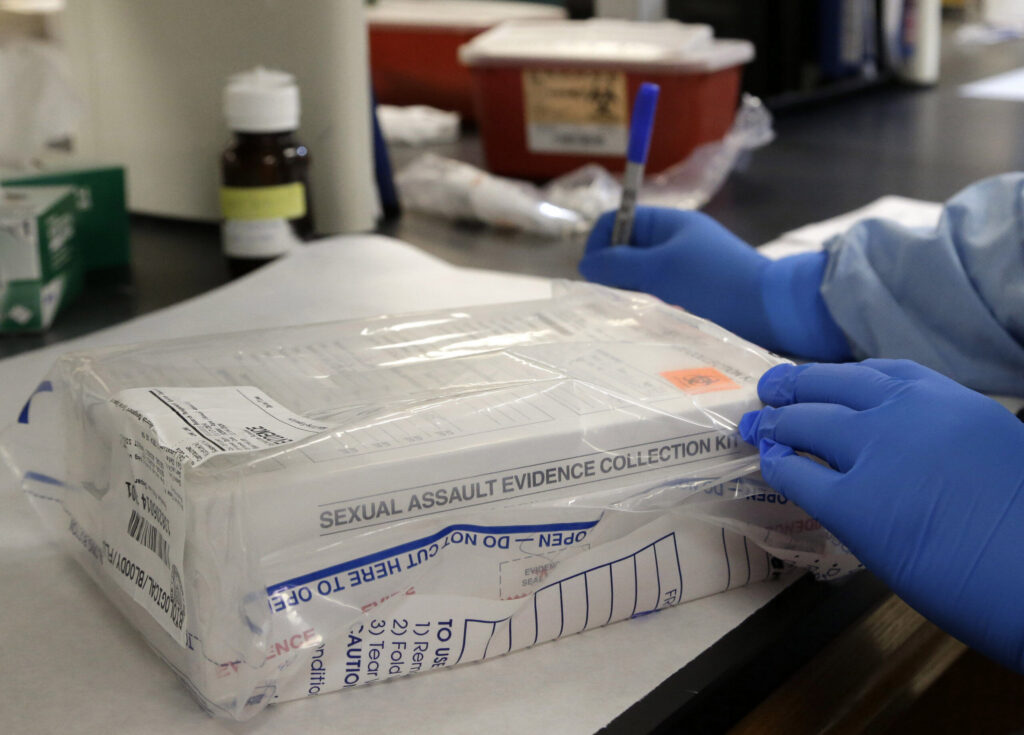
State audit: Rape kit backlog reduced but more work needed to hit goal
Jenny Deam
jenny-deam@coloradopolitics.com
Updated 3 hours ago
In the past year, the Colorado Bureau of Investigation has slashed the time it takes to process DNA collected in sexual assault cases, but the agency still is far short of its turnaround goal, the state auditor reported on Wednesday....

Daniel Domenico to take over as Colorado’s chief federal judge
Michael Karlik
michael.karlik@coloradopolitics.com
Updated 7 hours ago
Daniel D. Domenico will become the new chief judge of Colorado’s federal trial court next week, a role that encompasses the administration of the court as well as a judicial caseload. Under federal law, the chief judge of a U.S....
10th Circuit upholds violations, sanctions against Colorado Springs mental health hospital
Michael Karlik
michael.karlik@coloradopolitics.com
Updated 8 hours ago
The Denver-based federal appeals court agreed earlier this month that the government properly cited and penalized a Colorado Springs psychiatric hospital for failing to protect its staff from known risks posed by patients. The Occupational Safety and Health Administration inspected...
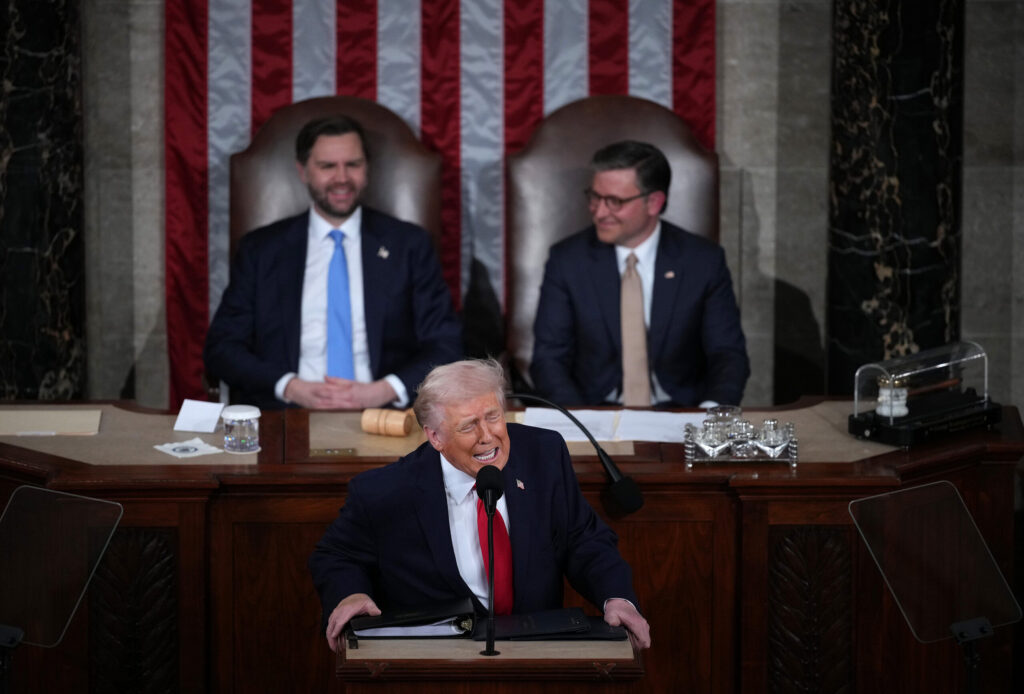
Vance working with DOJ and Treasury after Trump announces ‘war on fraud’
David Zimmermann Washington Examiner
davidzimmermannwashingtonexaminer@wpstage.coloradopolitics.com
Updated 8 hours ago
Vice President JD Vance confirmed on Wednesday that he is working with the Justice and Treasury Departments to root out fraud nationwide. During the State of the Union address Tuesday night, President Donald Trump announced Vance would lead the administration’s “war on...
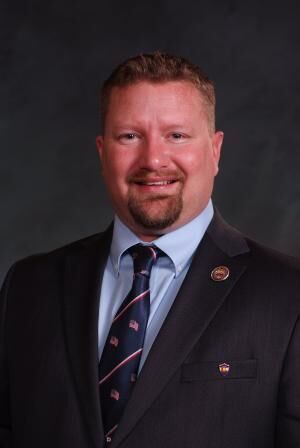
House Ethics Committee dismisses some claims, advances others against Rep. Ron Weinberg
Marianne Goodland
marianne.goodland@coloradopolitics.com
Updated 6 hours ago
The House Ethics Committee voted on Wednesday to accept three allegations filed against Rep. Ron Weinberg, R-Loveland, but combined two into one subject area. The two issues involve inappropriate comments made to female lawmakers in two separate incidents and the...
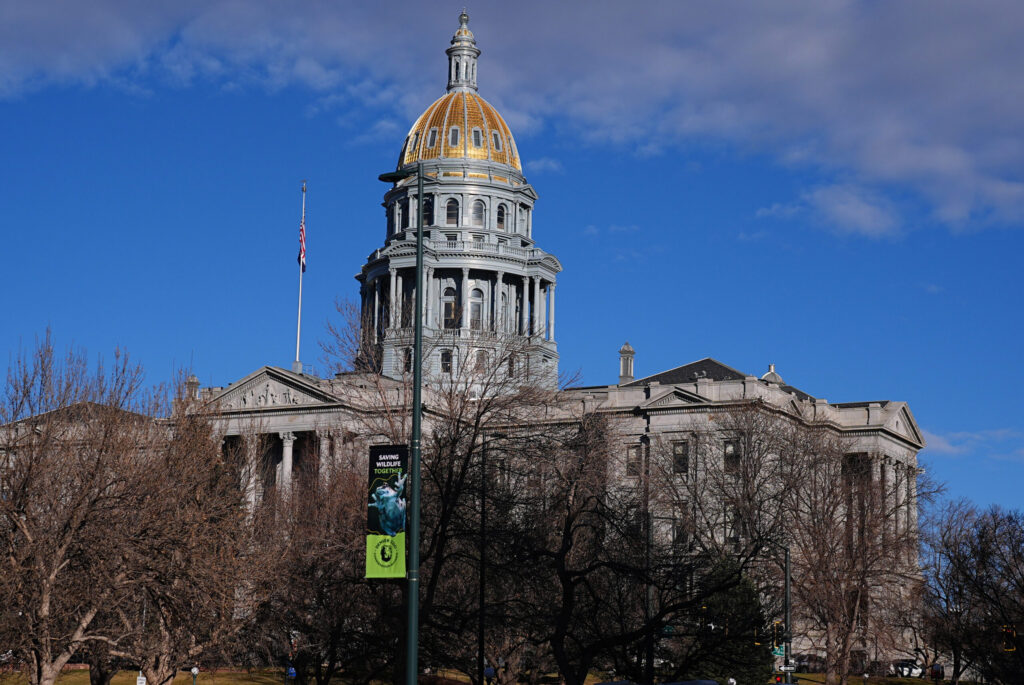
Bipartisan opposition sinks eviction bill in Colorado
Marissa Ventrelli
marissa.ventrelli@coloradopolitics.com
Updated 4 hours ago
Two Democrats sided with Republicans on a legislative panel to reject a proposal that would have made several changes to eviction filings and proceedings, including requiring judges to suppress court records. Sponsored by Rep. Junie Joseph, D-Boulder, House Bill 1047...
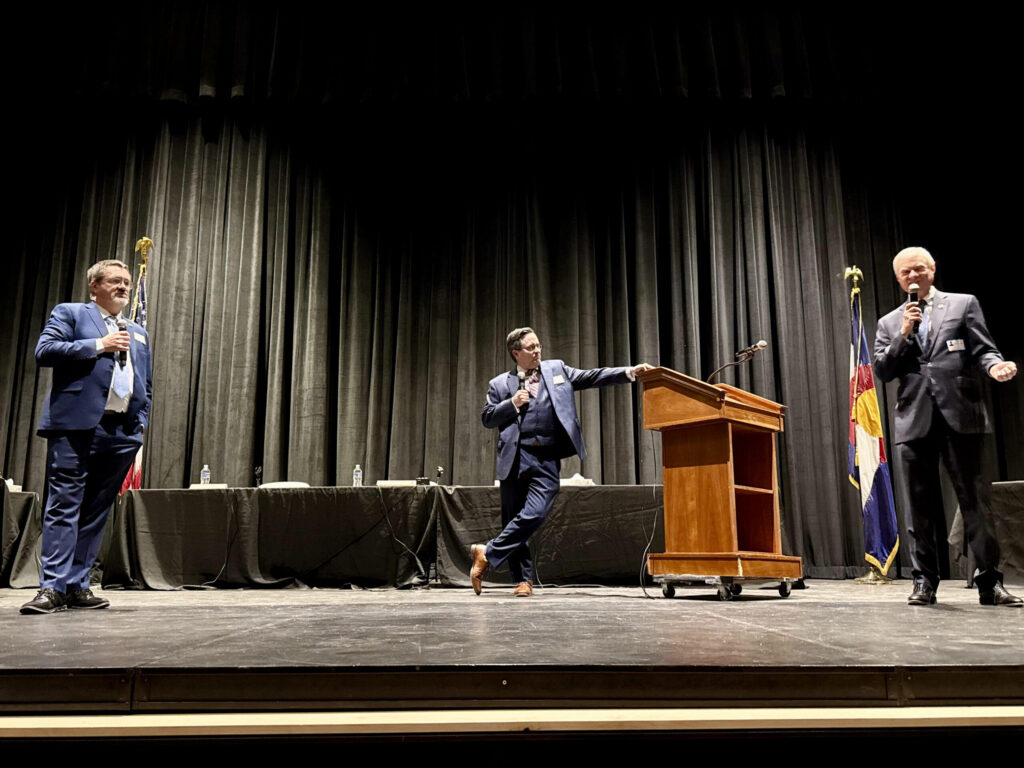
Appeals judges tell Boulder students about workload, ‘attack mode’ during school visit
Michael Karlik
michael.karlik@coloradopolitics.com
Updated 9 hours ago
Three judges on Colorado’s second-highest court traveled to Boulder on Tuesday to hear oral arguments in real cases and field questions from students about their professional paths, their workload on the Court of Appeals, and their approach to interacting with...
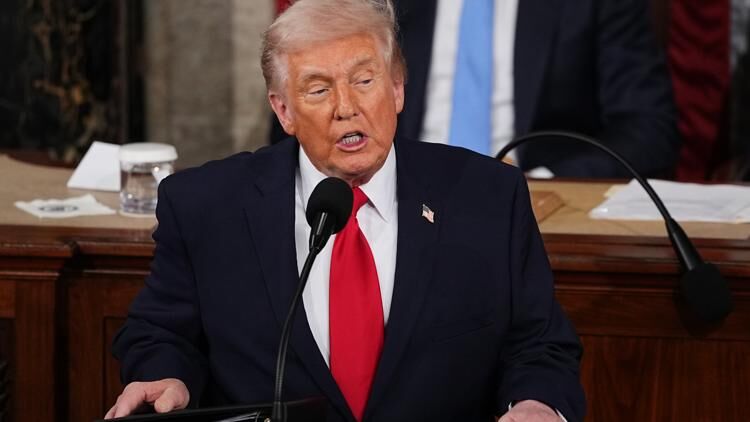
State of the Union: Here’s what Trump didn’t say
W. James Antle III Washington Examiner
wjamesantleiiiwashingtonexaminer@wpstage.coloradopolitics.com
Updated 10 hours ago
President Donald Trump made the case that happy days are here again in the first State of the Union of his second term, but there was little talk of transition or pain. “The state of our union is strong,” he...
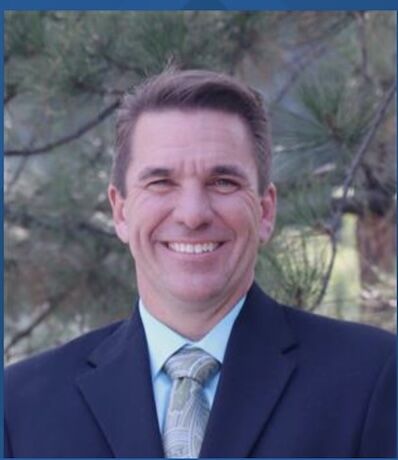
Ex-Cherry Creek superintendent must repay one month’s salary after abrupt resignation
Nico Brambila
nico.brambila@denvergazette.com
Updated 6 hours ago
Former Cherry Creek School District Superintendent Chris Smith must repay one month’s salary for failing to provide the board of education with three-month’s notice of his resignation, The Denver Gazette has learned. The board of education has not waived the...
PREV
PREVIOUS
Consumer groups blast last-minute lending bill
A late legislative session bill aimed at maintaining loan access for customers with bad credit is leaving consumer interest groups concerned that the measure will result in a higher cost of borrowing. Those same groups are calling on Gov. John Hickenlooper to veto the bill, which they see as a harmful piece of legislation that […]

Letters to the Editor
Dear Editor, A year has passed since the scaffolding was removed from the Colorado State Capitol building, and the result has Denver residents still scratching their heads. The cast iron dome tower is a distinctly darker, bluer shade of gray than the granite used to construct the body of the building, and like a mismatched […]