

Reject onerous ad limits in sports-betting bill | OPINION

By Justin Sasso
A dangerous precedent is potentially afoot in the Colorado state Senate right now, where a bill was recently introduced to restrict advertising for local broadcast media across Colorado.
Senate Bill 26-131, seemingly designed to discourage Coloradans from participating in legalized sports wagering, doesn’t just limit what can be advertised, but also when advertisements can air. The specific provision calls for a restriction of sports betting advertisements from airing during hours when those under 21 could make up a significant portion of the viewing audience.
At first glance, that may sound reasonable. But the reality of how local broadcast television and radio actually operate makes this far more complicated — and the consequences for Colorado’s local stations far more serious — than supporters of this bill acknowledge.
Banning advertising from legal, regulated businesses raises serious practical, legal, and policy concerns, but also unfairly targets local television and radio stations that serve as the main source of information for Colorado communities. The Colorado Broadcasters Association represents more than 300 local stations across our state. Though we are not the direct subjects of the legislation, make no mistake: this bill would have serious cascading effects on local broadcasters and the communities we serve. And yet it has gained momentum with little consideration given to its effect on Colorado’s economy or the stations at the heart of it.
Punishing local broadcasters for content from regulated, licensed and legal industries that the stations themselves did not produce, nor have any control over, is bad policy, placing an entirely unfair burden on our members across radio and television that are simply playing by the rules.
The bill also misses another basic reality of how broadcast television works. Local stations don’t control everything that airs on their channels. Much of their programming, including commercials, comes to them from the national networks or syndicated shows in full, complete packages. Local stations can’t edit those feeds to remove specific ads without disrupting the program itself. And because local broadcasters operate under federal FCC licenses with binding network distribution agreements, forcing them to alter that content could put them in direct legal jeopardy.
These requirements aren’t just unrealistic; they could also put local stations in an untenable legal position.
Perhaps most importantly, local broadcasters rely on advertising revenue to support daily newsroom operations. Across the country, we’re already seeing the loss of local newspapers, shrinking newsrooms, and fewer reporters covering state and local issues as advertising dollars move to digital platforms. Those same pressures are now hitting local radio and television. Removing an entire category of legal, regulated advertising from Colorado broadcasters will further weaken local journalism and public service programming — the very things that keep communities informed and connected.
Colorado deserves better. We urge lawmakers to reject these over-regulated advertising restrictions before they do lasting damage to local Colorado news stations and our communities.
Justin Sasso is a representative of the Colorado Broadcasters Association, whose members include more than 300 local radio and television stations across the state.

Colorado’s place in President Trump’s oil-and-gas approach | Paula Noonan
Paula Noonan
paula-noonan@coloradopolitics.com
Updated 2 hours ago
Head spinning is the unwanted reality of today’s world. Let’s start at the international level. The wars in the Middle East since the 1950s have never ended. Though religion and ethnicity are factors, oil and gas access is always predominant...

Reform to Colorado’s grantmaking drives efficiency, strengthens state’s partnership with nonprofits | OPINION
Colorado Politics
colorado-politics@coloradopolitics.com
Updated 2 hours ago
By Marco Dorado and Jack Murphy Colorado’s nonprofit sector is one of the most significant contributors to our state’s economic and civic life, with more than 14,000 registered nonprofit organizations supporting more than 262,000 jobs — approximately 10% of all...

Costly auto mandate amounts to needless overkill | FEEDBACK
Colorado Politics
colorado-politics@coloradopolitics.com
Updated 2 hours ago
HB26-1199 is currently in the legislature, and let me explain how this affects you. Currently in the state of Colorado, your vehicle’s emissions have to meet California standards even though you do not live in California. Though we all can agree...
Colorado legislators consider $500 million in general fund cuts amid $1.5 billion deficit
Marianne Goodland
marianne.goodland@coloradopolitics.com
Updated 9 hours ago
The legislature’s Joint Budget Committee is working through a list Wednesday of about 150 suggestions to cut as much as $1.5 billion in general fund dollars out of next year’s budget. The largest on the list prepared by JBC staff...
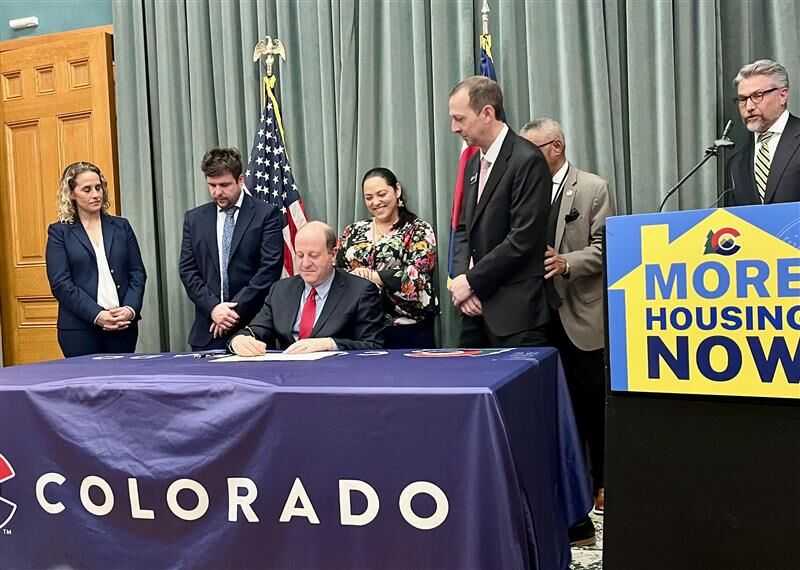
Colorado’s push for affordable housing continues as Gov. Polis signs HOME Act, workforce housing bill
Marissa Ventrelli
marissa.ventrelli@coloradopolitics.com
Updated 8 hours ago
Gov. Jared Polis held the first public bill signing of the 2026 legislative session on Wednesday, signing a pair of housing measures into law. The bills — House Bill 1001 and Senate Bill 001 — are part of Democrats’ affordable...
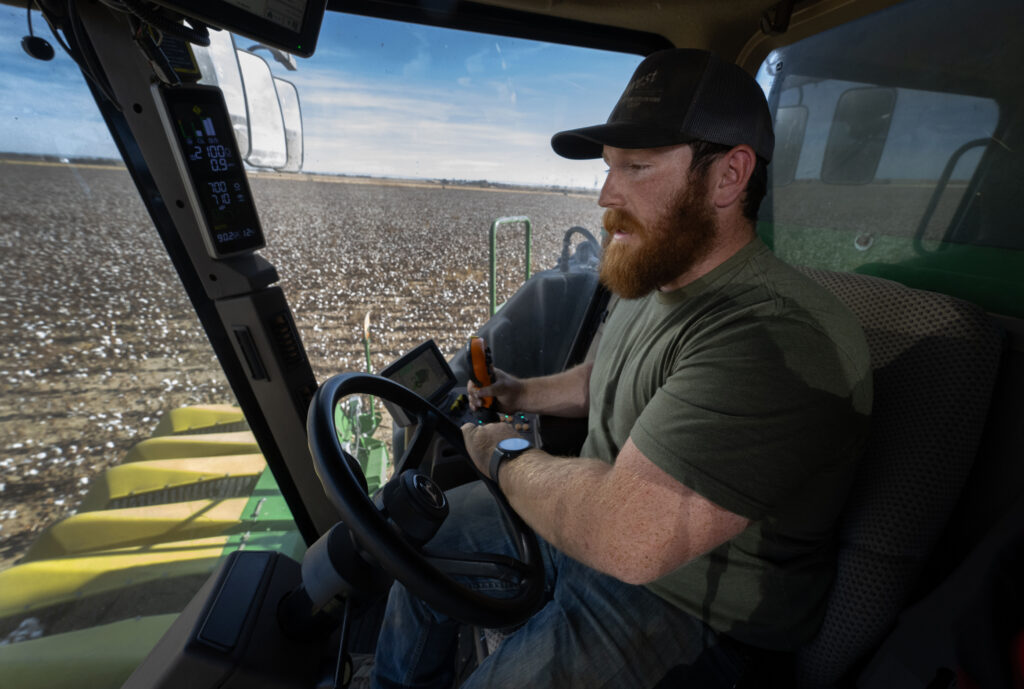
Colorado farmers begin spring planting season with soaring fertilizer costs and price-gouging fears
Marianne Goodland
marianne.goodland@coloradopolitics.com
Updated 10 hours ago
As Colorado farmers prepare their fields for spring planting, many are sounding the alarm over fertilizer prices that have surged far beyond what they say global supply disruptions can explain. With nitrogen costs up 30% in a matter of days,...

Colorado lawmakers approve $150,000 ibogaine study bill targeting PTSD and addiction
Marissa Ventrelli
marissa.ventrelli@coloradopolitics.com
Updated 9 hours ago
The Colorado House Health and Human Services Committee advanced a bill that would create a $150,000 research pilot program to study the safety and effectiveness of ibogaine, a psychoactive compound that claims to treat post-traumatic stress disorder, opioid addiction, and...
Colorado Democrats want large corporations to pay fee if employees are on Medicaid
Marianne Goodland
marianne.goodland@coloradopolitics.com
Updated 9 hours ago
Democrats are seeking to require Colorado’s largest corporations to pay thousands of dollars for each employee that relies on the Medicaid program for health insurance. They don’t have to pay the fee if they can demonstrate offering an “affordable health...
Congress needs to protect 340B for rural Colorado | PODIUM
Colorado Politics
colorado-politics@coloradopolitics.com
Updated 18 hours ago
By Rod Pelton A lot of politicians talk about understanding what life is like for our rural communities, but not many really do. I’m a third-generation Cheyenne County farmer and rancher; I grew up on the eastern plains of Colorado, raised...

Caldara overlooked facts in slamming utilities | FEEDBACK
Colorado Politics
colorado-politics@coloradopolitics.com
Updated 1 day ago
Normally, I appreciate the variety of perspectives published on Colorado Politics. But regarding Jon Caldara’s recent column on Xcel, he irresponsibly neglects key facts to the point of annihilating credibility (“Are our overlords normalizing power outages?” March 15). He neglects...
PREV
PREVIOUS

Reform to Colorado’s grantmaking drives efficiency, strengthens state’s partnership with nonprofits | OPINION
By Marco Dorado and Jack Murphy Colorado’s nonprofit sector is one of the most significant contributors to our state’s economic and civic life, with more than 14,000 registered nonprofit organizations supporting more than 262,000 jobs — approximately 10% of all the jobs across the state — and directly employing 182,000 people. The 2024 Colorado Nonprofit […]

Colorado's place in President Trump's oil-and-gas approach | Paula Noonan
Head spinning is the unwanted reality of today’s world. Let’s start at the international level. The wars in the Middle East since the 1950s have never ended. Though religion and ethnicity are factors, oil and gas access is always predominant for the U.S. Since oil-and-gas tankers moving through the Strait of Hormuz controlled by Iran […]