

Two front pages, one false choice for Colorado lawmakers | OPINION
Every day, the headlines remind us how fragile safety can be. Stories of violence, loss, and families searching for answers are becoming far too common — and they demand serious, thoughtful policymaking.
Recent reporting on federal immigration enforcement has been deeply troubling. Aggressive tactics, lack of accountability and the loss of civilian life have created real fear — especially in immigrant communities and communities of color. That fear is justified. When government power is exercised without restraint, trust erodes and communities suffer.
At the same time, we are reading about another kind of crisis: the disappearance of Nancy Guthrie, an 84-year-old woman believed to have been taken from her home in the middle of the night. Her medication is essential. Every hour matters. Investigators are racing against time, reviewing footage and license-plate-reader data in hopes of bringing her home safely.
These stories may seem unrelated, but together they highlight a central challenge in public safety policy: how to protect civil liberties while ensuring families are not left without help in moments of crisis.
That is why Senate Bill 26-070 is so concerning.
Clear guardrails on public safety technologies are necessary. Colorado should be explicit that federal immigration authorities should not have access to local license-plate-reader systems. Data must be securely stored. Vendors must be vetted. Agencies that misuse technology must face real consequences. Accountability is not optional — it is essential.
But SB 26-070 does not establish guardrails. Instead, it goes much further, effectively disabling the use of license-plate-reader technology altogether. In doing so, it removes a critical tool from local first responders — one often used in the most time-sensitive situations, such as locating missing people or responding to violent crimes.
In cases like the Guthrie disappearance, investigators have publicly stated license plate data may be key to locating her in time. That kind of focused, urgent use of technology can make the difference between rescue and tragedy.
Now imagine a similar situation here in Colorado. A parent taken from their home overnight. A child abducted in a vehicle witnesses remember but cannot identify. Under SB 26-070, law enforcement would be unable to quickly search for that vehicle or connect time-sensitive information when every minute counts.
That is not accountability. That is removing tools families rely on in their darkest moments.
Colorado should reject the false choice between protecting civil liberties and protecting victims. We can — and must — do both.
A balanced approach is achievable: prohibit ICE access to local license-plate-reader systems; limit use to serious crimes and missing persons; require transparency, audits and enforceable penalties for misuse; and set strong standards for vendors and data security.
What we should not do is pass a bill that effectively bans a technology that, when properly regulated, helps families find answers and saves lives.
If someone in Colorado loses a loved one or watches a family member disappear into the night, they should never have to hear, “We don’t have the tools to help you.”
SB 26-070, as written, risks leaving families with only questions — and the most painful one of all: how did we let this happen?
Colorado lawmakers can do better. Our communities deserve both safety and safeguards, not a false choice between them.
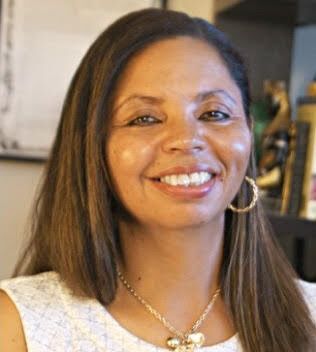
Maya Wheeler is executive director of the Wezesha Dada Center a nonprofit helping people build safer and more stable lives through economic opportunity and is a past chair of the African-American Initiative of the Colorado Democratic Party and Past President of Colorado Black Women for Political Action.

Untraditional education platform makes fool out of state ed department | Paula Noonan
Paula Noonan
paula-noonan@coloradopolitics.com
Updated 11 hours ago
It’s April Fool’s week and ERBOCES, Education Re-envisioned BOCES, is one of the state’s biggest jokers. This untraditional education platform authorized through five founding school districts including Falcon School District 49 in El Paso County has played the Colorado Department...
Judge rules that Colorado law makes it too hard for parties to bar unaffiliated voters from primaries
Ernest Luning
ernest.luning@coloradopolitics.com
Updated 11 hours ago
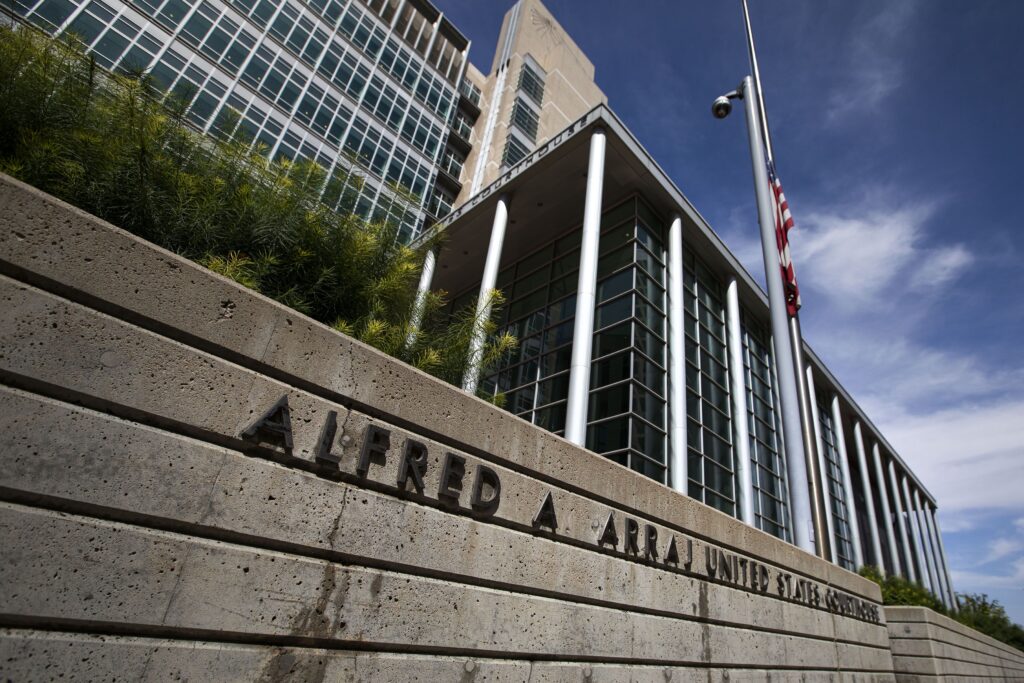
A federal judge ruled in favor of the Colorado Republican Party late Tuesday, saying that a portion of the state law that allows unaffiliated voters to cast ballots in party primaries is unconstitutional because it imposes an unrealistic burden on...

Colorado leaders say Trump’s executive order targeting mail voting violates state election authority
Marissa Ventrelli
marissa.ventrelli@coloradopolitics.com
Updated 13 hours ago
Colorado leaders criticized President Donald Trump’s new executive order issued Tuesday, arguing that its creation of a national voter‑eligibility list and new limits on mail voting violate states’ constitutional authority to run their own elections. President Donald Trump has frequently...

‘Steel for fuel’ — but bill consumers for both | PODIUM
Colorado Politics
colorado-politics@coloradopolitics.com
Updated 1 day ago
By Sarah Montalbano In 2018, Xcel Energy, an investor-owned utility serving millions of customers across eight states, was the first U.S. utility to pledge to deliver 100% carbon-free electricity by 2050. Eight years later, Xcel is pleading with Colorado...

Mental health education for coaches can help young athletes on and off the field | OPINION
Colorado Politics
colorado-politics@coloradopolitics.com
Updated 1 day ago
By Erin Harrop Youth athletics have become significantly more intense and competitive. The physical effects of training or injury can be grueling — but so are the mental health effects, particularly as performance pressure increases. As leaders and mentors, coaches...

Colorado leaders weigh next steps after Supreme Court rejects state ban on ‘conversion therapy’
Marissa Ventrelli
marissa.ventrelli@coloradopolitics.com
Updated 1 day ago
Colorado leaders said they are weighing next steps after the U.S. Supreme Court on Tuesday rejected the state’s ban on “conversion therapy” for children, as critics and supporters cheered or lambasted the ruling. The court’s near-unanimous decision called the Colorado...

Colorado lawmakers push legislation to shrink RTD board, increase pay as ridership struggles persist
Marissa Ventrelli
marissa.ventrelli@coloradopolitics.com
Updated 13 hours ago
Colorado lawmakers are advancing a new push to overhaul the Regional Transportation District, proposing to shrink the board, raise member pay and boost ridership back to pre-pandemic levels. While some stakeholders see the effort as a step forward, others warn...

Colorado legislators drove up cost of Medicaid program
Marissa Ventrelli
marissa.ventrelli@coloradopolitics.com
Updated 2 days ago
Some of Colorado’s spending woes in Medicaid can be traced to lawmakers who had approved new or expanded programs in the last few years, driving up state costs to the tune of tens of millions of dollars. Just three measures...
Legislature busy sending lots of minor bills for governor’s signature | Hal Bidlack
Hal Bidlack
hal-bidlack@coloradopolitics.com
Updated 2 days ago
One of the benefits of being, well, I guess technically, some type of journalist writing here on Colorado Politics, isI get on interesting mailing lists. A while back, some kind soul in the governor’s office added me to the daily...
SB26-140 will protect access to rare disease treatments | OPINION
Colorado Politics
colorado-politics@coloradopolitics.com
Updated 2 days ago
By Amanda Boone There are moments in life that leave an indelible mark on your soul. For me, one came in the middle of the night when I took a full breath for the first time in over a decade....
PREV
PREVIOUS

Hardworking Coloradans deserve dignity, right to access wages they earned | OPINION
By Monica Duran and Sean Camacho Across Colorado, too many families are doing everything right, yet still cannot make ends meet every month. Inflation has driven up the cost of groceries, rent, childcare and gas, while wages remain unchanged. For nearly 40%of Coloradans living paycheck to paycheck, just one unexpected expense — a car repair, […]

Colorado policymakers scramble with prisons on track to exceed capacity
Colorado’s prison system is on track to exceed capacity within the next year, driven by a sharp slowdown in parole releases, staffing shortages and an aging inmate population — all as lawmakers grapple with an $800 million general fund shortfall that limits options for expanding beds or spending in alternative programs. If projections hold, the […]