

SNAP recipients in five states will be banned from using assistance for candy and soda, beginning 2026
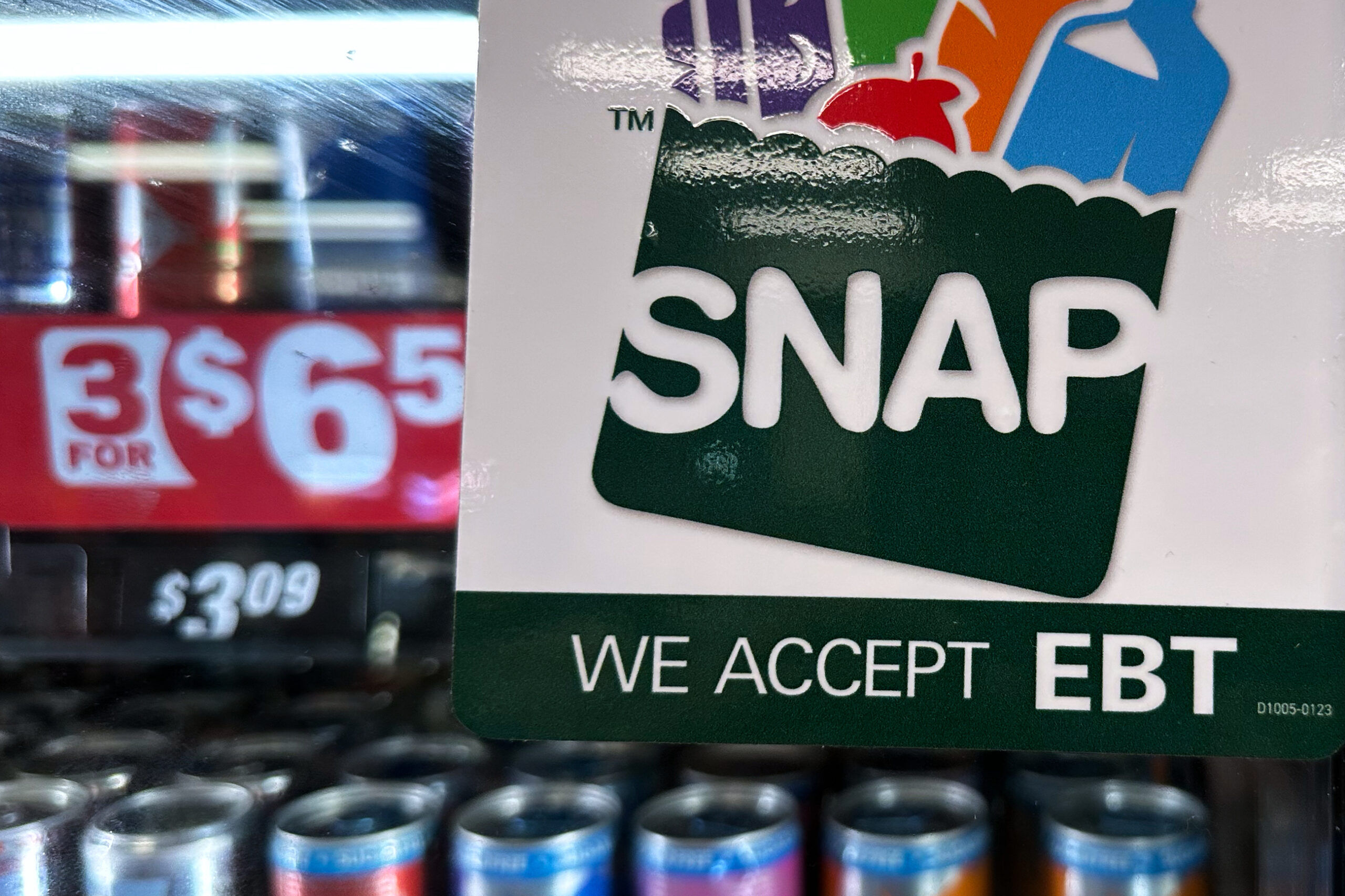
More than 1.4 million recipients of the Supplemental Nutrition Assistance Program across five states will be banned from using federal food assistance for candy and soda purchases, starting Thursday.
Indiana, Iowa, Nebraska, Utah, and West Virginia are the first group of 18 states to set food restriction waivers at the start of the new year, according to the Department of Agriculture. The waivers target different junk food items in each state.
Indiana will soon restrict the purchase of soft drinks and candy using SNAP, while Iowa will restrict those items and all other taxable foods as defined by the Iowa Department of Revenue, except produce. Nebraska will place restrictions on soda and energy drinks. Utah and West Virginia will both ban SNAP purchases of soda and soft drinks.
The move taken by multiple states marks a departure from precedent. SNAP benefits have historically been used for any foods or drinks, excluding alcohol, tobacco, and prepared hot foods. The exceptions have been limited to those categories since 1964. But in 2026, the restrictions will extend to junk food.
The soda and candy restrictions are part of the Trump administration’s Make America Healthy Again policy framework, spearheaded by Health and Human Services Secretary Robert F. Kennedy Jr. and Secretary of Agriculture Brooke Rollins.
Critics argue the resulting changes from the new restrictions will only further stress the food program and worsen the customer experience. The National Retail Federation anticipates longer checkout lines and more customer complaints once the waivers restrict certain junk foods.
There are also concerns about the waivers’ burdening costs on retailers. The National Grocers Association, the Food Industry Association, and the National Association of Convenience Stores estimate retailers could lose $1.6 billion initially and an additional $759 million per year.
USDA is requiring all affected SNAP retailers to comply with the changes in the respective states.
Thirteen other states have committed to enacting food restriction waivers on candy, soda, and other unhealthy items. However, those waivers won’t be implemented until later in 2026.
Starting April 1, Virginia will only restrict purchases of “sweetened beverages.” Later that month, Florida will restrict SNAP payments for soda, energy drinks, candy, and prepared desserts.
The waivers will run for an initial two-year period once implemented after receiving approval from the Food and Nutrition Service, the agency’s acting administrator, Patrick Penn, wrote in a memorandum. Each approved state is required to assess and evaluate the impact of the waivers.
“The success of these projects will hinge on the collaborative efforts of SNAP state agencies, retailers, and FNS,” Penn said on Tuesday. “FNS applauds the many state agencies and thousands of retailers that have been engaged in preparing for these bold projects thus far, and we are excited to continue this important work.”
Rep. Mike Kennedy (R-UT) hailed the upcoming change to SNAP benefits in Utah, home to nearly 170,000 SNAP recipients.
“I co-sponsored the Healthy SNAP Act that will require the USDA to promote healthy long-term nutrition,” he said on X, referencing the pending legislation. “This isn’t just about changing what is in the grocery cart; it’s about investing in the health of Utah’s families.”

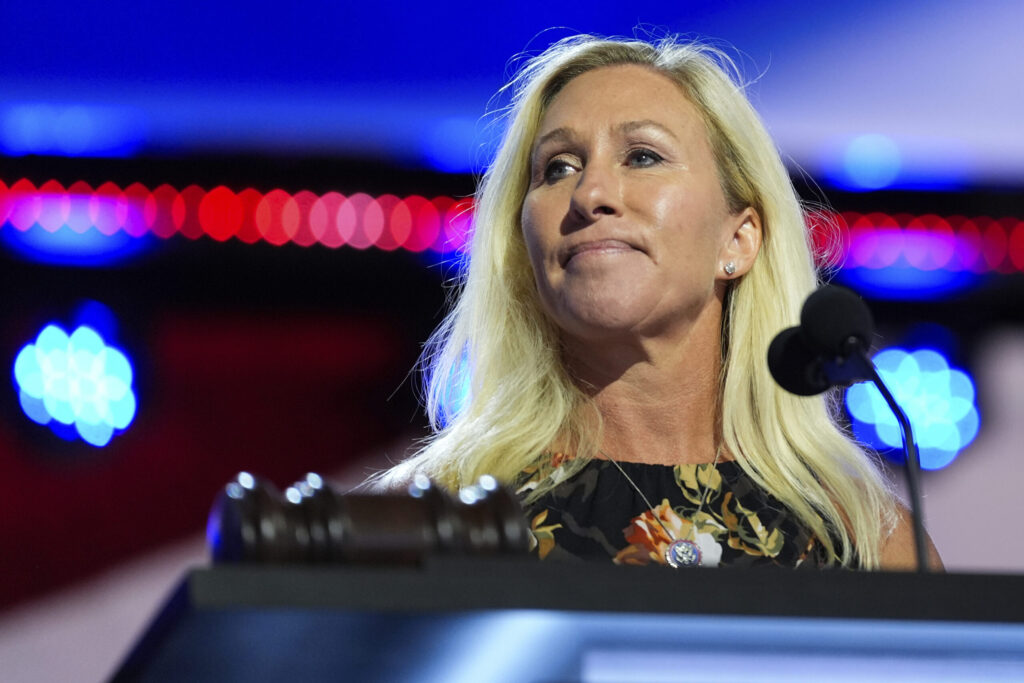
Here’s where House retirements stand as clock strikes midnight on 2025
Rachel Schilke, Washington Examiner
rachel.schilke.washington.examiner@gazetteedit.wpenginepowered.com
Updated 2 hours ago
The House will return on Jan. 6, and with it, some 10% of lawmakers will start their final year in the lower chamber, either retiring or seeking higher office in the 2026 midterm elections. The lower chamber will get its...

Trump’s first year back in office: Four successes and four failures
NAOMI LIM Washington Examiner
naomi-lim-washington-examiner@coloradopolitics.com
Updated 23 minutes ago
President Donald Trump is closing a seismic year as the country’s commander in chief. Since the first day of his second administration, when he issued 26 executive orders, 12 presidential memos, and four proclamations, the most first-day actions of any...

From Pope Francis to Charlie Kirk, many deaths in 2025 had a wide impact
Bernard Mcghee
bernard.mcghee@associatedpress.com
Updated 6 hours ago
The death of Pope Francis brought change to the Catholic Church, which counts 1.4 billion adherents and is now led — for the first time — by an American pope. The fatal shooting of conservative activist Charlie Kirk as he...

Saudi Arabia strikes Mukalla port over ‘extremely dangerous’ actions by ally UAE
Brady Knox, Washington Examiner
brady.knox.washington.examiner@gazetteedit.wpenginepowered.com
Updated 1 day ago
Saudi Arabia launched airstrikes targeting Emirati equipment unloading at the port of Mukalla in Yemen on Tuesday after accusing its ally of “extremely dangerous” actions, a major escalation in the war-torn nation. After weeks of high tensions following the Emirati-backed...
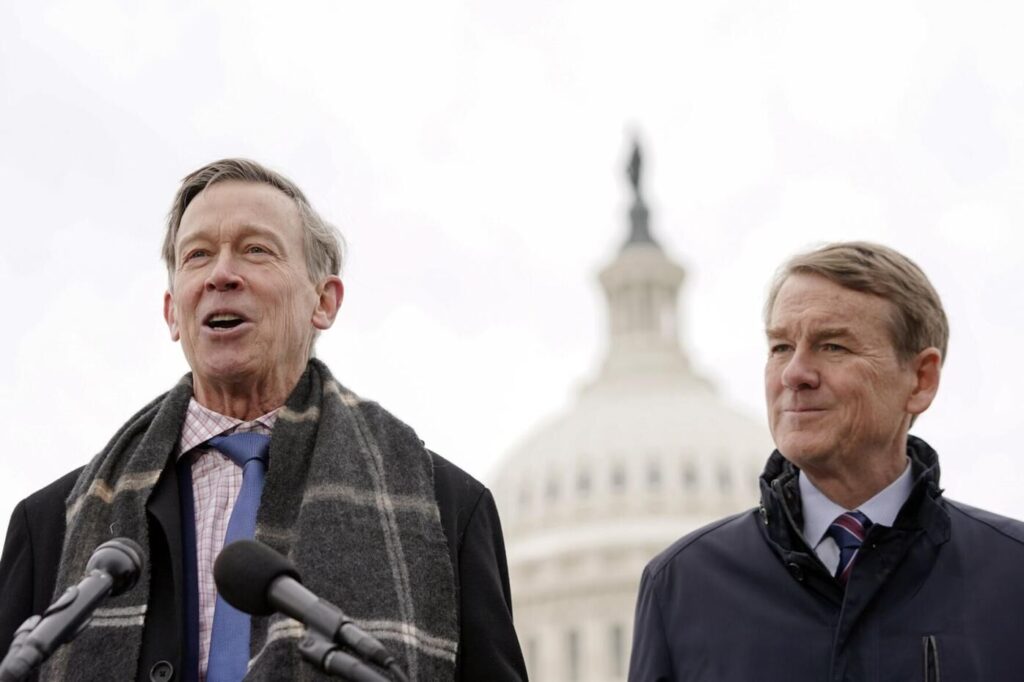
Trump’s latest funding cuts dampen bipartisan dealmaking in 2026
Ramsey Touchberry, Washington Examiner
ramsey.touchberry.washington.examiner@gazetteedit.wpenginepowered.com
Updated 1 day ago
Senate Republicans are optimistic about bipartisanship beyond healthcare next year, despite the looming midterm elections, but some of President Donald Trump’s latest actions could thwart the appetite for deal-making. The administration is dismantling a federal climate center and halting construction...

The 2026 battleground: Congress’s most vulnerable House and Senate seats
Samantha-Jo Roth, Washington Examiner
samantha-jo.roth.washington.examiner@gazetteedit.wpenginepowered.com
Updated 1 day ago
With control of Congress expected to hinge on a narrow margin in 2026, a small group of House and Senate incumbents is already emerging as the most vulnerable lawmakers of the coming cycle. Both parties are already zeroing in on...

Trump administration awards rural health ‘transformation’ grants to all 50 states
Christian Datoc, Washington Examiner
christian.datoc.washington.examiner@gazetteedit.wpenginepowered.com
Updated 2 days ago
The Trump administration announced hundreds of millions of dollars in new healthcare grants for all 50 states on Monday as part of a program launched by President Donald Trump’s One Big Beautiful Bill Act over the summer. The law allocated...
Health insurers drift leftward in campaign donations even as they seek to sway GOP
Robert Schmad, Washington Examiner
robert.schmad.washington.examiner@gazetteedit.wpenginepowered.com
Updated 2 days ago
Insurance lobbyists are working hard on Capitol Hill in an attempt to sway centrist Republicans into their camp as party leadership expresses strong skepticism toward extending enhanced Obamacare subsidies. As these lobbyists take meetings with GOP staffers and members, however,...

From Pope Francis to Charlie Kirk, many deaths in 2025 had a wide impact
The Associated Press
the-associated-press@coloradopolitics.com
Updated 5 days ago
The death of Pope Francis brought change to the Catholic Church, which counts 1.4 billion adherents and is now led — for the first time — by an American pope. The fatal shooting of conservative activist Charlie Kirk as he...
Democrats and Republicans tied on economy heading into 2026, survey finds
Rachel Schilke, Washington Examiner
rachel.schilke.washington.examiner@gazetteedit.wpenginepowered.com
Updated 5 days ago
Voter confidence in Democrats and Republicans regarding the handling of the economy is evenly split, according to recent polling, highlighting the challenge both parties face on a central matter ahead of the 2026 midterm elections. A survey released on Thursday...
PREV
PREVIOUS

Trump’s first year back in office: Four successes and four failures
President Donald Trump is closing a seismic year as the country’s commander in chief. Since the first day of his second administration, when he issued 26 executive orders, 12 presidential memos, and four proclamations, the most first-day actions of any U.S. president, Trump has reshaped Washington, D.C. He hasn’t had it all his own way, […]
Here’s where House retirements stand as clock strikes midnight on 2025
The House will return on Jan. 6, and with it, some 10% of lawmakers will start their final year in the lower chamber, either retiring or seeking higher office in the 2026 midterm elections. The lower chamber will get its first departure on Jan. 5. Rep. Marjorie Taylor Greene (R-GA) announced in November that she […]