

Didn’t like the blackouts? Better get used to them | Jon Caldara

I usually write this column at home. That was impossible this time, since I was one of the lucky 110,000 households without power for a full day during the recent windstorms.
For those of you who shared this magical experience, congratulations — you’ve now had a sneak preview of Colorado’s 100% renewable energy lifestyle. No waiting. No reservation required.
For us fortunate 110,000, the reality of “unreliable energy” arrived quickly: The house goes dark; people get cold; refrigerated food and medicines quietly die; folks on home oxygen machines fumble around in the dark for backup tanks; no cooked meals; garage doors refuse to open; Teslas sit silently, judging their owners, and worst of all — no electronic entertainment.
Nirvana. Absolute green renewable Nirvana.
There’s a certain poetry in chasing a wind-powered energy future only to be plunged into darkness by a little wind. It’s like building a house entirely out of matchsticks and being shocked when fire shows up.
Of course, Xcel Energy was perfectly happy to shut off the power during windstorms. Not because they learned any lessons from the Marshall Fire they started a few years back — the one that devoured more than 1,000 homes — but because they want to teach us a lesson.
Call it behavior conditioning.
They’re teaching us that fires aren’t their fault; they’re the wind’s fault. As if Colorado just discovered wind last Tuesday. They’re also teaching us to “get used to” power outages — outages they, along with the policymakers they’re joined at the hip with, know are coming.
Fires like Marshall don’t happen because of some mysterious new climate phenomenon. They happen because Xcel doesn’t maintain its infrastructure the way it’s required to. High winds — including wild gusts — have always been part of life here. Their grid should handle it.
And once upon a time, it did.
So what changed?
Colorado’s energy monopolies don’t make money maintaining the stuff they already have. They make money building new stuff. And the “new energy economy” is all about building shiny new stuff.
When a monopoly utility gets permission to build a new power plant, wind farm, solar array, or transmission line, it gets a guaranteed profit — politely called a “rate of return.” For every bolt they buy for a dollar, they charge us a buck fifteen. Risk-free profit. A utility executive’s love language.
And what are we going to do? Switch to the other power company?
But when it comes time to maintain existing infrastructure, they usually aren’t allowed to tack on that guaranteed profit. When they buy screws and bolts to fix old equipment, they can only charge us for the screws and bolts.
So if you were a power monopoly, where would you put your energy?
Feel-good green projects like windmills and solar farms — which conveniently require new backup generators and twice as many power lines — come with guaranteed profits on everything. Maintenance? That’s just charity work.
It doesn’t take many years of chasing high-profit green projects while neglecting zero-profit maintenance before you end up with something like the Marshall Fire.
And the incentive to turn off the lights on us? Well, it’s probably easier to deal with 110,000 angry customers who have no alternative than it is to honor your obligation to provide reliable power.
But I suspect this is about more than wildfire liability. I think they’re conditioning us for a new lifestyle: energy scarcity.
Don’t be surprised when public service announcements start popping up.
“Be energy wise! Keep flashlights charged, stock backup batteries, and remember to park your car outside your electric garage on windy days — so it can be easily stolen.”
The situation isn’t going to get better. It’s going to get worse, thanks to the absolutely insane push for 100% renewable energy in Colorado.
The problem isn’t ideology. It’s physics. There is no realistic way to replace dependable fossil-fuel power — which still provides about two-thirds of Colorado’s electricity — with enough occasionally spinning windmills.
Simple math is a cruel mistress.
The closer we get to the unreachable dream of 100% renewable energy, the more power failures we’ll have. And people will die.
Let’s be thankful this windstorm happened on a mild day. Had this been during a deep freeze, people would have died.
They are preparing us for energy scarcity.
You have been warned.
Jon Caldara is president of the Independence Institute in Denver and hosts “The Devil’s Advocate with Jon Caldara” on Colorado Public Television Channel 12. His column appears Sundays in Colorado Politics.


Fort Lewis College student proud of new Turning Point USA chapter despite backlash
Elizabeth Pond, Special to The Denver Gazette
elizabeth.pond@gazette.com
Updated 18 hours ago
Before Fort Lewis College senior Jonah Flynn became president of the newly formed FLC Turning Point USA chapter, he described himself as a liberal-leaning atheist. Flynn, a senior studying philosophy and Spanish, gained local and national attention after the Associated...
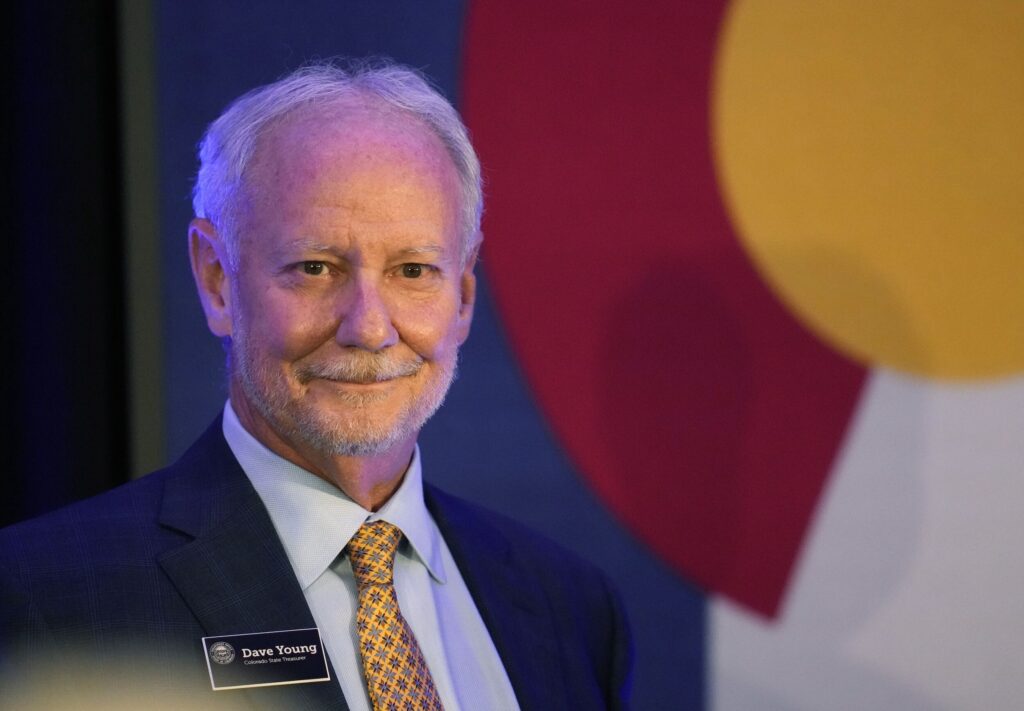
State Treasurer Dave Young withdraws from Democratic primary in Colorado’s 8th Congressional District
Ernest Luning
ernest.luning@coloradopolitics.com
Updated 1 day ago
Colorado State Treasurer Dave Young announced Friday that he is ending his bid to challenge Republican U.S. Rep. Gabe Evans in the competitive 8th Congressional District, leaving three Democrats running in next year’s primary. Young, a former state lawmaker from...

Webb scrambles to make a decision; Colorado legislator seeks to address Bush-Gore recount | A LOOK BACK
Rachael Wright
rachael.wright@coloradopolitics.com
Updated 4 days ago
Thirty-Five Years Ago This Week: At a party hosted by the North Denver Democrats, Wellington Webb, Denver City Auditor, addressed the furor that had been created by Denver Mayor Federico Peña’s shock announcement that he would not run for a...
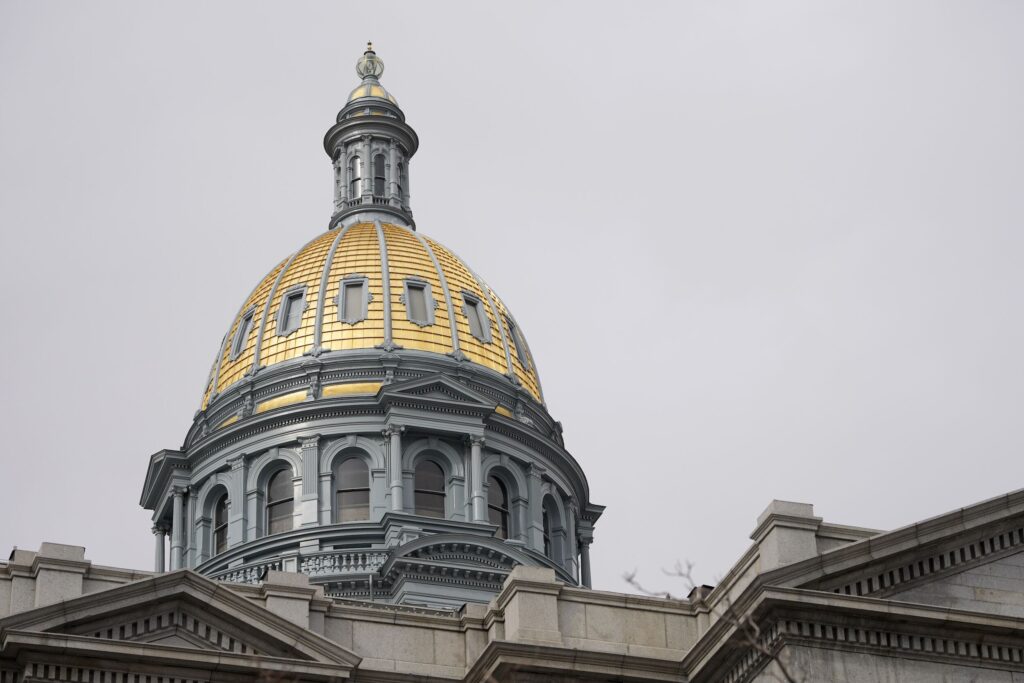
Forecast shows slowing growth in Colorado
Marianne Goodland
marianne.goodland@coloradopolitics.com
Updated 2 days ago
Missing federal data complicates state forecast Colorado’s economy is holding steady, though growing warnings, particularly in consumer demand and spending, are emerging, according to state economists’ latest forecast. The December forecast presented on Friday was not as complete, given the...

Federal court issues injunction on Colorado gas stove labels law
Marissa Ventrelli
marissa.ventrelli@coloradopolitics.com
Updated 2 days ago
A federal judge in Denver has issued an injunction blocking enforcement of a newly enacted state law that would have required retailers to place labels on gas-fueled stoves with warnings about their potential effects on air quality. The law, House...
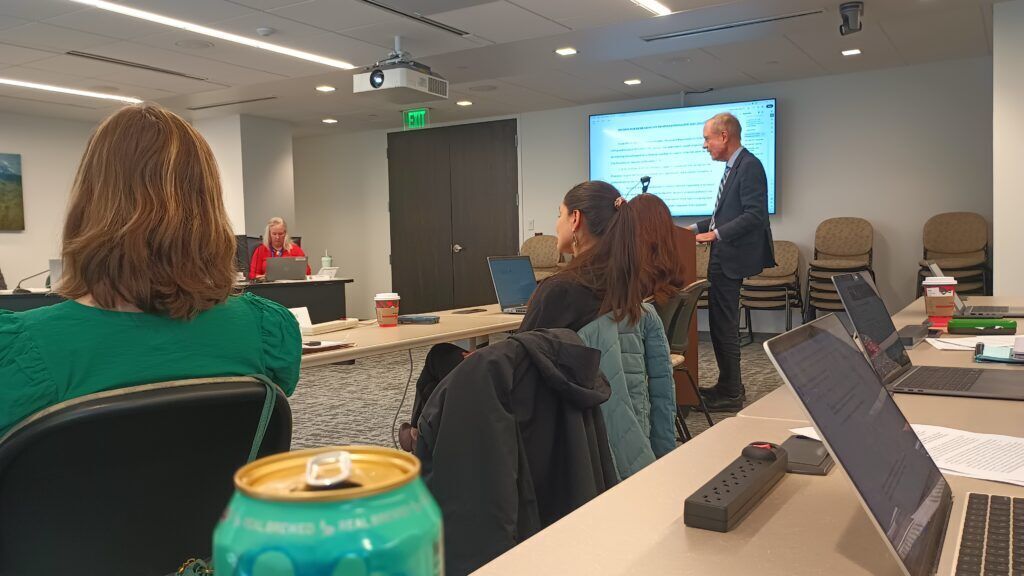
Colorado officials stall progressive income tax ballot initiative again by declaring it to have multiple subjects
Ed Sealover
ed-sealover@coloradopolitics.com
Updated 18 hours ago
In a saga offering more twists than a soap opera, Colorado Title Board members reversed course on Wednesday and determined an initiative to establish a progressive income tax doesn’t qualify for the 2026 ballot because it doesn’t have a single...
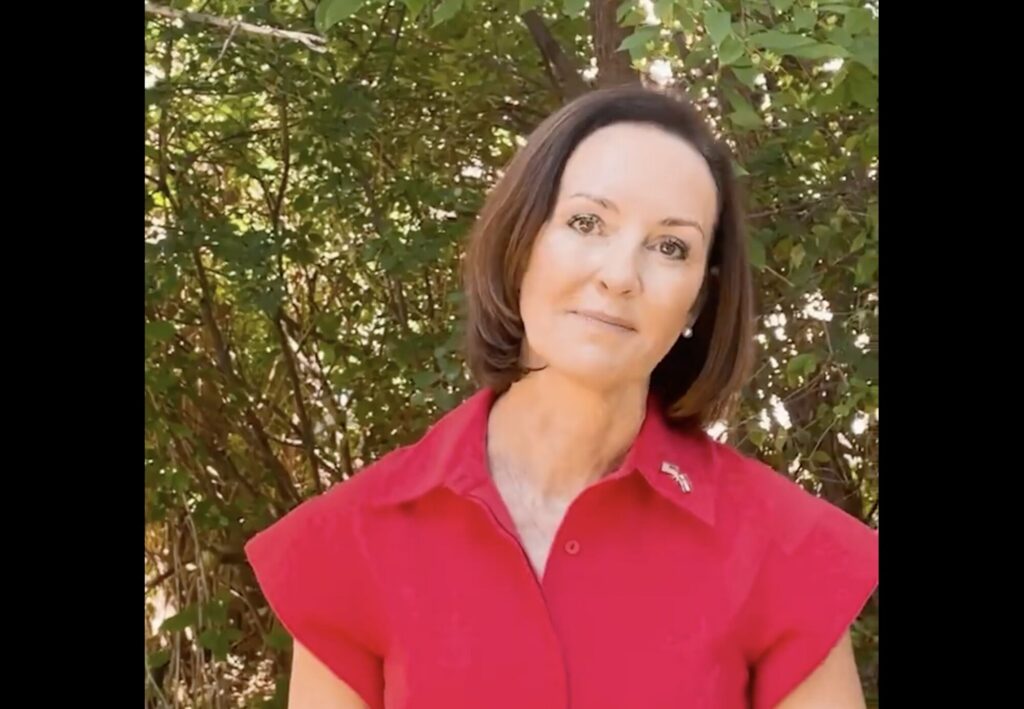
Crank challenger Jessica Killin racks up endorsements from all of Colorado’s congressional Democrats
Ernest Luning
ernest.luning@coloradopolitics.com
Updated 2 days ago
U.S. Sen. John Hickenlooper on Thursday endorsed fellow Democrat Jessica Killin’s bid to oust Republican U.S. Rep. Jeff Crank in Colorado’s 5th Congressional District, giving the first-time candidate a clean sweep of support from the state’s six-member Democratic delegation. Killin,...

Improving access to health care needs Colorado-driven solutions | OPINION
Colorado Politics
colorado-politics@coloradopolitics.com
Updated 2 days ago
By Tony Henderson More than ever, Colorado families need a health care system they can count on. Our state is still trapped in a period of instability that is making it harder for people to get care when and where...

US House passes Colorado Rep. Lauren Boebert’s bill to remove gray wolves from endangered species list
Marianne Goodland
marianne.goodland@coloradopolitics.com
Updated 2 days ago
A bill sponsored by U.S. Rep. Lauren Boebert of Colorado to delist the gray wolf from federal protections for endangered species cleared the U.S. House late on Thursday, setting up a fight in the U.S. Senate over a measure supporters...

Lawmakers from Colorado, 6 other states decry federal actions on illegal immigration
Marissa Ventrelli
marissa.ventrelli@coloradopolitics.com
Updated 2 days ago
A pair of Colorado state lawmakers joined elected officials from six other states at a media briefing on Thursday to discuss responses to the federal government’s crackdown on illegal immigration. The meeting, hosted by State Futures, featured a dozen Democratic...
PREV
PREVIOUS

State Treasurer Dave Young withdraws from Democratic primary in Colorado's 8th Congressional District
Colorado State Treasurer Dave Young announced Friday that he is ending his bid to challenge Republican U.S. Rep. Gabe Evans in the competitive 8th Congressional District, leaving three Democrats running in next year’s primary. Young, a former state lawmaker from Greeley who faces term limits in his current position, said in a statement that a […]

Fort Lewis College student proud of new Turning Point USA chapter despite backlash
Before Fort Lewis College senior Jonah Flynn became president of the newly formed FLC Turning Point USA chapter, he described himself as a liberal-leaning atheist. Flynn, a senior studying philosophy and Spanish, gained local and national attention after the Associated Students of Fort Lewis College initially denied his request to start a Turning Point chapter […]