

ICE arrest of student after traffic stop spotlights Colorado’s non-cooperation policy
On June 5, a University of Utah student was pulled over by a Mesa County police officer for following a semitrailer too closely.
Caroline Dias Goncalves was asked where she was born and was released with a warning.
But after exiting Interstate 70 at Loma, Immigration and Customs Enforcement agents stopped, arrested and took her to a detention center in Aurora. Dias Goncalves, who was born in Brazil and came to the U.S. under a tourist visa when she was 7, has been living in Utah for 12 years. She overstayed her visa about a decade ago and has a pending asylum case.
During the 20-minute traffic stop, Investigator Alexander Zwinick, a K9 officer assigned to the Sheriff’s Office drug interdiction team, shared Dias Goncalves’ information to a Signal drug interdiction communication group. This communication group included a number of local, state and federal law enforcement agencies that focus on the highways of western Colorado.


Dias Goncalves’ lawyer now claims this sharing of information is improper in a case that puts yet another spotlight on Colorado’s policy that bars local law enforcement from cooperating with federal agents on immigration enforcement. This year, Colorado legislators expanded the law’s information sharing prohibition to all political subdivisions of the state.
Crucially, the case of Dias Goncalves has prompted the Colorado State Patrol to stop sharing information on the Signal chat.
A Colorado congressman lamented that the state’s “sanctuary” policies have now made life “more dangerous” for residents by hampering local officers’ ability to work with federal agents, an assessment many in law enforcement share.
Meanwhile, Dias Goncalves’ attorney, Jon Hyman at Peak Justice Group, said that her arrest should not have happened in the first place.
“She has no criminal record, was not shown a warrant, and as the Mesa County Sheriff’s Office has since revealed, her arrest was only attributable to improper coordination between local law enforcement and ICE,” Hyman said in a news release. “Investigations should continue to ensure that other young immigrants in Colorado do not have to go through the same harrowing experiences.”
On May 23, Gov. Jared Polis signed into law Senate Bill 25-276, which, at its core, reemphasized existing state law that precludes local law enforcers from detaining an individual based on an “immigration detainer.”
State law already prohibits an employee of a state agency from disclosing any identifying information of a person to assist with immigration enforcement. The bill extends that to employees of all political subdivisions, such as “home rule” counties and municipalities.
The bill makes an exemption for criminal investigations. A traffic infraction is a civil case in Colorado.
The law is currently the subject of a case in Denver, where a district court judge has issued a preliminary injunction to prevent a division within a state agency from complying with a subpoena issued by ICE. The federal agency is seeking information on 35 individuals who are custodians of unaccompanied minor children to ensure they are not being subjected to human trafficking or other forms of exploitation.
State Sen. Mike Weissman, D-Aurora, who co-sponsored SB 25-276, said the bill was specifically written to “prohibit the kind of conduct we have seen in Mesa County, which turned upside down the life of a young woman who committed no crime.”
For years, Weissman added, state policies have aimed to keep the federal government from “commandeering limited state public safety capacity” for their own purposes. That policy seeks to preserve the trust that has built up over decades between the police and the community by preventing this federal entanglement, he argued.
Republicans, on the other hand, have sought to repeal this and other “sanctuary” laws. One Colorado county has sued the state over the policies, arguing they preempt federal immigration laws and regulations. A district court ruled against the county.
Critics have also blamed the policies for drawing into Metro Denver some 40,000 people who illegally crossed America’s southern border.
During a hearing at the state Capitol on a proposal to undo the “sanctuary” laws, Douglas County Undersheriff David Walcher said ICE officers are only trying to do their job.
“Why is the state of Colorado getting in their way?” he asked. “We want to help our federal partners and do what we do — keep us safe in our respective jurisdictions. We don’t enforce immigration law, but we can certainly assist them to accomplish their mission.”
Walcher said the state needs to take its “handcuffs” off local and state law enforcement agencies so they can work with federal immigration enforcers in the same way they do with other federal agencies.
On June 19, the sheriff’s office announced that Zwinick had been placed on administrative leave pending the outcome of an internal administrative investigation into whether or not Dias Goncalves’ information was shared improperly.
This investigation, according to MCSO, would also seek to understand “if and when MSCO’s employees were made aware that the information shared for drug interdiction efforts was being utilized for immigration enforcement.”
The MCSO stated that it would not be providing interviews to the media about the investigation.
U.S. Rep. Gabe Evans, who represents the 8th Congressional District, criticized the state laws that bar cooperation between local enforcement and federal agents.
“Colorado’s sanctuary state policies have made life more dangerous for hardworking families. Colorado is the second most dangerous state in the nation. As a former cop and the grandson of Mexican immigrants, I believe we should be making it easier — not more difficult — for law enforcement to keep our community safe,” he said.
Back in April, Evans spoke out against Senate Bill 25-276, the law that expanded the non-cooperation prohibition, saying it “protects criminals over victims” and it “is a gift to criminal illegal immigrants and a slap in the face to ICE and local law enforcement.”
When Colorado Politics contacted ICE for information on which agencies were included in the drug interdiction chat, the agency said that information is “not available.”
The claim that ICE agents are using the Signal chat information for immigration enforcement purposes has now spurred other law enforcement agencies to stop sharing information on the Signal chat.
While the Colorado State Patrol did not have any contact with Dias Goncalves, Trooper Gabriel Moltrer said the case had prompted the agency to reevaluate its use of the Signal chat.
“As of June 18 leadership has directed Patrol members to no longer share information on this chat,” Moltrer said. “Patrol reevaluated because of an apparent lack of shared purpose by all agencies on the platform. For the Patrol, our use was for operations targeting at combating drug trafficking and organized crime. Other organizations may have different priorities and goals.”
Meanwhile, Grand Junction Police Department spokesperson Kelly Clingman said “the GJPD does not have any officers assigned specifically to interdiction efforts or the interdiction communication group.”
Rep. Matt Soper, a Republican who represents parts of Mesa and Delta counties on the Western Slope, said he voted against the underlying legislation, passed in 2019, that prohibits detention based on an “immigration detainer” request.
“While I agree with the lion’s share of my constituents in pulling out my hair from the ridiculousness of prohibiting local law enforcement from working with a federal immigration enforcement agency, there is still an underlying duty to obey the law,” Soper said. “An organized communication to ‘work with ICE,’ but without ‘working with ICE directly,’ would certainly violate the spirit of the law, even though it would be arguably legal under the blackletter law.”
Soper added that someone who has been in the country since age 7 — as is the case with Dias Goncalves — is “not exactly one I’d look to for deportation.”
“The U.S. should be deporting those who have committed crimes in the U.S. or against Americans and those who have flagrantly abused the immigration laws. A person who didn’t have legal capacity, because they were under the age of maturity when they entered the U.S. most certainly cannot be accused of intentionally or even willfully violating our immigration laws,” he said.
He added: “Because this is a highly charged political issue garnering national media attention, it is reasonable to place the officer on leave to be able to conduct a review of what actually happened and whether the officer breached state law or merely the intent of those who ramrodded this irrational legislation through the legislature.”
Dias Goncalves, a recipient of the TheDream.US national scholarship, which helps students unlawfully staying in the U.S. go to college, spent 15 days in the ICE detention center, which she described as “the hardest days of my life.” She was released on bond and is back with her family.


Colorado senators hold heated debate on latest immigration bill
Marianne Goodland
marianne.goodland@coloradopolitics.com
Updated 4 hours ago
A bill that would allow individuals who get injured during an immigration action to sue federal agents in state court won preliminary approval from the Colorado Senate on Monday. The bill would permit a “cause of action” by such individuals...
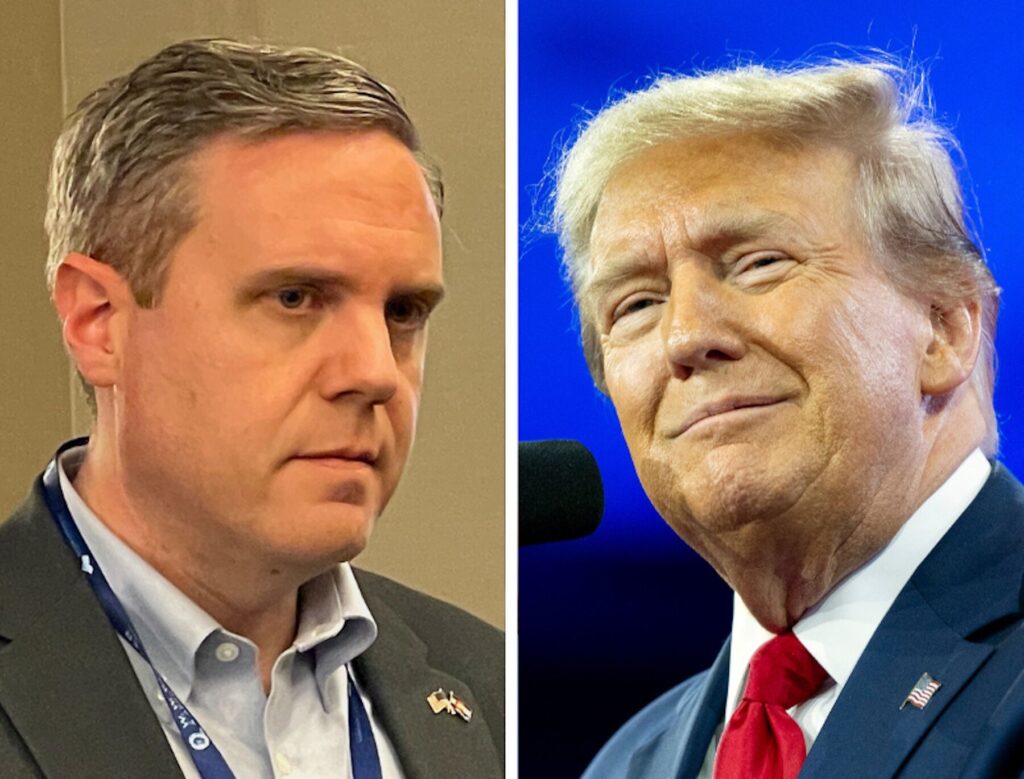
Trump pulls endorsement from Jeff Hurd over tariffs, backs Colorado Republican’s primary challenger
Ernest Luning
ernest.luning@coloradopolitics.com
Updated 3 hours ago
President Donald Trump on Saturday rescinded his endorsement of U.S. Rep. Jeff Hurd and threw his support behind the Colorado Republican’s primary challenger, Hope Scheppelman, citing the first-term incumbent’s “lack of support” for the administration’s tariff policy. The move comes...
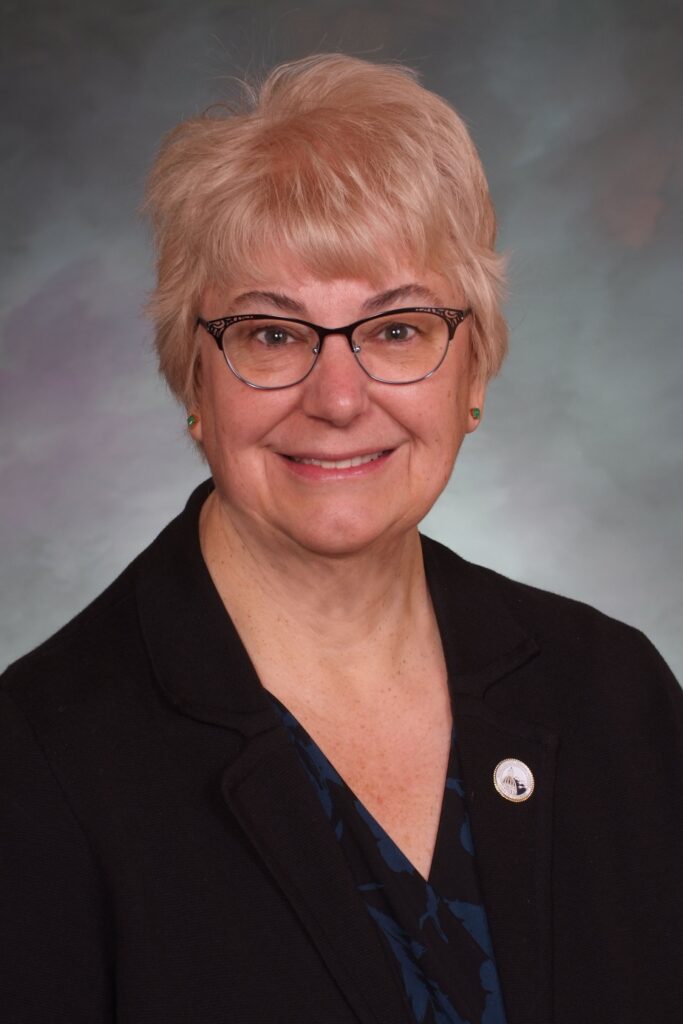
Colorado Senate Democrats choose Sen. Cathy Kipp as president pro tempore
Marianne Goodland
marianne.goodland@coloradopolitics.com
Updated 6 hours ago
Senate Democrats on Monday elected Sen. Cathy Kipp, D-Fort Collins, as the next president pro tempore. Kipp replaced former Sen. Dafna Michaelson Jenet, D-Commerce City, who resigned her seat earlier this month. Kipp faced off against Sen. Tony Exum, D-Colorado...
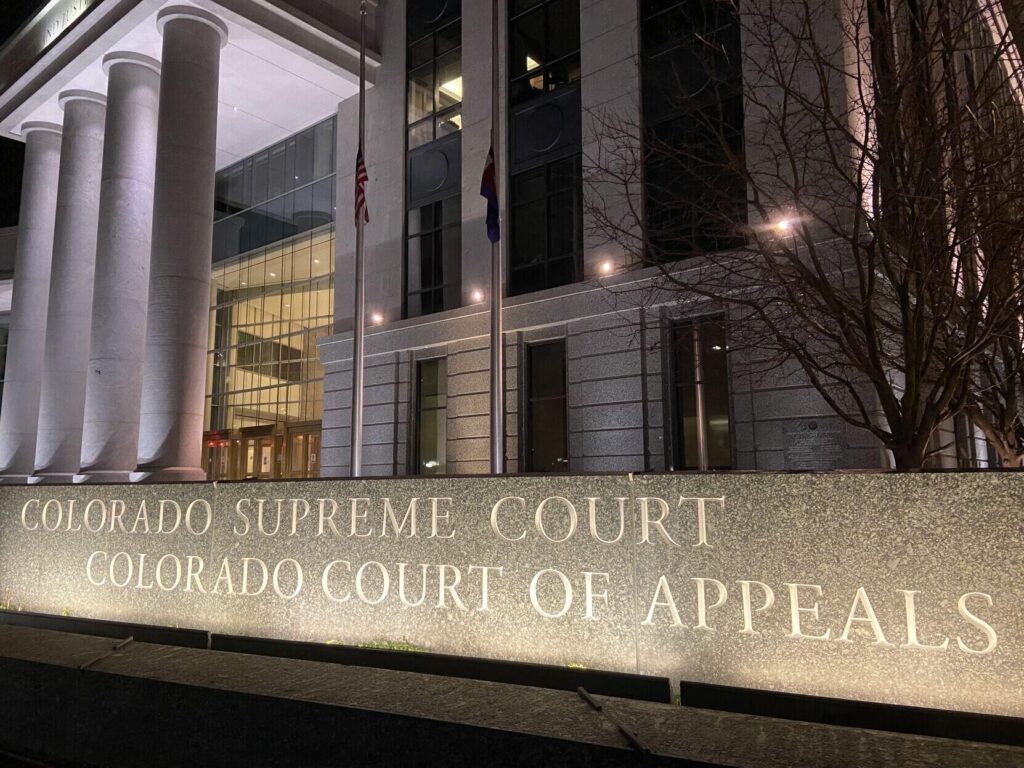
Divided appeals court reverses murder convictions due to faulty self-defense instruction
Michael Karlik
michael.karlik@coloradopolitics.com
Updated 7 hours ago
Colorado’s second-highest court concluded last week that an incomplete self-defense instruction required the reversal of an El Paso County defendant’s murder convictions. Demetrius Montez Martin was among those present late at night at a club in Colorado Springs. An argument...
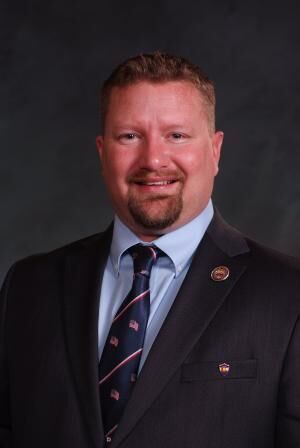
With deadline looming, Colorado House Ethics Committee narrows case against Rep. Ron Weinberg
Marianne Goodland
marianne.goodland@coloradopolitics.com
Updated 7 hours ago
With a Wednesday deadline to vote on seven ethics allegations against Rep. Ron Weinberg, R-Loveland, the Colorado House Ethics Committee signaled that it is poised to dismiss most of the claims, including campaign finance, conduct and firearm-related accusations, while focusing...
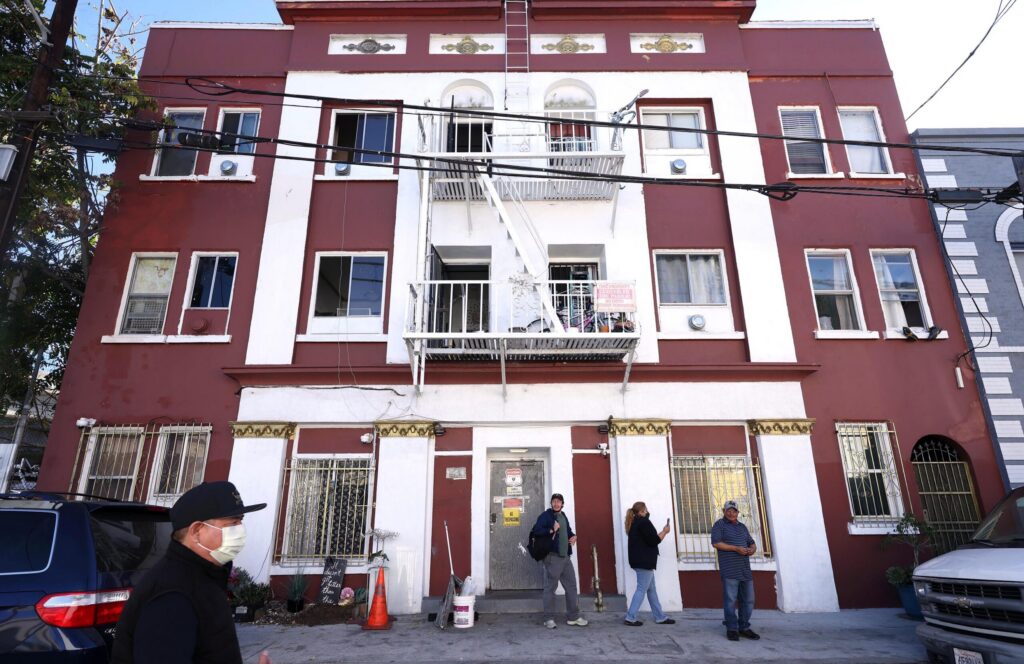
Democratic lawmakers propose changes to landlord-tenant laws in Colorado | Bills in Brief
Marissa Ventrelli
marissa.ventrelli@coloradopolitics.com
Updated 8 hours ago
Colorado lawmakers introduce hundreds of bills each year. Bills in brief cuts through the noise by explaining which proposals matter, what’s at stake, and how decisions at the Capitol could affect everyday life across the state. House Bill 1013, sponsored by Reps....
Colorado colleges must conduct wellness check if a student is reported missing under proposal
Marissa Ventrelli
marissa.ventrelli@coloradopolitics.com
Updated 6 hours ago
Spurred by the deaths of two young adults last year, a group of Colorado lawmakers is pushing legislation to require colleges to conduct wellness checks within six hours of a missing student report. The measure would also mandate statewide law...
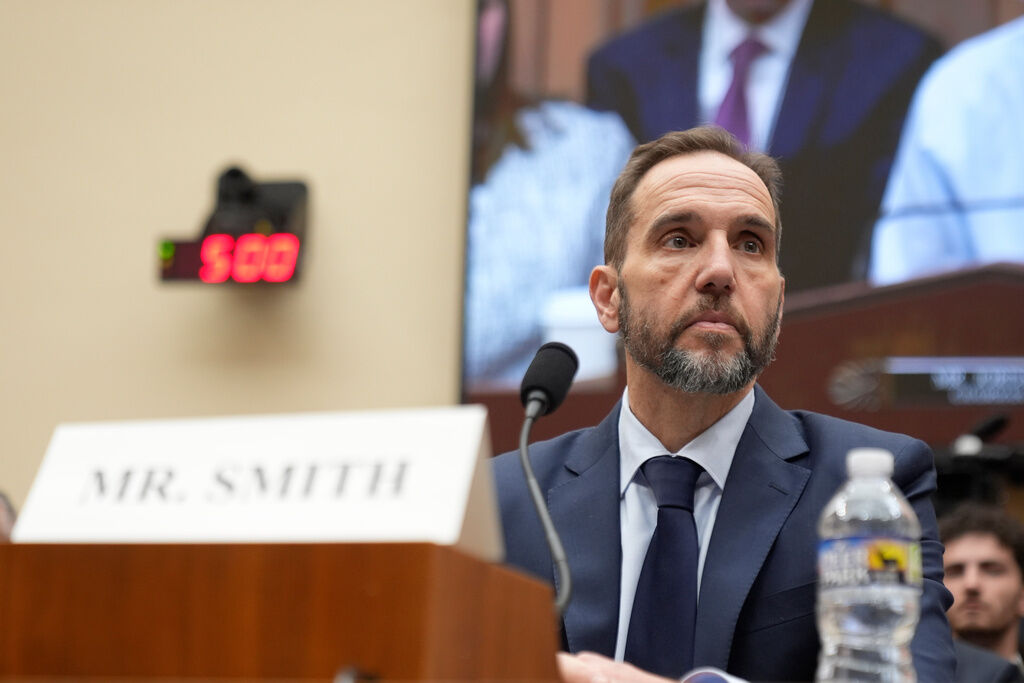
Judge permanently blocks release of Trump classified documents report
Kaelan Deese, Washington Examiner
kaelan.deese.washington.examiner@gazetteedit.wpenginepowered.com
Updated 5 hours ago
A federal judge permanently barred the Justice Department on Monday from releasing the portion of former special counsel Jack Smith’s final report detailing his investigation into President Donald Trump’s handling of classified documents, delivering a sharp rebuke of the prosecutor’s...
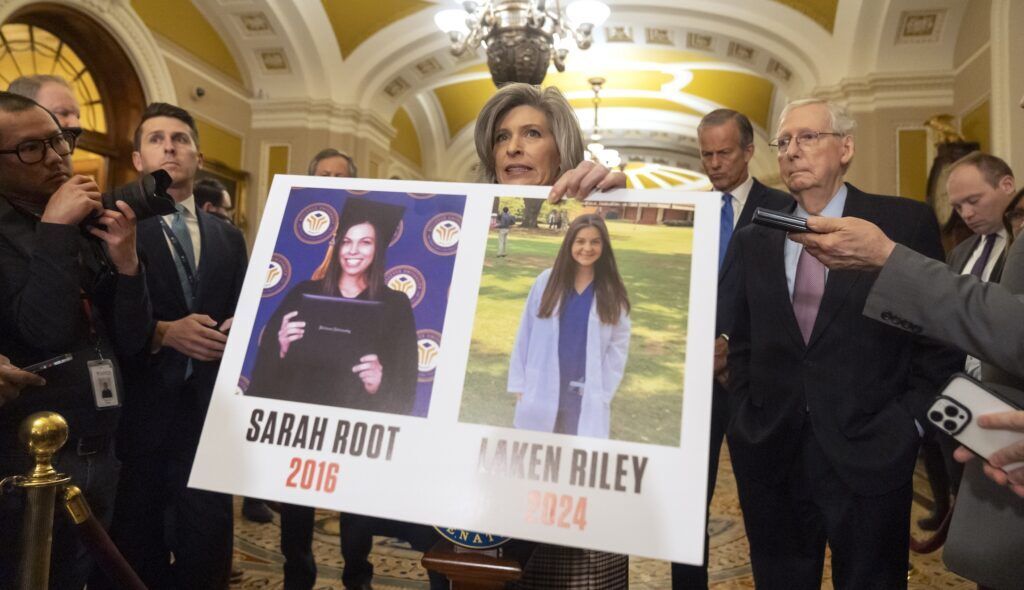
Trump declares National Angel Family Day for illegal immigrants’ victims
Mabinty Quarshie, Washington Examiner
mabinty.quarshie.washington.examiner@gazetteedit.wpenginepowered.com
Updated 9 hours ago
President Donald Trump on Monday designated Feb. 22 as National Angel Family Day in honor of 62 people who were killed by illegal immigrants and two others who survived attacks. Trump signed a proclamation making the designation official at an...
Colorado lawmakers mull competing bills on data centers
Scott Weiser
scott.weiser@gazette.com
Updated 3 hours ago
A Colorado coalition of data center developers and operators is urging lawmakers to pass a proposal that offers tax breaks to attract large facilities, while calling a competing bill a major obstacle to new investment. Meanwhile, proponents of the latter...