

Q&A with Sabrina Wright-Hobart and Kris Koehler | Cancer survivors call on Congress to take action
This September, as they have every year for more than a decade, hundreds of cancer patients, survivors and family members plan to converge on Washington, DC, for the American Cancer Society’s nonprofit, nonpartisan advocacy group Cancer Action Network — known as ACS CAN — Leadership Summit and Lobby Day, to raise awareness on Capital Hill about a disease that still kills an estimated 1,676 Americans every day.
Among the volunteers heading to Washington are Sabrina Wright-Hobart, a three-time cancer survivor and Aurora resident who is living with metastatic breast cancer, and Kris Koehler, who lives in Fort Collins and has been cancer-free since his successful treatment for colon cancer in 2013.
Along with other ACS CAN volunteers from Colorado and around the country, they plan to meet with members of the state’s congressional delegation to tell their stories and push lawmakers to make beating cancer a top priority.
“Roughly 1 in 3 people in the US will hear the words ‘you have cancer’ in their lifetime,” Koehler said. “We need a full and unwavering commitment from Congress to take action to help prevent, detect and treat cancer.”
According to the Centers for Disease Control, cancer is the second-leading cause of death in Colorado, with more than 8,400 residents expected to die from the disease this year and 30,000 residents expected to be diagnosed with some form of cancer.
On this year’s Washington visit, which kicks off on Sept. 16, the ACS CAN volunteers plan to urge lawmakers to support bipartisan legislation to cover new tests making their way through the approval process that can detect multiple cancers from a single blood sample, potentially reducing barriers to early detection and treatment.
Wright-Hobart and Koehler spoke with Colorado Politics before their departure. Their conversation has been lightly edited for length and clarity.
Colorado Politics: How did you both get involved with ACS CAN?
Sabrina Wright-Hobart: I was initially diagnosed with breast cancer back in 2006 when I was only 37 years old. So through that journey, I ended up working for a local breast cancer organization, and through there, I met the American Cancer Society Cancer Action Network. And because the organization I worked with did some partnering on legislative work, I found it really exciting and a way for me to get involved and really make the journey that I’ve been through make a difference for other people.
Then flash forward, around 2010 I started volunteering with ACS CAN, and then in 2020, still as a volunteer, I got diagnosed with a recurrence of my breast cancer. I’m now considered stage four, no evidence of active disease. So that just furthered my passion. I was already involved, I was already doing a lot of work.
I really feel like I’m sitting here talking to you today because of the advances in research in the 14 years between my two diagnoses. The fact that I have stage four breast cancer with no evidence of active disease and I’m walking around and I feel great and have a wonderful quality of life is nothing short of a miracle.
CP: Thank you. Kris, what brought you on board with ACS CAN?
Kris Koehler: I’m celebrating 10 years as a cancer survivor. I was 41 at the time, and I started having weird abdominal pains that led to an eventual diagnosis with stage two colon cancer. At the time, the accepted screening age was 50, so my doctor, basically — cancer was at the bottom of the list of things. But I wound up spending a week and a half, over Christmas of 2013, in the hospital, where a tumor the size of a lime and 15 inches of my colon were surgically removed. When I left the hospital, my favorite nurse told me, her last words to me were, “Kris, kick cancer’s ass.”
And that’s kind of been my mantra, not just physically. I went through chemotherapy, and I’ve had no problems physically with the cancer ever since, but from the time I left the hospital, I knew I had to do something to give back. Initially, I volunteered at a Relay for Life for a few years, and that’s how I got to learn about ACS CAN. And I love the fact that I can now speak for all the people I’ve met in these 10 years that can no longer speak for themselves.
Wright-Hobart: I would say that anyone that has been impacted by cancer in any way, it’s really easy to get involved with the American Cancer Society, from forwarding emails to your representatives to getting as involved as we are, going to DC every year. It can be just a few minutes of your time or a lot of your time, but either way, we all have a voice — we can pick up the phone and call our representatives.
CP: You’ll both be traveling to Washington to meet with fellow advocates and Colorado’s congressional delegation. Are you able to have meaningful conversations with the lawmakers and feel like you’re making an impact?
Koehler: We actually get to sit down with either the lawmakers themselves or aides in their office to make the case, whether it’s for increased funding or bills like the bill that we’re talking about this year, But to actually share our stories and feel like you’re actually making a difference.
Wright-Hobart: When we go to Lobby Day every year in Washington, DC, we have opportunities go into breakout sessions and learn more around different topics around cancer and advocacy. But then the Colorado team will sit down together on Monday, and we’re going to plan every meeting —who’s going to what. With the senator meetings, we generally take the whole team to those, if we can. Everybody should be able to introduce themselves, tell a little bit, like, “I’m a 10-year breast cancer survivor,” whatever it is, but we’re going to have our representatives picked out who are going to speak about which issue. Each meeting is about 15 minutes. If you get the full 15 minutes, that’s great, right?
So we’re very focused when we go in, and ACS CAN does a great job of educating us on those issues, so we really know what we’re talking about. We’re experts on the legislative acts that we’re asking for, but we’re also able to tie it to our personal story and really bring it back to Coloradans, right? “I live in your district, and this has impacted me, and this is how it has impacted me economically,” all of those things. Our legislators really do care, and they really do want to hear from their constituents, and when you can tie it to real-life stories of real-life Coloradans, it really, truly, I feel like it makes a huge impact.
Sometimes we meet with the legislators, but more often, we meet with their staff. And their staff is so important. We’re meeting with their health care — they are the experts in health care, and so it’s really so key to make relationships with these people. That’s why we have volunteers that go back year after year. For me, I’ve gone probably over 10 years now — I’ve lost track — but I have a really great relationship with some of the the aides. We actually know each other on a first-name basis.
CP: This year, you’re going to be asking for the lawmakers to support legislation to cover what are known as multi-cancer early detection tests under Medicare, once they’re approved by the FDA and determined to be effective. What would the legislation do, and why is it important?
Koehler: There are tests that are coming down the pipeline that, with one blood draw, one trip to the doctor or the lab, can screen for multiple cancers, as opposed to having to go back time after time for different blood draws, etc, etc. What the bill will allow for is, once these tests are approved, for Medicare to fund them. You know, at any age, anything that can be done to prevent barriers to screening — whether, in this case, it’s the extra cost, the extra inconvenience of multiple trips to labs and who knows where, to get the test done, when it can all be done at one time.
My cancer is one I get very passionate about — anything for early detection screening, because colon cancer is one that, if it’s caught early enough, is very curable, but if not, the results can be deadly. So bills like this, that can reduce barriers, make it easier to get screening and prevention, those are the things I get most passionate about,
Wright-Hobart: One really nice thing about these tests is, not only are they going to reduce travel time and cost and all of that, they’re often going to reduce the need for a biopsy and more invasive types of procedures in order to get a diagnosis. You have people who argue, “Well, people are getting diagnosed too early,” that kind of thing, but I would argue, as a cancer survivor, the sooner you know, the better, because your odds of surviving and treating it are just so much better.
One of the things that ACS CAN is really, really passionate about is affordable, equitable access to health care, and that’s why we want to get this bill passed. We want to make sure that everyone has access to this testing, regardless of what type of health insurance they have. And we’re really, really grateful to both Sens. (Michael) Bennett and (John) Hickenlooper. They both have co-sponsored this bill, so they’re great champions, and we’re really grateful.
CP: Do these tests exist yet, or is this a proactive move, to provide funding once they do?
Wright-Hobart: They exist, but many of them have not been FDA-approved yet, they’re in the pipeline for approval. So once they’re approved, if we can get this bill passed ahead of time, they’ll already be covered, right? And so we’re trying to get ahead of the ball, instead of waiting for them to be FDA-approved and then going, “Hey, we need these covered.” We’re trying to be proactive.
In the House, Reps. (Jason) Crow, (Diana) DeGette, (Joe) Neguse, (Yadira) Caraveo and (Brittany) Pettersen are all co-sponsors, but we really need Rep. DeGette’s help to get that bill heard in the House (Energy and Commerce) Committee, so we will be asking her for that when we’re there.
CP: Sabrina, you’ve been going on these trips for at least a decade. Anything you’ve advocated for over the years that has made it into law and that you can see has made a difference?
Wright-Hobart: Oh, absolutely, absolutely. One thing — it was frustrating and it was so rewarding when the Affordable Care Act was passed, because there was a loophole that nobody realized was there until after the bill had passed. This loophole basically forced Medicare patients to pay for colonoscopies if they had a polyp. So that was a huge barrier.
Under the ACA, all preventative screenings were supposed to be free, right? So a colonoscopy should be free, however, often they find polyps — they did with me when I had a colonoscopy — and they remove them, but that would change it to a diagnostic code instead of a preventative code. So senior citizens didn’t know, when they woke up, they might wake up to an $800 bill, a $1,000 bill, and that was a real big barrier for people.
It took us 10 years, but we finally got that loophole closed. That’s the thing, when you’re doing this kind of legislative advocacy — it’s a long game. And we really want to get MCED passed this year. If we don’t, we’re going to be back next year, right? So we want to get it done, because we’ve got other priorities we need to work on.

Susan Blanco signals views on role of appellate courts in first opinion as Colorado justice
Michael Karlik
michael.karlik@coloradopolitics.com
Updated 11 minutes ago
Justice Susan Blanco’s first solo opinion as a new member of the Colorado Supreme Court made clear her view of the guardrails that keep the state’s highest court tethered to the issues it is asked to decide. On Monday, the...

Hegseth features Fort Carson soldiers after returning from Middle East, gives warning on Iran war
Reuters
reuters@gazette.com
Updated 26 minutes ago
Defense Secretary Pete Hegseth said on Tuesday the next few days in the war against Iran would be decisive and warned Tehran that the conflict would intensify if it did not make a deal. Hegseth also highlighted his trip to the Middle...

Colorado leaders say Trump’s executive order targeting mail voting violates state election authority
Marissa Ventrelli
marissa.ventrelli@coloradopolitics.com
Updated 29 minutes ago
Colorado leaders swiftly condemned President Donald Trump’s new executive order issued Tuesday, arguing that its creation of a national voter‑eligibility list and new limits on mail voting violate states’ constitutional authority to run their own elections. Jefferson County Clerk Amanda...
The Latest: Supreme Court to hear arguments over Trump’s birthright citizenship order
The Associated Press
the-associated-press@coloradopolitics.com
Updated 4 hours ago
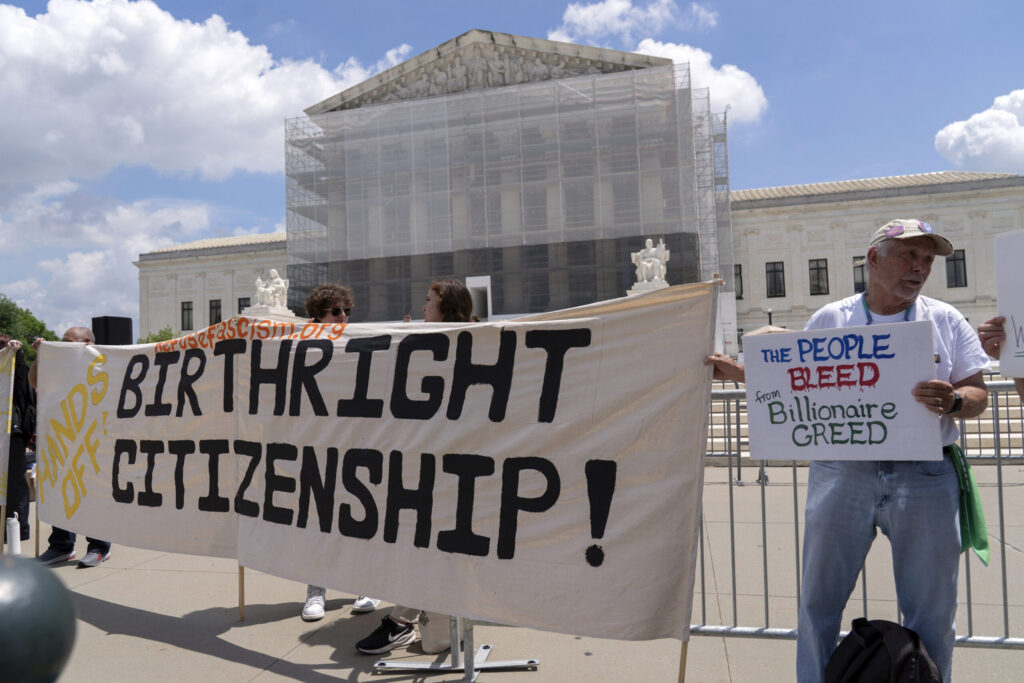
WASHINGTON (AP) — The U.S. Supreme Court is hearing arguments at 10 a.m. ET over the constitutionality of President Donald Trump’s order to end birthright citizenship for children born in the United States to someone in the country illegally or...
‘Steel for fuel’ — but bill consumers for both | PODIUM
Colorado Politics
colorado-politics@coloradopolitics.com
Updated 16 hours ago
By Sarah Montalbano In 2018, Xcel Energy, an investor-owned utility serving millions of customers across eight states, was the first U.S. utility to pledge to deliver 100% carbon-free electricity by 2050. Eight years later, Xcel is pleading with Colorado...
Mental health education for coaches can help young athletes on and off the field | OPINION
Colorado Politics
colorado-politics@coloradopolitics.com
Updated 16 hours ago
By Erin Harrop Youth athletics have become significantly more intense and competitive. The physical effects of training or injury can be grueling — but so are the mental health effects, particularly as performance pressure increases. As leaders and mentors, coaches...

Denver Council narrowly approves deal with Axon
Deborah Grigsby
deborah.smith@denvergazette.com
Updated 4 hours ago
After weeks of delay, the Denver City Council narrowly approved a one-year $150,000 contract with Axon for 50 automated license plate-reading cameras and the necessary system hardware, replacing the city’s former vendor, Flock. The 7-6 vote came during Tuesday’s regular...

Colorado leaders weigh next steps after Supreme Court rejects state ban on ‘conversion therapy’
Marissa Ventrelli
marissa.ventrelli@coloradopolitics.com
Updated 18 hours ago
Colorado leaders said they are weighing next steps after the U.S. Supreme Court on Tuesday rejected the state’s ban on “conversion therapy” for children, as critics and supporters cheered or lambasted the ruling. The court’s near-unanimous decision called the Colorado...
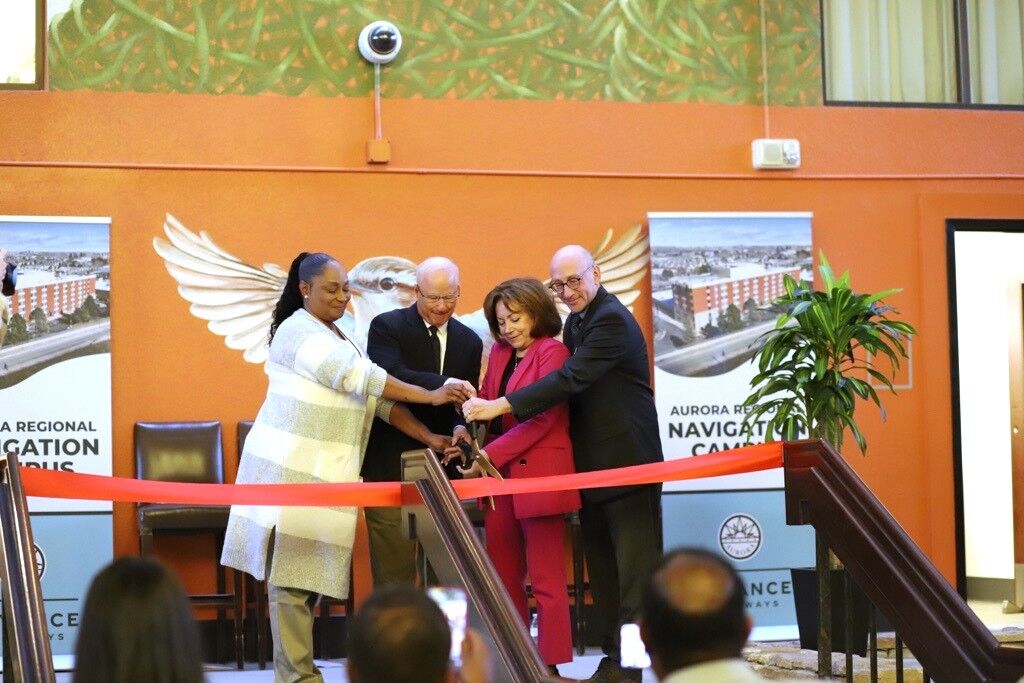
Aurora homeless shelter opened too early, CEO says, as mold and plumbing issues emerge
Kyla Pearce
kyla.pearce@gazette.com
Updated 4 hours ago
Aurora’s largest homeless services project launched “way too early,” its CEO told city leaders Tuesday, saying the rushed opening left residents living amid mold, plumbing failures, and other issues inside the former hotel. During Tuesday’s Housing, Neighborhood Services and Redevelopment...

Gov. Polis declares April ‘dig safely month’ to mark 40th anniversary of Colorado 811
Scott Weiser
scott.weiser@gazette.com
Updated 4 hours ago
Gov. Jared Polis declared April 2026 as “Dig Safely Month” in Colorado, an annual observance that this year highlights the 40th anniversary of Colorado 811, the state’s One-Call Notification System. “Before everyone starts their warm weather projects around the house,...